REVIEW · BORDEAUX
From Bordeaux: Full-Day Medoc Wine Tour
Book on GetYourGuide →Operated by Ophorus · Bookable on GetYourGuide
Medoc wine can feel mysterious until you see the vineyards up close. This full-day tour from Bordeaux pairs small-group access with real estate visits, then turns tastings into a skill you can use the next time you order a glass.
I especially like the way the day is built around three different wineries in Classified Growth or Cru Bourgeois. You get vineyard context, guided tastings, and a licensed English-speaking wine guide who helps you notice what changes between estates, not just what tastes good.
One thing to keep in mind: this is a tasting-focused day, so lunch and extra drinks aren’t included, and on the road portion you may mostly be seeing famous châteaux rather than stopping for long photo moments.
In This Review
- Key things to know before you go
- A Full-Day Medoc Lesson Starts at the Bordeaux Tourism Office
- The Van Ride: How You Get to Margaux, Saint Julien, Pauillac, and Saint Estephe
- Stop One: The First Estate Visit and Tasting (Your baseline)
- Pauillac Break: Free Time in the Medoc Town Center
- Stop Two: Second Winery Visit and Tasting (The comparison becomes real)
- Stop Three: Final Winery Tasting (What you actually want to buy)
- The Castle Road Drive-By: Famous Châteaux, Different Ways of Seeing
- Tastings You Can Use: How Medoc Blends Shift Flavor
- Price and Value: Does $259 Make Sense for an 8-Hour Day?
- Who This Medoc Tour Fits Best (And Who Might Want to Skip It)
- Should You Book the Bordeaux to Medoc Full-Day Wine Tour?
- FAQ
- How long is the Medoc wine tour?
- Where do I meet the group in Bordeaux?
- How big is the group?
- How many wineries will I visit?
- Are wine tasting fees included?
- Is lunch or any food included?
- Do I need to be 18 to drink wine?
- Does the tour operate in bad weather?
- Is the tour wheelchair accessible?
- What should I bring?
Key things to know before you go
- Small group (max 8) means more time to ask questions and compare tastes
- 3 classified or Cru Bourgeois estates with guided visits and tastings
- Appellations in the mix: Margaux, Saint Julien, Pauillac, and Saint Estephe
- Pauillac break/free time gives you a chance to reset, eat, and explore a Medoc town
- Licensed English-speaking wine guide focuses on how blends shift flavor
- Rain or shine operation keeps the schedule moving
A Full-Day Medoc Lesson Starts at the Bordeaux Tourism Office
Your day begins at the Office de Tourisme et des Congrès de Bordeaux Métropole, at 12 cours du 30 Juillet, 33000 Bordeaux. From there, you’ll head straight into the Medoc wine country by van.
This matters because Medoc is huge. You can’t realistically stitch together the right blend of estates, tastings, and scenic viewpoints on your own without turning the day into a logistics headache. The tour trades that stress for a guided route, with enough structure that you actually learn something as the hours pass.
You’ll be in a group limited to 8 participants, and the tone is intentionally personal. Many guides on this route lean into clear explanations and quick, practical comparisons at each estate—exactly what you want if you’re trying to understand why Cabernet Sauvignon-driven wines feel different from Merlot-forward styles.
Other Médoc wine tours in Bordeaux

The Van Ride: How You Get to Margaux, Saint Julien, Pauillac, and Saint Estephe
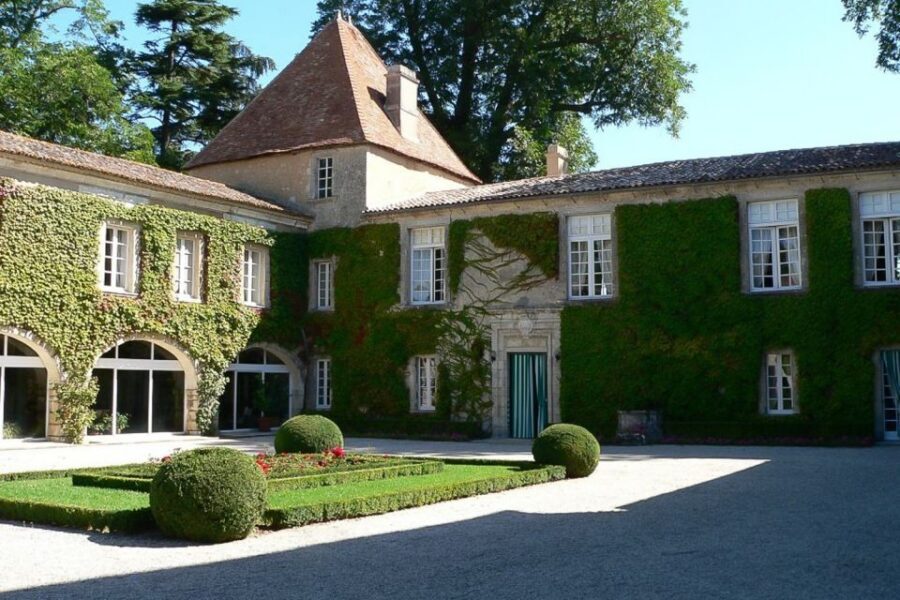
After a van transfer from Bordeaux (around an hour at the start), you’ll roll into some of Medoc’s most famous appellations: Margaux, Saint Julien, Pauillac, and Saint Estephe. You won’t just be naming places on a map. The guide frames what each area tends to produce, so the later tastings make sense.
You’ll also spend time driving between stops, including short transfer segments along the way. That rhythm helps because you’re not constantly switching locations—each winery feels like a distinct chapter, not a rushed blur.
A detail I appreciate: the guide doesn’t only talk about wine in a vacuum. You’ll get pointers that help you read the landscape and vineyard choices. That comes in handy when you later notice patterns in the glass—like heavier tannin structure, different aromatic profiles, or why two Cabernet-based wines can taste worlds apart.
Practical note: you’ll want comfortable shoes. Even with van travel, winery grounds and viewing areas usually call for good walking footing, especially if you want to linger during photos or estate viewpoints.
Stop One: The First Estate Visit and Tasting (Your baseline)
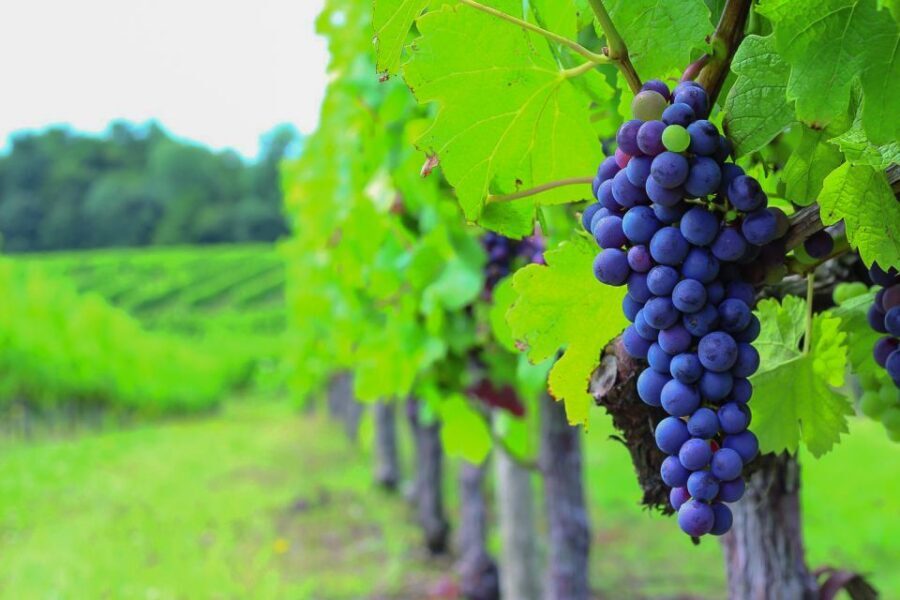
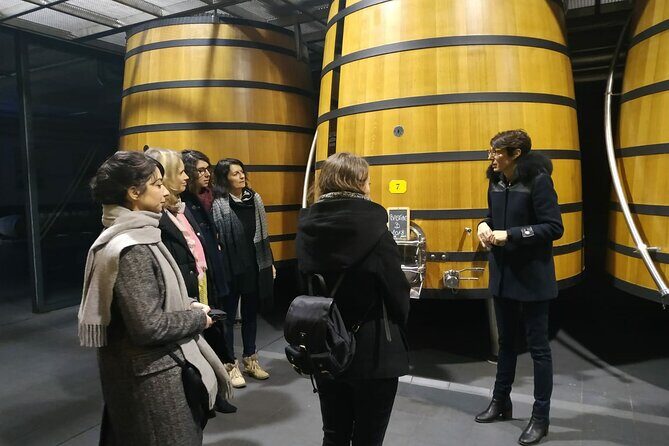
The first winery stop is built as a baseline for the day. You get about one hour for the visit plus wine tasting, which is long enough for a guided explanation of the estate story and the winemaking approach.
This is where you should pay attention to the fundamentals:
- what the estate emphasizes (even if the tasting flight is short)
- how the staff talks about grapes and fermentation choices
- what you notice first—fruit, acidity, tannin feel, or oak influence
A couple of reviews hinted that tasting numbers can vary by estate (some tastings may focus on a few wines rather than a wide spread). So instead of expecting an identical flight everywhere, use each stop as a chance to practice: compare what you taste, write down what you like, and ask the guide how the estate’s choices shape those flavors.
Guides come through with different teaching styles. Names you might encounter include Carol, Anne, Helene, Guy, Hugo, Olivier, Ugo, and Laetitia—each described as energetic, funny, and quick to explain the differences between wines in a way that makes the day feel like a conversation, not a lecture.
Pauillac Break: Free Time in the Medoc Town Center
After the first stop, the day moves to Pauillac, with break/free time and time for tasting (roughly 1.5 hours at that point). Pauillac is one of the key towns in this region, and it’s a smart pause in the middle of the day.
Why this break is valuable: it gives your senses a reset. Wine days can get blurry if you keep tasting without a pause. Here, you can step away, get water, and either grab lunch or simply stroll before the later tastings.
Meals are not included, but you’ll have a real chance to choose a restaurant on your own terms. Many guides tend to offer lunch suggestions once you’re in Pauillac, and those suggestions can help you avoid the usual tourist trap of picking the most convenient menu instead of the best one.
One practical detail: you can expect that bathrooms are usually accessible at the stops. That sounds basic, but on a day with three winery tastings, it’s the kind of small comfort that makes the whole schedule feel smoother.
Stop Two: Second Winery Visit and Tasting (The comparison becomes real)
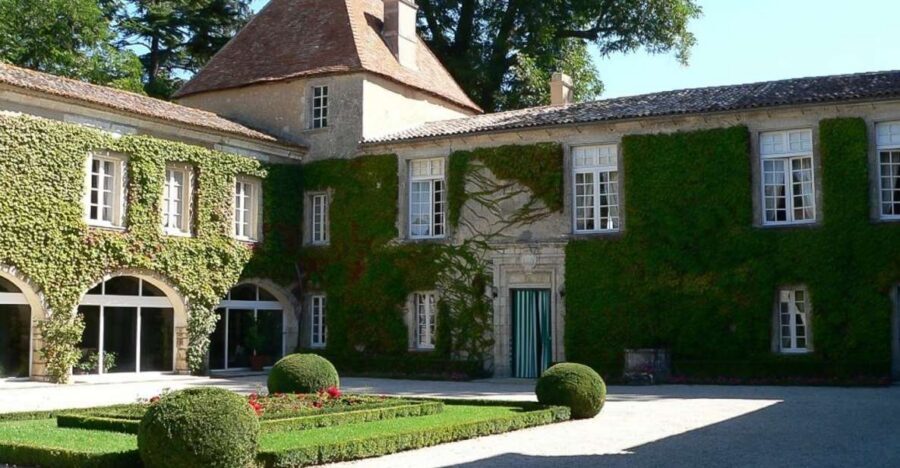
The second estate visit is another one-hour block that typically includes a guided tour and tasting. This stop often feels like the moment where the tour shifts from learning to comparing.
If the first estate gave you your baseline, the second one helps you build a mental map:
- Does the wine feel more structured or more relaxed?
- Do the flavors lean toward dark fruit, red fruit, or something more complex?
- How does the tannin texture change after a sip or two?
One review-style detail I found useful: some estates let you taste specific grape varieties tied to the Medoc style—like comparing Merlot and Cabernet Sauvignon directly. That kind of side-by-side tasting is a shortcut to understanding why blends taste the way they do.
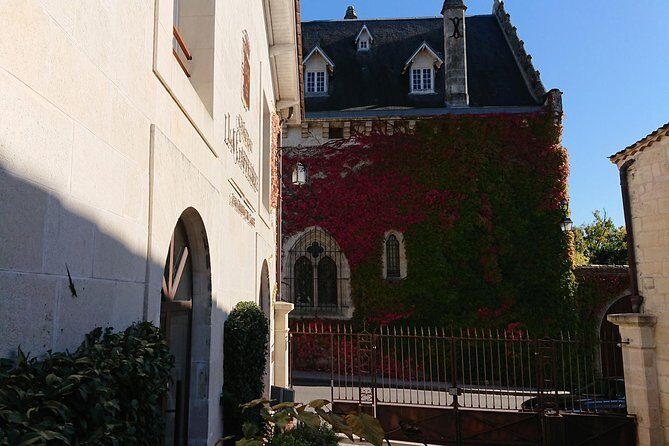
Also, don’t sleep on the visual part of the visit. The best tours make you notice where the estate sits, how the vineyard layout looks, and how the winemaking approach fits the land. That’s the stuff you’ll remember later, even when you’ve forgotten the exact names of every château you drove past.
Other wine tours in Bordeaux
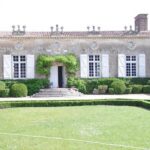


Stop Three: Final Winery Tasting (What you actually want to buy)
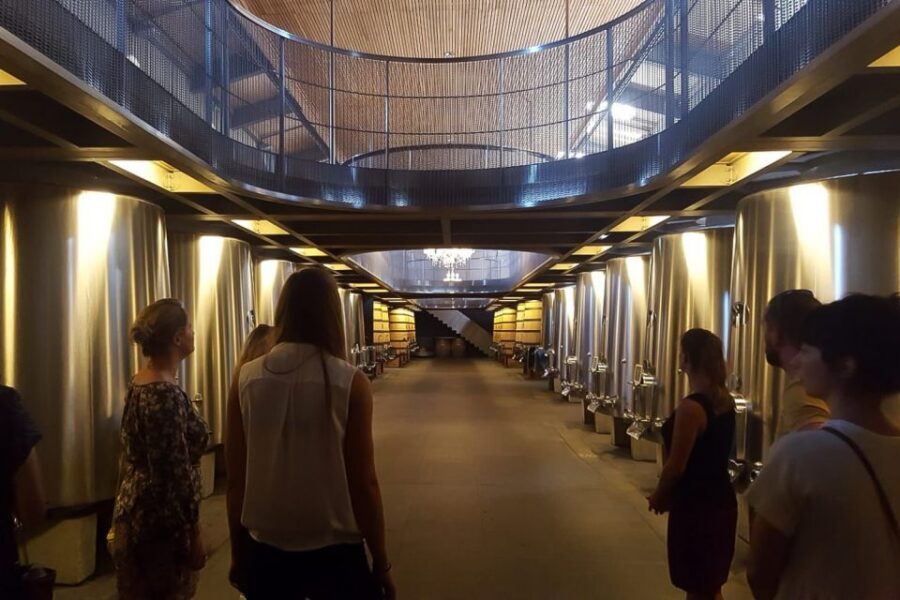
The third stop is another winery tasting block (about one hour). By now, you’ll likely have favorites, and the final estate tends to become the moment you realize what you want to take home.
At this point, here’s how I’d recommend you focus during the tasting:
- Taste once just for pleasure.
- Taste again and think about what’s driving that pleasure.
- Then ask the guide what in the process likely created it.
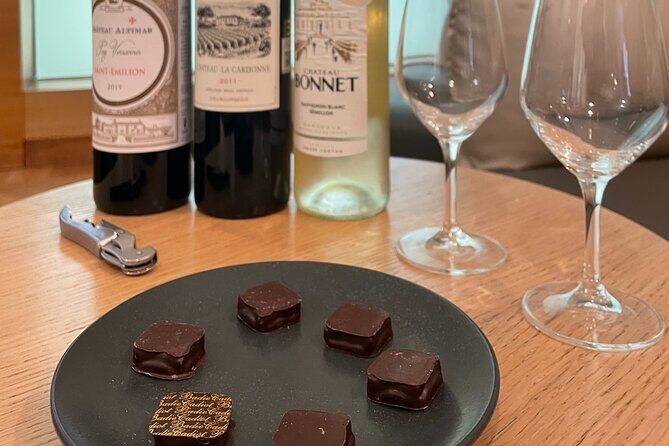
Because tastings and winery visits vary, you may find that some estates emphasize fewer wines, while others offer more variety. Either way, use the time to learn your preferences. If you’re the kind of traveler who buys a bottle based on labels alone, this is the day to stop doing that.
A recurring strength in the guide feedback: the best guides keep the day unhurried. You’re not forced to sprint from one room to another. Instead, the pacing leaves room to ask, taste slowly, and catch up with your group.
The Castle Road Drive-By: Famous Châteaux, Different Ways of Seeing
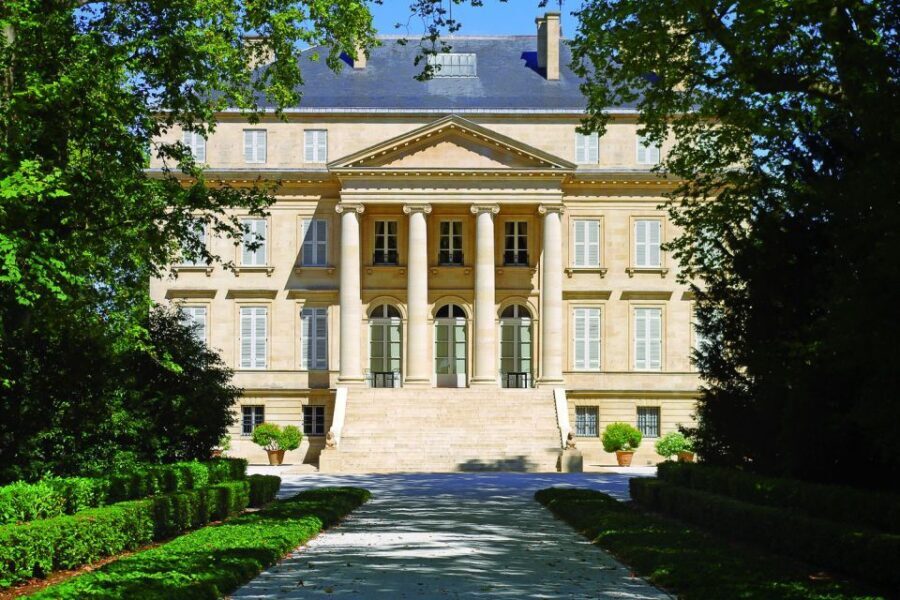
After your winery stops, the tour continues along the castle road, a scenic stretch where you pass major names such as Chateau Margaux, Chateau Palmer, and Chateau Pichon Longueville. This is your chance to connect the famous labels with the visual reality of the region.
Important expectation-setting: you usually see these châteaux from the road rather than getting long stops for photos. That’s not a bad thing—it keeps the schedule intact—but it explains why some people feel the drive is more about recognition than photography.
Still, it’s a valuable moment because it makes the Medoc feel like one connected wine world. You don’t just taste. You understand the geography and the branding, and you start noticing that different estates project different identities even within the same overall region.
Tastings You Can Use: How Medoc Blends Shift Flavor
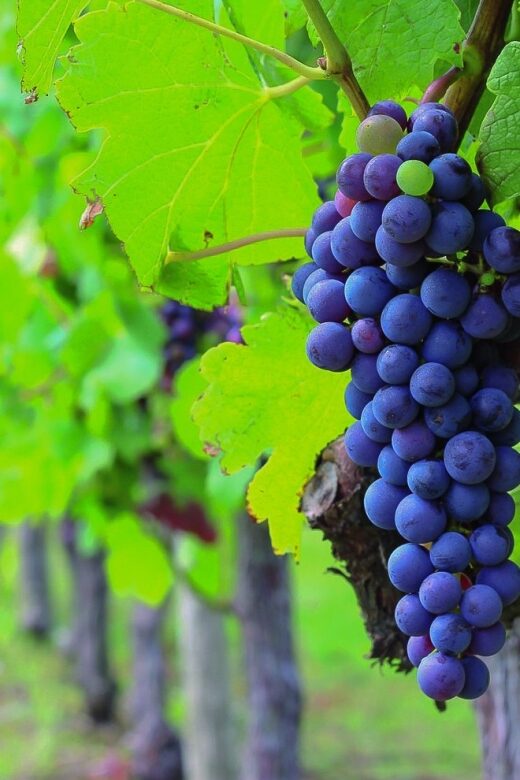
One of the smartest parts of this tour is the focus on tasting differences—especially how the allowed grapes shape the glass. The Medoc region covers about 5,700 hectares of declared vineyards, with an average production of around 300,000 hectoliters per year. That scale helps explain why the region is so influential.
Here’s the core grape picture you’ll hear about on the tour:
- About 50% of plantings are Cabernet Sauvignon and Merlot
- Petit Verdot and Malbec are used to a lesser extent
- AOC regulations also allow Cabernet Franc and Carménère
So what does that mean when you’re tasting? Think in terms of structure and vibe:
- Cabernet Sauvignon often brings stronger structure, tighter tannin, and a darker-fruit or herbal edge.
- Merlot tends to feel rounder, with a softer tannin texture and more immediate fruit expression.
- The smaller grapes can act like seasoning—adding extra nuance rather than dominating.
The guide’s job is to make these concepts practical. You should leave with the ability to taste a blend and make a better guess about what’s inside. That’s why the tour feels useful even if you already drink Bordeaux at home—you’re building a toolkit, not just collecting souvenir bottles.
Price and Value: Does $259 Make Sense for an 8-Hour Day?
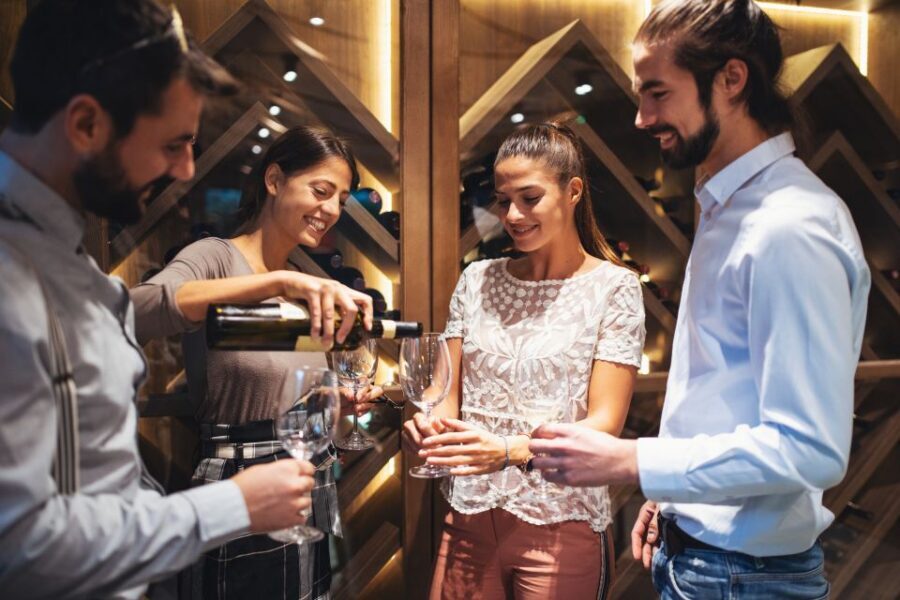
At $259 per person for about 8 hours, you’re paying for three main things: transportation out of Bordeaux, three guided winery visits, and wine tasting fees.
Here’s the honest value math:
- Wine tasting fees are included, which removes one of the hidden costs that can creep up on DIY days.
- You get a structured day with multiple locations and enough time at each stop to actually learn and compare.
- The small group size helps you get real interaction, not just background commentary.
What you should budget separately is food. Meals are not included, and the tour specifically notes that snacks aren’t usually provided during tastings. So I’d plan on a solid breakfast or lunch before you go, then treat Pauillac as your main meal opportunity.
One more value point: if you’ve never visited Médoc estates, DIY usually turns into a hit-or-miss day of opening times, driving distances, and tasting availability. This tour avoids that. You’re buying the routing and the guidance, plus the chance to try wines that match the region’s style rather than whatever is closest to your parking spot.
Who This Medoc Tour Fits Best (And Who Might Want to Skip It)
This tour is a great match if:
- you want a first-time introduction to Medoc without renting a car
- you care about learning how blends and grapes affect taste
- you want a guide to explain what you’re tasting in plain English
- you prefer a small group where you can ask questions and slow down
It may not fit as well if:
- you’re hoping for a relaxed, sit-and-sip day with lots of free time at every château (this is more structured)
- you need wheelchair accessibility (the tour is not wheelchair accessible)
- you’re bringing kids (it’s adult only, no one under 18)
- you’re traveling with pets (pets aren’t allowed)
Should You Book the Bordeaux to Medoc Full-Day Wine Tour?
Book it if you want the smart way to experience Medoc in one day: three estates, guided tastings, and a route that ties the biggest appellations together. The biggest reason to choose it over DIY is not just convenience—it’s the structured comparisons, plus the guide-led tasting lesson that makes the region click.
Skip it or look for another option if your main goal is meals and downtime, or if you need guaranteed photo-stops at famous châteaux. This tour does the driving and the tastings first, then gives you scenic recognition along the way.
If you go, do yourself a favor: eat before the first tasting, wear good shoes, and treat each stop like a tasting experiment. Ask one or two focused questions at each estate. By the third winery, you’ll be tasting with purpose, not just tasting because it’s free time with wine.
FAQ
How long is the Medoc wine tour?
It runs for 8 hours.
Where do I meet the group in Bordeaux?
Meet at the Office de Tourisme et des Congrès de Bordeaux Métropole, 12 cours du 30 Juillet, 33000 Bordeaux.
How big is the group?
The tour is limited to 8 participants.
How many wineries will I visit?
You’ll visit 3 wineries in Classified Growth château estates or Cru Bourgeois estates, with visits and tastings.
Are wine tasting fees included?
Yes. All wine tasting fees are included.
Is lunch or any food included?
No. Meals and drinks are not included, and snacks aren’t usually provided during tastings, so plan on eating beforehand.
Do I need to be 18 to drink wine?
Yes. You must be 18 years of age to drink alcohol.
Does the tour operate in bad weather?
Yes. It operates rain or shine.
Is the tour wheelchair accessible?
No. The tour is not wheelchair accessible.
What should I bring?
Bring passport or ID card and comfortable shoes.