Chartons is a tasty corner of Bordeaux. This tour pairs bread, cheese, and wine in a way that teaches you how French eating really works. I especially like the mix of food stops and city context, from an old Revolution-era market hall to the Eglise St Louis des Chartrons. One thing to consider: it runs about 2 hours and is built around sampling, so if you want a lighter, fully structured meal experience, it may feel a bit snacky rather than restaurant-comfort filling.
The bread part is the hook. You get to see an oven built in 1765 under King Louis XV, then learn what makes traditional loaves tick before sampling regional bread like pain Gascon. Next comes the fromagerie, where you and your guide make selections for tasting in the bigger, delicious world of French cheese. The best part is how practical the pairing gets: you do not just taste, you learn the why.
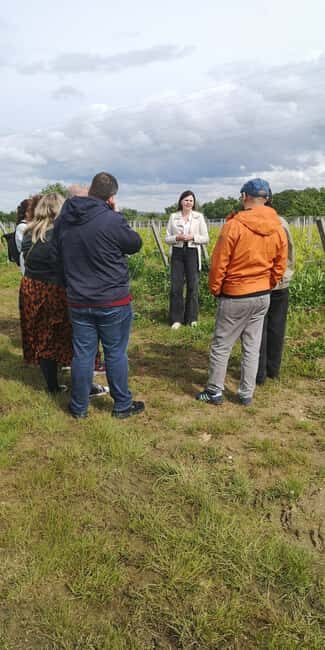
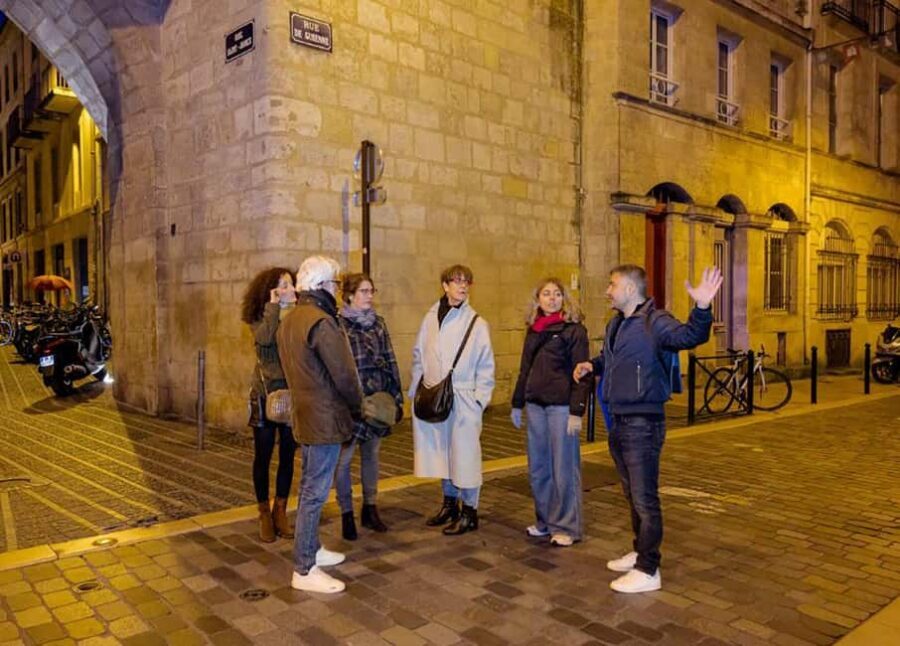
There’s also real group energy. With a maximum of 8 travelers and an English-speaking guide, questions stay easy and pace stays human. One possible drawback is that it is a food-and-wine-focused format, so the alcohol portion is only for travelers 18+, and the tastings are central to the experience even if you opt out of drinks.
In This Review
- Key things that make this tour worth your time
- Chartons Bordeaux: where food culture meets a walkable neighborhood
- The 1765 bakery oven: bread lessons you can actually taste
- Fromagerie stop: how French cheese tasting becomes a skill
- Chartons stroll to wine: why the pairing is taught, not guessed
- The pacing, group size, and meeting points that make it easy
- What’s included: the real value isn’t just the price
- Who should book this tour (and who might want a different style)
- Should you book Cheese, Wine, and Bread in Bordeaux?
- FAQ
- How long is the Cheese, Wine, and Bread tour?
- Where does the tour start and end?
- What time does the tour begin?
- Is a mobile ticket used?
- How big is the group?
- Are alcoholic beverages included, and is there an age requirement?
- Can the tour accommodate dietary restrictions?
- What’s included in the price?
- Is tipping required?
- What if I need to cancel?
Key things that make this tour worth your time
- A 1765 oven under Louis XV: you see where bread was cooked, not just where it was sold.
- Pain Gascon and traditional bread-making lessons: you taste the result of technique.
- Fromagerie selection with your guide: tasting feels guided, not random.
- A wine shop with a wide Southwest France selection: pairing comes from a large bottle lineup, not guesswork.
- Small-group feel (max 8): easier conversation and more attention.
- Dietary flexibility when you book: the guide can adjust for needs like lactose intolerance and celiac.
Chartons Bordeaux: where food culture meets a walkable neighborhood
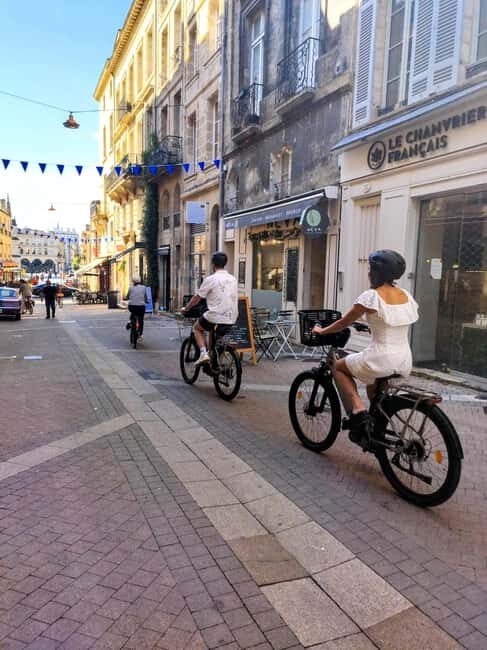
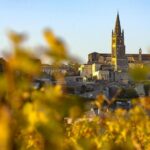
If you want Bordeaux without only the postcard lanes, Chartons is a strong bet. This neighborhood has a long tie to wine, but it is not just about drinking. You also get specialty food shops, antiques, and high-end boutiques mixed in with everyday life.
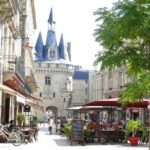
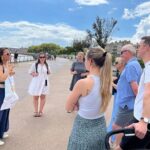
The tour starts with a quick look at a market hall restored in 1998, originally the site of a market constructed during the French Revolution. Even in a short walk, that sets the tone: you are not only chasing flavors, you’re seeing how local trade and eating shaped the area.
Next, you pass the Eglise St Louis des Chartrons, a gothic revival church dedicated to Saint-Louis. It is not the kind of stop meant to drag you through long explanations. It’s more like a breather before the tasting work kicks in. And because this is a food tour, the city stops feel like they add context instead of stealing time from your plate.
Other wine and cheese pairing experiences in Bordeaux
The 1765 bakery oven: bread lessons you can actually taste
Bread is not a side dish in France. On this tour, it starts as a full-on subject, and the key is the setting. You visit one of Bordeaux’s most unique bakeries and you get to see an oven built in 1765 under King Louis XV. That matters because an oven changes everything: heat, crust formation, and texture.
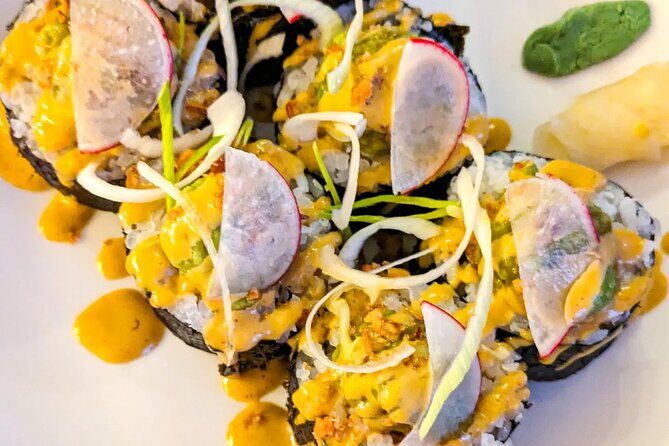
In the bakery, your guide talks through traditional bread-making and what to notice when you taste. You learn the logic behind the loaf, not just the romance of it. Then you sample regional specialties, including pain Gascon, so you can connect the technique to the flavor right away.
One of the smartest parts for me is the order. Starting with bread gives you a neutral baseline. When cheese and wine show up later, you can better pick up differences in salt, fat, and acidity because your palate has already been reset.
A short reality check: you will not leave full like a sit-down lunch at a big brasserie. This tour is built around tastings that add up. It does double as lunch for most people, but it is still a sampling schedule, not a three-course meal.
Fromagerie stop: how French cheese tasting becomes a skill
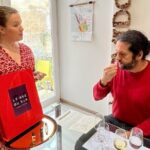
Then comes the cheese, and this is where the tour earns its title. You head to an artisanal fromagerie and you and your guide make selections for your tasting. That simple detail changes the whole experience.
When cheese is pre-chosen and the only role you have is to eat, tasting can turn into a blur. With your guide helping select, the tasting has a plan. You get variety on purpose, so you start to understand what each cheese brings to the table.
From the guide side, the emphasis shows up in real customer feedback. For example, Alex stood out for being entertaining and for working with group needs, including a guest with lactose intolerance and celiac. That tells me the guide is not just reciting facts. They’re paying attention to what people can safely eat, then steering the tasting accordingly.
Also, this is not only about picking your favorite. You’re learning how different styles behave on the palate. Soft vs. firm, aged vs. younger, cow’s milk vs. what else you might be offered—those differences start to matter once you’ve tasted them side by side with explanation.
If you’re the kind of person who always wonders why a recommendation tastes better, this fromagerie section is your answer. It trains your eye and your sense of balance, so pairing later feels logical instead of random.
Chartons stroll to wine: why the pairing is taught, not guessed
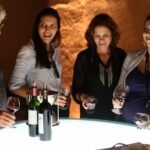
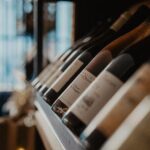
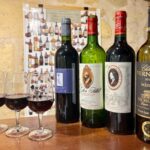
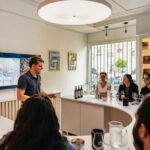
After cheese, you go to a wine shop with one of the largest selections in Southwest France. That wide bottle line-up matters more than you might expect.
In a smaller shop, the choices are often limited. Here, the guide can match the tasting to what you’ve already experienced. That means the pairing discussion can respond to the cheese you’re actually eating, not the wine they wish they had available.
The wine portion also fits the neighborhood feel. Chartons has that wine-district reputation, but you get to see it through a modern food shop lens. It’s a practical setting for learning how locals think about what goes with what.
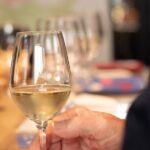
And this is where the tour helps you more than a typical tasting. The guides do not only tell you what to drink. They walk through the pairing logic—how acidity, tannin, and body can soften or sharpen different cheese flavors.
If you enjoy wine, you’ll likely appreciate the structure. One review highlighted that the guide did a strong job of explaining wine differences, including Left Bank and Right Bank styles. Even if your knowledge is basic, that kind of framing gives you handles you can use later when you shop or order.
The pacing, group size, and meeting points that make it easy
This tour runs about 2 hours and keeps the group small, with a maximum of 8 travelers. That matters because you are moving through multiple stops and tasting often. Small group size helps you stay engaged, and it keeps lines and waiting from turning into a buzzkill.
It also has a mobile ticket, so you’re not stuck hunting for paper or last-minute emails on your phone. The tour includes an English-speaking guide, which is a big deal for food and pairing topics, since the best parts are always in the details.
Timing: it starts at 11:00 am and is scheduled so it often doubles as lunch. The route ends at 6 Rue Notre Dame, 33000 Bordeaux. The start is at 27 Rue Camille Godard, 33000 Bordeaux. It’s also listed as near public transportation, which is helpful because Bordeaux can be simple on foot but a bit tight depending on where you’re staying.
A practical note on clothing and comfort: this is still a walk-through neighborhood format. Wear comfortable shoes, especially if you’re visiting during cooler months or on a day when the sidewalks feel a little slick.
Other wine tours in Bordeaux


What’s included: the real value isn’t just the price
The price is $104.53 per person, and the value comes from what you get for that money. Food and wine are included, and that is not a tiny add-on. You’re paying for guided shopping and tasting, plus the actual products from the bakery, fromagerie, and wine shop.
You also get alcoholic beverages included for those 18 and above. If you’re not drinking alcohol, you’ll still have the food components, but you should expect that the pairing discussions are built around wine as part of the learning.
Tipping is not necessary, but it’s appreciated. That tells you the tour operates like a service business rather than a hard-upcharge model.
One more value factor: dietary needs are taken seriously if you indicate them when booking. The guidance in reviews around lactose intolerance and celiac suggests the team can adapt, which is huge for people who usually feel stuck on food tours.
Who should book this tour (and who might want a different style)
This fits best if you want hands-on food learning without a stuffy class vibe. You’ll probably enjoy it if you like:
- Bread and cheese as main interests, not just side bites
- Wine pairings explained with real logic
- Small-group conversation with room for questions
- A Bordeaux neighborhood route that includes actual local food stops
You might choose a different option if you prefer a sit-down restaurant meal with larger portions, because this is built around tasting rounds. Also, if you hate walking between shops, plan for a short neighborhood stroll rather than expecting a fully indoor experience.
If you have dietary restrictions, tell the operator during booking. The tour can accommodate vegetarian needs, and the guide’s ability to work with lactose intolerance and celiac was specifically highlighted in feedback.
Should you book Cheese, Wine, and Bread in Bordeaux?
I’d book this if you want a Bordeaux experience that feels like French food culture, not just a highlight list. The combination is strong: the 1765 oven gives you a story you can see, the fromagerie section teaches you how to taste with intention, and the wine shop pairing ties it together in a way that sticks.
Also, the small group size makes it feel personal. You are not racing through stops. You’re tasting, asking, and learning at a pace that makes sense for a 2-hour format.
If your main goal is a wine-heavy day, this is still wine-focused, but it balances wine with bread and cheese so you get the full table experience. And if you have dietary needs, this tour seems set up to handle them when you communicate clearly in advance.
FAQ
How long is the Cheese, Wine, and Bread tour?
It runs for about 2 hours.
Where does the tour start and end?
It starts at 27 Rue Camille Godard, 33000 Bordeaux, France and ends at 6 Rue Notre Dame, 33000 Bordeaux, France.
What time does the tour begin?
The start time is 11:00 am.
Is a mobile ticket used?
Yes, the tour includes a mobile ticket.
How big is the group?
The tour has a maximum of 8 travelers.
Are alcoholic beverages included, and is there an age requirement?
Yes, alcoholic beverages are included, and only travelers aged 18 and above can be served alcohol.
Can the tour accommodate dietary restrictions?
Yes. Vegetarian dietary needs can be accommodated, and dietary restrictions can be noted when booking.
What’s included in the price?
All food and wine are included, along with an English-speaking guide.
Is tipping required?
Tips for guides are not necessary, but they are appreciated.
What if I need to cancel?
Free cancellation is available up to 24 hours in advance for a full refund.