REVIEW · BORDEAUX
Bordeaux: Guided Walking Tour
Book on GetYourGuide →Operated by OFFICE DE TOURISME DE BORDEAUX · Bookable on GetYourGuide
Bordeaux on foot is one of the smartest ways to start your trip. This 105-minute guided walk through the historic center connects major squares, river views, and architectural clues to the story behind UNESCO. You’ll meet up at the Bordeaux Tourist Office and get a city overview that feels clear, organized, and easy to build on later.
What I like most is how the tour keeps moving while still covering the essentials. Place des Quinconces gives you immediate scale, and the Old Town lanes show a more human Bordeaux than the postcard sites. One possible drawback: the bilingual format can mean you’re sometimes waiting for repeats, and in a larger group you may have trouble hearing if your guide’s voice doesn’t carry.
In This Review
- Key things I found most compelling
- Finding Your Guide at Cours du 30 Juillet
- Place des Quinconces: Bordeaux’s Large-Square Start
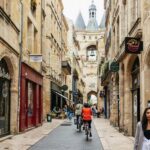
- The Old Town, Narrow Streets, and Small Shops
- Grand Theater and the Story of Planned Bordeaux
- Place de la Bourse Reflecting Pool: The Most Photogenic Detour
- Romantic Garonne Bridges: Where Bordeaux Becomes a Love Song
- Bilingual Timing: How to Choose Morning vs Saturday
- How Long Is Enough Time for Bordeaux?
- Price and Value: What $17 Buys You in Bordeaux
- Practical Notes: Bags, Hearing, and Rain Reality
- Who Should Book This Walking Tour?
- Should You Book This Bordeaux Guided Walking Tour?
- FAQ
- Where does the tour meet?
- How long is the Bordeaux guided walking tour?
- What languages are offered?
- Is the tour worth it if I only have a short time in Bordeaux?
- What’s included in the price?
- What should I bring?
- Are large bags allowed?
- Do I need to arrive early?
- Can I get a refund if my plans change?
- What cancellation window should I keep in mind?
Key things I found most compelling
- Bilingual support when it matters: French/English in the morning, only French on Saturday afternoons
- Big-square Bordeaux: time at Place des Quinconces, one of Europe’s largest squares
- Old Town texture: narrow paved streets and small shops that make the city feel lived-in
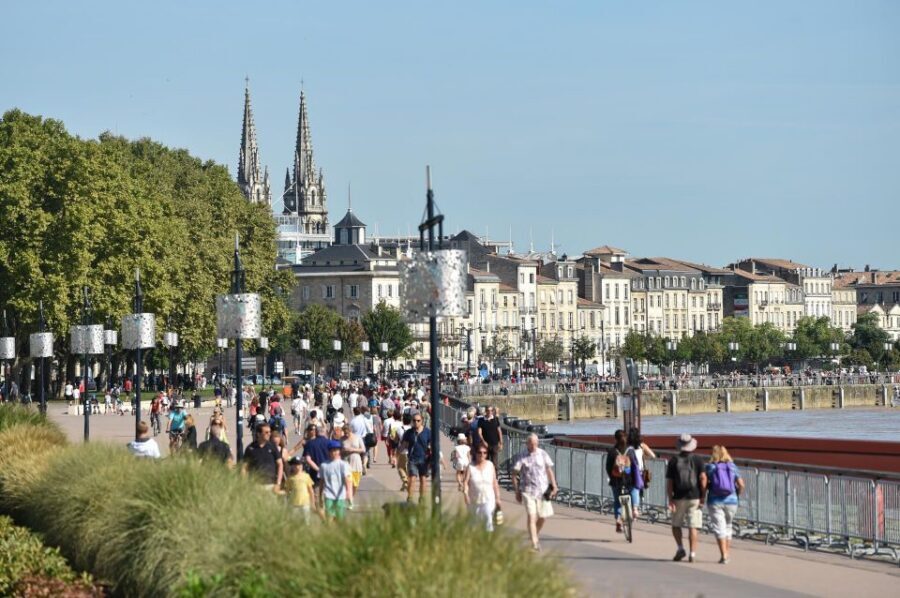
- Bordeaux-at-eye-level views: the reflecting pool at Place de la Bourse and the Garonne bridges
- A tight time window: about 2 hours, so you get orientation without eating your whole day
Finding Your Guide at Cours du 30 Juillet
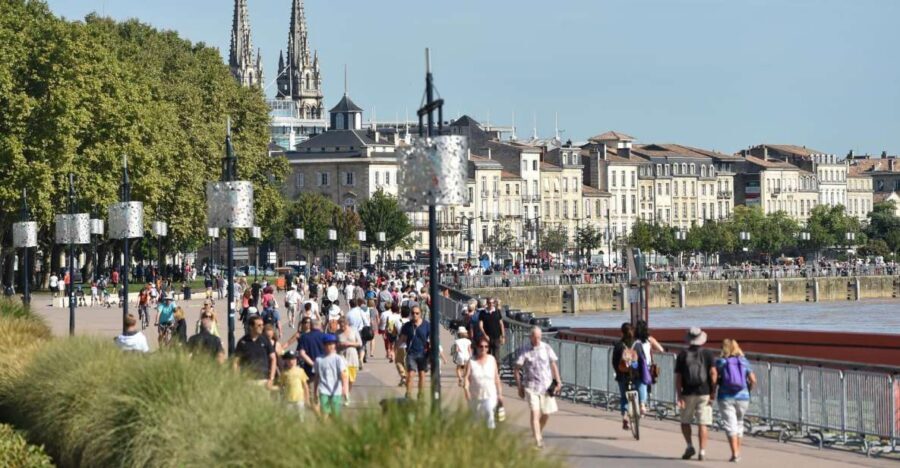
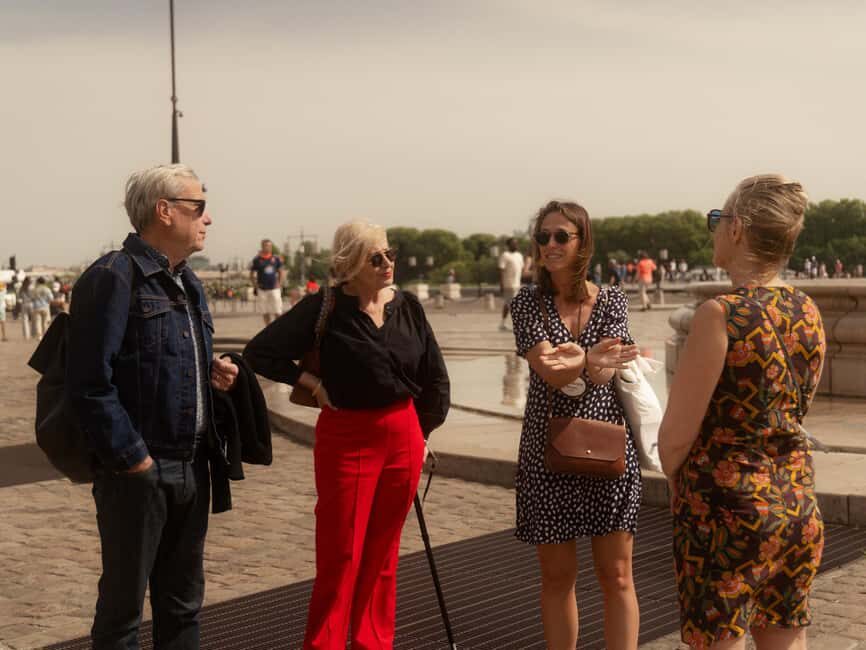
Before you even start walking, this tour has an advantage: the meeting point is straightforward. You’ll meet at the Bordeaux Tourist Office on Cours du 30 Juillet, which keeps you from wandering around trying to match faces to photos.
Show up about 10 minutes early with your printed or downloaded e-ticket for each person. The tour is short enough that being late can throw off the group’s flow, and the first few minutes set the tone. Bring comfortable shoes—this is a walking tour, not a slow roll past monuments.
The guides vary by day, and that’s part of the charm. I’ve seen names like Bruno, Alcides, and Christine tied to strong experiences. Expect a guide who treats the city like a story with plot points, not a list of buildings.
Other Bordeaux walking tours in Bordeaux


Place des Quinconces: Bordeaux’s Large-Square Start
The tour kicks off with one of the city’s key statements: Place des Quinconces. This is not a small plaza where you can casually glance and move on. It’s one of Europe’s largest squares, and standing there is a quick lesson in Bordeaux’s sense of space and ambition.
Here’s the practical value: this stop helps you “read” the rest of Bordeaux. Once you understand the scale of the place—wide avenues, formal edges, and planned urban space—the later narrow Old Town streets hit harder. The square also gives you a clean moment for photos and for catching your bearings before the tour gets more atmospheric.
If you’re the kind of traveler who likes to know what you’re looking at, this is where the guide usually starts the historical thread: Bordeaux’s urban design, how the city developed, and why the historic center earned UNESCO World Heritage status.
The Old Town, Narrow Streets, and Small Shops
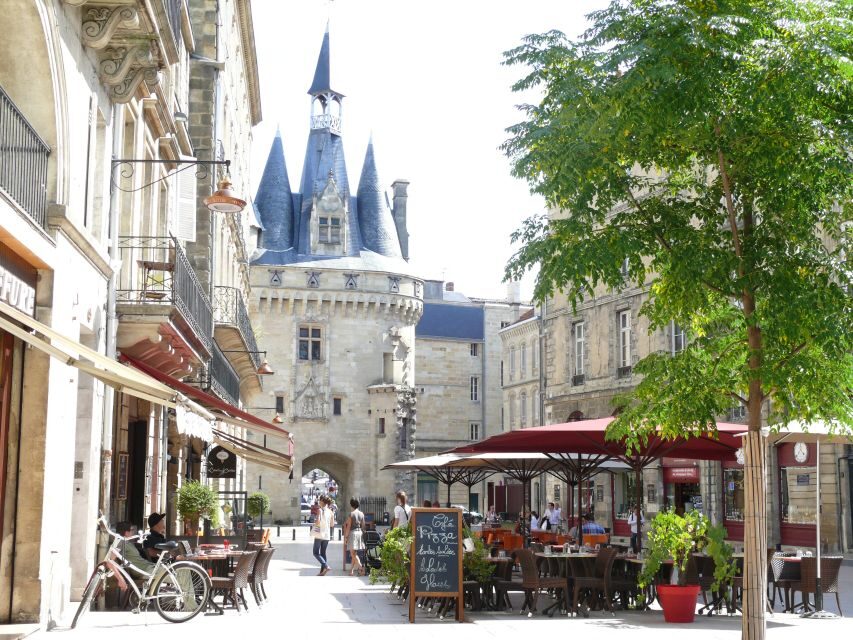
After the big open space, the tour moves into the kind of streets you only get by walking: narrow paved lanes and streets that feel more like neighborhoods than stages.
This part matters for two reasons. First, it shows you the everyday Bordeaux vibe—small shops, compact passages, and the way people actually move through the historic center. Second, it gives context for the architecture. When you see tall facades right up close and understand the street layout, you start noticing details the guide points out: design choices, building lines, and how different areas “fit” together.
You’ll likely hear about the historic planning of the city and the thinkers who influenced its urban landscape. That Enlightenment thread can sound abstract, but on these streets it becomes concrete: you can sense how ideas turned into real public spaces, facades, and city structure.
Grand Theater and the Story of Planned Bordeaux
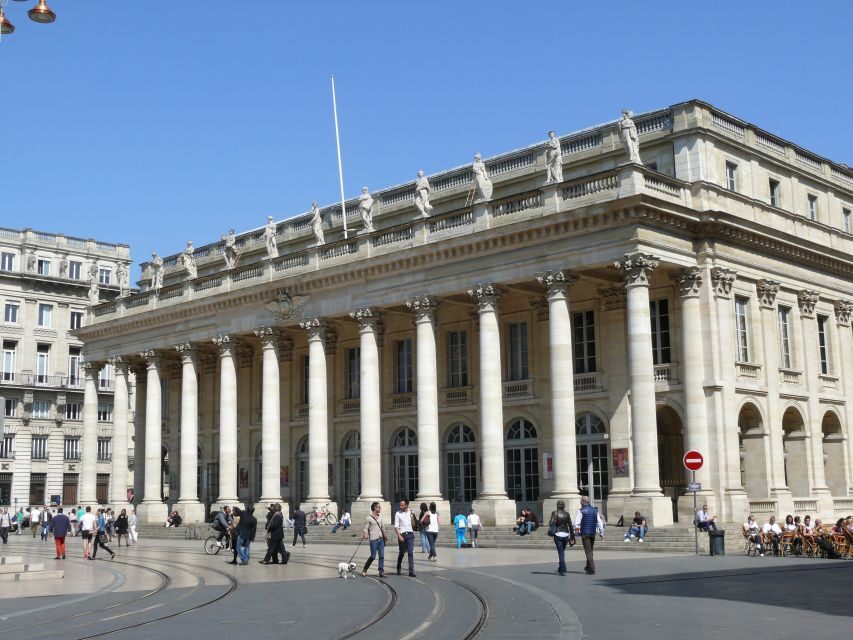
The route generally includes major landmarks tied to the city’s public identity, including the Grand Théâtre area. Even if you don’t go inside, it’s a helpful visual anchor. The theater represents Bordeaux as a city that invested in culture and civic life, not just trade.
This is also where the tour starts connecting “why it looks like this” to “how it became this.” Expect commentary about Bordeaux’s transformation over time, with mention of economic and artistic projects shaping the modern city alongside the historic core.
I like this part because it keeps you from treating old architecture as frozen in time. You learn to see change as a feature, not a distraction: new projects and historic quarters sit side by side, and the guide helps you connect the dots without drowning you in dates.
Place de la Bourse Reflecting Pool: The Most Photogenic Detour
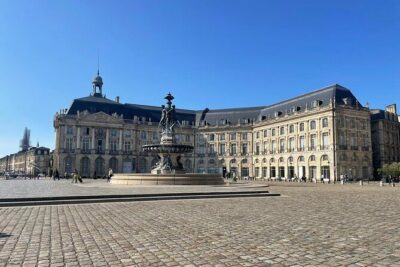
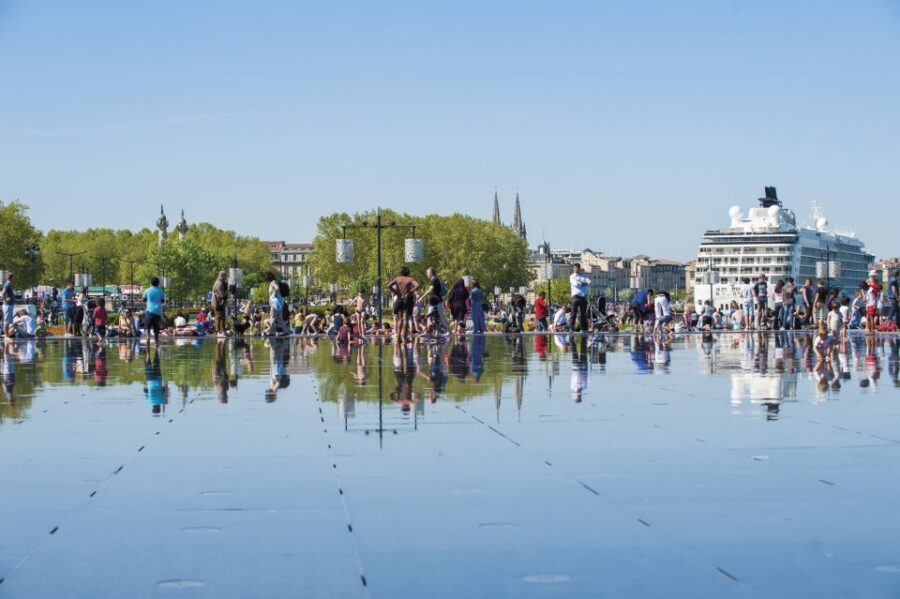
If you’re after a classic Bordeaux view with a twist, you’ll get it at Place de la Bourse and its reflecting pool. This is the kind of stop that makes your camera work without you having to force it.
Why it’s worth your time: the reflecting pool gives you two layers of scenery at once—architecture above and a mirrored version below. It’s also a calm break in the walk. After tight lanes, you get a more open space where you can pause, look, and actually absorb.
The guide often uses this area to highlight how Bordeaux balances formal grandeur with river-connected romance. Even if you’ve seen pictures online, being there lets you understand the layout in real proportions.
Tip: If your group is moving quickly, position yourself early. The best angles are easier to catch when you’re not racing at the last second.
Other walking tours we've reviewed in Bordeaux



Romantic Garonne Bridges: Where Bordeaux Becomes a Love Song
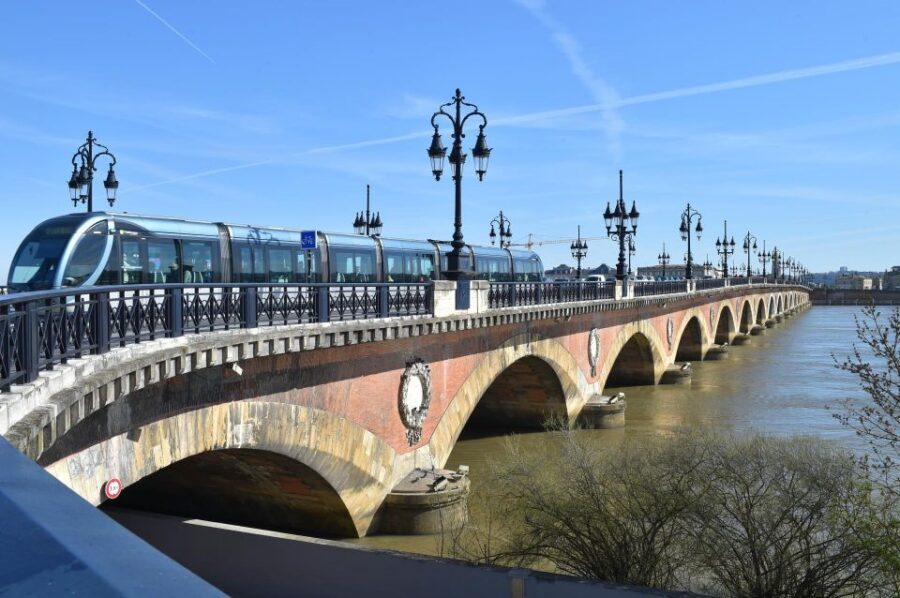
Then comes the river. You’ll see the romantic bridges of the Garonne River, and this is where Bordeaux feels less like an architecture quiz and more like a place you’d want to stroll on a free evening.
This part isn’t just scenery. It’s a reminder that Bordeaux’s prosperity and identity grew from its relationship with the river. The guide’s explanations around urban planning and history help you understand why these river views belong in the story, not as random scenery.
If you’re traveling with someone who likes photos, this is where you’ll both win. It’s also a good moment to ask questions, because the group often has an easy shared focus: the river, the bridges, and what makes this city feel romantic even in everyday light.
Bilingual Timing: How to Choose Morning vs Saturday
Language is where this tour can make-or-break your experience.
The morning tour is bilingual French/English. The afternoon (only on Saturday) is French only. That matters because if you don’t have comfortable French, you’ll feel the difference immediately.
Even within bilingual sessions, guides handle translation in different ways. In some groups, English speakers get extra support when the guide is speaking French first, and guides like Bruno (and others) are praised for repeating key points in English so no one feels left behind.
A reality check: one review note flags that bilingual formats can cut into how much content you absorb, since you might hear the same idea twice. If you’re strongly English-first, you’ll probably enjoy the morning format more.
My advice: if you’re booking for maximum understanding, pick the morning bilingual slot.
How Long Is Enough Time for Bordeaux?
At 105 minutes to 2 hours, this tour sits in the sweet spot for a first walk. It’s long enough to give you a real outline of the city, but short enough that you can still plan your next stop—wine bars, markets, or a self-guided wandering loop.
The pace tends to be “learn while you walk.” The guide usually covers a lot without turning it into a lecture marathon. People also mention the tour feels like the right length, which is important when you’re trying to protect energy for later in the day.
Who it suits best:
- First-timers who want orientation fast
- Travelers who like history but don’t want a 4-hour deep-lecture
- People who want a guided route that still leaves room to explore on your own right after
Possible mismatch:
- If you need very detailed information in one language only, the bilingual approach might not satisfy you as well as an English-only option.
Price and Value: What $17 Buys You in Bordeaux
For $17 per person, this is strong value for a guided experience in a major European city.
Here’s what you’re really paying for:
- A local guide who connects landmarks to a bigger story (UNESCO designation, Enlightenment-era influence, urban planning)
- Efficient routing through major historic areas without you needing to map it yourself
- A short, focused session that helps you “unlock” smarter wandering later
Most self-guided routes can show you the buildings. This tour helps you understand why those buildings and squares matter. That turns your later hours into better listening and better seeing.
One more value angle: the walking tour doesn’t require a big commitment of time. If your budget is tight, spending $17 here can save you more money later by helping you choose what to prioritize.
Practical Notes: Bags, Hearing, and Rain Reality
This tour is simple, but a few rules affect comfort.
- No luggage or large bags are allowed. If you’re carrying a backpack, keep it manageable.
- Bring comfortable shoes. You’ll be on paved streets and in tight spaces.
- The group may use an audio system so you can hear the guide wherever they stand. Some experiences note that sound can cut in and out, which can be worse in heavy rain or if you’re not near the front.
So here’s the common-sense plan: if it’s rainy, keep your ears open and position yourself where you can hear clearly. A short walk can still feel long if the guide is hard to understand.
Who Should Book This Walking Tour?
Book it if you want:
- A high-impact orientation to Bordeaux’s historic center
- Stops that make sense together: big square, Old Town lanes, theater area, Place de la Bourse, and river bridges
- A guide-led route that helps you understand UNESCO-level urban heritage without spending a full day
Skip it or think twice if:
- You need an English-only experience at all costs (Saturday afternoons are French only)
- You’re very sensitive to hearing issues in larger groups
- You want a long, slow museum-style itinerary
Should You Book This Bordeaux Guided Walking Tour?
Yes, I’d book it for most visitors—especially if you choose the morning bilingual slot. For $17, you get a guided “map in your head” built from real streets and real landmarks: Place des Quinconces, the Old Town fabric, Place de la Bourse’s reflecting pool, and the Garonne bridges that give Bordeaux its romantic reputation.
The only thing to watch is language timing and your ability to hear well in a moving group. If you plan around that, this tour does exactly what a great first walk should do: it makes you feel oriented, curious, and ready to explore the city under your own feet.
FAQ
Where does the tour meet?
You meet at the Bordeaux Tourist Office on Cours du 30 Juillet.
How long is the Bordeaux guided walking tour?
It runs about 105 minutes to 2 hours.
What languages are offered?
The tour is available in English and French. The morning is bilingual French/English, while the Saturday afternoon option is French only.
Is the tour worth it if I only have a short time in Bordeaux?
It’s a good fit if you want a solid overview in around two hours, covering major historic areas and how they connect to Bordeaux’s UNESCO status.
What’s included in the price?
The tour includes a live guide and the walking tour.
What should I bring?
Bring comfortable shoes.
Are large bags allowed?
No. Luggage or large bags are not allowed.
Do I need to arrive early?
Yes. You should arrive 10 minutes before departure, and you need to present your downloaded or printed e-ticket for each person.
Can I get a refund if my plans change?
Yes. There is free cancellation up to 2 days in advance for a full refund.
What cancellation window should I keep in mind?
Cancel at least 2 days before the tour date to get a full refund.