REVIEW · BORDEAUX
Taillan-Médoc: Château Visit and Wine Tasting in Bordeaux
Book on GetYourGuide →Operated by Timonfaya Travel Lanzarote · Bookable on GetYourGuide
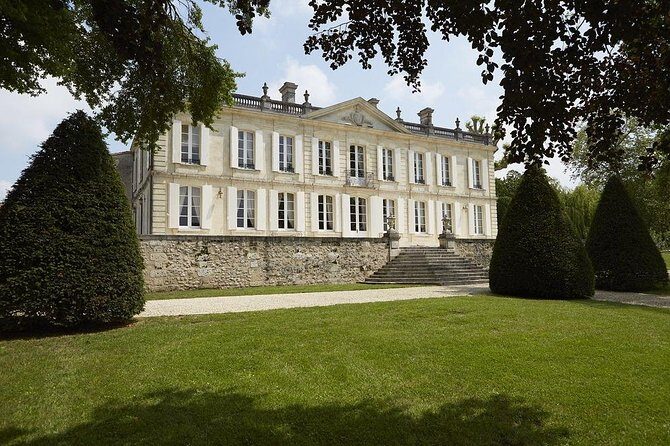
If you like wine with a sense of place, start here. At Château du Taillan, you get a tight, one-hour look at historic cellars and the vat room where red, white, and rosé are made. The big plus for me is how the tour turns winemaking into something you can actually picture.
I especially enjoy the guided walk through cellars dating back to the XVI century, followed by a practical explanation of how the wines are aged with older, traditional methods. One possible drawback: it’s only an hour, and you taste just two wines, so you’ll want a plan for food and more bottles after.
After the cellars and vats, you finish at the boutique and savor 2 local wines, which is a great way to end without dragging it out. The English guidance seems to matter a lot here, and names like Naomi and Pamela show up in reviews for being clear, friendly, and good at keeping explanations understandable even when English isn’t everyone’s first language.
In This Review
- Key things I’d underline before you go
- Château du Taillan in Taillan-Médoc: a family-château visit with real bones
- The 1-hour plan: cellars, vat room, then two wines at the boutique
- Walking through XVI-century cellars (and why that matters)
- The vat room lesson: red, white, and rosé in plain language
- Boutique tasting: comparing two local wines without getting rushed
- Price and value: why $38 for a 1-hour château visit can make sense
- Getting there from Bordeaux: tram and bus routes that don’t waste your time
- Should you book this Taillan-Médoc château and tasting tour?
- FAQ
- How long is the Château du Taillan visit and tasting?
- What is included in the price?
- Is hotel pickup or drop-off included?
- Is food included?
- Where do I meet the group?
- What language is the tour hosted in?
- What wines are tasted?
- Are there multiple vintages involved in the tasting?
- How do I get there from Bordeaux using public transportation?
- What are the cancellation and booking options?
Key things I’d underline before you go
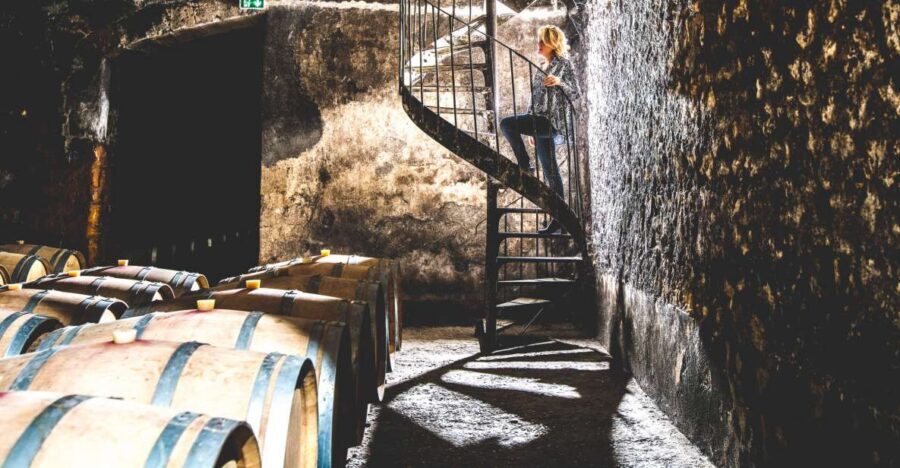
- XVI-century cellars: You’ll see storage spaces that have real historic-monument status behind them.
- Vat room focus: You learn the basics of making red, white, and rosé, not just tasting.
- Ancestral aging methods: The tour points out how traditional aging still plays a role.
- 2-wine boutique tasting: Short and satisfying, with a chance to compare vintages.
- English-speaking guide: Reviews highlight guides who stay patient and clear.
Château du Taillan in Taillan-Médoc: a family-château visit with real bones
This tour gives you a more grounded kind of Bordeaux-region experience. You’re not just standing in front of a production brochure. You’re walking through spaces that were built for storage and work—spaces that still shape how wine ages.
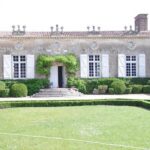
Château du Taillan is the kind of stop that works best when you want authenticity over performance. It’s family-run, and the visit centers on the working side of the winery: cellars, then the vat room, then a small boutique tasting. That sequence matters. It keeps you from thinking wine is magic dust. By the time you taste, you’ve been shown where the wine spends time and what the winemaking steps are trying to achieve.
You’ll also get a bit of broader context while you’re there. The tour description includes background on how Burgundy is made. You won’t be sent to Burgundy, of course, but you’ll likely hear comparisons that help you understand why styles differ across French regions.
Other château-visit wine tours in Bordeaux
The 1-hour plan: cellars, vat room, then two wines at the boutique
Expect a focused flow with minimal waiting around. You meet at Château du Taillan, and the tour keeps you moving through the winery’s key spaces.
Here’s what the visit looks like in plain terms:
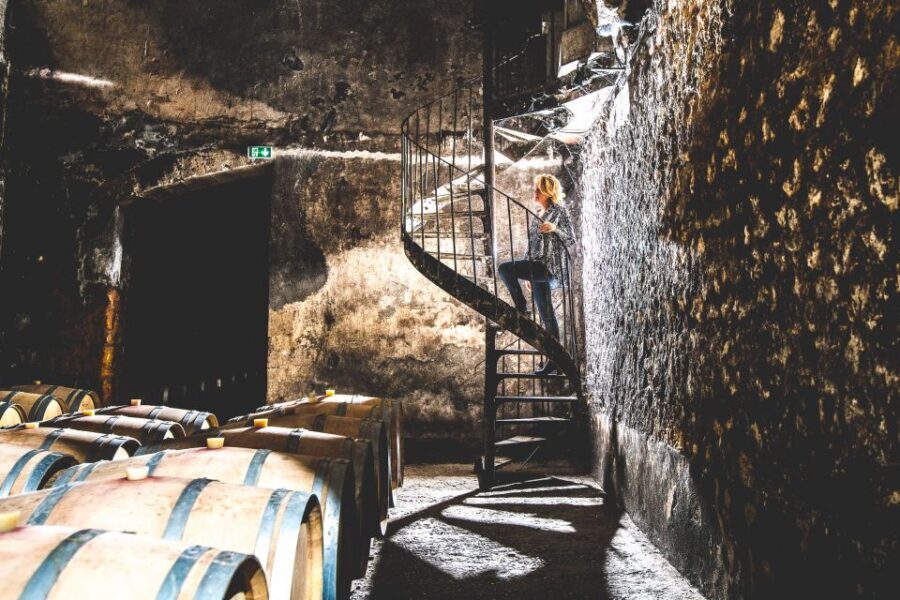
- Guided cellar tour with stops that explain storage and aging.
- A move to the vat room, where the guide talks through how red, white, and rosé are made.
- A final stop at the boutique, where you taste two local wines.
Why this structure works: it turns tasting into a “follow-the-process” experience. Instead of tasting first and learning later (which can make the wine blur together), you learn the basics of production first. Then your senses get something to grab onto.
The pace is quick. That’s not a criticism—it’s part of the value. You can fit this into a travel day without rearranging your whole schedule. Just remember the tradeoff: you won’t leave full, and you won’t leave with a deep tasting flight of many vintages.
Walking through XVI-century cellars (and why that matters)
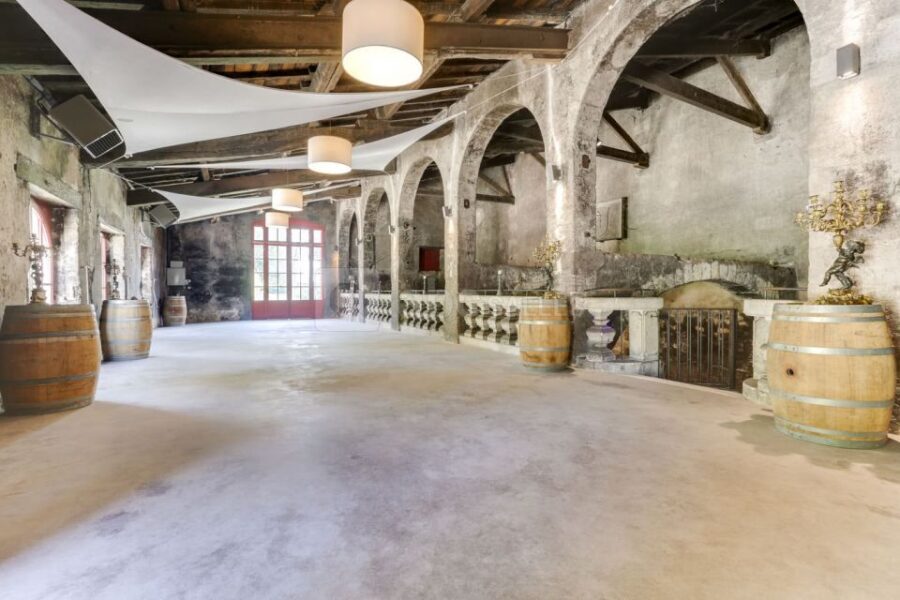
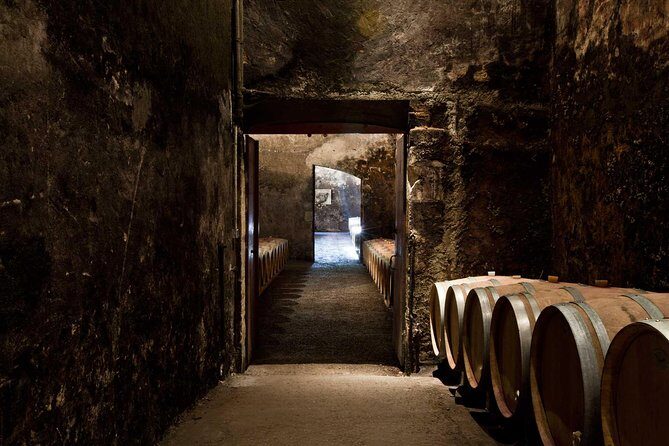
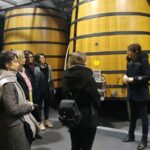
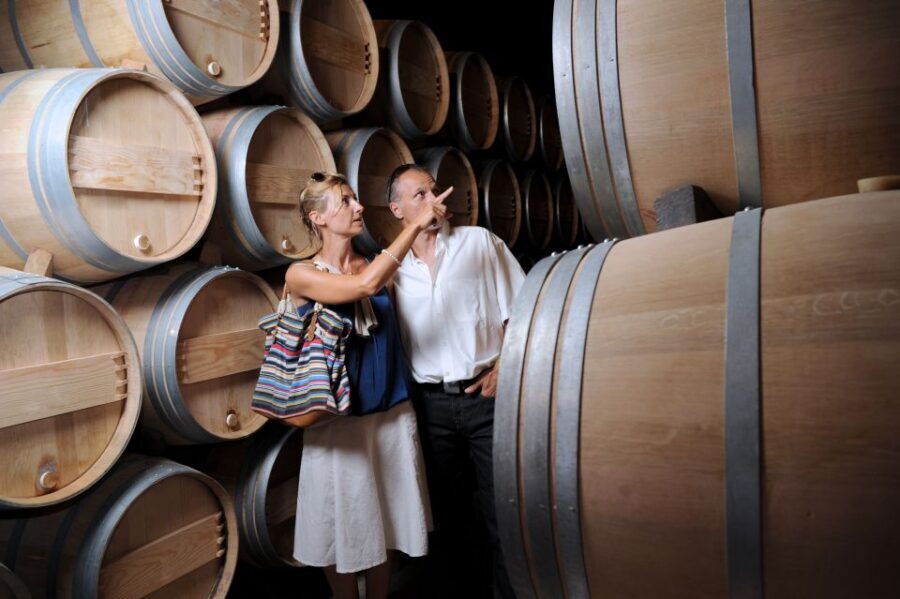
When you step into the cellars, the point isn’t just that they’re old. It’s what old storage conditions do for wine. The tour takes you through cellar spaces that date back to the XVI century, and they’re described as classified as historic monuments. In practical terms, that’s a strong sign you’re seeing architecture and storage meant for long-term aging—not temporary display rooms.
In these kinds of cellars, the temperature and airflow tend to be stable compared with the outside world. That stability is a big deal for aging, even when you’re using modern tools elsewhere in production. The tour also connects the setting to technique by describing how wines are aged with ancestral methods. You don’t need a chemistry degree to appreciate this. If you can picture wine slowly developing in a space built for patience, the tasting at the end feels more meaningful.
One more reason I like this stop: it’s visual. You can see where the wine is stored and how the winery’s layout supports aging. That beats listening to a lecture from behind glass.
Practical tip: cellars can feel cooler than the street. Bring a light layer so you don’t spend the whole tour shivering and rushing. You’ll enjoy the explanations more.
The vat room lesson: red, white, and rosé in plain language
Next comes the vat room, and this is where the tour earns its keep. You’re not only told where wine rests; you’re shown how it’s made. The guide reveals the secrets of the process for red, white, and rosé, which is a useful way to understand why these styles taste different even when they come from the same general growing region.
Here’s what you should take away from a good vat-room explanation: fermentation and handling decisions affect color, aroma, and texture. You’re learning what changes between styles, and that helps you taste with more intention later.
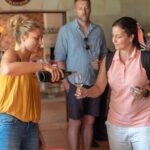
Also, this is where the best guides shine. Reviews mention guides who are warm and clear—people like Naomi and Pamela stand out for explaining in a way that stays understandable. If English isn’t your first language, that kind of careful guidance is extra reassuring. I’d treat it as a sign: this isn’t a rushed, jargon-heavy stop.
One small consideration: the tour is still one hour total, so you won’t get a full course. You’ll leave knowing the core concepts and enough vocabulary to sound like you’ve been around wine before lunch.
Boutique tasting: comparing two local wines without getting rushed
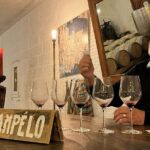
The finale is the boutique, where you savor two local wines. This is the part that most people remember because it’s the part that involves your palate, not just your feet.
Two wines is a smart number for a short tour. It’s enough for comparison—especially if the wines come from different vintages—and it keeps the tasting from turning into a blur. It also makes it easier to follow the guide’s cues. If the guide talks you through what to look for (aroma, balance, texture), you’ll be able to connect those hints to each pour.
How to get more out of the tasting:
- Slow down your first sip. Let the first wine land before you compare.
- When you taste the second one, ask yourself what changed: fruit, acidity, tannins, or finish.
- If you want to buy a bottle, pay attention to what you liked for the simplest reason (soft and round vs. more structured, for example). That’s often the best predictor of a bottle you’ll actually enjoy later.
Since food isn’t included, treat the tasting as a “wine moment,” not a meal. If you get hungry on tour days, plan something simple nearby afterward.
Other Médoc wine tours in Bordeaux


Price and value: why $38 for a 1-hour château visit can make sense
At around $38 per person for a 1-hour experience, the price sits in the “short and focused” category. You’re paying for three things:
- Entry to a working winery visit (not a parking-lot photo stop).
- A guided walkthrough that includes both cellars and the vat room.
- A tasting of two wines.
That’s a lot of value packed into a small time window. If you’ve done longer winery tours that include a big meal or multiple tastings, you’ll notice those cost more and take more time. Here, you’re choosing efficiency. You can fit it into a day in the Bordeaux area and still come away with a real sense of process.
Is it the best choice if you want a long, slow, educational wine seminar? Probably not. The tour is intentionally brief. But for most people—especially first-timers in the Médoc—it’s a strong deal because you get the full story arc: storage → making → tasting.
Getting there from Bordeaux: tram and bus routes that don’t waste your time
You meet at Château du Taillan, and the tour doesn’t include hotel pickup or drop-off. So your success depends on getting to the meeting point efficiently.
From Bordeaux by public transport, you have a few workable options:
- Bus 2 toward Taillan-Médoc
Get off at Pargaud, then walk about 10 minutes.
- Tram C toward Blanquefort rail station, then bus 37 toward Boetie
Stop at Dame Blanche 5, then walk about 5 minutes.
- Tram D toward Cantinolle, then bus 2 toward Taillan-Médoc
Stop at Pargaud, then walk about 10 minutes.
Practical advice: give yourself a little buffer. These connections can be straightforward, but you don’t want to arrive sprinting into a cellar. If you’re carrying a camera bag, keep it zipped and easy—crowds in transit are usually where people lose time.
Should you book this Taillan-Médoc château and tasting tour?
I’d book it if you want:
- A quick, structured winery visit that includes both cellars and the vat room
- An English guide who can explain the process clearly (reviews single out guides like Naomi and Pamela for that)
- A simple tasting payoff: two local wines in a boutique setting
I wouldn’t book it if you’re expecting:
- A long tasting with many wines
- A full food experience (food isn’t included)
- A deep, hour-plus immersion where you spend most of your time sitting with a sommelier
If you’re visiting the Bordeaux area and you want one château stop that feels authentic without eating your whole day, this is a very workable choice.
FAQ

How long is the Château du Taillan visit and tasting?
The tour lasts about 1 hour.
What is included in the price?
You get a winery tour and a tasting of 2 wines.
Is hotel pickup or drop-off included?
No, hotel pickup and drop-off are not included.
Is food included?
No, food isn’t included.
Where do I meet the group?
Please meet at Château du Taillan.
What language is the tour hosted in?
The tour is conducted in English.
What wines are tasted?
You’ll taste 2 local wines at the end in the boutique.
Are there multiple vintages involved in the tasting?
The tour description indicates you’ll savor 2 vintages in the boutique.
How do I get there from Bordeaux using public transportation?
You can take bus 2 toward Taillan-Médoc and get off at Pargaud, then walk about 10 minutes. There are also options using Tram C or Tram D followed by buses, with short walks from the stated stops.
What are the cancellation and booking options?
You can cancel up to 24 hours in advance for a full refund, and you can reserve and pay later to keep plans flexible.