REVIEW · BORDEAUX
Bordeaux: 3.5-Hour Old Town and Market Food Tour
Book on GetYourGuide →Operated by Original Food Tours · Bookable on GetYourGuide
Bordeaux has a way of getting under your skin. This Old Town and market food tour pairs gorgeous streets with bite-size tastings, so you get the city’s food culture and street-level history in one go. I like that it’s built around real specialties, from foie gras and canelé-style treats to the kind of everyday eating you’d expect in southwest France (and 8 stops means constant momentum).
My favorite part is the mix: a market discovery followed by tastings that actually reflect Bordeaux’s identity, including wine and classic cured-meat, cheese, chocolate, and patisserie stops. One drawback to keep in mind: at least one booking was cancelled early in the morning (8:00am), so it pays to stay flexible if your schedule is tight.
In This Review
- Key things that make this tour worth your time
- Why Bordeaux food culture makes walking tours feel personal
- Old Town streets in a 210-minute loop (what you’ll actually get)
- Market discovery: the fastest way to understand what locals buy
- Wine tasting: how Bordeaux ties the glass to the city
- The savory middle: foie gras, classic bites, and balance
- Chocolate and patisserie stops: where the trip turns sweet
- The secret tasting: why the last surprise usually sticks
- Price and value: is $141 per person a fair deal?
- Guide impact matters: Margot is a name to watch for
- Logistics that can affect your day (the real-life part)
- Who this tour is perfect for (and who should pick another option)
- Should you book this Bordeaux food tour?
- FAQ
- Where is the meeting point?
- How long is the tour?
- Is the tour guide available in English?
- What tastings are included?
- Is the tour wheelchair accessible?
- Can I cancel and get a full refund?
Key things that make this tour worth your time
- 8 tasting moments across market, wine, cured meats, cheeses, sweets, and a secret stop
- Old Town + market combo so you connect street sights to what people buy and eat
- English live guide with story-driven context about daily life and food culture
- Wine tasting included so you’re not just grazing on food
- Guide names show up in feedback: Margot is highlighted for detailed explanations
- Value is good, but pacing may matter if you dislike repeats or want tighter variety
Why Bordeaux food culture makes walking tours feel personal
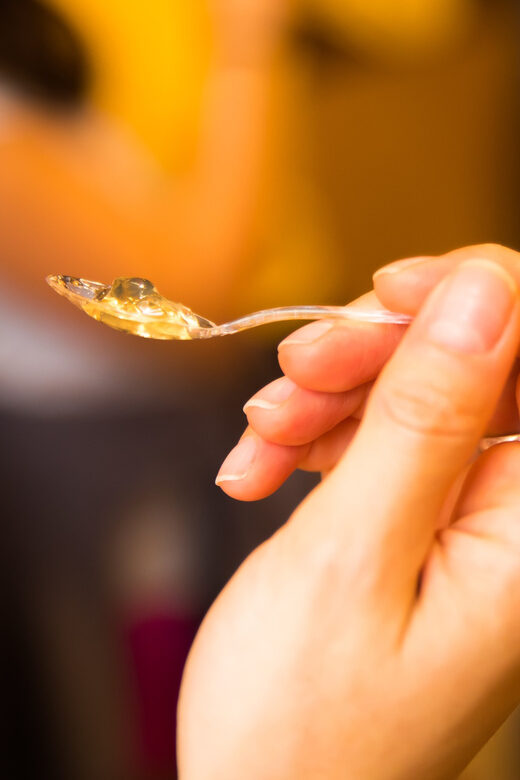
Bordeaux isn’t only about wine barrels and postcard facades. It’s a city where eating is part of the rhythm—markets are social, and food traditions have regional rules that you won’t get by reading a menu alone.
That’s why this 3-hour Old Town and market format works. You’re moving at a walking pace, but you’re also stopping often enough to feel like you’re having a real food conversation, not doing a museum circuit. The guide ties bites to place and tradition, which turns random alleyways into something meaningful.
And the food focus is practical. Bordeaux specialties like foie gras (including the local cooking technique), canelé (rum-flavored pastry), and the Bouchon de Bordeaux concept (a restaurant style tied to Lyonnaise cuisine) aren’t just name-drops. They’re the kind of regional context that helps you order with confidence later—whether you’re doing lunch on your own or returning for dinner.
Other Bordeaux food tours in Bordeaux


Old Town streets in a 210-minute loop (what you’ll actually get)
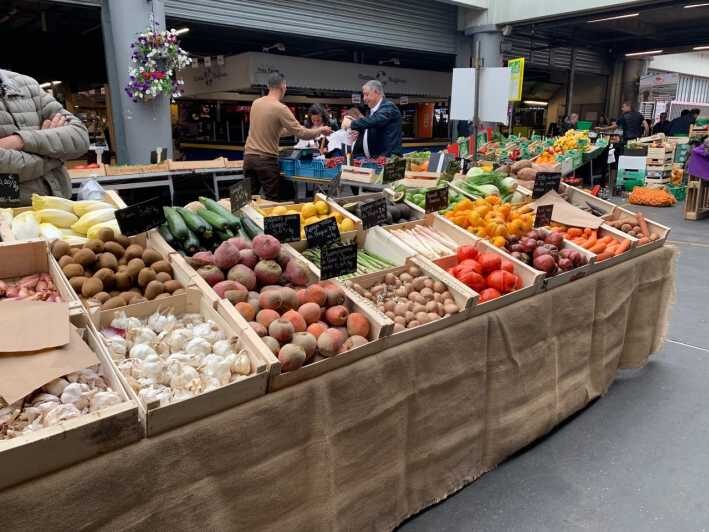
The tour is scheduled for 210 minutes, which is a sweet spot for Bordeaux. Long enough to feel like you’ve crossed “more than a couple blocks,” short enough that you still have energy afterward.
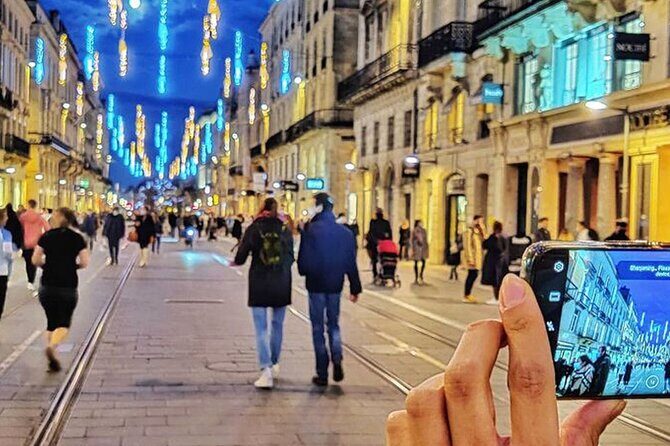
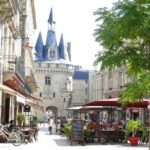
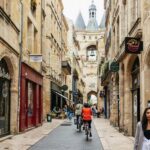
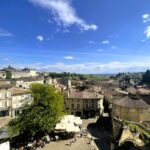
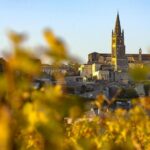
You’ll start by meeting at 17 Place Meynard, 33000 Bordeaux. From there, the route is designed to put you in the Old Town environment first—historic building density is a signature here, and Bordeaux has one of the highest numbers of preserved historical buildings in France. That matters because it changes how the city feels. Streets don’t look like a modern backdrop; they look like a lived-in backdrop.
A helpful way to think about the pacing: if you’re the type who likes to stop and look up, this kind of tour rewards that. You’re not sprinting between photo points. You’re tasting and talking while you walk.
What to watch out for: bring comfortable shoes. With a market stop plus multiple tastings, you’ll be on your feet more than you might expect for “only” three hours.
Market discovery: the fastest way to understand what locals buy
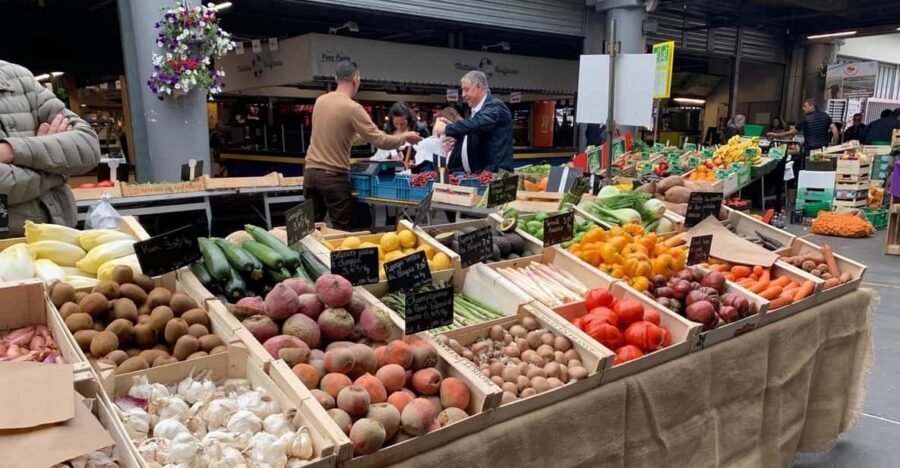
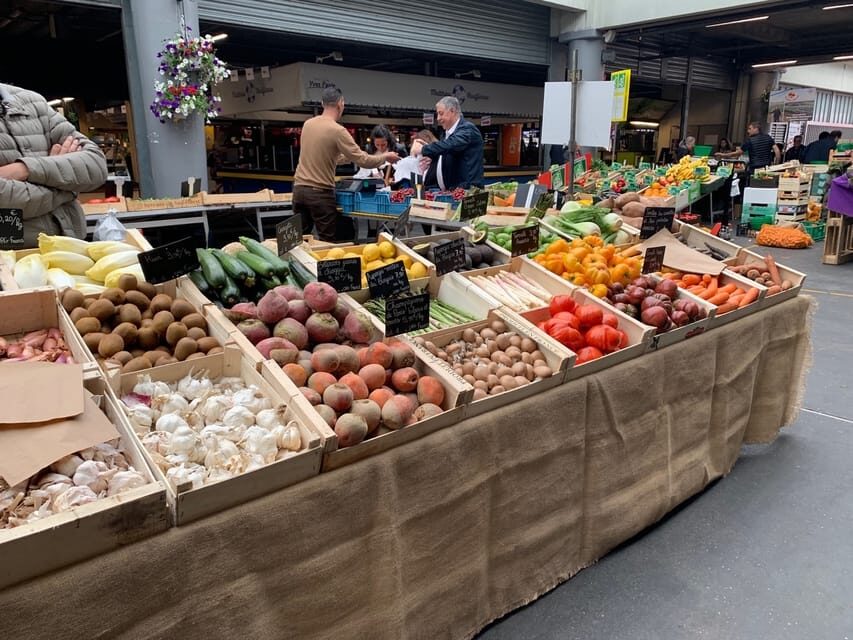
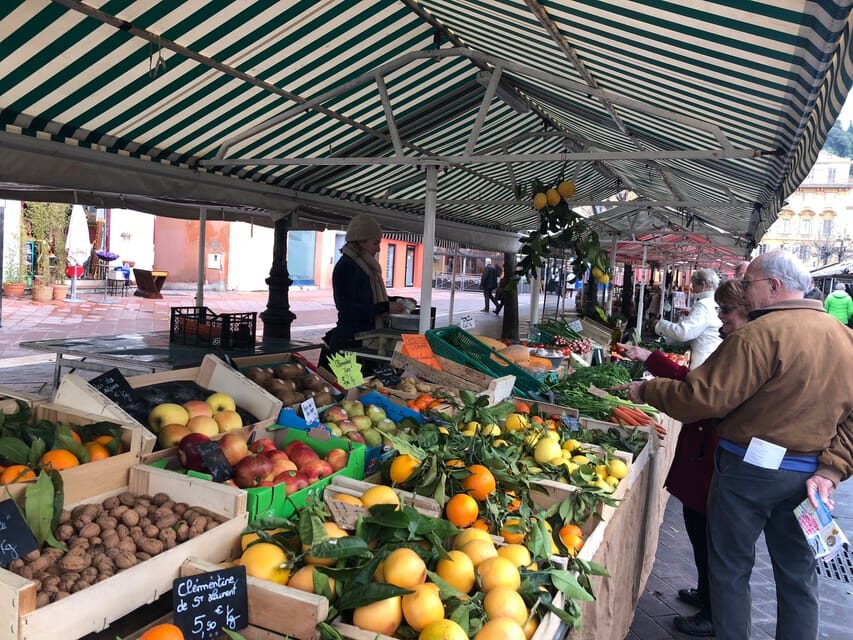
One stop is explicitly built around market discovery, and this is where the tour usually pays off for you most.
Markets do two jobs at once:
1) They show what’s seasonal and practical.
2) They show what people eat when they’re not thinking about tourism.
So when your guide talks you through the food culture, it has context. You’re not just tasting—you’re learning how ingredients behave in the local world: cured meats, cheeses, and small bites that make sense for a market lunch.
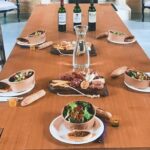
The tour includes cured meat and cheeses as part of the tastings. In a market setting, those categories make sense because you can connect the dots: what you taste has a clear origin, and it matches what you might see for sale in the same type of stalls. Even if you don’t leave with a shopping list, you’ll leave with better food instincts.
Tip for you: pace yourself. If you take small bites and sip water between tastings, you’ll enjoy everything more—especially later when you hit the sweets.
Wine tasting: how Bordeaux ties the glass to the city
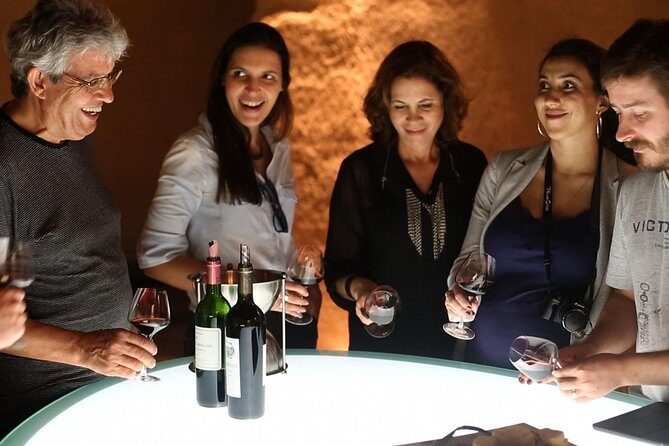
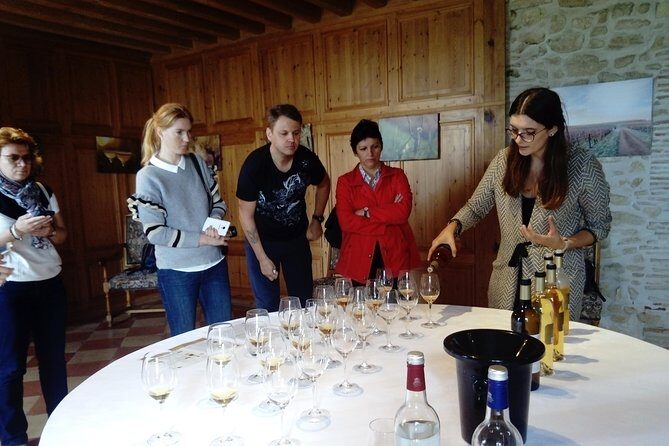
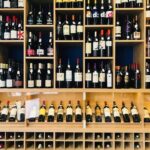
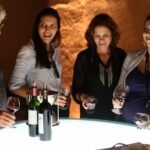
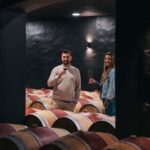
This tour includes wine tasting, and that’s the other big reason it works beyond being a “snack walk.”
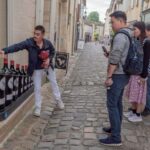
Wine in Bordeaux isn’t a side topic. It’s part of how locals organize meals, conversation, and celebration. When a guide connects what you’re tasting to regional culture, it also helps you understand why Bordeaux food pairs the way it does—fatty, savory items like cured meats and rich preparations like foie gras tend to call for structured wine choices.
You don’t need to be a wine expert to benefit. The value here is that wine tasting is part of a broader story: Old Town streets, market foods, and the regional specialties that show up on plates.
If you’re doing this tour early in your trip, you’ll also be better prepared to order wine later. If you’re doing it mid-trip, you’ll likely find you’re noticing details more confidently—because you already learned the logic behind the choices.
The savory middle: foie gras, classic bites, and balance
The tour highlights Bordeaux’s famous foie gras tradition and the local cooking technique associated with it. That matters because foie gras is one of those foods where the method changes the experience as much as the ingredient.
Even without getting overly technical, a good food guide helps you notice texture, richness, and how the food is built to be eaten in a balanced way—often with supporting flavors and pairing-minded choices.
The tour also includes local delicacies, plus a structured series of tastings (cured meat, cheeses, and more). The takeaway for you: you’re not just getting a random assortment. The savory sequence is meant to walk you toward what Bordeaux does best—rich flavors that still feel purposeful, not heavy for the sake of it.
One consideration: there’s feedback that the value for money could be improved and that certain food types could be combined for a better experience. Translation for you: if you’re hoping for maximum variety across everything, be aware that the tour may repeat categories in slightly different forms. That doesn’t mean it’s bad. It just means you’ll enjoy it most if you like “theme-based” tasting.
Other food & drink experiences in Bordeaux

Chocolate and patisserie stops: where the trip turns sweet
Bordeaux’s sweets have personality, and this tour includes multiple categories to match that.
You’ll hit chocolate and patisseries stops. And the city’s signature pastry, canelé (rum-flavored), is part of the tour’s food identity. Even if you’re not sure what canelé is before you start, the guide’s job is to explain the cultural place it holds—so you don’t taste it like a standalone cookie. You taste it as a Bordeaux thing.
This sweet stretch is where the tour becomes feel-good fast. You’re walking, learning, and then suddenly you get the payoff: caramelized notes, rich pastry texture, and flavors that linger. It’s also the moment where pacing matters most. If you try to brute-force everything, you’ll start to feel overloaded instead of delighted.
The secret tasting: why the last surprise usually sticks
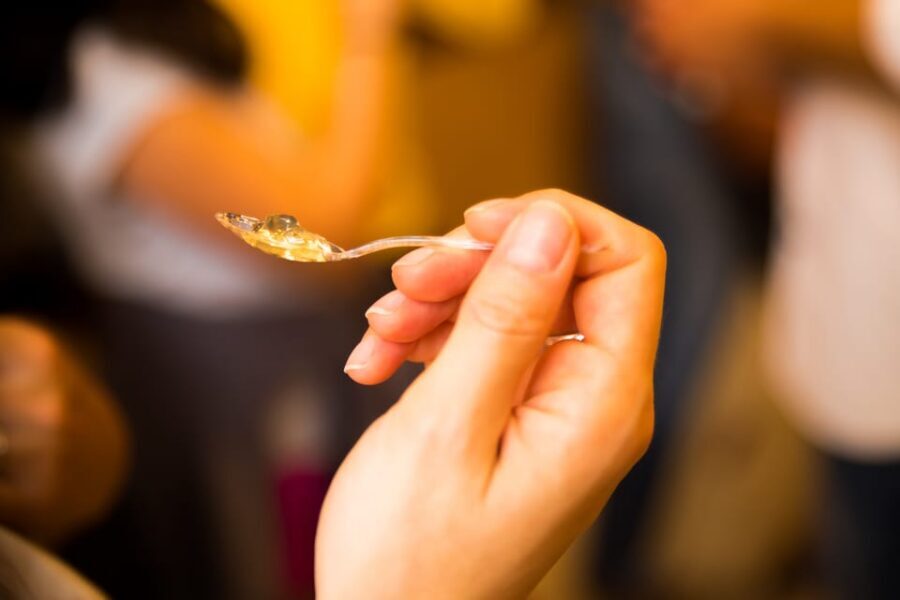
There’s also a secret tasting stop. That phrase is doing real work here. A “secret” tasting is often used to keep the tour fun and unpredictable, but it also signals something else: the guide is saving a standout moment for later.
Since the tour includes a broad set of tastings—wine, cured meats, cheeses, chocolate, patisseries, and local delicacies—this final surprise likely helps the whole experience feel complete. You don’t just finish on a predictable note. You finish with a last, memorable bite that makes the earlier stops click together.
Practical advice for you: treat the secret tasting as your “slow down” moment. If the guide offers instructions, listen. Take smaller bites. This is the part you’ll remember when you plan where to eat next.
Price and value: is $141 per person a fair deal?
The price is $141 per person for about three hours and 8 stops. To judge value, look at what’s included rather than the headline number.
Included tastings cover a lot of ground: wine tasting, cured meat, cheeses, chocolate, patisseries, local delicacies, and a secret tasting—plus the market discovery component and guide-led history. In a city where you might otherwise pay for individual tastings and a paid guide separately, this bundled format can feel like a smart shortcut.
That said, one piece of feedback points out that value for money could be improved, and that combining certain food types could make the experience tighter. If you’re a “max variety” foodie, that’s worth factoring into your decision.
My balanced take: this tour is best if you’re there for guidance—someone to explain why Bordeaux eats the way it does. If you already know every Bordeaux food tradition and you’re only chasing the cheapest calories, you may feel the cost more sharply.
Guide impact matters: Margot is a name to watch for
One review specifically calls out a guide named Margot for doing an excellent tour, with lots of interesting information and details about daily life and the drinking and eating culture in Bordeaux. That tells you something important about the tour design: the guide isn’t only handing you food; they’re shaping how you understand it.
For you, that means the tour isn’t just a checklist of tastings. It’s meant to turn Bordeaux’s specialties into lived culture—how people talk, eat, and build meals in the region.
If you care about story and context, this is a major selling point.
Logistics that can affect your day (the real-life part)
The tour is English, live guided, with private or small groups available, and it’s wheelchair accessible. You’ll want to plan like a walker: comfortable shoes matter.
One practical note: you might see an early-morning cancellation report from a past booking. I can’t predict that for your dates, but it’s a good reminder to keep your schedule flexible if you can. If your trip is extremely tight, consider booking something you can shift around.
Also, there’s no hotel pickup and drop-off listed. So you’ll start at the meeting point and handle your own way there. That’s normal, but it’s worth factoring in your travel time.
Who this tour is perfect for (and who should pick another option)
This tour is a strong fit if you:
- Want a guided Old Town + market experience in one package
- Enjoy regional specialties like foie gras and canelé
- Like tasting your way through a city with wine included
- Prefer learning through food instead of reading museum placards
You might choose a different option if you:
- Strongly dislike certain categories (for example, if you already know you won’t eat cured meats or rich preparations)
- Want a strictly “different flavor every stop” experience; this tour can follow food themes
- Need something that never changes on the day—because any tour can face real-world scheduling issues
Should you book this Bordeaux food tour?
If you’re deciding whether it’s worth your time, book it if you want Bordeaux to feel like more than scenery. The structure—Old Town walking, a market focus, wine tasting, and multiple food categories—creates a smooth chain from street to plate. And when the guide brings the kind of detail highlighted in feedback (Margot is named for a reason), you get context that helps you eat better during the rest of your trip.
I’d skip or reconsider if your priorities are purely budget-driven or you prefer to set your own route with a list of specific restaurants.
For most visitors, this is a smart way to spend a half-day: you get tastings, you get history in plain language, and you leave with a stronger sense of how Bordeaux tastes when the locals are doing what they do.
FAQ
Where is the meeting point?
The tour meets at 17 Place Meynard, 33000 Bordeaux, France.
How long is the tour?
The tour duration is 3 hours (listed as 210 minutes).
Is the tour guide available in English?
Yes, the live tour guide speaks English.
What tastings are included?
The tour includes wine tasting, cured meat, cheeses, chocolate, patisseries, local delicacies, and a secret tasting.
Is the tour wheelchair accessible?
Yes, the tour is wheelchair accessible.
Can I cancel and get a full refund?
Yes. Free cancellation is available up to 24 hours in advance for a full refund.