REVIEW · BORDEAUX
Bordeaux Wine and Trade Museum Admission Ticket with Wine Tasting
Book on Viator →Operated by BORDEAUX HISTORIA VINI MUSEE DES NEGOCIANTS · Bookable on Viator
Old cellars teach wine trade fast.
In Bordeaux, this ticket takes you to the Musée du Vin et du Négoce, housed in a building tied to the Louis XV-era wine brokers, with vaulted rooms and cellar spaces that date back to the 1700s. I love the way the museum doesn’t just talk about wine flavors. It explains the business behind how Bordeaux wine moved, down to the coopers’ work and the trade networks that shaped what got aged and shipped.
The second thing I like is the included tasting at the end. You sample two wines—Merlot and Cabernet Sauvignon—and you’re guided on how to spot key differences, plus what makes a merchant wine different from a chateau wine. The staff also seems happy to answer questions, which turns a short tasting into something you can actually use.
One drawback to factor in: the museum is in old cellar-style spaces. If you’re sensitive to humidity or a musty smell, you may find the setting less comfortable than more modern, high-tech venues. Also, plan on reading and using the on-site materials for the main story—this isn’t a full guided museum tour from start to finish.
In This Review
- Key Highlights You’ll Want to Hit
- Why the Wine and Trade Museum Feels Different Than Cité du Vin
- The 1700s Cellars: Musee Du Vin Et Du Negoce in a Royal Broker Building
- Self-Guided and English-Friendly: How to Get the Most Out of Your Time
- The Included Wine Tasting: Merlot and Cabernet Sauvignon, Explained Simply
- Merchant vs Chateau: The Detail That Changes How You Read Bordeaux Labels
- Price and Value: Is This Ticket Worth It?
- Practical Tips for a Smoother Visit
- Who Should Book This Bordeaux Wine and Trade Museum Ticket
- Should You Book This Wine and Trade Museum Ticket?
- FAQ
- What is included with the Bordeaux Wine and Trade Museum ticket?
- Which wines are tasted?
- How long does the experience take?
- Is the experience offered in English?
- Is food included?
- How often is it offered during the day?
- When is the museum open?
- Where is it located in relation to transport?
- How far in advance should I book?
- Can I get a refund if my plans change?
Key Highlights You’ll Want to Hit
- Louis XV-linked wine brokerage setting gives real context for Bordeaux’s merchant-driven wine world
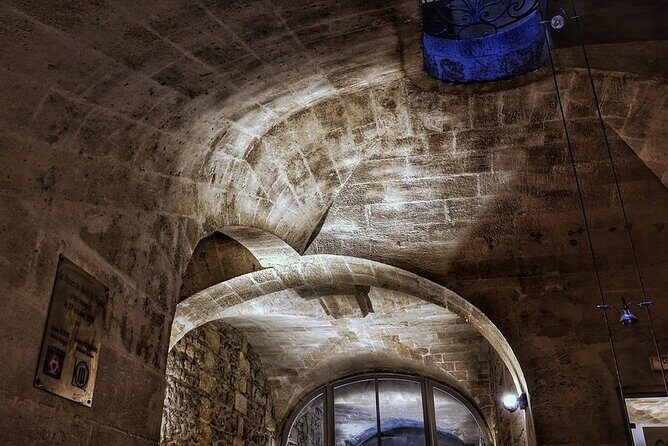
- Vaulted cellars built in the 1700s show how aging and coopers’ work mattered
- Self-guided exhibits in English with notes you can follow at your own pace
- End-of-visit tasting of two grape varieties: Merlot and Cabernet Sauvignon
- Clear explanations on Merchant vs Chateau wine and grape differences
- Short, practical duration (about 1 to 2 hours) that fits almost any day
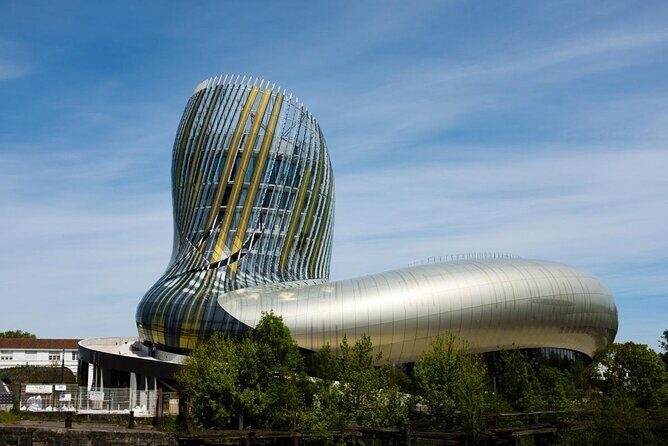
Why the Wine and Trade Museum Feels Different Than Cité du Vin
If you’re comparing Bordeaux’s wine museums, I think this one is for you if you want practical trade knowledge more than big screens and big production. The Musée du Vin et du Négoce is smaller, with a focus on how Bordeaux wine was stored, classified, sold, and moved through networks far beyond the “two seas” idea tied to regional trade.
Cité du Vin can be great if you want a polished, immersive overview. But here you get something more specific: the museum story leans toward the merchant side—the people and systems that shaped what ended up in the glass. That’s also why the tasting pairs well with the exhibits. You’re not just tasting Bordeaux; you’re tasting the outcome of how Bordeaux wine was managed.
Other city passes and tickets in Bordeaux


The 1700s Cellars: Musee Du Vin Et Du Negoce in a Royal Broker Building
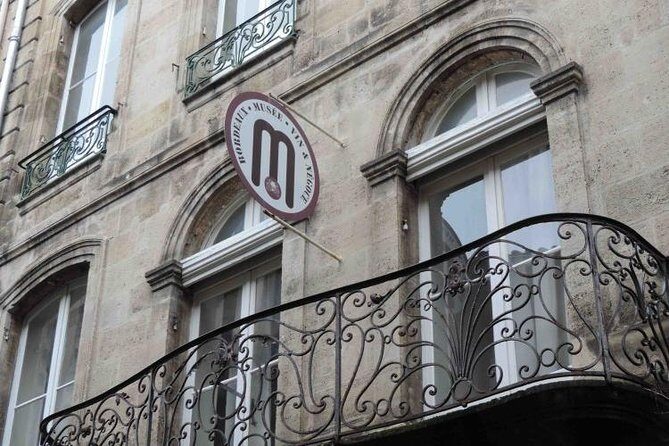
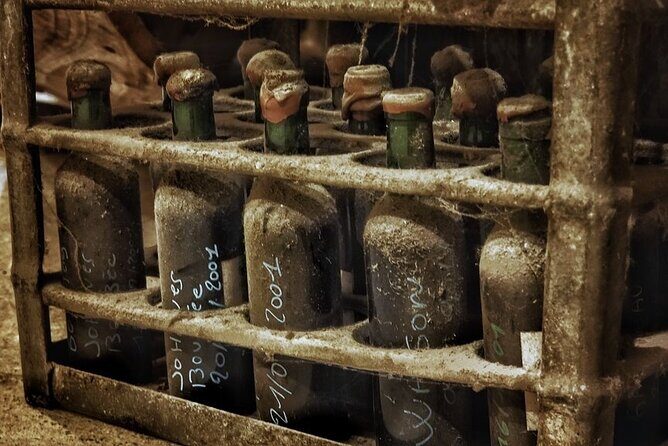
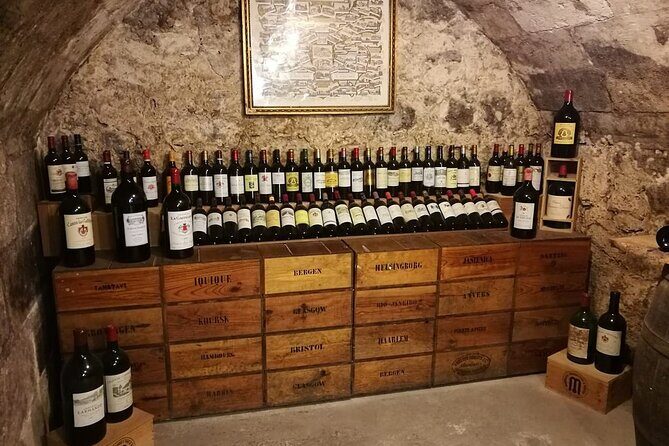
The museum is located in a building connected to the royal broker Louis XV, and the space itself carries the message. You’ll walk into a setting designed for wine storage: vaulted cellar architecture and humid conditions used to preserve wine over time. That’s not just atmosphere. It’s part of the display logic.
Inside, the exhibits connect several dots:
- The idea of grands vins de Bordeaux and how Bordeaux’s prestige took shape
- The work of coopers—the people tied to barrels and aging
- The traditional practices of traders in the 19th century
- Collections that help you see Bordeaux trade beyond the local region
- The way merchant families’ careers and cellar workers’ skills are documented through artifacts and archival material
Even if you only skim, you’ll feel the “trade museum” tone. The building and cellar layout do a lot of the teaching for you. It’s also a good reminder that wine history isn’t only vineyards and grapes—it’s warehouses, networks, and logistics.
Self-Guided and English-Friendly: How to Get the Most Out of Your Time
This ticket works best if you’re comfortable doing a self-guided visit. In practice, you’ll follow the museum materials (English notes and explanations) while the tasting is handled at the end. That makes it flexible: if a specific section pulls your attention, you can slow down. If something feels too detailed, you can move on.
From the details available, here’s what to expect during the walkthrough:
- The museum is intimate and physically compact, centered on the cellar spaces
- Much of the information is presented via displays, visuals, and on-site English materials
- Some people find the audio or interpretation materials a bit confusing, so I’d treat it like a choose-your-own-adventure: read what you can, watch what you can, and ask staff questions once you reach the tasting area
A practical time target: many visitors likely spend around an hour-ish, but you can stretch it closer to the full 1 to 2 hours if you stop to absorb details. If you want this experience to stick, don’t rush the cellar sections. That’s where the “how it was done” story comes through.
The Included Wine Tasting: Merlot and Cabernet Sauvignon, Explained Simply
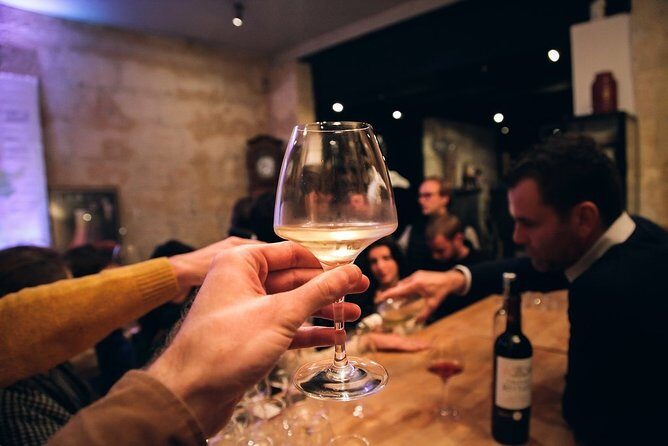
The tasting is the part I’d circle in your schedule. At the end of your visit, you go to the museum boutique for an included tasting of two wines: Merlot and Cabernet Sauvignon.
What makes this more than a basic pour-and-go:
- You learn how to differentiate between the grape varieties
- You get a clear explanation of Merchant wine vs Chateau wine
- The tasting is led by staff who can explain choices and answer questions
The most useful skill you take home is the ability to connect what you taste to why that wine is categorized the way it is. Merlot and Cabernet Sauvignon are a classic Bordeaux pairing for a reason, but most people only hear about them in flavor terms. Here you get more of the structure behind the labeling and trading practices.
One more timing note: the tasting isn’t described as a long, multi-course wine event. It’s meant to be a focused add-on to the museum. So if you’re hoping for a full tasting flight with lots of pours, treat this as an intelligent sampler. Then plan a separate stop for a bigger wine moment if you want one.
Merchant vs Chateau: The Detail That Changes How You Read Bordeaux Labels
This museum gives you a concept that’s worth more than a second glass. The Merchant vs Chateau distinction shows up in how Bordeaux wine moved historically, and it also affects how you think about ownership, production responsibility, and naming.
In plain terms, this is what you’re trying to understand:
- A Chateau wine is tied to the chateau-style idea of production identity
- A Merchant wine is tied to the merchant/trader role in selecting and assembling what goes into the bottle
Once you understand that, Bordeaux labels start to feel less like random jargon and more like a map. Even if you don’t become a “wine person,” you’ll be able to look at a bottle and say, okay, I know where the business story fits.




Price and Value: Is This Ticket Worth It?
At $14.51 per person, you’re paying for a real entry ticket plus an included tasting of two wines. For Bordeaux, that’s strong value if your goal is an educational stop that doesn’t eat your whole day.
Here’s how I’d judge the value for your travel style:
- If you like museums but don’t want a long, guided slog, this fits your rhythm. About 1 to 2 hours is manageable even on a packed itinerary.
- If you care about learning something usable (like grape basics and Merchant vs Chateau), the tasting adds meaningful value.
- If you want a modern, polished, high-production museum with lots of hands-on interaction, you might feel the museum is small and more text-based than you’d like.
In other words: it’s not competing with the biggest, flashiest wine experiences. It competes with quick “I learned something and tasted something” value—and it does that well.
Practical Tips for a Smoother Visit
A few no-drama tips based on what tends to matter in this kind of cellar museum:
- Go in expecting cellar humidity. If that kind of smell bothers you, be prepared.
- After you finish the exhibits, spend your energy on the tasting Q&A. That’s where the explanations become personal and practical.
- If you’re visiting with kids, the experience may include small engagement moments during the tasting (at least one family-style review mentioned a scent game).
- Wear comfortable shoes. Cellar spaces and walking between areas can feel a bit tight, even though the museum is short.
And plan your food accordingly. The ticket includes the tasting, but it doesn’t include extra food or drinks beyond that.
Who Should Book This Bordeaux Wine and Trade Museum Ticket
I’d book this if you:
- Want a Bordeaux-specific wine experience that focuses on the trade side, not just vineyards
- Enjoy smaller museums where you can read at your pace
- Want an English-friendly stop that stays within a tight time window
- Are new to wine and want Merlot vs Cabernet explained in a clear way
- Prefer something calmer than a huge, ticket-controlled mega-museum
You might skip it if:
- You strongly prefer modern, interactive museums with minimal reading
- You feel easily put off by musty cellar environments
- You’re looking for a long tasting program with multiple pours beyond two wines
Should You Book This Wine and Trade Museum Ticket?
For most people who like wine, I think it’s an easy yes. The value is in the mix: a short museum visit in historic cellar spaces plus an included Merlot and Cabernet tasting where you learn labels and categories, not just flavors. It’s especially smart if you don’t have time for a full-day wine museum plan.
My call: book it if you want something practical, Bordeaux-specific, and time-friendly. If you only want the most modern, high-tech wine story in town, you may prefer a larger museum experience instead.
FAQ
What is included with the Bordeaux Wine and Trade Museum ticket?
The ticket includes the wine tasting.
Which wines are tasted?
The tasting includes two wines: Merlot and Cabernet Sauvignon.
How long does the experience take?
Plan for about 1 to 2 hours.
Is the experience offered in English?
Yes, the experience is offered in English.
Is food included?
No. Additional food and drinks are not included, unless specified.
How often is it offered during the day?
It is described as being offered multiple times throughout the day.
When is the museum open?
The opening hours listed are 10:00 AM to 6:00 PM (Monday through Sunday).
Where is it located in relation to transport?
It is near public transportation.
How far in advance should I book?
On average, it is booked about 35 days in advance.
Can I get a refund if my plans change?
Yes. You can cancel for a full refund up to 24 hours in advance of the experience start time.
If you tell me your travel dates and whether you’re doing Cité du Vin too, I can suggest a tight half-day plan around this stop.