REVIEW · BORDEAUX
Bordeaux Food and Wine Tour : Authentic Artisanal Flavors
Book on Viator →Operated by Délicieux ! Food and History Tours - Bordeaux · Bookable on Viator
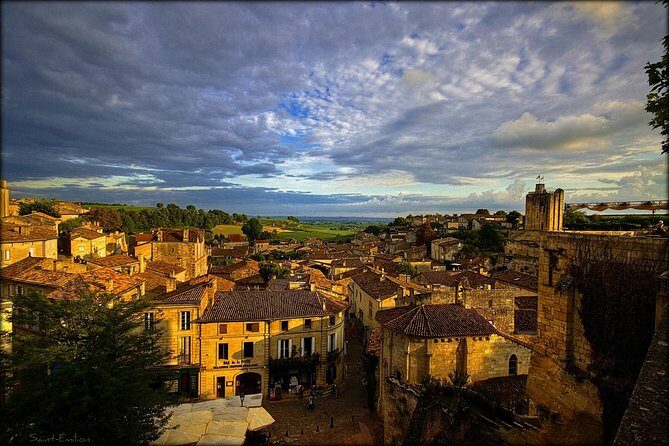
Bordeaux can be walked. This food-and-wine tour threads major landmarks into one easy route, then ends with a wine and cheese workshop that helps you taste like a local.
What I like most is the small group feel (max 10) and the fact that you’re not just “looking” at sights; you’re learning how the city’s culture shows up in what people eat and drink. A possible drawback: it’s a 3.5-hour walking tour, and it depends on good weather.
If you want a Bordeaux afternoon that hits both history and flavor without exhausting you, this is a smart way to spend it. The route is paced, the stops are timed, and the guide (Aurélien is a common name you’ll see) is praised for clear English and for making wine tasting feel practical, not fussy.
In This Review
- Key highlights to look for
- A 3.5-hour Old Town loop that mixes food, wine, and big stories
- What the tour price includes (and why $107.71 can make sense)
- The walking route: starting at Quinconces and ending at Place de la Bourse
- Stop-by-stop: the seven landmarks you’ll connect to food and Bordeaux stories
- Monument aux Girondins (and the Place des Quinconces context)
- Place Gambetta (the place’s bloody history)
- Cathédrale Saint-André Bordeaux (the cathedral you can’t miss)
- Place Fernand Lafargue (stories in a picturesque square)
- Grosse Cloche (an emblematic gate with an atypical story)
- Porte Cailhau (medieval past, front and center)
- Église St Pierre (pilgrims toward Santiago de Compostela)
- Place de la Bourse (the postcard finish)
- Wine and cheese workshop: how to taste beyond the basics
- Small group size (max 10) and why it changes everything
- Weather, timing, and what to wear for a smooth Old Town afternoon
- Who should book this Bordeaux food and wine walk?
- Should you book it?
- FAQ
- How long is the Bordeaux Food and Wine Tour?
- What is the price per person?
- Is the tour offered in English?
- How many people are in the group?
- What’s included for food and wine?
- Is there a non-alcohol option for minors?
- Where does the tour start and end?
- Are landmark admission tickets required?
- Is free cancellation available?
Key highlights to look for
- Seven landmark stops in about 3.5 hours, with lots of short, digestible segments
- Wine and artisanal cheese pairing workshop, including a non-alcohol option for under-18s
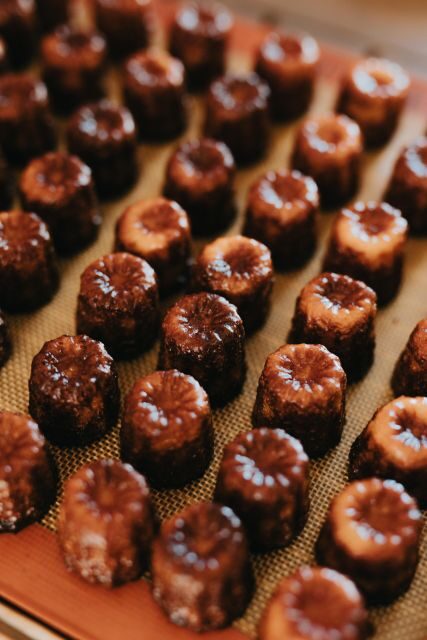
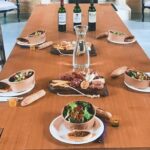
- Full meal of local artisan specialties paired with wine for adults
- Max 10 guests, so you can actually ask questions and hear the stories
- English-language guiding that’s repeatedly noted as strong
- A curated list of local recommendations you can use after the tour
A 3.5-hour Old Town loop that mixes food, wine, and big stories
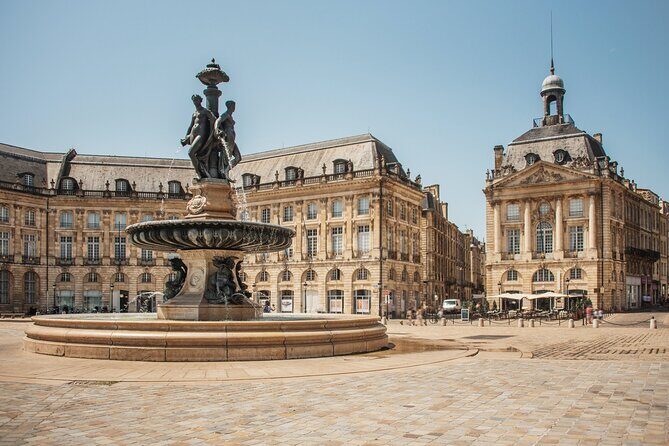
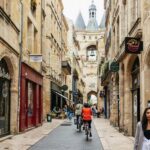
This tour is built for the way most people actually travel: limited time, lots to see, and a strong desire to eat well. You’ll do a manageable walk across Bordeaux with frequent stops, so you’re not stuck shuffling between far-off locations. You also get a guide to connect the dots—between street scenes, famous buildings, and how the city became the food-and-wine place it is today.
The format is refreshingly straightforward. You’ll visit seven important Bordeaux landmarks, spending about 25 minutes at each, with the last stop running a bit longer. It’s enough time to get oriented and pick up the key context, without turning the afternoon into a lecture.
If you’re planning your first day in town, this kind of tour is especially useful. It helps you understand where the sights sit and what they mean. Then you can choose where to return later—on your own schedule, with better instincts for what’s worth your time.
Other Bordeaux food tours in Bordeaux

What the tour price includes (and why $107.71 can make sense)
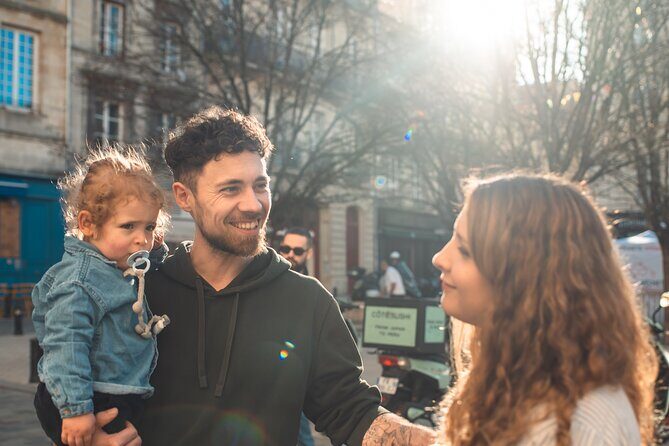
At $107.71 per person, you’re paying for more than “a couple bites.” The tour includes:
- A full meal of local artisan specialties paired with wine
- A wine and artisanal cheese pairing workshop
- A small-group guided walk through Bordeaux Old Town (about 3.5 hours)
- Recommendations you can use for the rest of your trip
Here’s the practical way I think about value. In Bordeaux, a good meal plus wine can easily eat up a big chunk of your day. This tour bundles the meal with structured tasting guidance and guided sight stops, so you’re not paying separately for “transport,” “a guide,” and “wine education.”
Also, the small-group size matters. When you’re with up to 10 people, you’re more likely to get the kind of interaction that makes food tours worth it: quick questions, explanations that land, and less waiting around.
One more detail I’d plan around: alcohol is not offered to minors under 18, and soft drinks are provided instead. If you’re traveling with teens, that’s a clean, built-in expectation rather than an awkward on-the-spot scramble.
The walking route: starting at Quinconces and ending at Place de la Bourse
You start at 2792 Pl. des Quinconces and finish at Place de la Bourse. That end point is a big deal for your evening plans: Place de la Bourse is one of the postcard-perfect squares in the city, and it’s an easy area to continue your night with a meal or a relaxed stroll.
Timing-wise, the pacing is intentional. Most stops are about 25 minutes, then the final square gets around 35 minutes. That extra time at the end gives you room to take photos, digest what you just learned, and not feel like the tour is yanking you out the door.
The meeting and ending points also mean you’re likely to cover a classic Old Town arc without repeating the same streets over and over. If you like walking tours but hate feeling like your legs are doing all the work and your brain gets zero payoff, this route style usually works.
Stop-by-stop: the seven landmarks you’ll connect to food and Bordeaux stories
Monument aux Girondins (and the Place des Quinconces context)
You begin at the Monument aux Girondins, with background on its story and the history tied to Place des Quinconces. This is a good kickoff stop because it sets the tone: Bordeaux isn’t just pretty streets and restaurants—it has political and social roots that show up in the way the city is laid out.
What to watch for: treat this first stop as orientation. You’re not trying to memorize dates; you’re building a mental map of how people used to gather here, and why this area mattered.
Other food & drink experiences in Bordeaux
Place Gambetta (the place’s bloody history)
Next is Place Gambetta, where the tour shares the darker side of what happened there. It’s a reminder that city squares often held more than markets and strolling—sometimes they were tied to conflict.
Why this works in a food tour: it helps you understand why buildings and neighborhoods have the identities they do. Food culture doesn’t grow in a vacuum. It grows in cities shaped by events, trade, and social life.
Practical note: if you don’t like heavy historical moments while you’re hungry, you might want to mentally pace yourself. This stop is quick, but it brings a serious mood.
Cathédrale Saint-André Bordeaux (the cathedral you can’t miss)
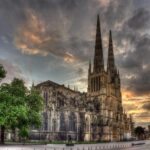
Then you’re on to Cathédrale Saint-André de Bordeaux. This is your big architecture stop: a magnificent cathedral that anchors the walk and gives the whole afternoon a sense of scale.
This is also a turning point in the experience. Once you see the cathedral, the city starts to feel more “real,” not just like a set of sightseeing photos. The guide’s job here is to connect the religious and civic history to why Bordeaux became such an important regional center.
Place Fernand Lafargue (stories in a picturesque square)
At Place Fernand Lafargue, you’ll hear thrill-worthy stories about a picturesque location. It’s a classic Old Town move: trade one grand monument for a smaller square where the details matter.
What I like about stops like this is that they slow you down. Instead of rushing to the next major sight, you get time to read the place—its character, its corners, the vibe that makes you want to come back.
If you’re traveling with a stroller or have mobility limits, note that it’s still a walking tour with multiple short segments, so you’ll want to gauge your stamina.
Grosse Cloche (an emblematic gate with an atypical story)
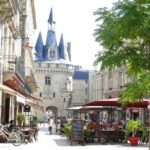
Next comes Grosse Cloche, one of Bordeaux’s emblematic gates. The tour shares an atypical story about the structure, which is exactly the kind of detail that makes a sightseeing stop memorable.
This is also a good place to take photos. It’s not just famous; it’s photogenic in a way that helps you feel like you’re holding the afternoon’s highlights in your camera roll.
Porte Cailhau (medieval past, front and center)
You continue to Porte Cailhau, focusing on Bordeaux’s medieval past. Gatehouses and walls do more than look cool—they show you how a city once controlled movement and defended itself.
This stop tends to be the one where many people suddenly understand how “Old Town” became Old Town. The guide’s stories help you picture earlier streets and earlier daily life.
Église St Pierre (pilgrims toward Santiago de Compostela)
Then you’ll visit Église St Pierre, following the footsteps of pilgrims connected to Santiago de Compostela. It’s one of those moments where Bordeaux gets connected to a larger European story.
Why it matters: pilgrimage routes were how culture, ideas, and trade flowed. Food and wine didn’t just appear because locals wanted to be cozy. They grew around movement—people coming through, staying awhile, buying, eating, and sharing tastes.
Place de la Bourse (the postcard finish)
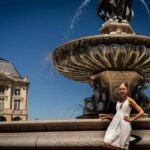
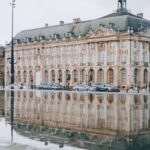
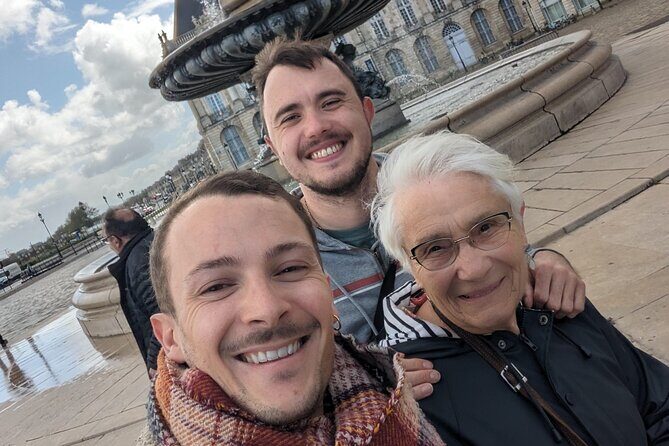
You end at Place de la Bourse with extra time, roughly 35 minutes. This is a smart conclusion: you’ve seen enough landmarks to feel “caught up,” and now you get to enjoy the square without feeling rushed.
What to do with this last stretch: use it as your reset. Walk around, take your photos, and decide what part of Bordeaux you want to explore next.
Wine and cheese workshop: how to taste beyond the basics
A big reason people book food tours in Bordeaux is wine. A big reason people remember the good tours is that they learn what to pay attention to.
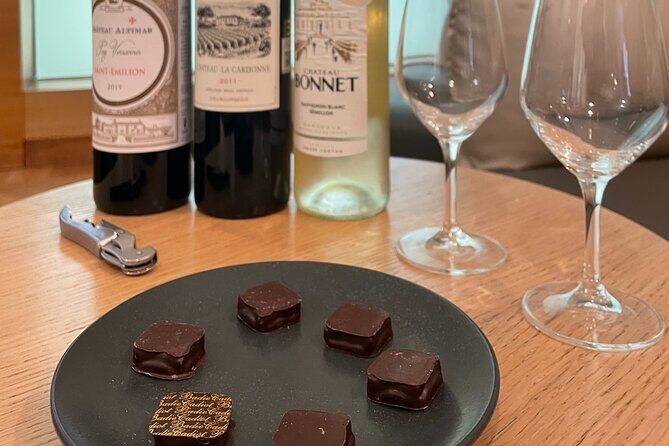
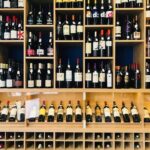
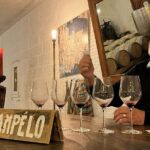
This experience includes a wine and artisanal cheese pairing workshop. It’s not just about having wine; it’s about pairing it with cheese in a way that makes the flavors easier to understand. You’ll also get guidance that helps you taste more intentionally.
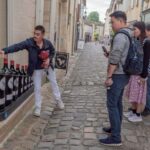
One review detail I’d take seriously: Aurélien is credited with showing people the proper way to taste wine. That kind of instruction changes the whole experience, because it turns the tasting into a skill you can use later, at shops and restaurants.
You’ll also get a non-alcoholic option for under-18s, with soft drinks provided instead. That keeps the pairing experience inclusive, so younger travelers don’t feel like they’re stuck watching while others enjoy.
One more thing: some groups have mentioned extras in the tasting lineup, like charcuterie-style boards and even a blind chocolate tasting. Even if the exact set varies slightly, the consistent promise is clear: you’ll leave with more than “I ate and drank.” You’ll leave with a better sense of how these foods and wines work together.
Small group size (max 10) and why it changes everything
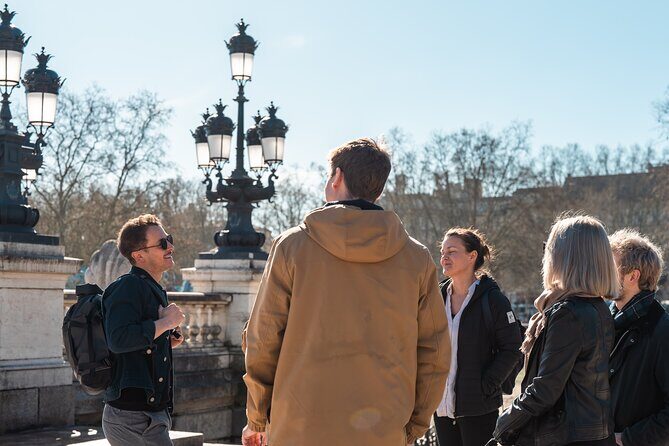
Max 10 travelers is more than a number. It usually means:
- You spend less time waiting and more time tasting and walking
- Questions don’t get lost in the crowd
- You can hear the guide’s explanations at each stop
- The pace feels human, not factory-made
This tour also gets praised for the guide being friendly and patient. That matters on a walking food tour, because people arrive with different levels of curiosity. Some want history. Some want food specifics. A good guide can handle both without one side feeling sidelined.
A strong pattern in the feedback is that the tour doesn’t feel rushed. People call it a manageable amount of walking, with the “just right” pace. For most first-timers in Bordeaux, that’s the difference between a fun afternoon and a “why did I book this” memory.
Weather, timing, and what to wear for a smooth Old Town afternoon
This is a good-weather-dependent walking experience. If it’s canceled due to poor weather, you’re offered a different date or a refund. So when you plan your week, build in a bit of flexibility.
As for what to wear: assume you’ll be on foot for most of the 3.5-hour duration. Choose comfortable shoes you trust on uneven Old Town streets. You’ll be outdoors at multiple stops, and while each stop is short, the total time adds up.
If you’re visiting in the busy season and want the tour, note that it’s often booked about 66 days in advance on average. That’s a sign this one sells, especially for travelers who want to hit Bordeaux food and wine early.
Who should book this Bordeaux food and wine walk?
This tour fits best if you want:
- A first-time Bordeaux experience that helps you get oriented fast
- A guided walk that mixes landmarks with practical context
- A full meal format, not just a few samples
- Wine education through a pairing approach
- An English-language guide with strong reviews of clarity and engagement
It may not be your best match if you hate walking, dislike structured tastings, or are looking for a strictly off-the-beaten-path tour that avoids famous squares. This one is famous-landmark friendly on purpose. The payoff is that you see the key Bordeaux symbols and understand why they matter.
Should you book it?
Yes, I think you should—if your goal is a memorable Bordeaux afternoon that blends seven standout landmarks with a serious food-and-wine experience.
Book this tour if:
- You want to taste Bordeaux rather than just read about it
- You like guided storytelling that helps you connect places to culture
- You value a small group atmosphere and a manageable pace
- You’re eager to learn how to taste wine and pair it with cheese
Skip it (or consider another option) if you’re dealing with limited mobility or you know you won’t handle outdoor walking well. Also consider booking earlier if you’re traveling during peak times, since it’s commonly reserved weeks ahead.
If you do book, arrive with one mindset: you’re not just collecting sights. You’re collecting flavors you can understand. That’s what makes the tour feel like more than a checklist.
FAQ
How long is the Bordeaux Food and Wine Tour?
It lasts about 3 hours 30 minutes.
What is the price per person?
The price is $107.71 per person.
Is the tour offered in English?
Yes, the tour is offered in English.
How many people are in the group?
The tour has a maximum of 10 travelers.
What’s included for food and wine?
You get a full meal of local artisan specialties paired with wine, plus a wine and artisanal cheese pairing workshop.
Is there a non-alcohol option for minors?
Yes. Alcoholic beverages will not be offered to minors under 18, and soft drinks will be provided instead.
Where does the tour start and end?
It starts at 2792 Pl. des Quinconces, 33000 Bordeaux and ends at Place de la Bourse.
Are landmark admission tickets required?
Admission tickets for the listed stops are marked free.
Is free cancellation available?
Yes. You can cancel for a full refund up to 24 hours in advance of the start time.