REVIEW · BORDEAUX
Bordeaux: Guided Food and Wine Tour with Tastings
Book on GetYourGuide →Operated by Devour Tours · Bookable on GetYourGuide
Bread, sweets, cheese, then wine in Bordeaux. That’s the flow here, built for people who like their sightseeing edible. You’ll walk through famous spots like La Grosse Cloche and Pey-Berland, but the real engine is the food lesson behind every bite.
What I like most is the hands-on start at a local bakery: you get to see dough and viennoiserie worked before you taste. I also like that the tour ends in a proper wine bar with a short, friendly tasting of three regional wines, where you can ask questions and compare notes. The one thing to watch is simple: this is a walking tour with tastings that stack up, and you need to be okay with alcohol being part of the experience.
In This Review
- Key highlights you’ll feel fast
- A 3-hour Bordeaux food tour with a small-group feel
- Starting near Église Saint-Paul and walking toward La Grosse Cloche
- Bakery technique first: croissants, viennoiserie, and that warm first bite
- Canelé: the sweet Bordeaux symbol you’ll meet at an owner-run patisserie
- Pey-Berland and Saint-André: landmarks tied to how Bordeaux lived
- Plat du jour at a café-brasserie, then cheese with a terroir lesson
- Triangle d’Or chocolate since 1915 and an Atlantic-coast puff pastry
- The wine bar finale at Place Gambetta: three regional wines and real questions
- What makes the value feel real for $116
- Food volume, drinking plans, and how to not feel stuffed by stop 5
- Who should book this Bordeaux food and wine tour
- Should you book this Bordeaux experience
- FAQ
- How long is the Bordeaux guided food and wine tour?
- How many tastings and wine samples are included?
- What language is the tour guide?
- Where do I meet the guide?
- Is this tour suitable for vegetarians or non-alcoholic drinkers?
- What dietary needs can this tour accommodate?
Key highlights you’ll feel fast
- Bakery start with real viennoiserie technique before the first bite
- Canelé and chocolate stops that connect dessert to Bordeaux’s wine culture
- Cheese with a terroir lesson, not just a random plate
- Historic city-center landmarks worked into the food story as you move
- Small group (max 10), so you can actually talk with guides and vendors
A 3-hour Bordeaux food tour with a small-group feel
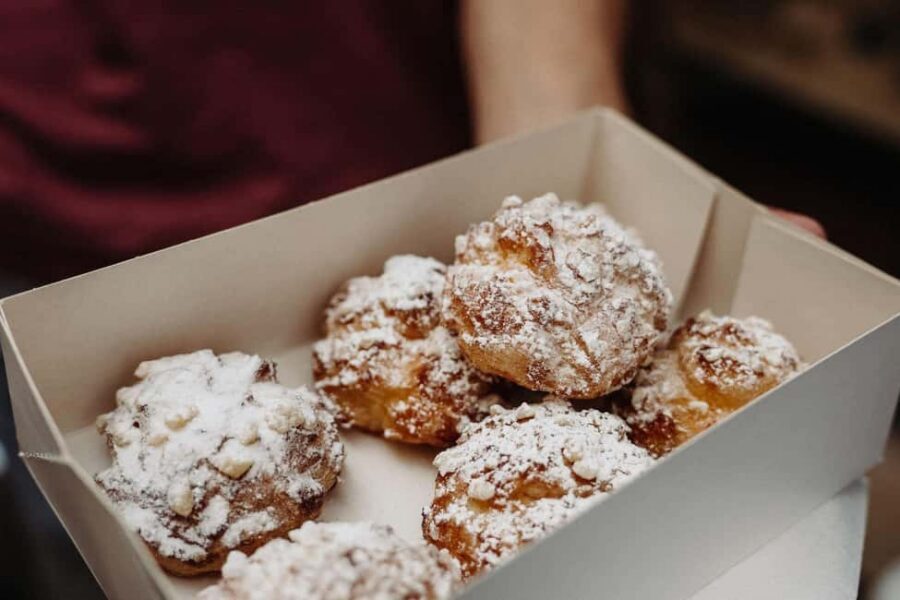
For $116, you’re basically buying a guided shortcut through Bordeaux’s best eating districts. Three hours sounds short, but you pack it with 9+ tastings across 6 foodie stops plus a sommelier-led tasting of three regional wines. That’s a lot of stops for one afternoon, and it’s why the small group matters: with a max of 10 people, you’re not just herded forward—you can ask questions and keep up with what your guide is pointing out.
I also like the pacing concept. This tour doesn’t treat food as a side quest. It’s the main lens for the city: where you taste is tied to what Bordeaux has been doing for centuries—bread-making, port trade, wine culture, and the kind of craft you only learn by repeating the same work day after day.
One practical note: it’s a moderate-paced walking tour, so comfy shoes are non-negotiable. You’ll cover enough ground to see big sights, but you’re still expected to keep moving.
Other Bordeaux food tours in Bordeaux

Starting near Église Saint-Paul and walking toward La Grosse Cloche
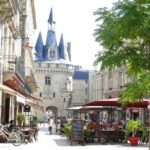
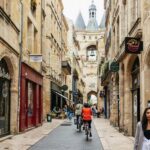
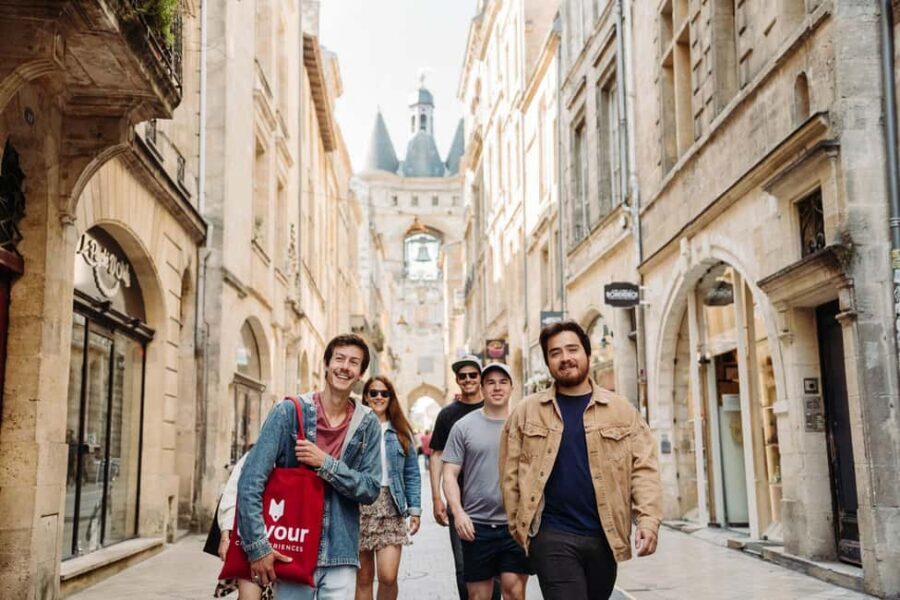
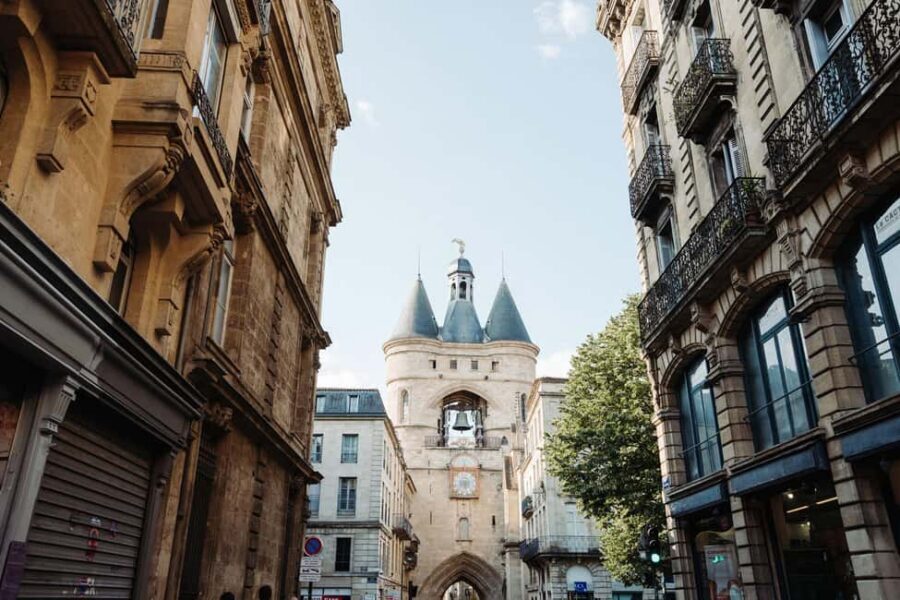
You meet at Église Saint-Paul de Bordeaux on Rue des Ayres, and the tour begins by steering you toward one of the city’s most recognizable pieces of street-and-skyline Bordeaux: La Grosse Cloche. This is a good setup because you get the historic mood early, before the food starts flying.
What I like about the start is that it pulls you into the local rhythm. Bordeaux isn’t just about wine labels and monuments. It’s also about craft, daily baking, and the small shops that feed the city without fanfare.
And right from the first stretch, the tour is clear about what you’re there for: you’re not walking just to look. You’re walking so you can taste where the city’s flavors are made.
Bakery technique first: croissants, viennoiserie, and that warm first bite
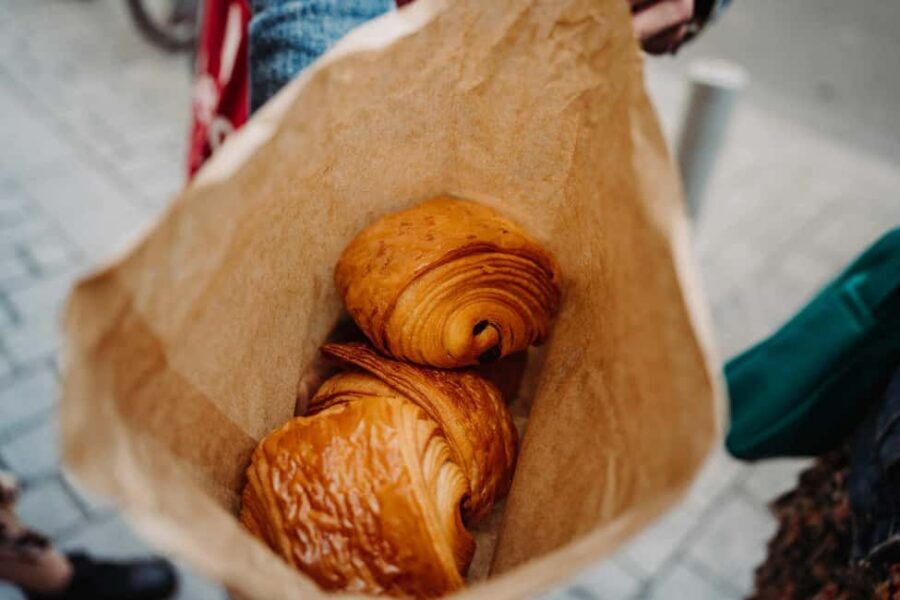
The tour’s opening food moment is at a young baker who makes bread and viennoiserie on site. You’ll see croissants being rolled and folded before you try one of France’s classic pastries in Bordeaux. That visual matters. Even if you’ve had croissants before, watching the process makes your first bite feel more like learning than eating.
A big win here is that you’re not thrown into a tasting counter with zero context. You see the work, you understand the idea of layers and fermentation, and then you taste something that feels connected to the city instead of packaged for tourists.
If you’re the type who likes food facts you’ll actually use later, this is the sweet spot. You’ll learn how these pastries traveled and became part of Bordeaux’s everyday favorites—because bread and viennoiserie aren’t just French themes, they’re local habits too.
Canelé: the sweet Bordeaux symbol you’ll meet at an owner-run patisserie
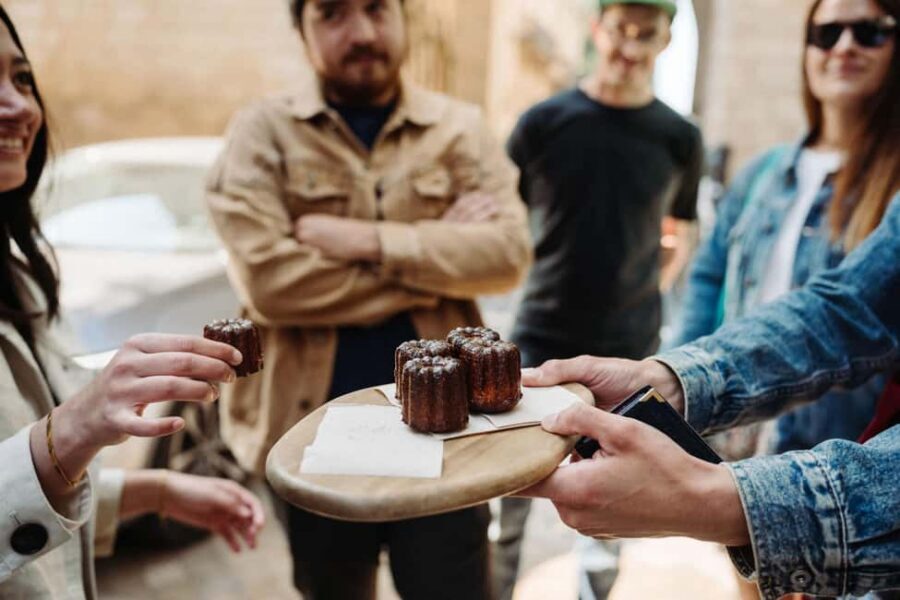
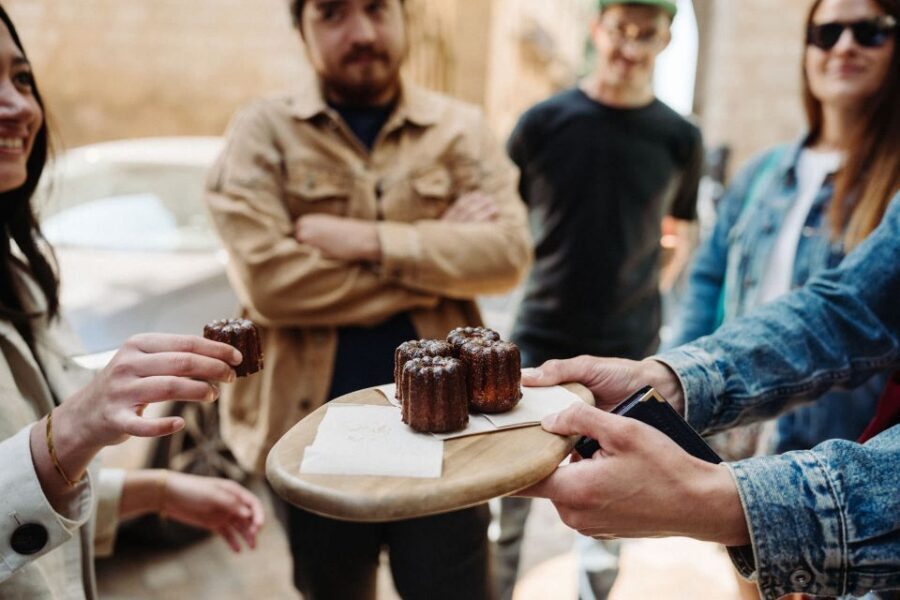
Next up is canelé, the caramelized, custardy-shelled dessert that’s strongly tied to the wine region. You’ll visit a small, owner-operated patisserie where canelés are made fresh daily using natural ingredients.
What makes this stop work is the way it’s framed. Canelé isn’t treated like a random sugary snack. It’s positioned as a Bordeaux signature, with a story you can carry in your head when you’re walking around after the tour.
And since this is a guided experience, you’re not just tasting. You’re getting the reason behind the texture: that crisp exterior, the soft interior, and the way the flavors hold their own even when the rest of the tour is throwing rich food at you.
Pey-Berland and Saint-André: landmarks tied to how Bordeaux lived
Between tastings, the guide threads history through the streets. You’ll pass Bordeaux Cathedral, Saint André, described as one of the city’s most beautiful religious monuments, and you’ll hear that it was where Louis VII married in 1137. You’ll also stop to marvel at the gold-topped Pey-Berland tower.
Here’s how this part helps your visit. It prevents the common mistake of treating a city tour like a photo scavenger hunt. When you connect landmarks to the human story—who gathered, who traded, what the city valued—you start seeing Bordeaux differently.
As you move through central areas, you’ll also get a clear sense of how this city functioned as a port for centuries. The tour describes Bordeaux’s long stretch of time—over 2,000 years—and the idea that the city has had a tough, complicated, always-moving character. That’s the kind of context that makes your next walk through the old streets feel more alive.
Other food & drink experiences in Bordeaux
Plat du jour at a café-brasserie, then cheese with a terroir lesson
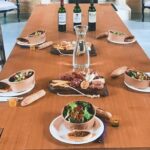
At one stop near Bordeaux city hall, you’ll go into a typical café-brasserie just meters from the mairie area. You’re served a homemade plat du jour, the daily special, built from local ingredients with the chef’s own creativity.
This is a smart move for an all-in-one tour. Most food tours over-index on sweets. Here, you get something savory and grounded, which helps you keep your energy up for the rest of the walk.
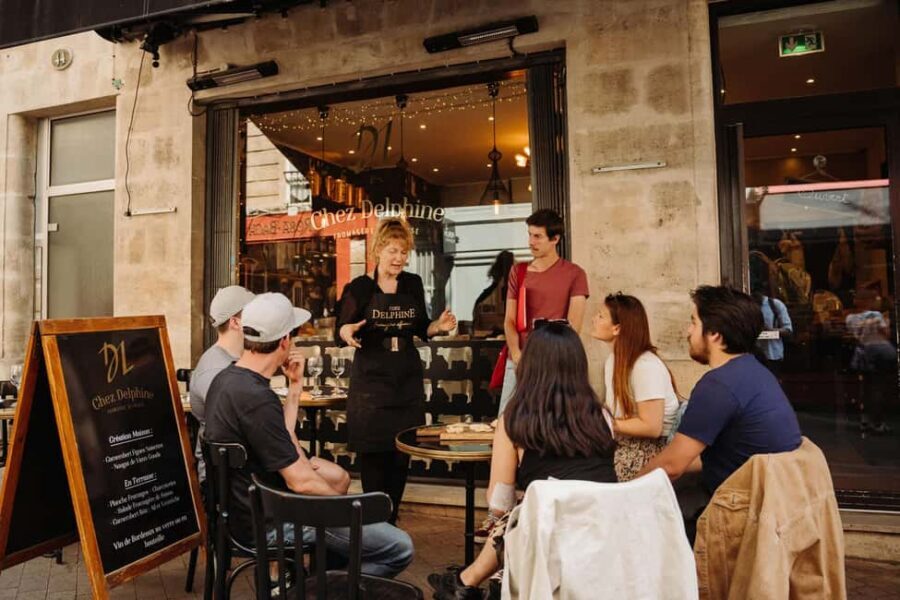
Then the tour pivots to cheese. You’ll stop at Fromagerie Chez Delphine with a specialist cheesemonger who helps you understand differences in French terroir. The guide also references a big scale fact: France produces over 1,200 cheeses.
Even if you’re not a cheese expert, you’ll walk away with a better way to think about it. Terroir makes more sense when someone points to flavor differences and connects them to place. You’re not just tasting a single cheese; you’re learning how French food geography shows up in what ends up on your plate.
Triangle d’Or chocolate since 1915 and an Atlantic-coast puff pastry
Now you head into the Triangle d’Or quarter, a classic Bordeaux name tied to shopping and fine-food traditions. You’ll visit an established artisanal chocolate maker that’s been producing since 1915. It’s a third-generation family business, and that kind of continuity matters for flavor consistency.
Chocolate is an easy stop to mess up on a walking tour. Too sweet, too heavy, too repetitive. This one works because it’s framed as craftsmanship, not just sugar. If you like seeing how companies keep quality steady across generations, this stop is a satisfying palate checkpoint.
Just next door, you’ll visit a newer pâtisserie named after the distinctive Atlantic coastline of the region. Invented in 2007 by the son of a famous pastry maker, this is where you try a crunchy puff pastry filled with cream.
I like this pairing because it gives you two ends of the Bordeaux dessert spectrum in one stretch: deep, chocolate-forward tradition, then a lighter, crisp pastry concept tied to the Atlantic identity. It also helps you keep moving without getting mentally stuck on one type of sweetness.
The wine bar finale at Place Gambetta: three regional wines and real questions
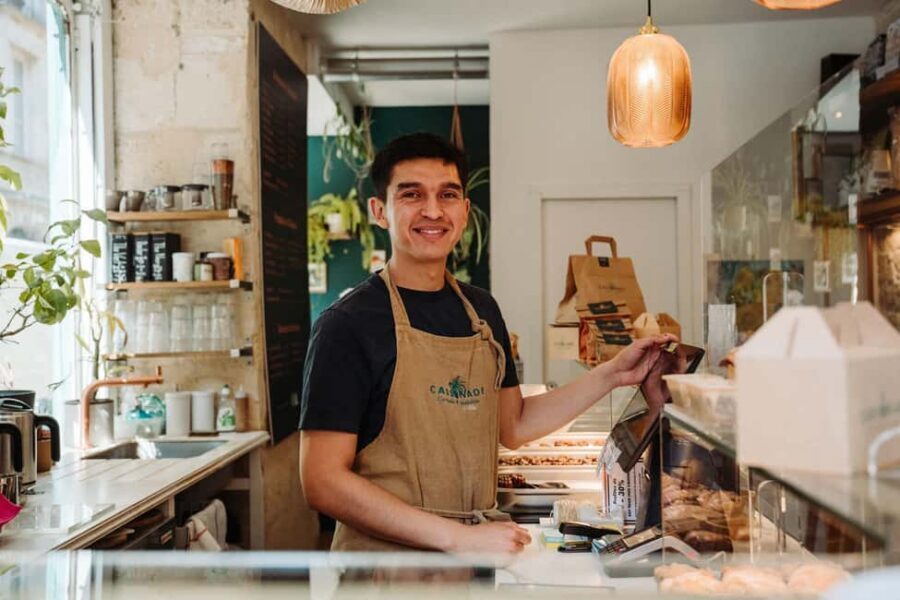
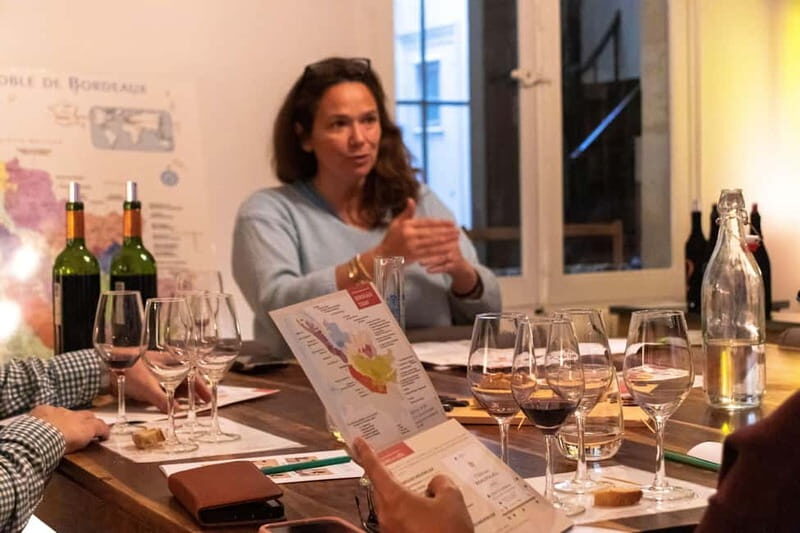
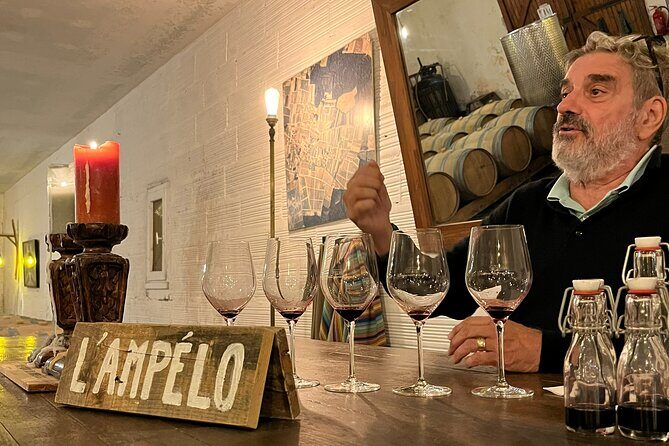
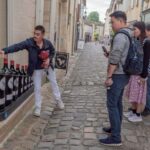
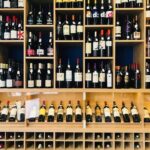
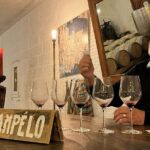
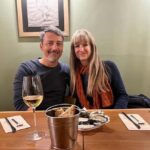
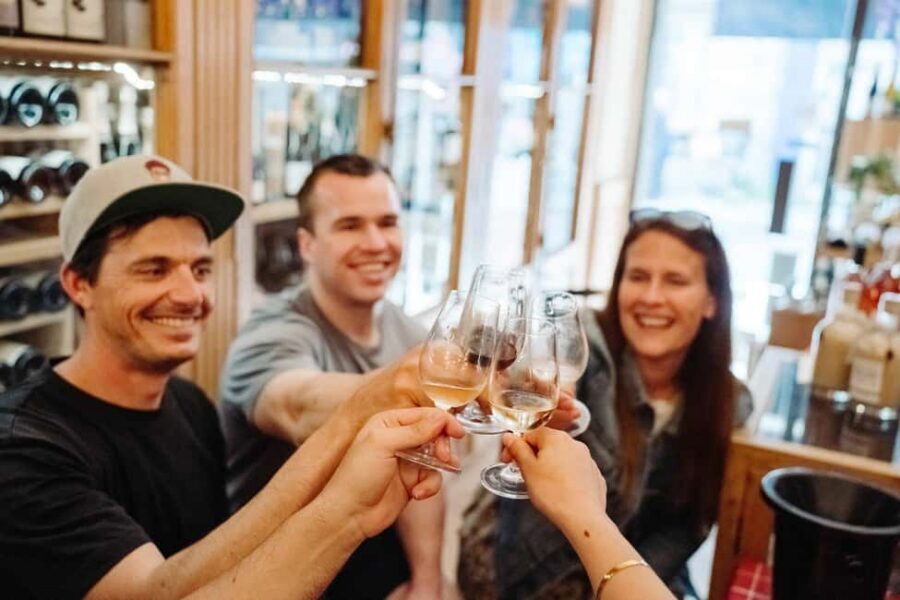
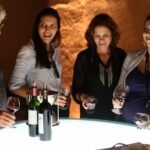
You finish in a local’s wine bar area, and the tour ends with a tasting of three regional wines. Two friendly brothers lead the tasting, and you’ll get their opinions, not just textbook definitions. That’s where this tour gets especially useful if you’re planning to drink wine during the rest of your Bordeaux stay.
A good wine tasting should give you tools. Not every tour does. This one is built around the idea that you can ask questions. You’ll taste enough to start recognizing styles and enough context to make better choices later, whether you’re shopping for bottles or picking something by the glass.
After the wine, you say goodbye to your guide in a small city park, and you land at Place Gambetta. It’s a nice way to end: you can decompress, regroup your legs, and plan your next stop on your own.
What makes the value feel real for $116
This is where you should do the math beyond the headline price. You’re paying for:
- A guide who ties landmarks and food into one story
- 9+ different tastes at 6 stops
- A structured tasting with three wines
- A small group capped at 10 people
In Bordeaux, that combination is what you’re really buying. If you tried to DIY this route, you’d still need to find the same types of shops, line up tastings, and negotiate the language and timing. Having the tour handle those moments—while keeping you walking at a pace that doesn’t drag—can be worth it.
Also, the review pattern (especially the praise for energetic guides like Sylvie, Nina, Joshua, and Jamie) lines up with what matters on a food tour: you want someone who can explain what you’re eating and why it belongs in Bordeaux. This tour is built for that kind of guiding.
Food volume, drinking plans, and how to not feel stuffed by stop 5
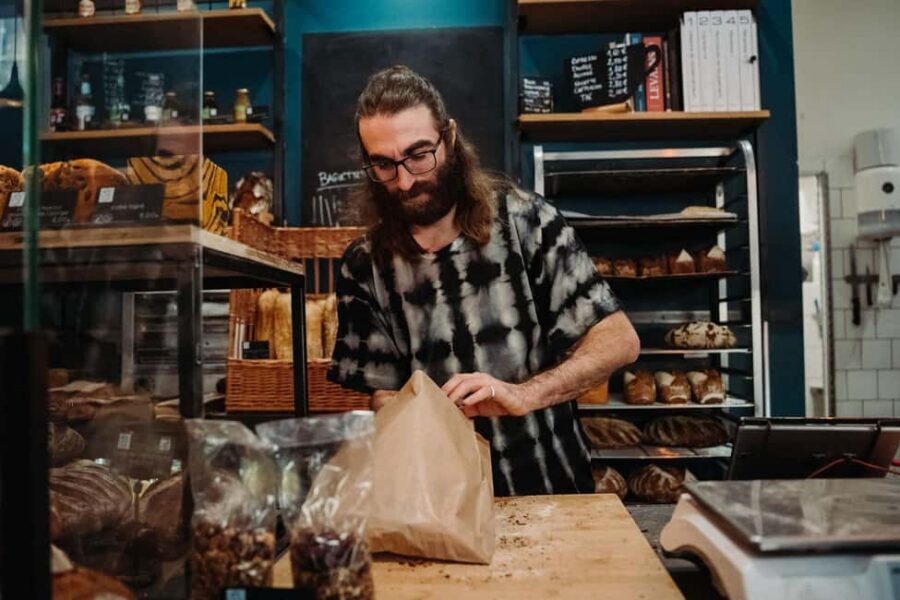
This tour is heavy on food. It’s designed to keep you tasting through the whole three hours, so plan like a smart eater.
Bring water. Even when the tour includes wine, you’ll likely want water on hand so you don’t feel stuck in a syrupy sugar-and-cheese loop. Also, it’s smart not to arrive overly full. The pastries and sweets start early, and the savory stops come right in the middle.
Seating is also something to think about. Some tasting stops offer places to sit, while others are more stand-and-sip. If you’re hoping for a long rest during the wine portion, plan for the fact that the tour’s structure is built around moving and tasting, not lingering.
Who should book this Bordeaux food and wine tour
This tour is a strong fit if you:
- Want history through food, not just monuments
- Enjoy guided tastings and short, friendly wine education
- Like small groups where you can talk with your guide and the vendors
It’s less ideal if you:
- Don’t drink alcohol (the tour is not suitable for people who don’t drink alcohol)
- Need wheelchair access, stroller support, or mobility assistance (it’s not suitable for people with mobility impairments, wheelchair users, or strollers)
- Need vegan options or gluten-free food (it cannot accommodate vegans, kosher, or gluten free)
On the flexibility side, the tour is adaptable for vegetarians, pescatarians, dairy-free needs, non-alcoholic options, and pregnant women. If you have allergies or a dietary restriction, you’ll want to contact the operator ahead of time so they can arrange what you can eat.
Should you book this Bordeaux experience
I’d book it if you’re the type who wants a first-day Bordeaux plan that hits multiple cravings at once: bread-and-pastry craft, canelé and chocolate signatures, cheese with terroir context, and a final wine tasting that helps you buy or order better for the rest of your trip.
Skip it if you want a purely wine-focused day, need wheelchair or stroller-friendly logistics, or you can’t do alcohol.
If you match the tour’s style and pace, this is a great way to get oriented in Bordeaux fast—then keep exploring on your own with a stronger sense of what to seek.
FAQ
How long is the Bordeaux guided food and wine tour?
The tour lasts 3 hours and is a walking tour at a moderate pace.
How many tastings and wine samples are included?
You’ll have 9+ different tastes at 6 foodie stops, plus a tasting of 3 different local wines.
What language is the tour guide?
The tour is guided in English by a live local guide.
Where do I meet the guide?
Meet at Église Saint-Paul de Bordeaux, 20 Rue des Ayres, 33000 Bordeaux. Arrive about 15 minutes early and look for your guide holding a red bag or a Devour Tours sign.
Is this tour suitable for vegetarians or non-alcoholic drinkers?
It is adaptable for vegetarians and for non-alcoholic options, but it is not suitable for people who don’t drink alcohol.
What dietary needs can this tour accommodate?
It can be adapted for vegetarians, pescatarians, dairy free, non-alcoholic options, and pregnant women. It cannot accommodate vegans, kosher, or gluten free, so you should contact the operator before booking if you have dietary restrictions or food allergies.