REVIEW · BORDEAUX
Château Olivier: One Hour Vineyard Tour with Wine Tasting
Book on GetYourGuide →Operated by Château Olivier · Bookable on GetYourGuide
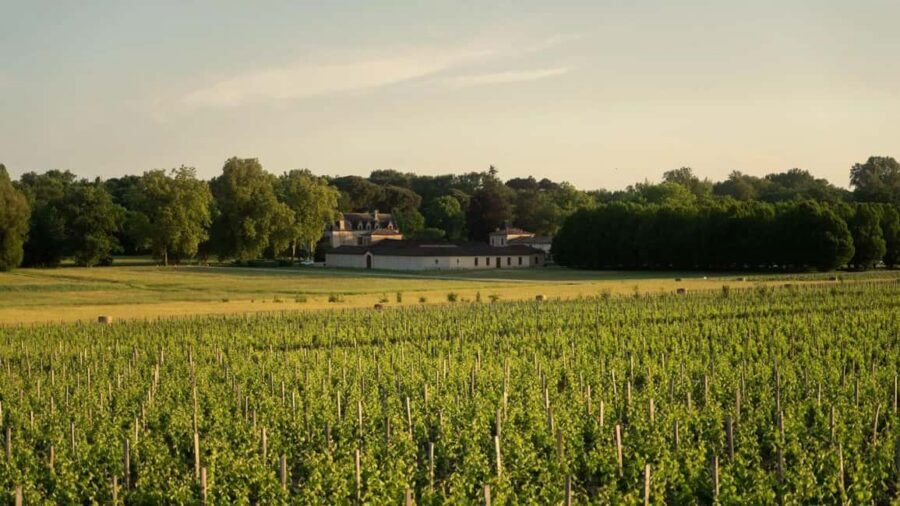
One hour goes fast when you’re walking through real working vines and learning why the vineyard is treated like habitat, not just farmland. At Château Olivier, you get a guided look at 220 hectares of protected life, then a focused tasting of regional wines that’s built around what grows there.
I love the way the tour connects practical vineyard details—like soils, grape varieties, and organic conversion—to the bigger picture of biodiversity. I also really like that you sample four wines (2 red, 2 white) in a short time, so you leave with a clear sense of the Bordeaux flavors in front of you. The one thing to consider: this is an outdoor-focused experience, and one booking noted you may not be able to visit the château interior.
- Biodiversity-first vineyard on 220 hectares, with a story about protecting wildlife alongside vines
- Four-wine tasting: 2 reds and 2 whites, built around Bordeaux varieties
- Long family stewardship: the De Bethmann family has owned the vineyard for 138 years
- Sustainability credentials: HVE 3, ISO 140001, plus organic conversion started naturally in 2022
- Fast, doable format: a guided tour and tasting that fits into a tight day near Bordeaux
In This Review
- Château Olivier: One Hour Vineyard Tour From Bordeaux’s Doorstep
- The Guided Walk: Vineyard Life, Soils, and Wildlife Habitat
- The De Bethmann Story: 138 Years of Ownership and Practical Stewardship
- Certifications and Organic Conversion: HVE 3, ISO 14001, and What Started in 2022
- Four-Wine Tasting: 2 Reds, 2 Whites, and the Bordeaux Flavor Map
- What You Might Miss: The Château Interior Is Not Guaranteed
- Price and Value: Is $23 Worth Your One Hour?
- Meeting Point and Getting There Without Stress
- Comfort, Rules, and Practical Details That Matter
- Who This Tour Fits Best (and Who Should Skip It)
- My Booking Verdict: Should You Choose Château Olivier?
- FAQ
- How long is the Château Olivier vineyard tour with wine tasting?
- How many wines are included in the tasting?
- What grape varieties are used for the wines?
- Where do I meet for the tour?
- Is transportation provided to and from Château Olivier?
- Can I take photos during the tour?
- Are there rules I should know before arriving?
Château Olivier: One Hour Vineyard Tour From Bordeaux’s Doorstep
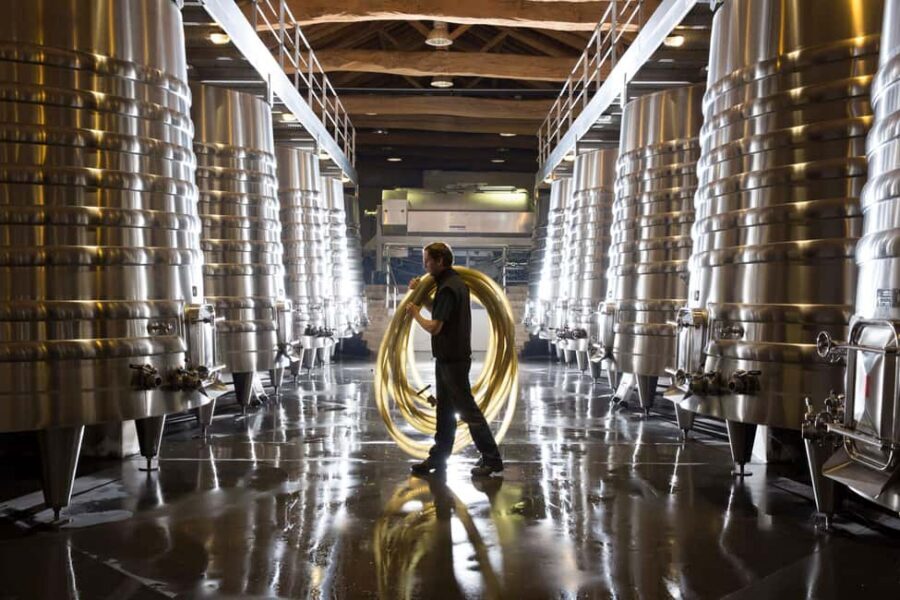
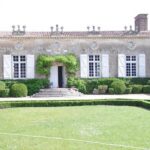
Château Olivier sits just 11 kilometers from Bordeaux, which means you can add it to a Bordeaux day without turning it into a whole travel project. The tour runs about one hour, so it’s a good choice when you want something authentic and local, but you don’t want to spend half your day in transit.
The vibe is calm and practical. You’re not doing a “big production” tour. Instead, you’re walking through a vineyard where the owners clearly care about how the land functions. That focus shows up in what your guide points out: soils, planted areas, and the idea that wildlife belongs on the property.
The best part for me is how quickly you get orientation. In an hour, you won’t become a wine expert—but you can absolutely leave understanding what makes this corner of Bordeaux tick, and how that shows up in what’s in your glass.
The Guided Walk: Vineyard Life, Soils, and Wildlife Habitat
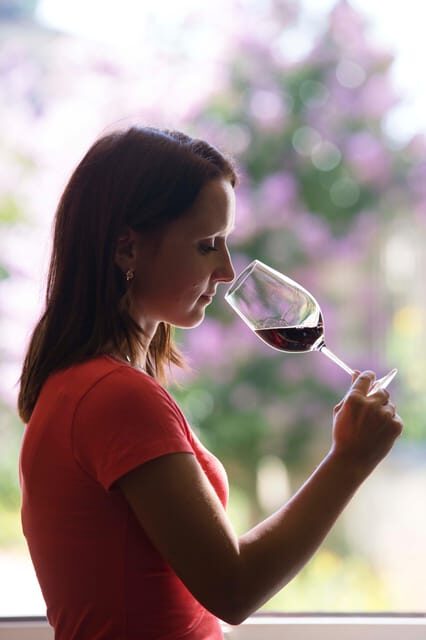
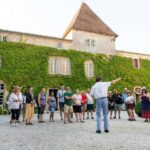
Your tour starts at the reception area—enter the driveway, follow the signs, and look for the building opposite the visitor parking lot. From there, expect a guided walking format through the vineyard blocks and the biodiversity areas.
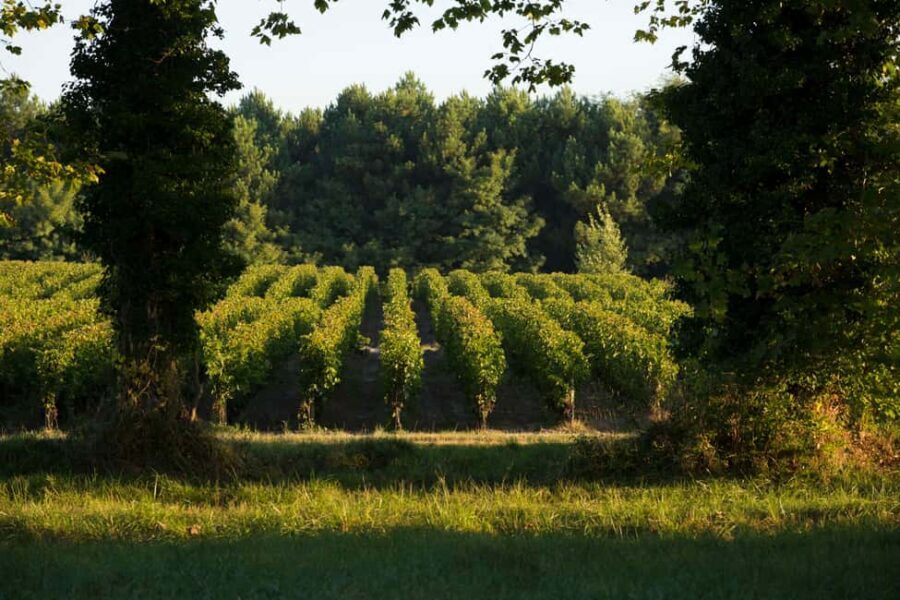
Here’s what makes this walk more interesting than a standard “rows of vines” stroll: Château Olivier frames the vineyard as part of a living system. The property includes 220 hectares of fauna and flora, and the tour connects that to the vineyard’s everyday choices. You’ll hear about their commitment to protecting the environment and wildlife, and you’ll see how that’s tied to what they grow.
You’re also told the vineyard details that usually sound like trivia, but turn useful once you taste:
- 60 hectares cultivated, split into 52 hectares red and 8 hectares white
- planted on 13 different soils, which helps explain why the wines have distinct character even within a single region
- the local biodiversity is treated like a nature reserve area, not an afterthought
There’s a good chance your guide will translate the sustainability talk into plain language. The tour includes insights into the organic conversion process, so you’re not just hearing that change is happening—you’re hearing why it’s happening and what it means on the ground.
Other château-visit wine tours in Bordeaux
The De Bethmann Story: 138 Years of Ownership and Practical Stewardship
At Château Olivier, sustainability isn’t presented as a marketing slogan. It’s tied to family stewardship. You’ll learn about the De Bethmann family, who have owned the vineyard for 138 years, and about their long-term commitment to protecting the environment.
That detail matters for visitors. Why? Because it changes how you read the vineyard. Instead of viewing it as a temporary trend, you start seeing it as a slow, consistent approach to how the land is managed over generations.
On a real working property, long ownership often shows up in what’s maintained and what gets improved. Here, that shows up in the way the tour links daily farming practices to broader environmental goals.
Certifications and Organic Conversion: HVE 3, ISO 14001, and What Started in 2022
Château Olivier mentions HVE 3 and ISO 140001 certifications, plus an organic conversion that was naturally imposed in 2022. That’s not just “green talk.” It gives you a framework to interpret what you’re seeing and tasting.
In plain terms, these kinds of certifications tend to involve measurable approaches to managing the vineyard responsibly. You don’t need to know every acronym to get the takeaway: the vineyard is trying to reduce its environmental impact while maintaining quality wine production.
For you, this is useful because it changes what you should listen for during the tour. When your guide mentions changes in practices, you can connect it to:
- soil health and how vines perform
- biodiversity presence (wildlife, insects, plant life)
- the direction of organic farming efforts since 2022
You’ll also get a short, digestible explanation of the organic conversion process as part of the included experience. In an hour, it won’t turn into a lecture—but it gives you enough to ask better questions on-site.
Four-Wine Tasting: 2 Reds, 2 Whites, and the Bordeaux Flavor Map
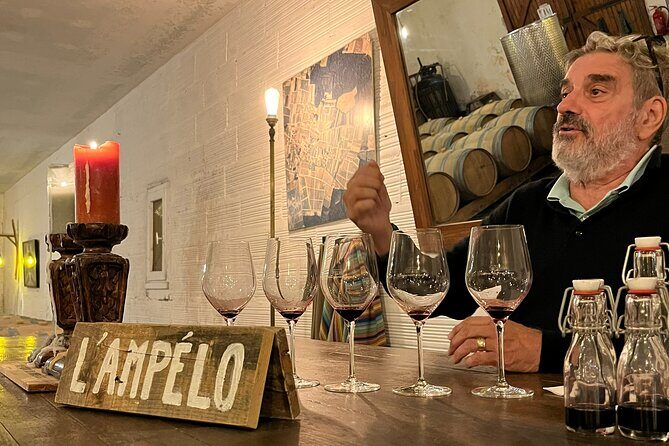
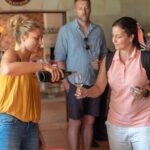
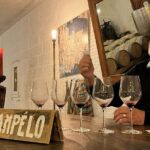
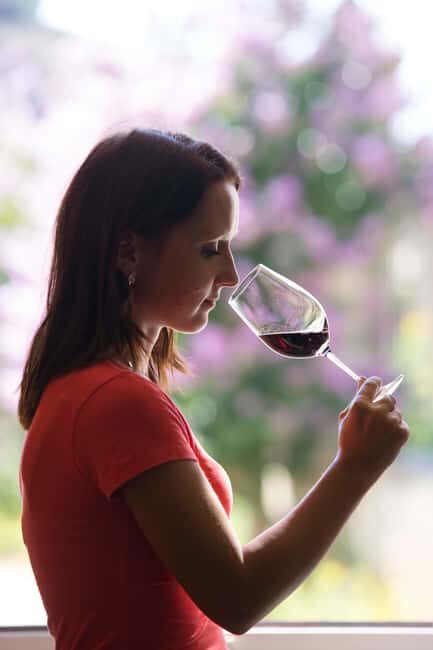
After the walking portion, you’ll move into the wine tasting. This part is a smart use of your time: two reds and two whites, all tied to classic varieties from the Bordeaux region.
The red wines feature grapes you’ll recognize from Bordeaux blends:
- Merlot
- Cabernet Sauvignon
- Petit Verdot
The whites focus on:
- Sauvignon
- Sémillon
That lineup makes the tasting feel like a mini flavor map. Even if you don’t know how each grape tastes in isolation, you can still learn quickly by paying attention to texture, acidity, fruit character, and how the aromas change from one glass to the next.
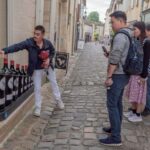
One thing I particularly like: the tour doesn’t just hand you wine and send you on your way. It’s guided, and the guide is there to answer questions in a way that makes sense for non-experts. In a booking example, the guide Laureen was described as friendly and very knowledgeable, and that kind of guidance is exactly what you want during a tasting—so you can taste with purpose, not just sip while checking your phone.
What You Might Miss: The Château Interior Is Not Guaranteed
One of the few downsides that comes up is simple: you might not be able to visit the château interior. The tour description you’ll follow is built around the vineyard and biodiversity experience, so don’t plan your day expecting a full palace-style visit.
If your ideal wine experience includes walking through grand rooms, reading displays, and seeing how the house is laid out, you’ll likely feel shorted. But if you’re here for vineyard reality—soils, farming choices, and a focused tasting—you’ll probably find the time well spent.
Other food & drink experiences in Bordeaux


Price and Value: Is $23 Worth Your One Hour?
At $23 per person, this tour is priced like a solid local experience rather than a luxury add-on. And value here comes from three things that work together:
- Duration: you get an entire vineyard story plus a tasting in about one hour
- Wine count: four wines (2 reds, 2 whites) gives you enough comparison to actually notice differences
- Context: you don’t just taste; you learn how biodiversity and organic conversion tie into how the vineyard is run
Could it be even better if there were transportation options from nearby transit points? One booking specifically wished for that, noting a long walk. Still, the overall price feels fair for what you get—especially if you’re already in the Bordeaux area and want a structured, guided option.
My practical rule: this is worth it when you want an easy, time-efficient win in your day. If you have a car and time flexibility, you’ll get even more out of it.
Meeting Point and Getting There Without Stress
Meet at the reception area inside the property grounds. Enter the driveway, follow the signs, and go to the building opposite the visitor parking lot. That setup is usually easy once you know where to look.
What to plan for: you’ll be walking. At least one booking noted the walk could feel long if you’re approaching without a vehicle. So if you’re arriving on foot from a bus stop area, give yourself extra time and wear shoes that can handle uneven ground.
Also, check the weather. Vineyard tours live and die by comfort. If it’s hot, you’ll want water and sun protection. If it’s rainy, comfortable grip matters.
Comfort, Rules, and Practical Details That Matter
This tour works best if you show up prepared. Wear comfortable walking shoes—you’ll be outside, and your feet will do the work.
A few rules to know:
- Smoking is not allowed.
- Littering is not allowed.
- Pets are not allowed (assistance dogs are allowed).
- Photography is allowed, so you can capture the vineyard setting.
Language support is French and English, and you’ll have a live guide. If you’re sensitive to group pacing, this is one of those tours where a friendly guide can make the time feel smooth.
One more consideration: it’s not suitable for people with mobility impairments, wheelchair users, or hearing-impaired people. If you fall into one of those categories, check carefully before booking.
Who This Tour Fits Best (and Who Should Skip It)
This is a great match if you like:
- vineyards but hate long, complicated schedules
- a guided tasting that doesn’t require prior wine knowledge
- sustainability stories that connect to real farming choices
- a fast Bordeaux-area activity that still feels meaningful
You might want to skip it if:
- you’re mainly after a château house visit and interior viewing
- you need step-free or mobility-friendly access
- you’re looking for a longer, more in-depth wine education day
My Booking Verdict: Should You Choose Château Olivier?
If you’re in the Bordeaux region and want a clean, low-stress one-hour plan, I’d book Château Olivier. The combination of a guided vineyard/biodiversity experience plus a four-wine tasting is strong value for $23, and the sustainability angle feels practical rather than performative. Add in the fact that guides can answer questions well—like the Laureen example you’ll hear in bookings—and you’ll likely leave with more than just a couple sips.
Book it if your goal is to understand the vineyard behind the wine. Skip it if your main goal is an indoor château tour with lots of built-in sightseeing.
FAQ
How long is the Château Olivier vineyard tour with wine tasting?
The tour lasts about 1 hour.
How many wines are included in the tasting?
You’ll taste 2 red wines and 2 white wines.
What grape varieties are used for the wines?
Red wines use Merlot, Cabernet Sauvignon, and Petit Verdot. White wines use Sauvignon and Sémillon.
Where do I meet for the tour?
Enter the driveway, follow the signs to the reception area. The entrance is in the building opposite the visitor parking lot.
Is transportation provided to and from Château Olivier?
No. Transportation to and from the venue is not included.
Can I take photos during the tour?
Yes, photography is allowed on the premises.
Are there rules I should know before arriving?
Smoking and littering are not permitted, and pets are not allowed (assistance dogs are allowed).