REVIEW · BORDEAUX
From Bordeaux: Full-Day St Emilion Wine Tasting Tour
Book on GetYourGuide →Operated by Ophorus · Bookable on GetYourGuide
Three chateaux, one medieval town, one long lunch break.
This is a focused day in the Right Bank wine world: three classified growth stops with guided tastings, then time in St-Émilion to walk, browse, and even peek at the underground monuments. The small-group size and comfortable minivan keep the pace easy, even when the schedule runs rain or shine.
I especially like how the day is built for real understanding, not just sampling. On the drive, your driver/wine guide typically explains the area in plain terms, and then each tasting connects back to what you just learned about grapes and soil. One more thing I love is the structure: you get a short guided walk in town, then you’re on your own long enough for lunch and personal exploring.
One drawback to plan for: meals and drinks are not included, and in France snacks during tastings usually aren’t part of the deal. Go in fed, and expect to pay entrance fees if you want to enter museums or the underground monuments.
In This Review
- Key Highlights You Should Know Before You Go
- Entering the Right Bank: What You’re Actually Touring
- The Drive From Bordeaux: Wine Explanations That Stick
- Chateau Stop #1: Classified Growth, First Impressions, Real Comparisons
- Chateau Stop #2: How to Use the Midday Momentum (and Lunch Time)
- St-Émilion on Foot: Guided Monuments, Free Browsing, and Underground Time
- Chateau Stop #3: Finishing the Day With Your Favorites in Mind
- Timing, Minivans, and the Pace That Keeps It Fun
- Price and Value at $247: What You’re Really Paying For
- Who This Tour Fits Best (and Who Should Rethink It)
- Should You Book This St-Émilion Wine Tasting Tour?
- FAQ
- How long is the St-Émilion wine tasting tour from Bordeaux?
- How much does the tour cost?
- Where do we meet for the tour?
- What is included in the experience?
- Is lunch included?
- Is the tour wheelchair accessible?
- What language is the guide?
Key Highlights You Should Know Before You Go
- Right Bank wine lessons on the move: Merlot leads, with Cabernet Franc close behind.
- Three classified growth chateaux tastings with guided visit moments (not private, but mostly group-only).
- Small group capped at 8 for a more personal pace and easier questions.
- St-Émilion walking tour + free time to shop, eat, and sightsee.
- Underground monuments option during your town break (tickets not included).
- Comfort-focused transport in a fully equipped minivan, with consistently top transport feedback.
Entering the Right Bank: What You’re Actually Touring
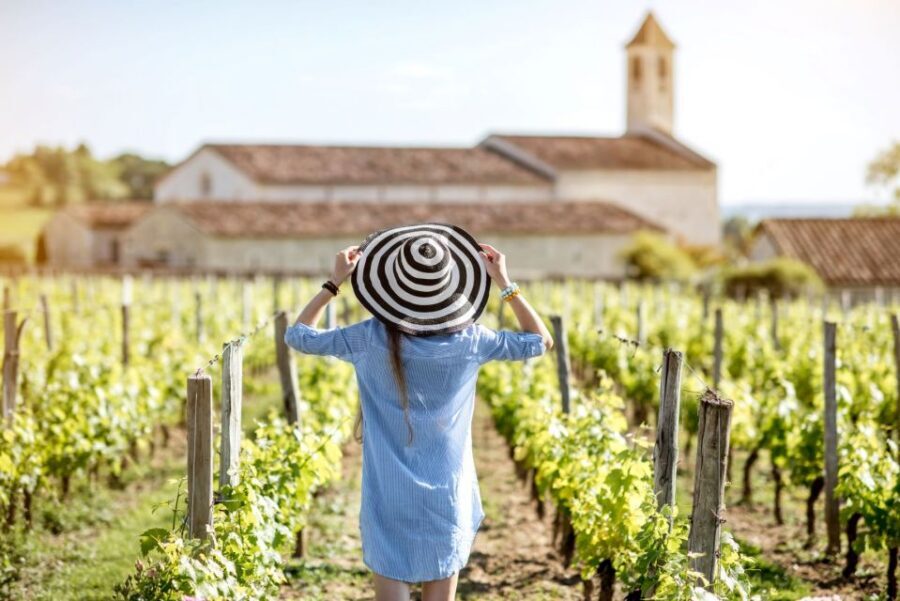
St-Émilion is on the Right Bank side of Bordeaux wine country, part of an area often grouped under Libournais. If you picture Bordeaux as “two banks,” this tour is your fast ticket to the right one: the region connects with Pomerol across the landscape, and the same Merlot-heavy style shows up again and again.
Here’s the wine logic you’ll hear repeated all day: Merlot dominates, Cabernet Franc is a close second, and Malbec is a very small presence that’s fading away. Cabernet Sauvignon is less common here because the climate and cooler, wetter soils make it harder for it to fully ripen. That one detail helps you taste smarter. Instead of asking what’s in the glass, you start guessing why the wine tastes the way it does.
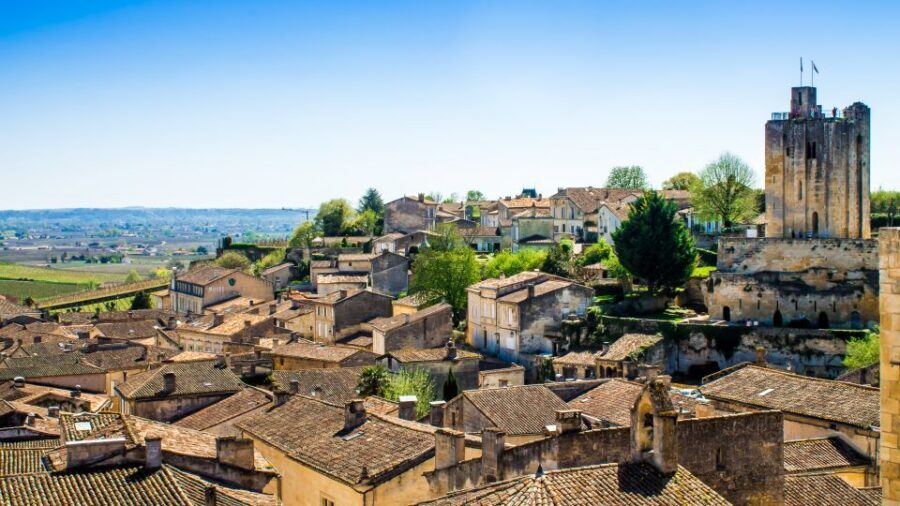
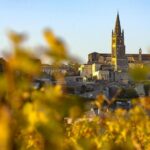
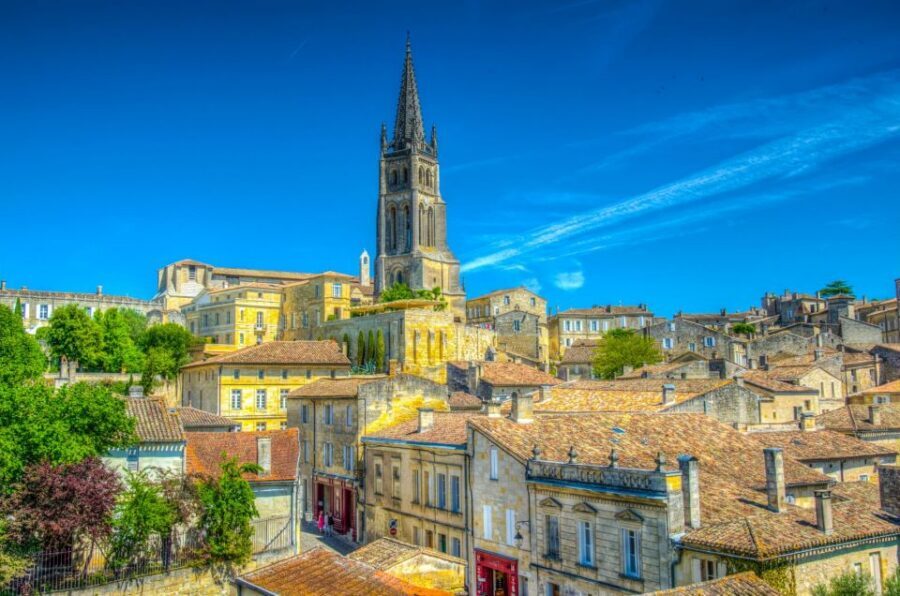
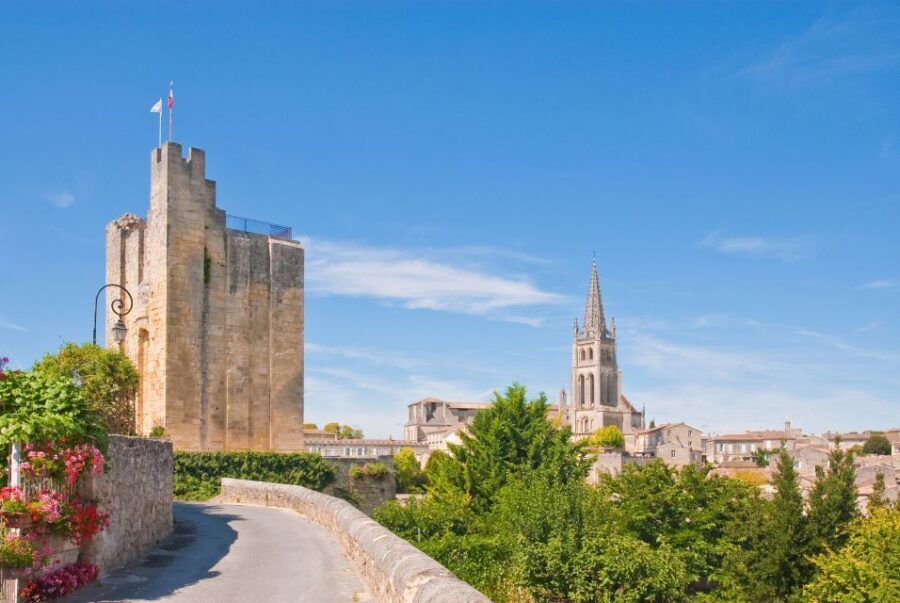
You’ll also see how a region becomes a destination. St-Émilion is not just about cellar doors. The hilltop medieval streets, church monuments, and the unusual underground spaces make it a place you’ll want to slow down. This tour does a good job mixing wine education with enough time on foot to feel the town, not just pass through it.
Other Saint-Émilion wine tours we've reviewed in Bordeaux
The Drive From Bordeaux: Wine Explanations That Stick
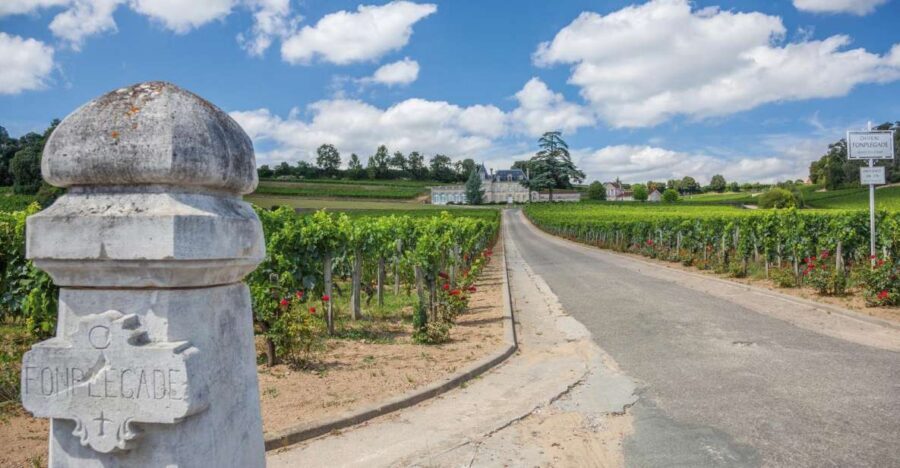
You start in central Bordeaux at 12 cours du 30 Juillet, meeting in front of the tourism office. After that, you’re in the minivan with your driver/wine guide, and the day begins before the first glass.
This matters more than it sounds. A lot of wine tours start tasting immediately, and people just end up with a buzz and a blur. Here, your guide typically sets up the region first. You learn the basic grape roles and how the cooler, damp conditions influence style. You may also get guide-style storytelling and humor in the car, which keeps the long ride from feeling long.
Several guides have a strong teaching vibe. For example, people have praised guides like Rodolphe for deep wine and St-Émilion knowledge plus comedic bits, and Lea or Karim for sharing lots of practical tasting thinking. One guide even used wine-themed games to keep everyone alert on the way back. That kind of energy is not just entertainment. It helps you remember what you tasted, because your guide keeps giving you a framework you can use in each winery.
Bring that framework with you into the first château visit. Your goal isn’t to memorize wine labels. It’s to start tasting with questions: Is the wine more fruity or more structured? Does it feel lighter or heavier? What does the soil or farming approach seem to be doing?
Chateau Stop #1: Classified Growth, First Impressions, Real Comparisons
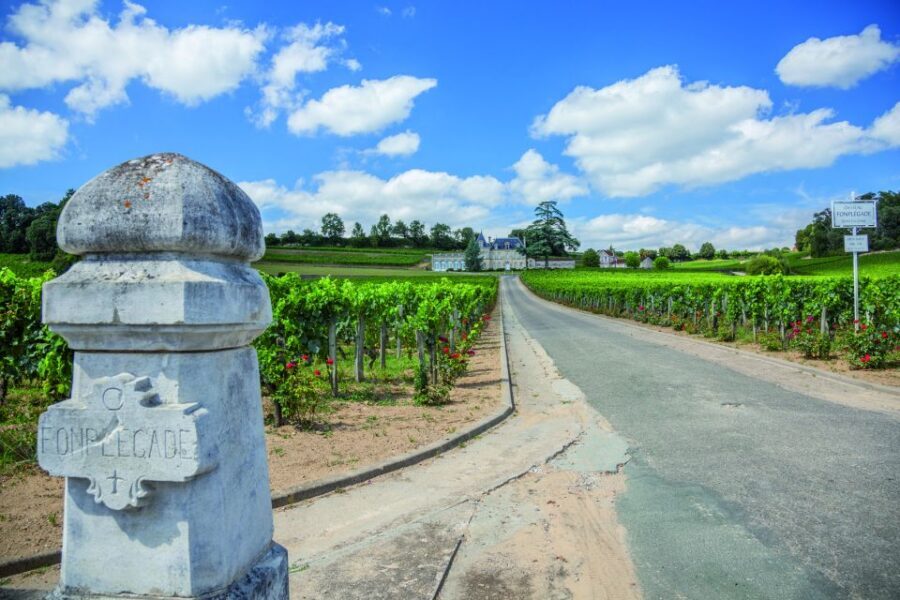
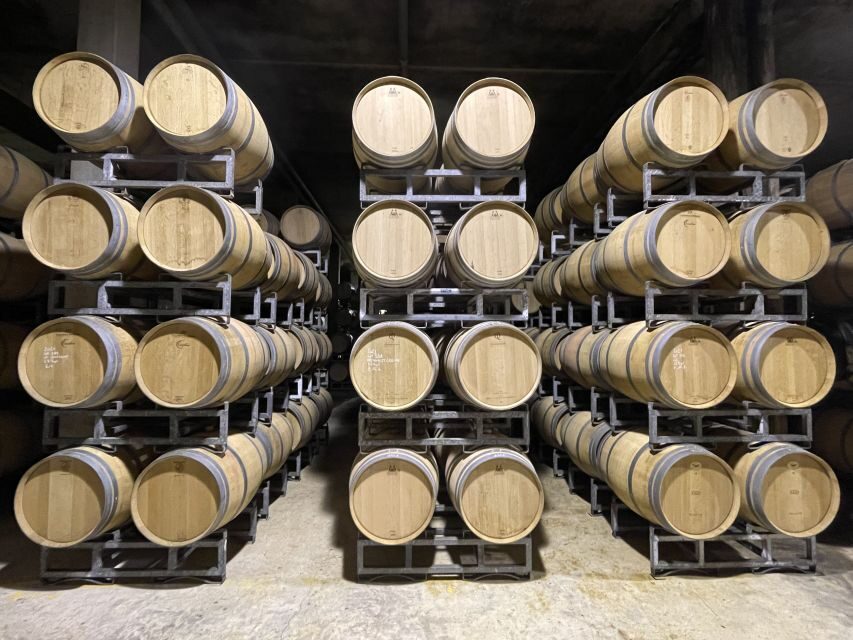
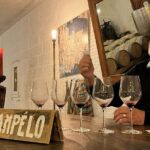
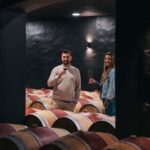
Your first winery visit is built as a full tasting experience, typically about an hour at the château. This is where the tour earns its keep: you’re not just standing in a room for a quick sample. You’ll usually get a guided visit and then taste wines that fit that chateau’s style.
Classified growth châteaux can be traditional and family-run, but they also range in how they farm and craft. Some days (based on past tour patterns) you might hear about growing practices and the idea of fewer or no pesticides, or you might get a “classic versus modern” feel at another stop. Guides also often explain the tasting logic before you pour, which makes a big difference if you’re new to Bordeaux wine.
Think of this first stop as your baseline. By the time you taste the first Merlot-forward red, you’ll be learning what you like in the region’s style lane. You’re also calibrating your palate: do you prefer freshness and lift, or more weight and softness?
If you’re the type who fears you won’t know what to ask, don’t worry. A good guide makes it easy. People have mentioned guides asking for questions and tailoring explanations to different wine levels within the group, so beginners aren’t left behind and more advanced drinkers still get interesting details.
Chateau Stop #2: How to Use the Midday Momentum (and Lunch Time)
The second tasting stop also runs about an hour, followed by the St-Émilion break. This mid-day segment is where the tour’s structure helps you. You’ll taste, then you’ll reset in town.
Why that rhythm works:
- You get variety without losing the plot.
- Your palate doesn’t get overwhelmed by nonstop pours.
- You walk in St-Émilion with fresh eyes instead of coming to town already tired.
A few past departures have included extra touches, like pairing ideas. One group even reported cheese at one vineyard stop, which is not promised, but it shows what “more than just tasting glasses” can look like on a good day.
If you’re comparing wines across châteaux, try this simple method in the second stop: write down (mentally is fine) what you liked about the first tasting, then compare how the second chateau shifts that feeling. Is it more aromatic, more tannic, or more savory? When you do that, the St-Émilion part of the day stops feeling like a break and starts feeling like part of the same story.
Then comes the town time. Expect a couple of hours in St-Émilion for lunch and personal exploring. In practice, scheduling can make it feel closer to about 90 minutes to two hours, but you do get meaningful free time.
St-Émilion on Foot: Guided Monuments, Free Browsing, and Underground Time
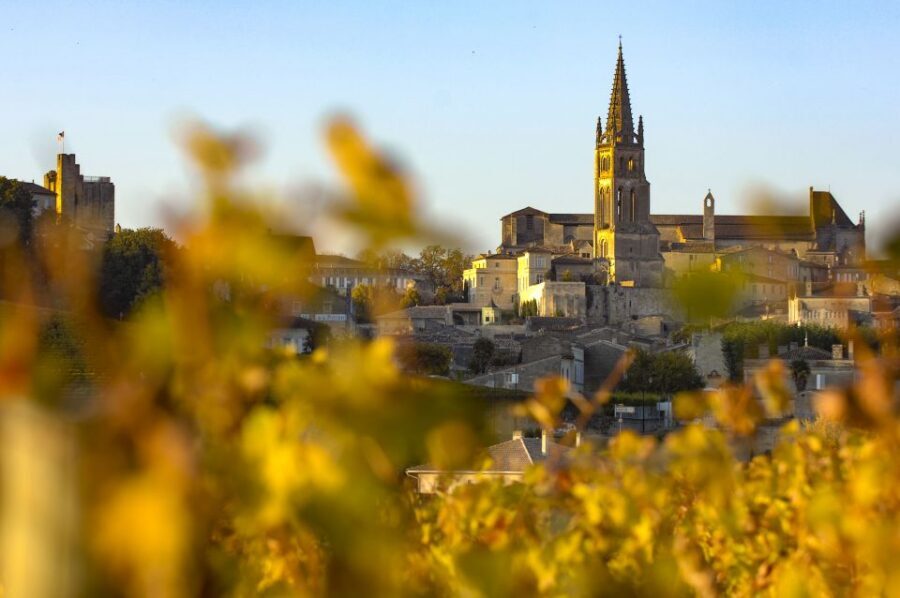
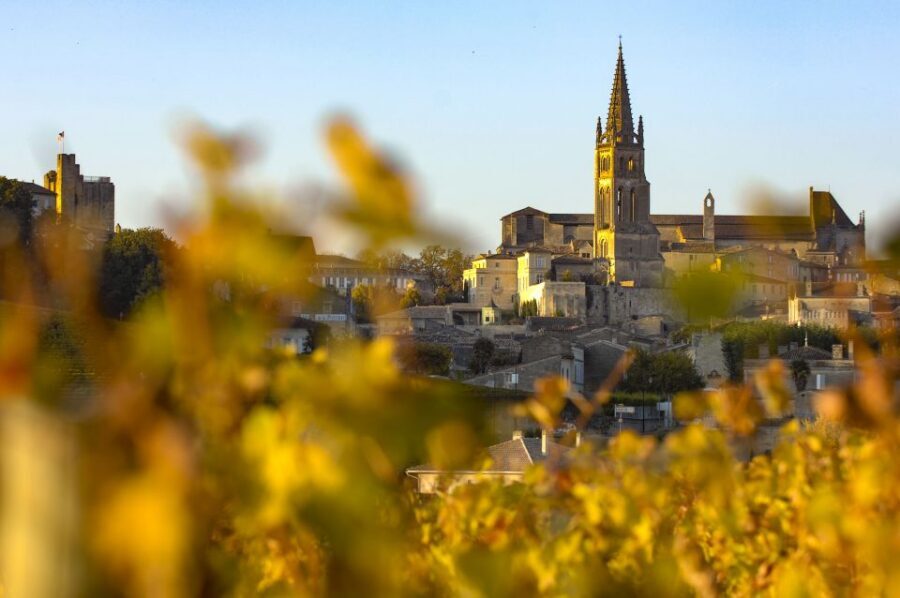
The tour’s town portion starts with a short guided walking tour of St-Émilion village. This is the “get your bearings fast” stage. You’ll see the main monuments and learn how the town grew around the wine economy.
What makes this walk worth your time is that it gives context for what you’re looking at. St-Émilion isn’t just pretty stones. It’s a functioning medieval wine town with a layout shaped by its economic role. Even if you’re mostly into wine, this is where the culture clicks into place.
After the guided section, you’re on your own for lunch and discovery. This is when St-Émilion becomes a sensory experience: shop windows full of bottles, small streets that feel like you turned a page in a film set, and plenty of spots to pause.
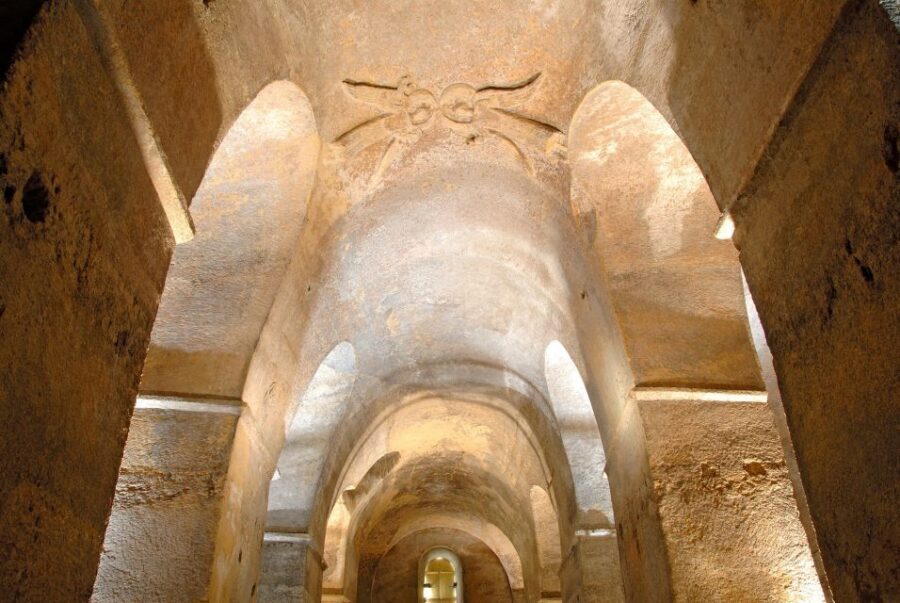
You can also visit the underground monuments during your town break. Entrance fees are not included, so check what you want to do before you settle in for lunch. If underground is on your list, give yourself enough time to do it without rushing back for the group.
One practical tip: wear comfortable shoes. Even though the tour is timed, St-Émilion’s streets are not made for fragile soles or long flights of steps you didn’t expect. Comfortable shoes will make the difference between a fun wander and a “we must hurry” wander.
Other food & drink experiences in Bordeaux

Chateau Stop #3: Finishing the Day With Your Favorites in Mind
The last château visit is another about an hour of tasting and visit time. This final stop is often where people start to answer the question they came with: which wines do I actually want to remember?
By the third tasting, you’ve already built:
- a grape and region baseline (Merlot-led Right Bank style),
- comparisons between châteaux,
- and some mental notes about what you enjoyed.
That makes the last glass more satisfying. Instead of tasting everything equally, you’re tasting with intent. You might even find styles that surprise you. One person mentioned liking several reds after realizing they’re usually a white wine person. That’s common when guides help you understand the structure, not just the flavor.
Some departures in similar formats have included stops that go slightly outside strict St-Émilion boundaries in nearby areas, like Fronsac. The core promise stays the same: a classified growth tasting experience tied back to the day’s learning.
Also, keep your energy up. After several tastings and a town walk, it’s easy to slow down your attention. If your guide is still teaching, lean in. The last hour is often when the guide’s explanations help you make sense of what you liked earlier.
Timing, Minivans, and the Pace That Keeps It Fun
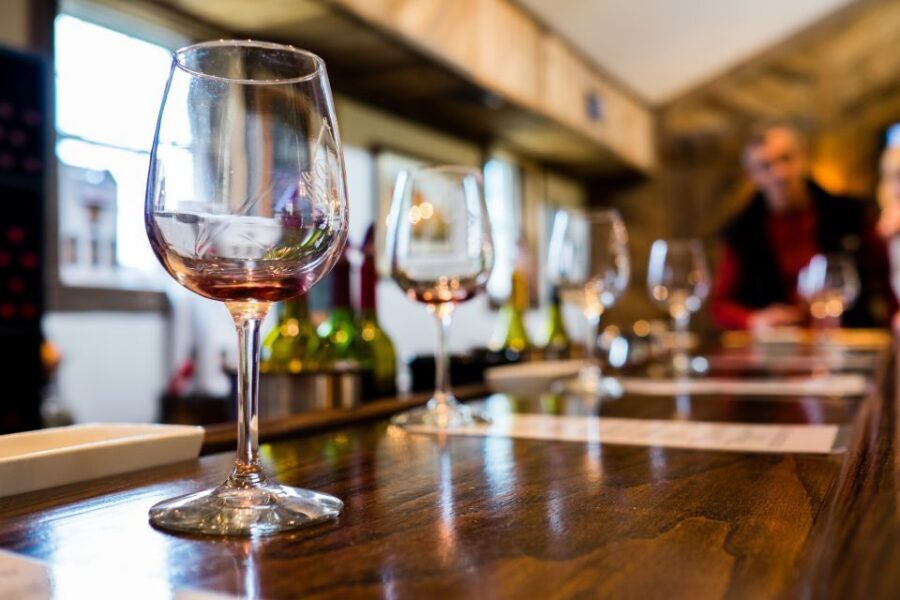
This tour runs about 8 hours total. The pacing is one of its quiet strengths. You’re not stuck at a single location all day, but you also don’t feel like you’re sprinting. Between stops, you’ll be driven in a comfortable minivan with plenty of time to regroup.
Group size matters too. With a maximum of 8 passengers, you’re more likely to get your questions answered and less likely to feel like you’re in a school assembly. One consistent theme from people who did this tour is that the small group makes it feel close to a semi-private day, even though it’s not marketed as a private charter.
About the schedule shape: there’s a winery early, a second around mid-day, then the town break with lunch time, then the last tasting. That layout is designed to keep you coherent. Wine plus long dead time in a bus is not the goal here.
Rain or shine is part of the plan. If weather turns, St-Émilion can still be enjoyable, but you’ll want that comfortable footwear. Also keep in mind your guide will be balancing outdoor sights with group timing, so don’t plan to wander off wildly during the guided or transition moments.
Price and Value at $247: What You’re Really Paying For
At $247 per person, this isn’t a cheap outing. But it also isn’t “just a tasting bus ride.” You’re paying for:
- three scheduled château visits and guided tastings,
- transport in a minivan with an English live guide/driver/wine guide,
- a guided walking tour in St-Émilion, and
- the small-group cap that improves the flow of the day.
The cost starts to make sense if you compare it to piecing together the day yourself. Getting organized to visit multiple châteaux in one stretch, plus scheduling town time and paying for entry/tastings, is not simple. This tour bundles the work into a single, timed experience.
That said, plan for the extras:
- Meals are not included.
- Drinks are not included.
- Entrance fees for monuments and attractions beyond the walking tour are not included.
So do yourself a favor: eat well before you go. In France, snacks often aren’t provided during tastings to keep the wine experience pure. If you show up hungry, you might enjoy the day less, even if the wine is excellent.
If you like wine but you’re short on time, I think this price can be a good fit. If you’re a die-hard collector planning to visit dozens of specific châteaux, you’ll probably want to build a custom itinerary. For most visitors, though, this gives a strong “sampling plus understanding” payoff in one day.
Who This Tour Fits Best (and Who Should Rethink It)
This is an adult-only tour. If you travel with kids, you’ll need a different option.
It also isn’t wheelchair accessible, so if mobility is a concern, you should choose something designed for that.
Beyond that, here’s the best match:
- If you’re new to Bordeaux and want structured tastings plus real context.
- If you want to see St-Émilion without guessing transport or time.
- If you prefer a small group where your guide can keep pace and answer questions.
- If you like guides who use humor and stories to keep wine education from feeling like homework. Many departures note guides like Mirela, Mathis, Lea, Julie, Hugo, and Nicolas for that mix of information and fun.
If you already know your way around wine and want maximum independence, you might feel constrained by the set schedule and the fact that winery visits are not private. Still, the day’s value is in its guided comparisons.
A quick note on what you bring: pack an ID/passport and comfortable shoes. That’s it for what you’re definitely asked for. Also, bring water habits into your own control. Tastings + walking add up fast.
Should You Book This St-Émilion Wine Tasting Tour?
Yes, I’d book it if you want one day that covers the core of the Right Bank with minimal hassle. The combination of three classified growth châteaux, a guided St-Émilion orientation walk, and enough free time to enjoy lunch and monuments makes it a strong use of an 8-hour window.
I would not book it if you hate fixed schedules, don’t want to plan your meals, or need accessibility accommodations. Also, if you’re looking for a fully private wine day with no group dynamics, this isn’t that.
My practical bottom line: if this is your first Bordeaux wine region visit, this tour is a smart entry point. You’ll leave understanding why Merlot takes center stage in this area, and you’ll have tasted enough variety across different châteaux to know what you personally like.
FAQ
How long is the St-Émilion wine tasting tour from Bordeaux?
It lasts 8 hours.
How much does the tour cost?
The price is $247 per person.
Where do we meet for the tour?
Meet in front of the central Bordeaux tourism office at 12 cours du 30 Juillet, 33000 Bordeaux.
What is included in the experience?
You get visits and wine tastings at 3 classified growth châteaux, a walking tour of St-Émilion village, an English live driver/wine guide, and transport in a comfortable fully equipped minivan.
Is lunch included?
No. Meals and drinks are not included, and snacks are usually not provided during wine tastings.
Is the tour wheelchair accessible?
No, it is not wheelchair accessible.
What language is the guide?
The tour is in English only.