REVIEW · BORDEAUX
Full-day Saint-Emilion: Village, Undergrounds and Châteaux
Book on GetYourGuide →Operated by OFFICE DE TOURISME DE BORDEAUX · Bookable on GetYourGuide
Saint-Émilion feels like two places at once: light and underground. This full-day trip from Bordeaux mixes Grand Cru-classed wine estates with a guided walk through the village’s carved-out underground world, then wraps with another tasting and time to wander on your own.
I especially like the pacing: a real winery visit and tasting early, an unhurried stretch in the village for lunch on your own, then a guided underground monuments segment when you’ll want a knowledgeable set of eyes and context. The wine program is also practical—two tastings at Château Balestard La Tonnelle and Château Champion—so you get to compare styles and learn how classifications show up in everyday production.
One drawback to think about: the underground portion requires walking, and the tour is not accessible for people with limited mobility.
In This Review
- Key things to know before you go
- A full-day structure that keeps Saint-Émilion from feeling rushed
- Château Balestard La Tonnelle: vineyard views and two wines worth paying attention to
- Bordeaux to Saint-Émilion by coach: simple logistics, steady timing
- Saint-Émilion free time: the 90 minutes that make or break your lunch
- Underground monuments in Saint-Émilion: Monolithic Church and the catacombs
- Château Champion with the winemaker: three wines, one clearer picture
- Price and value: what you’re really paying for at $116
- Who this Saint-Émilion day fits best
- Should you book this Saint-Émilion tour?
- FAQ
- FAQ
- How long is the Saint-Émilion tour?
- What’s included in the wine tastings?
- Is lunch included?
- What underground sites are visited?
- Where do I meet the tour?
- What languages is the guide?
- What should I bring, and is it wheelchair accessible?
Key things to know before you go
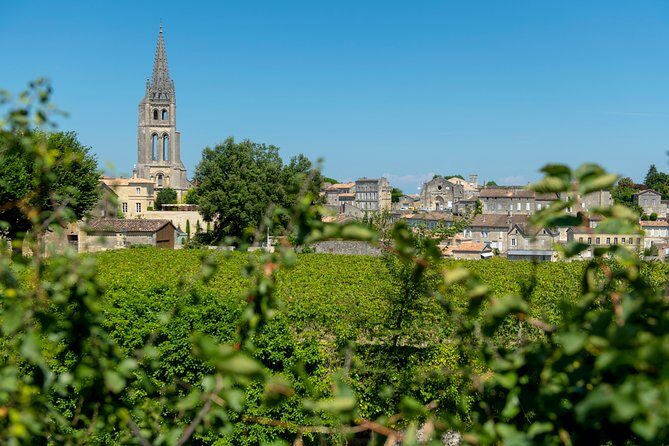
- Panoramic vineyard views at Château Balestard La Tonnelle before you taste
- Free time in Saint-Émilion so you can pick your own lunch and wander at your own speed
- Guided underground monuments including the Monolithic Church and catacombs
- Three-wine tasting at Château Champion with the winemaker
- One bilingual guide (English/French) to keep history and wine talk clear
- Coach day from Bordeaux with a full 8-hour run and a 6:00 PM return window
A full-day structure that keeps Saint-Émilion from feeling rushed
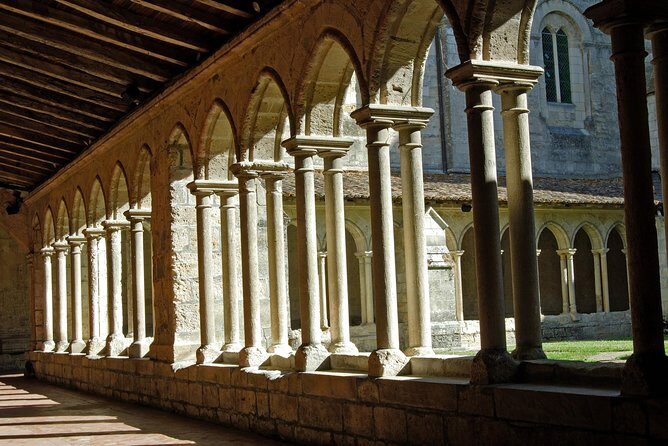
This tour is built like a sensible day out, not a nonstop marathon. You start with transport from the Bordeaux Tourist Office, then hit a château visit before you’ve fully arrived in Saint-Émilion mode. That matters, because once you’re in the village, the day becomes a mix of walking, standing around for tastings, and a one-hour guided walk through underground sites.
You’ll also get variety in the most important way: the day alternates between sensory experiences (tastings, vineyard views), “read-and-look” moments (history explanations), and personal time (stroll time in the village). If you like travel days where you can pay attention without feeling behind, this schedule should work.
Plan for footwork. You’ll be on your feet during the guided underground portion and again during your village time, and the tour asks you to bring comfortable shoes and warm clothing. Even if it’s mild above ground, underground spaces often feel cooler.
Other Saint-Émilion wine tours we've reviewed in Bordeaux

Château Balestard La Tonnelle: vineyard views and two wines worth paying attention to
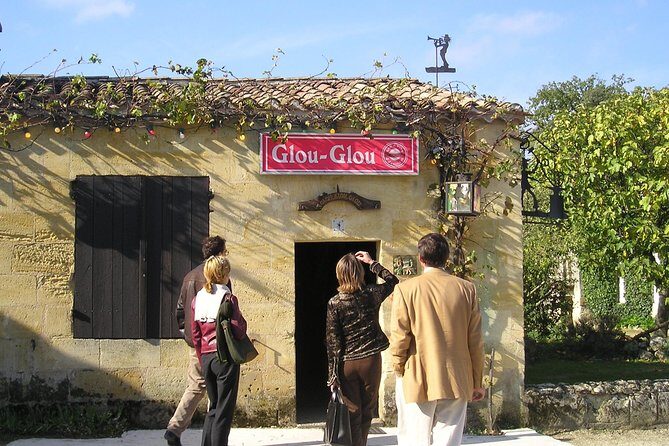
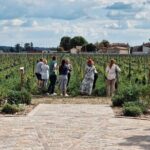
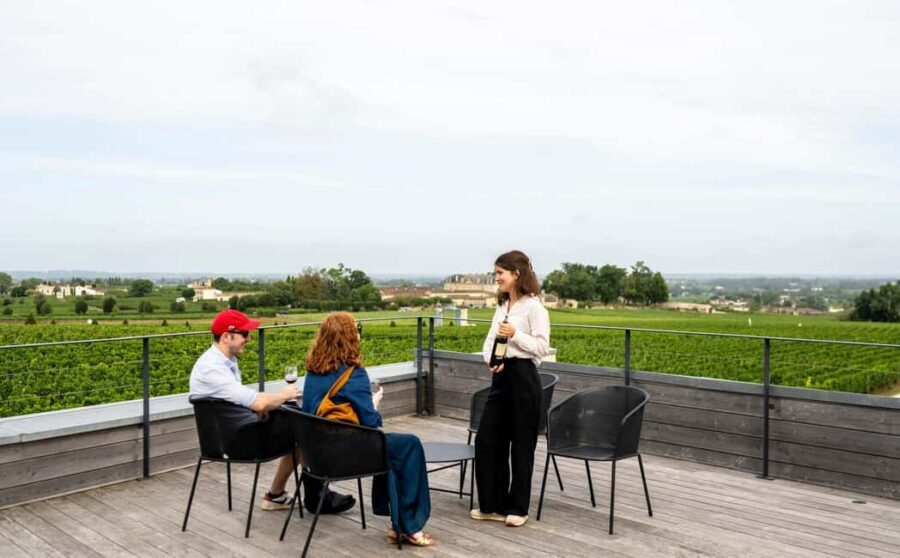
The day’s first château stop is Château Balestard La Tonnelle, a Grand Cru Classé estate. You’re not just showing up for a quick sip; you’ll have a structured winery visit and a wine tasting (75 minutes total for this stop).
What makes this stop valuable is the order of events. You get the context first—seeing the estate and its setting, then tasting. That sequence helps you connect what you see in the vineyard landscape (and the estate’s character) with what ends up in the glass. You’ll taste two wines included in the price, which is a good amount for a first tasting of the day. It’s enough to notice differences without turning your palate into mush.
If you’re the kind of person who wants more than labels, this is the right moment to be curious. Ask about what makes a Grand Cru Classé estate different in day-to-day production and how it affects style. The tour is designed to cover those kinds of classification lessons, and the tastings are a practical place to ask “what does this mean in real terms?”
Tip: take a minute during the tasting to write down what you liked and why (even a short note). Later, when you taste again at Château Champion, you’ll be able to compare with a clearer memory.
Bordeaux to Saint-Émilion by coach: simple logistics, steady timing
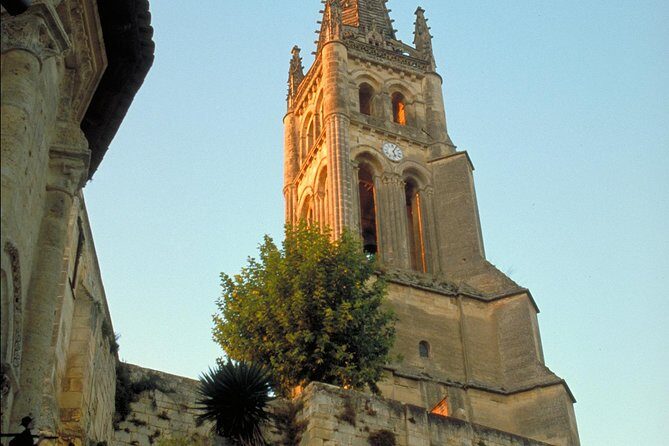
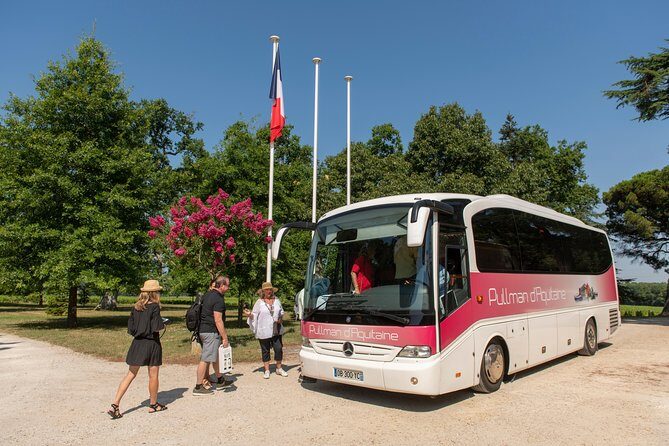
The transportation part is straightforward: you depart from the Bordeaux Tourist Office at 12 cours du 30 juillet, and you ride by coach for about an hour to reach Saint-Émilion. The meeting point is also easy to find if you’re using the tram—Tram B or C, stop Quinconces.
Why this matters for value: it keeps the day from turning into a self-planned transit puzzle. You’re spending time doing the sights and tastings, not managing schedules between train times and parking.
Timing is tight enough to feel like a full itinerary, but not so tight that you get constant “hurry up” energy. The tour’s layout gives you built-in transitions: coach to the first château, coach to the underground area, then coach back toward Bordeaux at the end of the day.
Saint-Émilion free time: the 90 minutes that make or break your lunch
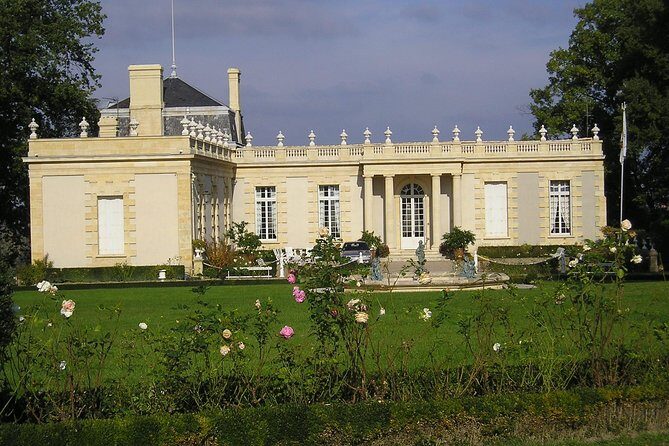
After the first château, you get free time in Saint-Émilion from about 12:15 PM to 2:15 PM, with around 1.5 hours for walking. Lunch is not included, so this is your chance to choose the kind of meal you actually want—quick and casual, or something slower with a view.
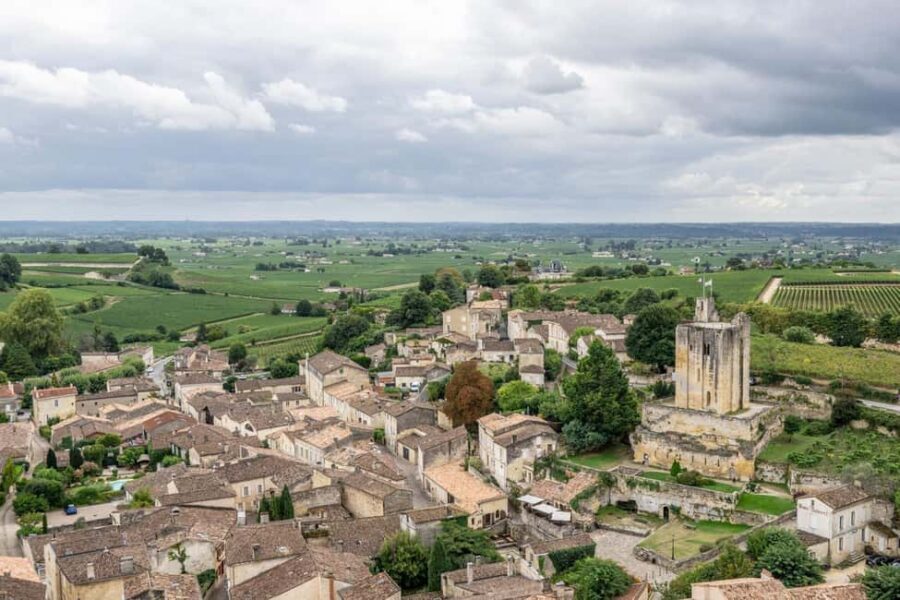
This free period is smart because Saint-Émilion is a place where you’ll want to adjust based on what you like. If you want photos, you’ll naturally drift toward the best lanes and viewpoints. If you prefer quiet, you can step away from the main flow and find side streets.
Practical move: before you stop for lunch, take 10 minutes to get oriented. The village’s medieval streets can feel like a maze if you rush straight from the coach to a restaurant. Walk a few turns, then pick a spot. You’ll waste less time and enjoy the village more.
Also, keep an eye on your timing. That free time is generous enough for a simple meal, but it’s not a whole afternoon. If you want to buy wine for gifts, this is also one of the best windows to do it—without interrupting the guided parts.
Underground monuments in Saint-Émilion: Monolithic Church and the catacombs
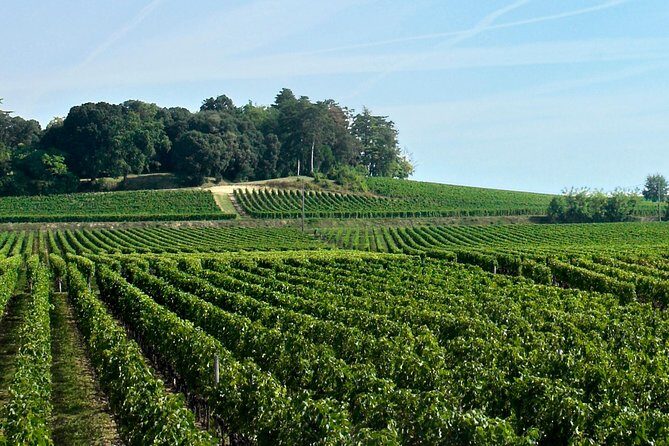
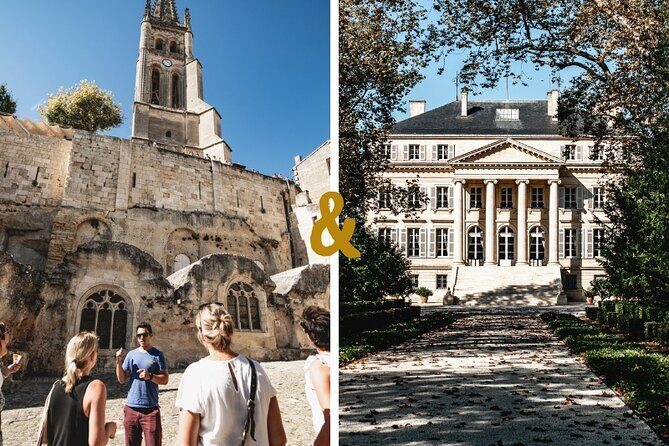
The highlight that turns a wine day into a history day is the underground segment at about 2:15 PM: a guided tour of Saint-Émilion’s underground monuments.
You’ll visit several key stops, including:
- the Monolithic Church, carved entirely from limestone
- the Trinity Chapel
- the Catacombs and the village’s underground network
- the Hermitage of Monk Émilion, tied to the founder of the village tradition
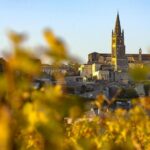
This portion is valuable because it gives you a new way to understand the village. Above ground, Saint-Émilion reads as medieval—stone lanes, churches, and châteaux around every corner. Underground, you see how the place was shaped by limestone extraction and how communities used that underground space.
Even if your history skills are rusty, the guided format helps. A good guide keeps the story connected: what you’re looking at, why it exists, and how it fits into Saint-Émilion’s identity. And because you’re walking through dark or tight spaces, you’ll be glad there’s a plan instead of trying to figure it out on your own.
One practical note: bring your warm layer. Underground sites can feel chilly, and you’ll likely stand still for explanations. Comfortable shoes are also non-negotiable here.
Other château-visit wine tours in Bordeaux



Château Champion with the winemaker: three wines, one clearer picture
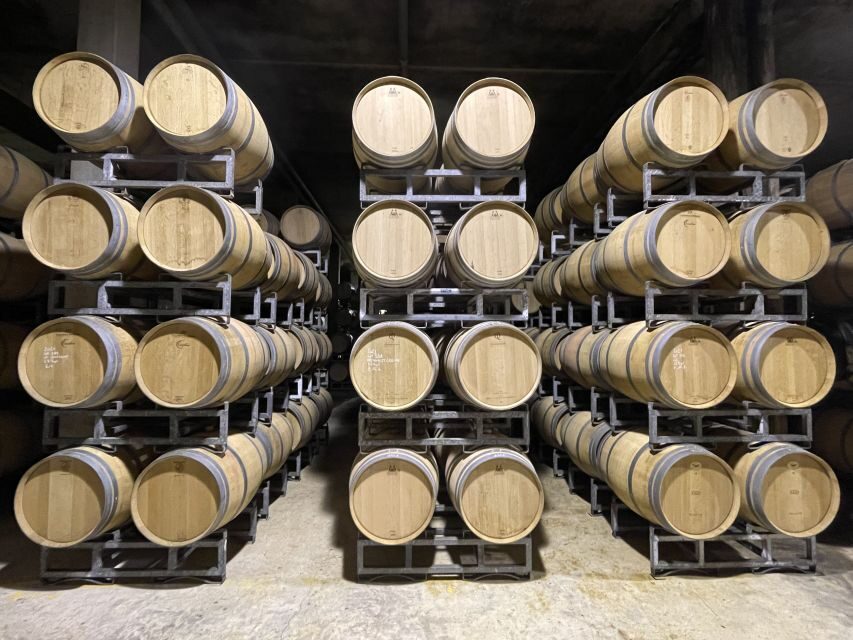
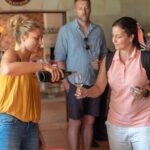
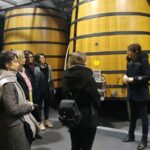
Toward the end of the day, around 4:00 PM, the tour shifts back to wine with Château Champion. Here you’ll taste three wines, and you’ll also have time to engage with the winemaker, who shares insights into the art of winemaking and the estate’s history.
The reason this stop works so well after the underground tour is pacing of your brain. After history and stone, wine becomes the reward—and the focus gets more sensory again. With three wines, you also get a more rounded sense of the estate’s range than you did earlier.
This is where you’ll likely notice how classification and terroir talk translates into glass character. The tour format also supports questions about what a Grand Cru or Grand Cru Classé label really means when a winemaker is making choices about style, blending, and aging.
If you’re a wine person, this is a great moment to ask targeted questions like:
- what they think makes their top cuvées different
- how they describe balance (not just sweetness or strength)
- what they recommend pairing with typical regional food
If you’re not a wine person yet, don’t worry. The best winemaker conversations start with simpler observations: what tastes fruit-forward versus earthy, what feels lighter versus heavier, and which bottle you’d actually want for dinner.
Price and value: what you’re really paying for at $116
At $116 per person for a full 8-hour day, you’re paying for three things that are hard to replicate cheaply on your own:
1) Coach transport from Bordeaux with a full itinerary planned for you
2) Paid access to the underground monuments
3) Two château tastings (Château Balestard La Tonnelle for two wines, plus Château Champion for three wines)
That’s the value logic. If you tried to copy it DIY—transport, ticketed underground entry, and structured tastings at two estates—you’d likely end up spending similar money without the convenience of a guided flow.
It’s also good value because you get both guided and unguided time: the underground portion is handled by a bilingual guide, while the village time is yours. That balance reduces the risk of a “tour bus theater” day.
Who this Saint-Émilion day fits best
This is a great fit if you want:
- a wine-and-history day without planning every step
- structured tastings where someone can explain classification in plain language
- time in the village that isn’t micromanaged
- an underground experience that’s guided rather than just ticketed
You should think twice if you’re dealing with mobility limitations, since the tour isn’t accessible for people with limited mobility.
Should you book this Saint-Émilion tour?
If you want one day that gives you medieval Saint-Émilion above ground plus the village’s underground world below it, I’d say booking makes sense. The tastings are thoughtfully spaced—two wines early, then three wines later—and the schedule gives you a real chance to enjoy the village instead of rushing through it.
Book it if you’re happy walking on your own two feet for part of the day, you want a guided underground visit, and you like learning through wine tastings rather than just sightseeing.
Skip it if you want a fully low-walking day or if you know underground spaces and uneven stone are a problem for you.
FAQ
FAQ
How long is the Saint-Émilion tour?
It lasts 8 hours.
What’s included in the wine tastings?
You’ll visit Château Balestard La Tonnelle with a tasting of 2 wines, and later you’ll taste 3 wines at Château Champion.
Is lunch included?
No. Lunch is not included, and you’ll have free time in Saint-Émilion to eat on your own.
What underground sites are visited?
The guided underground monuments tour includes the Monolithic Church, Trinity Chapel, Catacombs, and the Hermitage of Monk Émilion.
Where do I meet the tour?
Meet at the Bordeaux Tourist Office, 12 cours du 30 juillet, Bordeaux. The tram stops are Tram B or C at Quinconces.
What languages is the guide?
The tour guide is bilingual, in English and French.
What should I bring, and is it wheelchair accessible?
Bring comfortable shoes and warm clothing. The tour is not accessible to people with limited mobility.