REVIEW · BORDEAUX
Tasting of Bordeaux red wines, wine and charcuterie pairings
Book on Viator →Operated by I love my 2cv · Bookable on Viator
Bordeaux clicks fast when you taste with experts. This small-group session is built for real learning: you compare Left Bank vs Right Bank red styles, taste four selected wines, and practice how aromas and flavors shift with food and time.
I love two things here. First, the max-6 group format keeps it personal, so you can ask questions and actually get answers. Second, the tasting method comes with a tasting booklet, so you leave with a usable guide, not just a memory.
One thing to consider: the food is described as charcuterie pairings, and some pairings may lean more meat-forward than you expect if you were hoping for lots of cheese.
In This Review
- Key things to know before you go
- Bordeaux reds in one hour: the smart “starter course”
- Where you start in Bordeaux: 25 Av. Thiers and a mobile ticket
- Your hosts set the tone: Mathilde, Cécilia, and the focus on your questions
- The tasting method: train your nose, not your memory
- The Left Bank and Right Bank showdown: Médoc structure vs Saint-Émilion softness
- Four selected reds plus a mystery glass and an aging lesson
- Food pairing: charcuterie snacks that teach you what changes
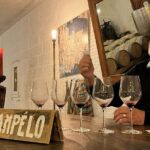
- Where you’ll taste: stone room, private courtyard, or cellar
- You get a tasting booklet: use it to buy smarter
- Price and scheduling: a good buy if you want guidance, not just drinking
- Who this is best for (and who might want something else)
- Should you book this Bordeaux red tasting with charcuterie?
- FAQ
- How long is the Bordeaux red wine tasting?
- How many wines will I taste?
- Where is the meeting point?
- What is the group size?
- What language is the tour offered in?
- What food is included?
- Does the tour include a tasting booklet?
- Where does the tasting take place?
- Can I cancel for a full refund?
Key things to know before you go
- Small group, real Q&A so you are not stuck watching from the back
- Left Bank vs Right Bank comparison using Médoc and Saint-Émilion styles
- Six-ish tasting moments including a mystery glass and a mature wine
- Charcuterie pairings that teach you how food changes what you notice in wine
- Take-home booklet to help you remember what to buy next
- Seasonal setting in a stone room, private courtyard, or cellar
Bordeaux reds in one hour: the smart “starter course”
If Bordeaux feels intimidating, this is a friendly fix. In about one hour, you go from basics to “I can taste the difference” territory. The pace is quick, but not rushed. It’s the kind of lesson that helps you make choices later—whether you’re picking a bottle at a shop or trying to decode a wine list.
The value is strongest if you like guided tastings but hate wasting money on guesswork. At $46.99 per person, you’re paying for two things that are hard to DIY: expert coaching and structured tasting. Plus, you’re not drinking wine alone—you get snacks and pairings that help you train your nose and palate.
Other food & drink experiences in Bordeaux

Where you start in Bordeaux: 25 Av. Thiers and a mobile ticket
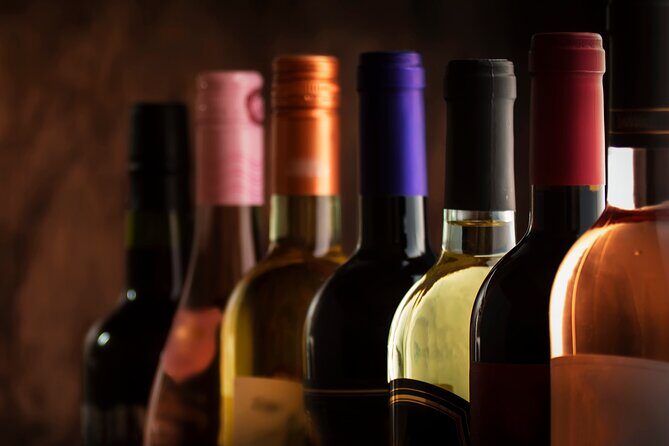
You meet at 25 Av. Thiers, 33100 Bordeaux. It’s a practical location because it’s near public transportation, and the session ends back at the meeting point.
You’ll use a mobile ticket, which is convenient in a city where you’ll probably be walking and relying on phone maps. Service animals are allowed, and the experience is marked as suitable for most travelers.
Your hosts set the tone: Mathilde, Cécilia, and the focus on your questions
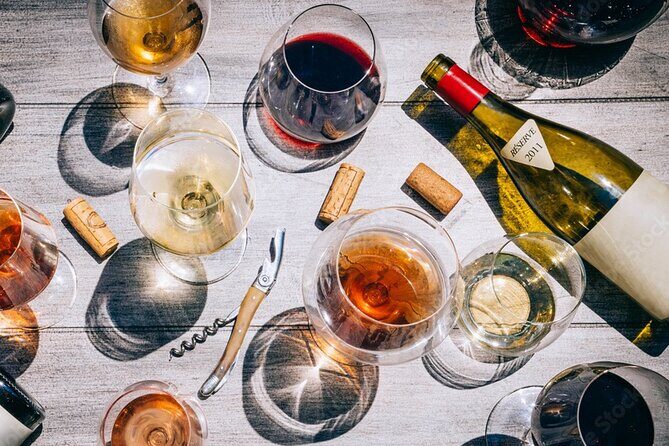
The tasting is guided by certified experts—Mathilde and Cécilia are named for this experience. Reviews also suggest sessions may include other expert hosts (like Ilona), but the key is consistent: you’re not just tasting. You’re learning how to taste.
What makes the hosting feel useful is that the instruction adapts to you. You get chances to ask questions, and the explanations are framed around what you’re smelling and tasting right then. That’s how the lesson sticks.
The tasting method: train your nose, not your memory
This is not a wine lecture. It’s more like a guided practice session. You learn how to pay attention to small cues: aroma, texture, and flavor, and how those change in the glass and then with food.
You also learn that Bordeaux reds can vary widely depending on where the grapes are grown and how they’re made. The tasting frames it around two big ideas you’ll see everywhere in Bordeaux:
- Grape variety
- Terroir and winemaking choices
Once you have that framework, tasting becomes easier. You stop thinking, I hope this tastes good, and start thinking, I know what I’m detecting and why.
The Left Bank and Right Bank showdown: Médoc structure vs Saint-Émilion softness
One of the biggest draws is the Left Bank vs Right Bank comparison, explained in plain terms and then proven through what you taste.
You’ll focus on:
- The Left Bank style, described around structured Sauvignon Cabernet from the Médoc
- The Right Bank style, described around soft and fruity Merlot from Saint-Émilion
The point isn’t to memorize labels. It’s to learn how style shows up. In a structured Left Bank wine, you’re more likely to notice firmness and shape—often with a stronger backbone. In a Right Bank Merlot-focused wine, you’re more likely to notice roundness and easier fruit expression.
That mental comparison is the fastest way to understand Bordeaux at a shop later. You’ll be able to scan a menu and think, This is aiming at structure, or this is aiming at softness.
Other wine tours in Bordeaux



Four selected reds plus a mystery glass and an aging lesson
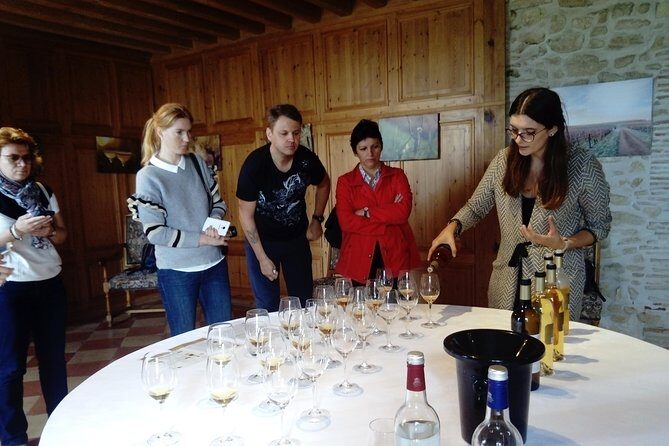
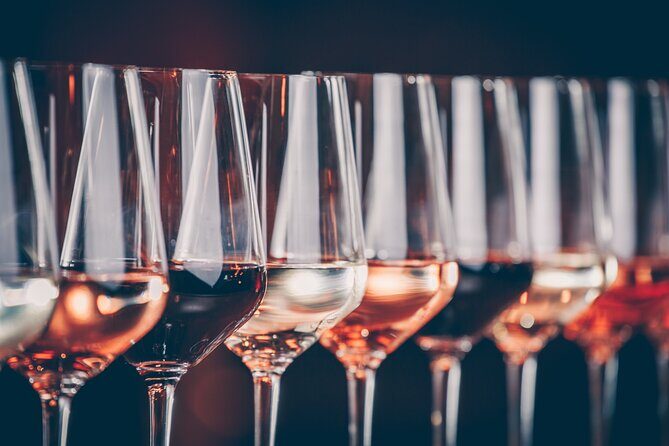
You’ll taste four carefully chosen wines, and the lineup can include mono-varietals or blends. Some come from family estates in organic practices, and some are linked to Grand Crus (so the tasting covers both everyday styles and top-tier tradition).
On top of the four wines, you also get:
- A mystery glass (a practice moment for your senses)
- A mature wine to show what aging does
This is one of the best parts for real-world wine drinkers. Most tastings teach you what wine tastes like today. Here, you get a controlled taste experience that shows how bottle time can change aroma and texture.
And the mystery glass adds a little challenge in a good way. It nudges you to trust your senses and learn to describe what you’re noticing instead of waiting for the guide to tell you every step.
Food pairing: charcuterie snacks that teach you what changes
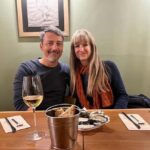
Each wine is paired with a deli/snack pairing, matched to the wine’s flavors. This is where the lesson turns practical.
Wine and food are linked in a sneaky way. Sometimes the wine tastes better with food. Sometimes it tastes different for reasons you can learn to spot. When you taste alongside charcuterie-style snacks, you start understanding how:
- Salt and fat can smooth harsh edges
- Savory flavors can lift certain fruit or spice notes
- Texture in the food can make tannins feel softer or sharper
The best sign this pairing part is done well is how often it comes up in feedback. People consistently call out that the pairing quality is a highlight.
One small consideration: one review noted that the charcuterie experience felt meat-focused with no cheese, even though cheese might have been implied in a description. So if you’re expecting a cheese-heavy board, go in knowing the snack may be built around charcuterie pairings rather than a traditional cheese spread.
Where you’ll taste: stone room, private courtyard, or cellar
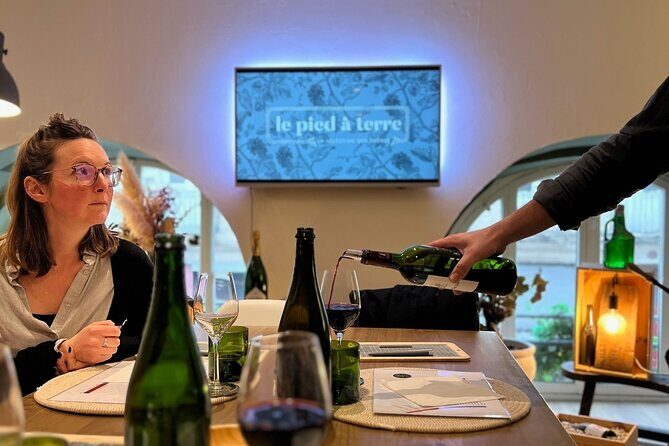
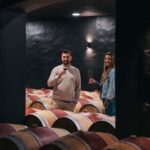
Depending on the season, the tasting happens in one of a few settings: a stone room, a private courtyard, or a cellar. That matters more than it sounds.
- A cellar tends to feel classic and relaxed, with a strong “wine place” mood.
- A stone room is often steady and comfortable for focused tasting.
- A courtyard can be pleasant, but seasonal weather can affect comfort.
Either way, the structure stays the same. You still get the same lesson: compare styles, practice tasting, and learn how wine changes with time and food.
You get a tasting booklet: use it to buy smarter
You leave with a personalized tasting booklet. That’s not just a souvenir. It’s the tool that turns the experience into future savings.
When you’re back in town and looking at bottles, you can use the booklet to:
- Remember the style differences you practiced
- Know what notes you liked and which ones you didn’t
- Make sense of the next tasting menu without starting over
And if you want to take some of the experience home, wines are available for sale. The booklet makes those purchases feel less like gambling.
Price and scheduling: a good buy if you want guidance, not just drinking
At $46.99 for an hour, this tasting is priced like a small, expert-led lesson. It makes sense because you’re not sharing with a huge crowd, and you’re getting a structured comparison of Bordeaux styles plus food pairings and take-home notes.
Two practical scheduling tips:
- Book ahead if you can. This kind of experience averages being booked about 18 days in advance, which suggests it fills on busy weeks.
- If Bordeaux is your base, try to place this early. The clearer your tasting “map” is, the easier it becomes to enjoy the rest of your wine time in the city.
Who this is best for (and who might want something else)
This tour fits best if you:
- Want a high-impact wine lesson without committing to a full day outside the city
- Enjoy tasting but want help understanding what you’re sensing
- Like structured comparisons (Left Bank vs Right Bank) more than random pours
- Want a guided pairing with snacks, not wine by itself
You might look for a different format if you:
- Already know Bordeaux deeply and are hunting for rare, highly technical training only
- Prefer very long tastings (this is about one hour)
- Expect a cheese-forward board rather than charcuterie-style pairings
Should you book this Bordeaux red tasting with charcuterie?
If you’re in Bordeaux and want to understand Bordeaux reds fast, I think this is an easy yes. The small group size, the expert-led comparison of Médoc vs Saint-Émilion styles, and the built-in tasting practice (including the mystery glass and mature wine) are exactly what make this worth booking.
Book it especially if you plan to buy wine later. The tasting booklet plus the food pairing lessons give you a clear way to choose bottles with confidence.
If your expectations are more about spending time eating and socializing than learning, then you can still enjoy it—but the real payoff here is the how to taste part. Go with curiosity, ask questions, and you’ll likely walk out thinking, I can finally read Bordeaux.
FAQ
How long is the Bordeaux red wine tasting?
It lasts about one hour.
How many wines will I taste?
You taste four different wines, plus you’ll also have a mystery glass and a mature wine.
Where is the meeting point?
The tour starts at 25 Av. Thiers, 33100 Bordeaux, France and ends back at the same meeting point.
What is the group size?
The group is limited to a maximum of 6 travelers.
What language is the tour offered in?
The experience is offered in English.
What food is included?
Each wine comes with snacks/charcuterie pairings (deli-style accompaniments) matched to the wines.
Does the tour include a tasting booklet?
Yes. You receive a tasting booklet to take home.
Where does the tasting take place?
Depending on the season, it may be in a stone room, private courtyard, or cellar.
Can I cancel for a full refund?
Yes. You can cancel for a full refund up to 24 hours in advance of the experience start time.