REVIEW · BORDEAUX
2-Hour Walking Tour of the City’s Iconic Sights and History
Book on Viator →Operated by OT Bordeaux · Bookable on Viator
Bordeaux rewards a good walking plan. This 2-hour route strings together the city’s biggest landmarks and explains how they fit together—history, architecture, and civic pride in one neat loop. I love the high-impact sights you hit in a short time, and I also like that the guide connects each stop to the story behind it, from the Girondins to the Grand Théâtre. One thing to consider: the commentary is bilingual (English and French), and the balance can depend on the group and the guide.
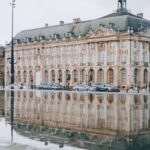
If you’re new to Bordeaux, this tour helps you get your bearings fast. You’ll stand at the Monument aux Girondins, stroll through central squares, and end at Place de la Bourse with that signature water-and-reflection vibe along the Garonne. For me, the best part is how the tour turns “pretty buildings” into “oh, I get why this matters.” The possible drawback is practical: you need to be ready for a solid walk and a bit of weather flexibility, since the exact route can shift.
Bottom line: it’s a good first-morning option with clear landmarks and strong guiding when everyone can hear well. Just come prepared for a bilingual setup, and you’ll get a lot more out of the time on your feet.
In This Review
- Key things that make this tour work
- A 2-hour Bordeaux plan that hits the big landmarks
- Getting there: the Tourist Office start and the moving finish
- Monument aux Girondins: when Bordeaux tells the Revolution story in bronze and stone
- Allées de Tourny and Église Notre-Dame: elegant streets and Baroque drama
- Place de la Comédie and the Grand Théâtre: neoclassical grandeur with a backstory
- Place du Parlement and Place de la Bourse: finishing with river views and big reflections
- Guide quality: why some tours feel smooth and others feel rushed
- Price and time value: paying $17.37 for context, not just photos
- Practical tips so the walk stays enjoyable
- Should you book this Bordeaux walking tour?
- FAQ
- How long is the walking tour?
- Where does the tour start and end?
- Is the tour offered in English?
- What’s included in the price?
- Do I need to bring anything?
- What’s the maximum group size?
Key things that make this tour work
- A tight 2-hour loop that covers major Bordeaux sights without turning the day into a marathon
- Monument aux Girondins plus the story of the Girondists and the Revolution-era message in stone
- Place de la Comédie and the Grand Théâtre for classic neoclassical drama in the heart of the city
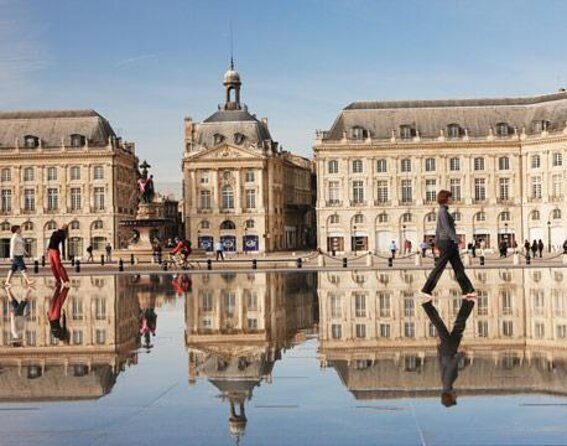
- Place de la Bourse with the reflective Miroir d’eau moment and that postcard-perfect river backdrop
- A licensed local guide who can give you context you’d miss if you walked solo
- Group language mix (English/French) that can affect how much detail you personally catch
A 2-hour Bordeaux plan that hits the big landmarks
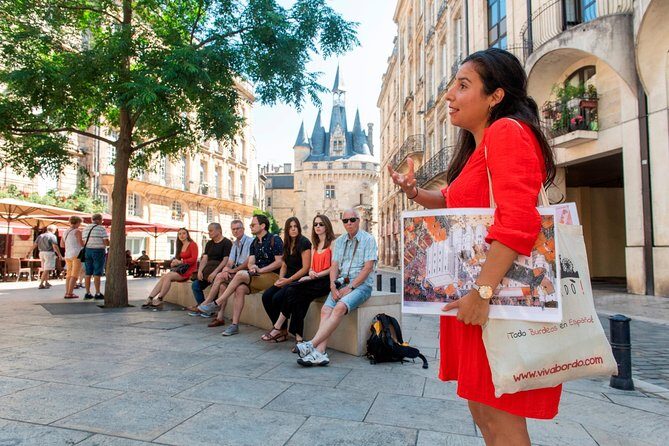
This tour is built for time-crunched visitors. At about 2 hours, you get a guided pass through central Bordeaux rather than a slow, stop-everywhere wandering day. For $17.37 per person, the value comes from the fact that you’re not just seeing famous places—you’re getting explanations that help you remember what you’re looking at later.
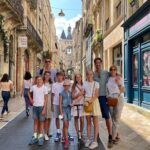
The group size caps out at 25 people, which usually keeps things manageable on busy sidewalks and squares. Your departure is at 10:30 am, so it works well as an early intro to the city—especially if you want to spend the afternoon choosing neighborhoods and cafés with more confidence.
The main thing you should do before you go: wear shoes you can walk in comfortably. The tour expects you to handle walking for the full 2-hour window, and the route can shift based on weather and group size.
Other Bordeaux walking tours in Bordeaux

Getting there: the Tourist Office start and the moving finish
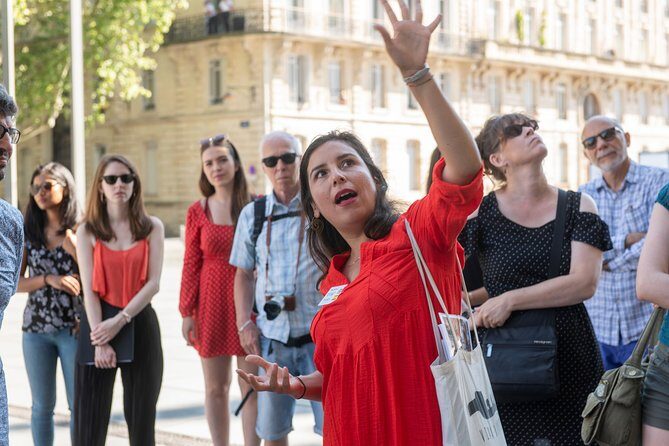
You meet at Office de Tourisme et des Congrès de Bordeaux Métropole, located at 12 Cr du 30 Juillet, 33000 Bordeaux. That’s central, and it’s also near public transportation, which matters because Bordeaux can move at a brisk pace once you’re in the old-town core.
Here’s a practical note: the tour ends at Place de la Bourse, but the timing and exact finish point can vary with the guide, the weather, and the group. The tour operator even suggests asking the guide how to return to the Tourist Office since the end point isn’t always perfectly fixed.
Also, you’ll receive a mobile ticket at booking. Bring your mask, too. The tour instructions explicitly say you must bring your own mask, and that’s one less thing to worry about once you’re outside.
Monument aux Girondins: when Bordeaux tells the Revolution story in bronze and stone
One of the strongest moments on this walk is the Monument aux Girondins. You’ll pause at the tall column and fountain set in Place des Quinconces, and the explanation gives the monument a direct political meaning instead of leaving it as just a dramatic photo spot.
The tour frames the monument as a tribute to the Girondists, a group of National Assembly deputies executed in 1793 for counter-revolutionary activities during the French Revolution. That’s a big idea to bring to a city tour, because Bordeaux’s identity isn’t only about elegant façades—it’s also about conflict, ideology, and who held power when.
Look up for the winged Statue of Liberty that crowns the column. That detail helps the monument make sense at a glance: freedom as a theme, not just a design flourish.
Allées de Tourny and Église Notre-Dame: elegant streets and Baroque drama
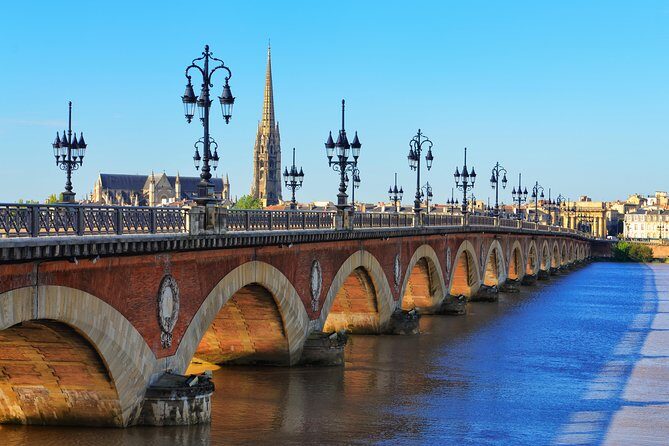
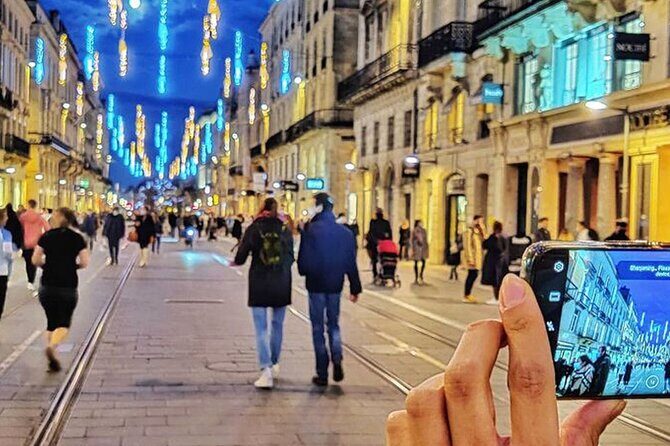
After the monument, the tour shifts to a more “live in Bordeaux” feeling with Allées de Tourny. This is a promenade lined with 18th-century architecture, and it’s a good contrast to the monument’s heavy symbolism. It’s also the kind of street where you can imagine strolling after lunch or browsing shops before dinner.
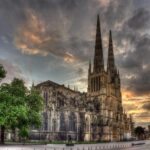
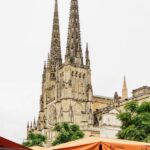
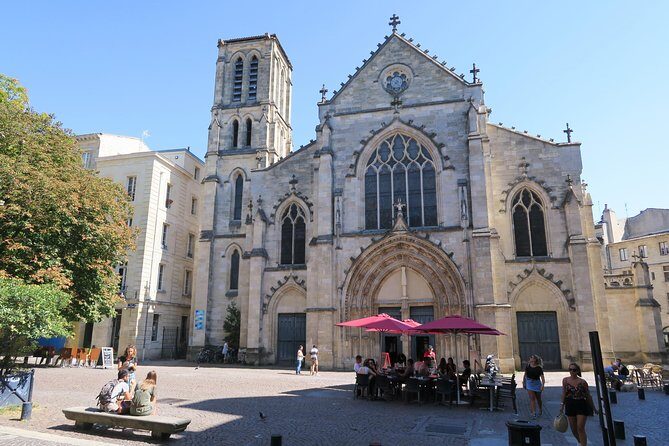
Next comes Église Notre-Dame de Bordeaux. This stop matters because it gives your eyes something different from squares and columns: the church’s Baroque façade and its vaulted interior. When you learn to look for the sculpted surface and how light plays inside, you’ll understand why churches like this are more than just interiors to “see”—they’re city landmarks that reflect power, faith, and artistic ambition.
This part of the tour is often where you start to notice Bordeaux’s pacing: the city moves between monumental statements and refined streets without feeling scattered.
Place de la Comédie and the Grand Théâtre: neoclassical grandeur with a backstory
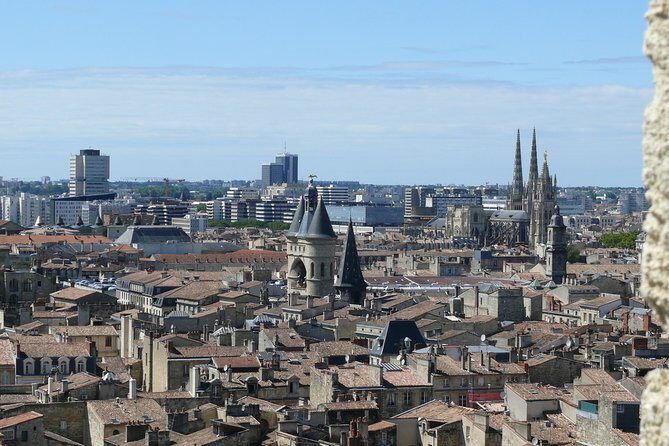
The heart of the walk is Place de la Comédie and the Grand Théâtre de Bordeaux. You’ll get one of the classic city-center ensembles here: elegant surroundings, cafés nearby, and the theater acting like the anchor.
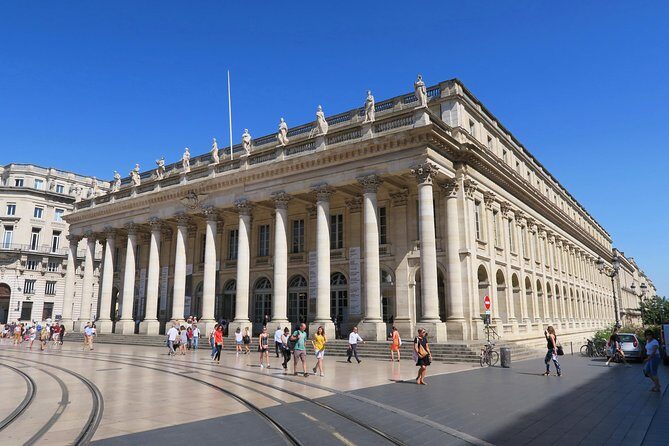
At Place de la Comédie, the centerpiece is the Grand Théâtre itself, a neoclassical building completed in 1780. The tour also ties the theater to Bordeaux’s emerging bourgeoisie at the time, which is useful context. In other words, it’s not only an art venue—it’s also a statement about who had wealth and taste and wanted the city to reflect it.
One especially interesting detail you hear at the theater: the site was once associated with a Roman temple. Even if you don’t see Roman remains today, that kind of continuity helps you picture Bordeaux as layered, not frozen in one era.
Take a few minutes for photos outside the columned portico and the façades. Then, if you can, pause for the guide’s explanation before you move on—this is one of those places where stopping makes everything click.
Other walking tours we've reviewed in Bordeaux
Place du Parlement and Place de la Bourse: finishing with river views and big reflections
The walk continues to Place du Parlement, a square known for its historic architecture and café atmosphere. This stop works as a breather from the most overt monumentality. It’s a chance to slow down and register the urban design—how the buildings frame the square and how Bordeaux’s “meeting points” feel intentional.
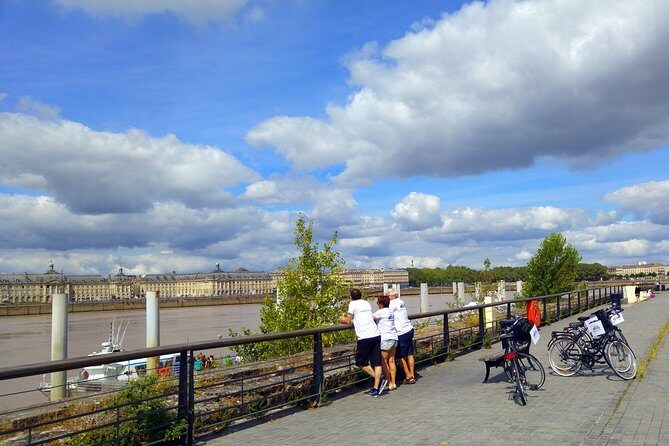
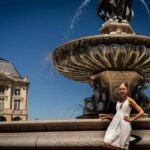
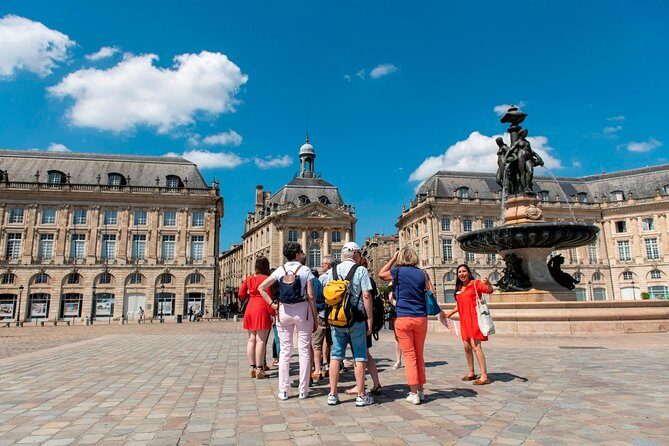
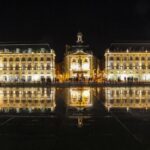
Then you reach Place de la Bourse, which is arguably the tour’s payoff. The square is famous for its classical architecture and the reflective Miroir d’eau. You’re also facing the Garonne River, and that matters because the best photos at Place de la Bourse aren’t just about buildings. They’re about the water, the light, and the way the river setting softens the formality.
The tour description also references the fountain of the three graces. Put simply: this is the stop where you’ll feel like you’ve closed the loop—monuments, churches, and theater first, then the riverfront symbol that looks great in any season.
Guide quality: why some tours feel smooth and others feel rushed
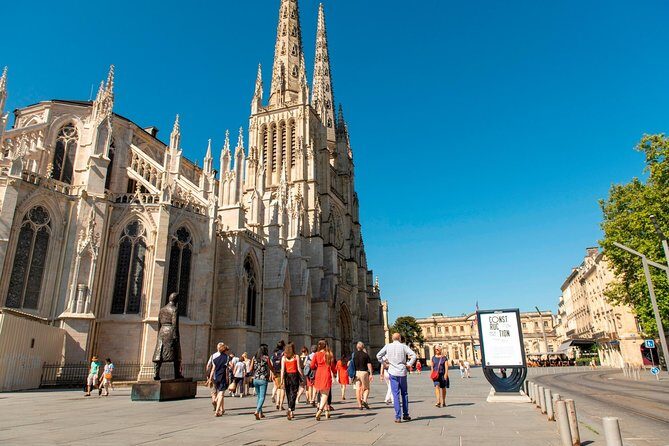
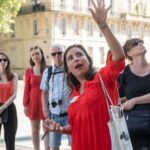
Most of the praise in the experience comes down to the guide. When the tour works well, the guide is both knowledgeable and entertaining, with a style that keeps you watching for architectural details instead of tuning out after the first stop.
Names like Bruno, Hubert, Christine, Veronique, Brigette, Jenny, Nicholas, and Carol come up in positive accounts. The common thread: guides who can explain what you’re seeing and keep the energy up. Some are described as funny or charismatic, and others emphasize clarity and patience with questions. If you enjoy learning facts you can actually picture, these guides tend to deliver.
That said, there are real considerations. Several experiences note that the guide’s speech can swing between French and English, and in some cases English listeners felt they got fewer details. A few reports even mention audio devices being offered, with occasional issues. If you’re English-speaking, arrive ready to rely on what you can hear clearly—and don’t be shy about asking for repetition when something matters to you.
One more thing: you should know where the group is meeting inside the Tourist Office. There have been confusion reports about standing outside first. The fix is simple: give yourself an extra minute, check with staff inside, and follow the guide call as soon as you hear it.
Price and time value: paying $17.37 for context, not just photos
It’s tempting to think you can just “DIY” Bordeaux from your phone. You can—but this tour’s value is the guidance part. For $17.37, you’re paying for a licensed local guide who can connect the dots: why the Girondists matter, why the Grand Théâtre looks the way it does, and how Place de la Bourse earns its reputation.
Two hours also helps. You’re not signing up for a day-long commitment, and you can still build your own afternoon plan right after. If you’re visiting multiple cities in a short trip, this is the kind of “intro layer” that makes the rest of your schedule feel easier.
Practical tips so the walk stays enjoyable
A few small moves make this tour better, fast:
- Bring a mask as requested, and keep it handy from the start.
- Wear comfortable shoes. Bordeaux sidewalks and cobbled edges can feel longer than you expect.
- Plan for light weather swings. The route can vary with conditions, and a flexible guide means less stress.
- If you’re part of a smaller English group in a bilingual setting, try to stay close to the guide when possible so you don’t miss transitions.
- If audio devices are provided and you have trouble, ask early rather than waiting.
Finally, bring curiosity for the in-between moments. The tour includes “easy” stops like Allées de Tourny and squares like Place du Parlement, and those are the places where you start to see Bordeaux as lived-in, not only historic.
Should you book this Bordeaux walking tour?
Book it if you want a first-pass overview of central Bordeaux in two hours, with stops that most visitors would otherwise scramble to see between meals. It’s a good fit for couples, solo travelers, and first-time visitors who want context and a clear route.
Skip it (or go in with eyes open) if you strongly need an English-only experience with nonstop English detail. Because the tour is bilingual, your personal experience may depend on the group mix and how the guide manages both languages.
If your goal is to get your bearings, learn why the icons were built, and end with a classic Bordeaux photo at Place de la Bourse, this tour is an easy yes.
FAQ
How long is the walking tour?
It lasts about 2 hours.
Where does the tour start and end?
It starts at Office de Tourisme et des Congrès de Bordeaux Métropole (12 Cr du 30 Juillet). It finishes at Place de la Bourse. The exact end point can vary depending on the guide and conditions.
Is the tour offered in English?
Yes. Commentary is bilingual in English and French, and the tour lists English as offered.
What’s included in the price?
The tour includes a local professional licensed guide. Food and drinks are not included.
Do I need to bring anything?
You should bring your own mask, and you should be able to walk for the full 2 hours.
What’s the maximum group size?
The tour has a maximum of 25 travelers and requires a minimum of 5 people to confirm.