REVIEW · BORDEAUX
NO DIET CLUB – Unique food tour in Bordeaux !
Book on Viator →Operated by No Diet Club · Bookable on Viator
Bordeaux has a way of turning a walk into lunch. The small-group food tour is built around generous bites, guided stops, and the kind of local food focus that makes the city feel personal fast. I love the variety (market classics, charcuterie, mussels, cannelés, plus sweets), and I like that you’re not just tasting, you’re also getting practical recommendations as you go. The main drawback to plan for: you’ll likely finish very full, and the menu can lean sweet and pastry-heavy at times.
I’d call this a food-first route that still sprinkles in real context, like what to buy at the market and how Bordeaux’s flavors fit together. You’ll do the city on foot, take photos, and meet other people doing the same “let’s eat like locals” thing. One more consideration: it’s a walking tour, and it’s meant for people with a solid fitness level, so wear comfy shoes and don’t schedule a big dinner right after.
In This Review
- Key points before you go
- Meeting at Place des Capucins and Starting Hungry
- Why the small group matters in Bordeaux
- Walking the center: how the food route stays fun
- Market stops: mussels, oysters, and why locals start here
- The charcuterie and cheese moment you’ll want to repeat
- Cannelés: the Bordeaux classic you can’t fake
- Mussels and fries, plus the “Bordeaux lunch” feeling
- Bread, focaccia, and the street-food mindset
- Wine stops and how the guide helps you choose
- Sweet treats: why the carbs factor is both a feature and a warning
- Vegetarian-friendly bites: what to expect and how to plan
- Price and value: what $69.69 really buys you
- Who should book No Diet Club, and who should skip it
- Should you book this Bordeaux food tour?
- FAQ
- Where does the tour start?
- What time does the tour begin?
- How long is the tour?
- What is included in the price?
- Is the tour in English?
- What is the group size?
- Are vegetarians welcome?
- Does it include wine?
- Is there a cancellation option if plans change?
- Is the tour suitable for people with mobility limits?
Key points before you go
- Small group size keeps the tasting experience personal (max 8 travelers, and the operation mentions a hard safety cap around 10).
- All food is included, so you’re not constantly calculating what a stop will cost.
- A true Bordeaux mix: market seafood, charcuterie and cheese, cannelés, mussels and fries, plus bread and sweets.
- Hygiene at each tasting: hydroalcoholic gel before and after tastings.
- Guides add value beyond food, with insider tips and city pointers that help you explore after the tour.
- Vegetarians welcome, which matters on a tour that can easily become meat-and-pastry only.
Meeting at Place des Capucins and Starting Hungry
Your tour starts in central Bordeaux at TapTim50-51, Pl. des Capucins. In practice, you’ll be close to the Marché des Capucins area, which shows up again and again as a launch point in guides’ conversations and tour flow. The 11:30 am start also nudges you into the right rhythm: you’re not trying to squeeze this between breakfast and a full afternoon.
The tour runs about 3 hours 30 minutes, and it’s designed for a walking pace that still leaves room for talk. You should expect stops to take long enough that you can actually eat, ask questions, and move on without rushing. If you’re the type who likes to do a slow read of a neighborhood—street signs, market energy, old facades—this format works well.
Practical tip from the best moments I’ve seen shared again and again: don’t eat breakfast beforehand. This isn’t one of those “two bites and a story” tours. People regularly come away full and happy they skipped the earlier meal.
Other Bordeaux food tours in Bordeaux


Why the small group matters in Bordeaux
This is capped at eight travelers, which changes everything. With fewer people, you get smoother service at tastings, less waiting, and more chances for the guide to answer your questions. You’re also more likely to get a real conversation going with your group, not just polite nods and photo turns.
What I like about the guiding style described by different guides is that it’s personal. Names you may encounter include Tania, Louise, Lucille, Audrey, Sonia, Fiona, Alexandra, Lauriana, Amélina, and Lou. Different personalities, same goal: make the city feel understandable through what’s on the table. One guide even helped with practical extras after the tour, like pointing people toward places to buy souvenirs and where to watch an American football game—small kindnesses that make the whole trip feel smoother.
Also, the tour is offered in English, so you’re not stuck doing restaurant interpretive dance with a menu app. You still get a feel for French food culture, because the guide’s job is to translate what you’re tasting into something you can repeat later.
One note for expectation-setting: while the standard cap is eight travelers, the hygiene description mentions a maximum group size of 10. Either way, it stays small. Just don’t book this expecting a private, one-on-one experience.
Walking the center: how the food route stays fun
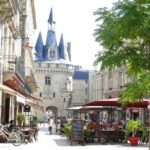
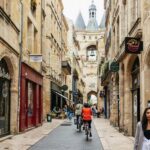
The tour is built to explore center Bordeaux on foot, with stops spread across the city so you can absorb the atmosphere between tastings. You’re not just shuttled from one indoor spot to another. You’ll cross streets, notice small details, and get pointed toward features like the city gates mentioned by a guide.
That walking portion is part of the value. Food tours that stay stuck indoors can feel like a sequence of transactions. Here, the movement helps you connect the bites to place: what’s near a market, what’s tied to everyday eating, and what locals reach for when they want something satisfying.
The pace also makes it easier to take pictures and share with your group. You’ll have enough time at stops to taste properly and not feel like you’re inhaling food while the guide is already halfway to the next corner.
The only true drawback: it’s still a walking tour. You need strong physical fitness for comfort, and you’ll want shoes that handle cobbles and long stretches without punishing your feet.
Market stops: mussels, oysters, and why locals start here
A big theme of the tour is beginning with ingredients people actually use. You’ll visit market-like energy—especially around Marché des Capucins and the St. Josep area market, depending on the day and guide.
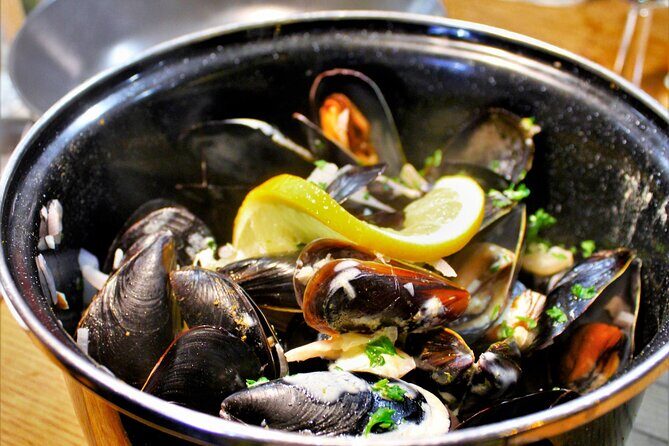
This is where you’re most likely to get seafood highlights. Mussels show up early in several tour descriptions, including a tasting framed as a Bordeaux-friendly starting bite. Oysters also appear as part of the mix, which makes this tour stand out for anyone who thinks Bordeaux is just wine and nothing else.
Here’s why I think this matters for your trip: if you’re eating in Bordeaux for the first time, the market anchors your taste memory. After you’ve tasted something like fresh oyster or a mussels preparation, you can better judge what you’re ordering later in a restaurant. You’re not starting from zero.
Also, the tour mentions hydroalcoholic gel before and after each tasting, which is a practical hygiene approach that makes shared tastings feel less awkward.
Potential drawback to watch: seafood and shellfish fans will be happy, but if you’re hoping for a purely meat-focused menu, the route can still feel seafood-forward at least at the start.
The charcuterie and cheese moment you’ll want to repeat
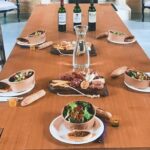
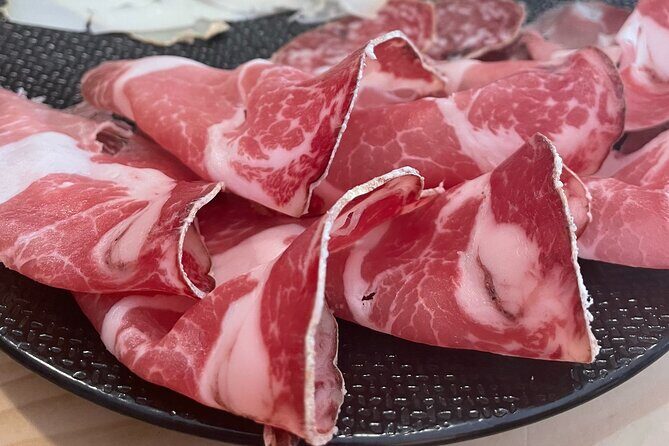
One of the most loved stops is the charcuterie and cheese platter style tasting. Bordeaux does cured meats and cheeses with confidence, and a focused tasting helps you understand what combinations people actually make.
If you like grazing, this portion is your friend. It’s also easy to follow without being an expert: the guide helps you connect what you see with what you should taste. And you get a break from seafood and seafood-sauce vibes, which keeps the day from feeling repetitive.
This is also the stop where group energy matters. With eight people, you’re not jammed shoulder-to-shoulder around food, and the guide can explain what makes each item Bordeaux-appropriate.
If you have a strong preference for one type of food, still try a couple bites. That’s the whole point of a tasting tour: you come in with expectations and leave with a few new winners.
Other food & drink experiences in Bordeaux

Cannelés: the Bordeaux classic you can’t fake
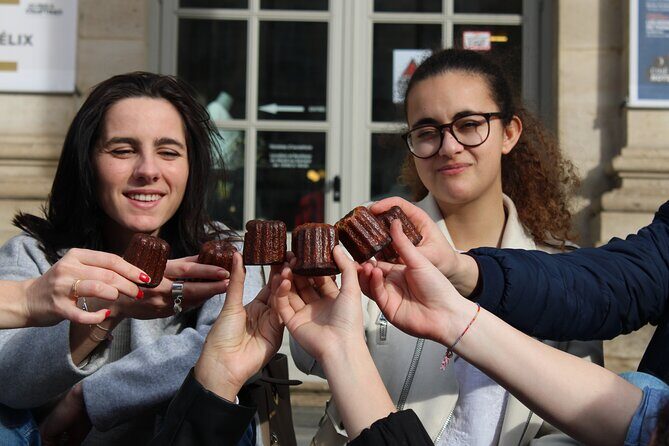
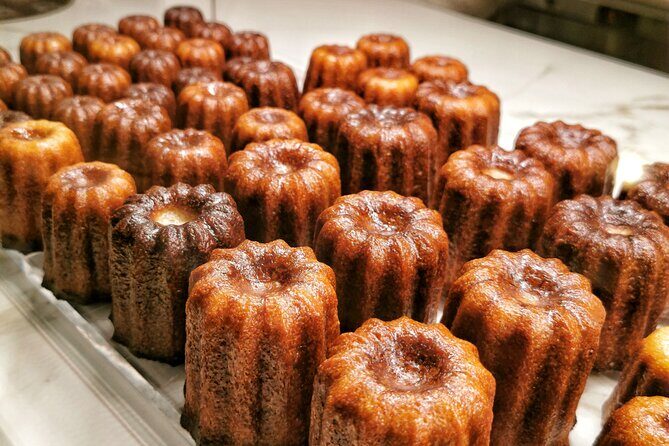
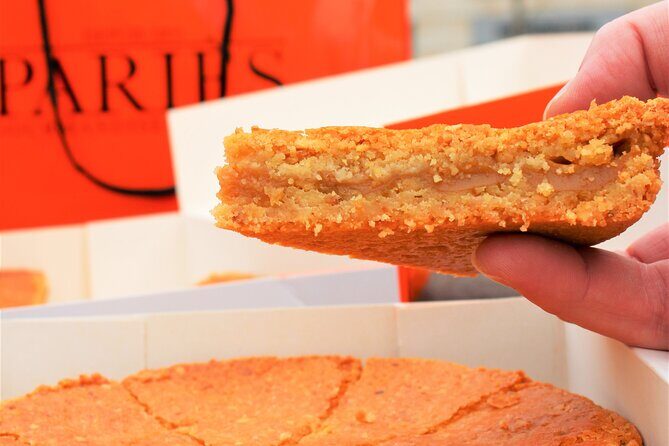
At some point, you’ll almost certainly hit the best cannelés in town. Cannelé is Bordeaux’s dessert signature—caramelized outside, custardy inside—and the difference between a good one and a mediocre one can be huge.
What I like about having cannelés on a guided tour: you get to taste and compare without needing to research for hours. Since you’ll likely taste more than one sweet item across the day, you can also build a better sense of texture and sweetness level. That helps later when you’re buying treats to bring home.
Sweet tip: bring your patience. Even when you’re not a “dessert person,” a cannelé tasting is worth your space because it’s part of the city’s food identity.
Mussels and fries, plus the “Bordeaux lunch” feeling
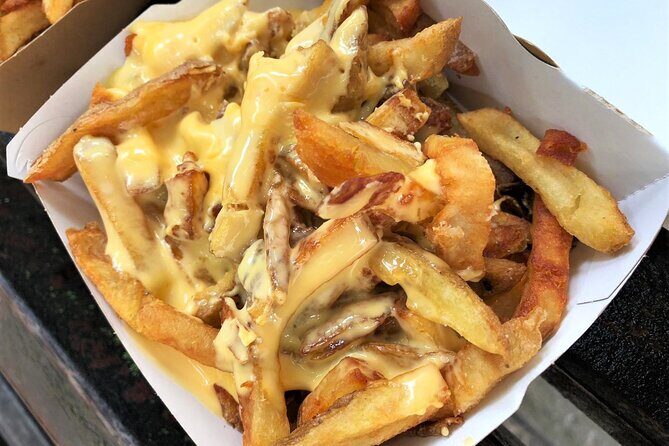
You’ll also find a stop built around mussels and fries, a comfort-food combination that feels right for a rainy day or for anyone who wants something hearty after walking.
In several descriptions, this is framed as one of the tour’s highlights, and I get it. Mussels here can taste more complex than what you get from a generic tourist version, and fries make the whole meal feel familiar and filling rather than delicate.
This is where the tour earns its reputation as a true meal. The tour promises “enough generous bites to add up to a hearty lunch,” and that matches what you can feel after multiple stops: you stop thinking about each bite as an appetizer and start thinking about it as a full eating plan.
One consideration: the day can go heavy on carbs—bread, pastry, and dessert. If you prefer low-carb travel days, this might not be your vibe, even though it’s not a strict diet tour by any stretch.
Bread, focaccia, and the street-food mindset
Bordeaux has a serious relationship with bread and simple, satisfying bites. You may taste focaccia and other bread-based snacks, plus quick “gourmet street food” style treats that keep the day from feeling like a sit-down restaurant experience broken into pieces.
You’ll also see sweet surprises sprinkled throughout the route—dessert stops are part of the design, not an afterthought. That can be great if you love variety. If you don’t, you’ll want to control pace and savor savory bites between sweets.
One complaint you might want to take seriously: some people feel the tour can tilt too far toward pastries and dessert, with not enough distinctly French savory options. The fix is simple in your planning. Go in ready for sweets, but keep an eye out for the savory anchors like mussels, charcuterie, seafood, and the Bordeaux pastry signature like cannelés.
Wine stops and how the guide helps you choose
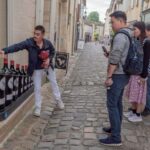
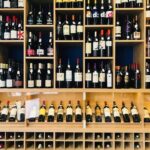
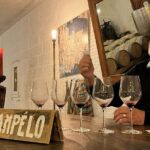
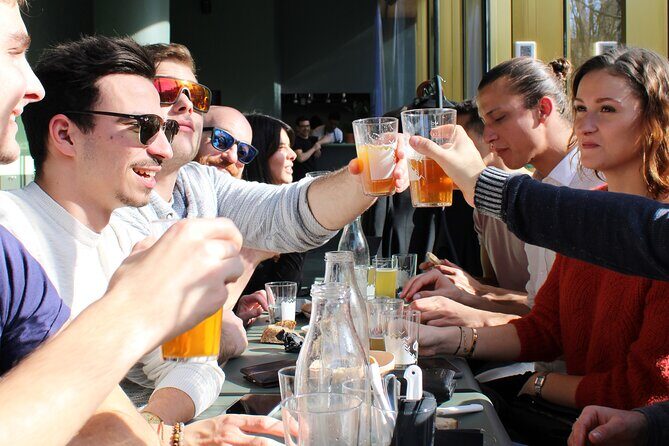
Wine shows up during the tour. Several descriptions mention having wines at a few stops, and the guide’s role isn’t just to pour. You get help connecting what you’re tasting with what Bordeaux pairs with.
One thing to remember: wine availability can vary by stop and day. So even if you’re a wine enthusiast, keep your expectations flexible. The guide’s strength is not just local “names,” it’s practical guidance on what makes sense with your bites.
If you’re planning to drink, also plan your walking comfort. You’ll be moving around the center, and a couple glasses add up faster than you think. Pace yourself, and save a little curiosity for later in the day.
Sweet treats: why the carbs factor is both a feature and a warning
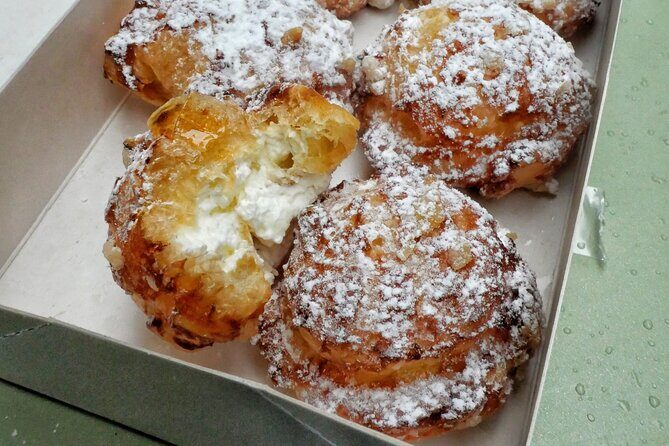
This tour has a serious sweet tooth built into it. Cannelés are one of the headline items, and other desserts can show up too—examples in tour descriptions include ice cream, cookies, and a cream puff called dune blanches.
I love this approach because it gives you the full Bordeaux-sweet spectrum rather than only “one token dessert.” But you should also know the tradeoff: the more sweets you eat, the less room you have for savory. If you’re the type who wants your meals savory-heavy—meat forward, minimal pastry—this may feel unbalanced.
Here’s my practical takeaway: treat dessert as a sampler, not a full meal replacement. When sweets arrive, take a few bites, then go back to savory highlights if they’re still coming later.
Also, for anyone who is lactose- or sugar-sensitive: you’ll want to ask at tastings and manage portions. The tour includes lots of food, and you’ll be sharing space with others during tastings.
Vegetarian-friendly bites: what to expect and how to plan
Vegetarians are welcome, which is a big deal on many European food tours. The tour is designed to serve multiple tastes, and the “tastings included” structure makes it easier for the guide to build a plan that doesn’t leave you stranded with bread alone.
That said, the exact selection can vary based on seasonal products. So if you’re vegetarian with strong preferences or exclusions, you’ll do best by going into the tour willing to sample what’s available that day, not just what you had in a guidebook photo.
If you’re vegetarian and you also love wine pairings or cheese and charcuterie-style flavors (minus meat), this tour’s structure still works because Bordeaux does cheese and breads extremely well.
Price and value: what $69.69 really buys you
At $69.69 per person for about 3.5 hours, this tour isn’t just “pay for a guide.” You’re paying for a pack of tastings delivered with a route and pacing plan.
What that means in real life:
- All food is included, so you’re not doing stop-by-stop mental math.
- You get multiple tasting formats: market bites, savory plates like mussels and fries, cheese/charcuterie, signature pastries like cannelés, and sweet surprises.
- You also get a guide who can point out where to go next day—so the tour can save you time later.
Value also comes from the group size. Paying a similar amount for a larger group can mean you get less attention. Here, the cap is small enough that you can ask questions, get recommendations, and actually make use of the city-walk portion.
The only reason this might not feel like value is if you strongly dislike sweets or if you want a meat-and-history heavy tour. This is food-forward, and dessert is part of the program.
Who should book No Diet Club, and who should skip it
I’d recommend this tour if you want:
- A hearty Bordeaux lunch on foot without having to plan restaurants
- A mix of classic and local tastes, from mussels to cannelés
- A guide who gives practical recommendations you can use after the tour
- The social side: meeting other couples and solo travelers during a shared walk
I’d reconsider if you:
- Want a history-only walking tour. This is food-first, with stories tied to what you’re eating.
- Don’t like a menu that can skew toward pastries and desserts.
- Have trouble with a few hours of walking and tastings.
If you’re on a tight schedule, this is also a smart way to cover lots of the city’s food personality in one afternoon.
Should you book this Bordeaux food tour?
Book it if you’re hungry for Bordeaux flavor and you enjoy learning as you taste. The biggest wins are the small-group vibe, the sense that you’re eating a real lunch’s worth of bites, and the way guides like Tania, Louise, Lucille, Audrey, and Fiona tend to make the experience feel welcoming and useful.
Skip or choose another style if your ideal food tour is meat-heavy and strictly French, with minimal sweets. This tour can include pizza-like or cookie-like items depending on the day, and dessert sometimes takes up more space than some savory lovers prefer.
If you do book: arrive on an empty stomach, wear comfortable walking shoes, and go in ready to share. That’s when the whole No Diet Club feeling clicks.
FAQ
Where does the tour start?
The meeting point is TapTim50-51, Pl. des Capucins, 33800 Bordeaux, France.
What time does the tour begin?
It starts at 11:30 am.
How long is the tour?
The tour lasts about 3 hours 30 minutes.
What is included in the price?
All food is included.
Is the tour in English?
Yes, it is offered in English.
What is the group size?
The tour has a maximum of 8 travelers, and the hygiene information also mentions a maximum of 10 people.
Are vegetarians welcome?
Yes, vegetarians are welcome.
Does it include wine?
Wine appears at a few stops during the tour.
Is there a cancellation option if plans change?
Yes, free cancellation is available up to 24 hours in advance for a full refund.
Is the tour suitable for people with mobility limits?
The tour states that travelers should have a strong physical fitness level, since it involves walking.