REVIEW · BORDEAUX
Bordeaux: Small group – Guided Walking Tour
Book on GetYourGuide →Operated by Bordeaux: Tours & Wine · Bookable on GetYourGuide
Bordeaux can feel big fast. This 2-hour walk with Guadalupe turns the center into a map you’ll actually remember—starting at Cathédrale Saint-André.
I especially love how the tour connects Bordeaux’s origin stories to what you see in front of you, from early eras all the way to today. You’ll also get great local recommendations built into the route, not tossed on at the end.
One thing to consider: this is a walking-heavy route, and if you have mobility limitations you’ll want to double-check fit before booking.
In This Review
- Key things you’ll notice on the walk
- Meeting Guadalupe at Place Pey-Berland: a tight 2 hours in the right order
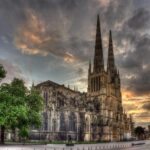
- Cathédrale Saint-André and Bordeaux’s origins you can see
- Pey Berland bell tower: statues, power, and why the square is more than scenery
- The smaller squares: Place Saint-Projet and Camille Jullian’s street-level clues
- Rue des Bahutiers and Porte Cailhau: medieval trades and city gate energy
- Saint-Pierre quarter: contrasts, lively dining streets, and how to choose where to eat
- Place de la Bourse and Miroir d’Eau: port commerce in one dramatic pause
- Golden Triangle and the Grand Théâtre finale at Place de la Comédie
- Cannelé and Bordeaux patisseries: getting the sweet spot (without guessing)
- Price and logistics: why a $22 walk is good value
- How to use the recommendations after the tour
- Should you book this Bordeaux walking tour?
- FAQ
- FAQ
- Where does the tour start?
- How long is the walking tour?
- What group size is this?
- What languages are offered?
- Are pastries included in the tour price?
- Is the tour wheelchair accessible?
Key things you’ll notice on the walk
- Guadalupe’s storytelling makes landmarks feel connected, not like random photo stops
- Small group size (max 15) keeps questions from getting lost
- Pey Berland bell tower and cathedral-square statues give context to Bordeaux’s power shifts
- Medieval lanes and trades (Rue des Bahutiers) help you picture everyday life
- Place de la Bourse + Miroir d’Eau is the easiest “wow” photo moment
- Finish at the Grand Théâtre so you end where the city often imagines itself
Meeting Guadalupe at Place Pey-Berland: a tight 2 hours in the right order
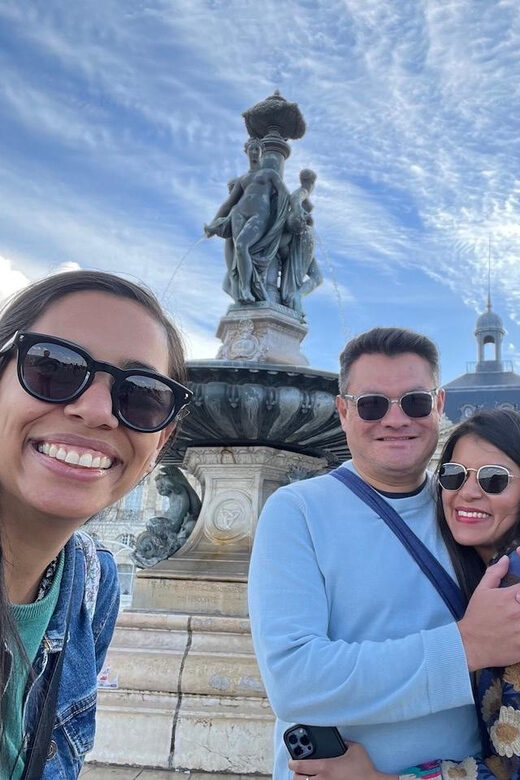
Your tour begins at the entrance of Cathédrale Saint-André de Bordeaux, at Place Pey Berland. Guadalupe meets you holding a green umbrella—easy to spot, and helpful if you’re a little early (or a little lost, which happens in old cities).
This tour is built for orientation. In two hours you don’t try to “see everything.” Instead, you walk a smart line through the historic core so you understand how Bordeaux’s center grew, changed roles, and kept re-inventing itself. The pace feels like a guided stroll, not a forced march, and the small group size (up to 15) keeps it from turning into a slow-moving crowd.
You’ll move between major squares and key architectural stops: cathedral area, medieval quarters, the port-and-commerce highlight at Place de la Bourse, and the Grand Théâtre zone to cap it off. If you only have a short stay, this order helps you pick which neighborhoods to explore on your own afterward.
Other Bordeaux walking tours in Bordeaux


Cathédrale Saint-André and Bordeaux’s origins you can see
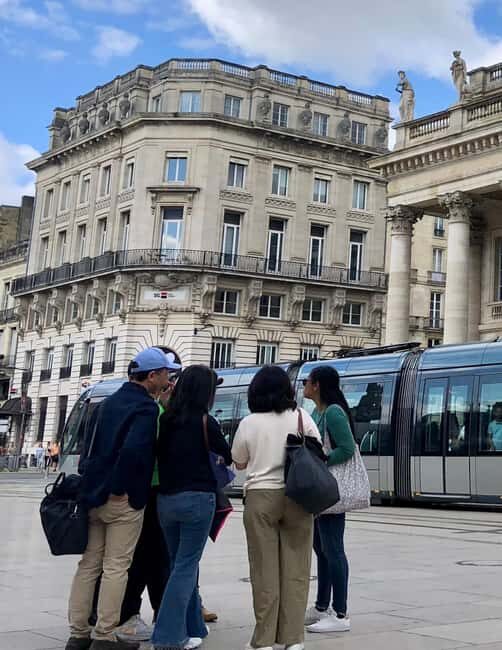
The heart of the walk is the cathedral area—because it’s not just a pretty building. The tour frames Cathédrale Saint-André as a long-running anchor point in Bordeaux’s story, including how the city’s purposes and identities evolved over the years.
What I like here is the cause-and-effect approach. You’re not just told what something is; you’re told why it mattered and how the surrounding space became meaningful. This is the kind of context that turns a landmark from a picture into a reference point.
You’ll also pass the Hotel de Ville de Bordeaux area early on, which helps you start thinking about Bordeaux as a city that blends civic life, religious influence, and political change. Even if you’re only skimming from stop to stop, that early sequence gives you the mental framework to follow the rest of the tour without feeling overwhelmed.
Tip for you: wear comfortable shoes right from the start. The walking is short per segment, but the route adds up—especially if you pause often for photos.
Pey Berland bell tower: statues, power, and why the square is more than scenery
Next up is the Tour Pey-Berland and the square right around it. This is where the tour gets playful with details. You’ll learn about the bell tower and the statues in the square, and—more importantly—you’ll understand what a civic-religious landmark like this signals about the city at different moments.
It’s a quick stop, but it works because it teaches you to “read” the space. Instead of seeing one tower and moving on, you start noticing how public art, architecture, and open squares shape what people did there—gathered, judged, celebrated, and declared meaning to power.
If you like history that feels practical (not just dates), you’ll enjoy how the guide ties the square’s features back to Bordeaux’s changing role across time. And if you’re asking questions, this is an easy moment to do it: you’re right in the middle of the story.
The smaller squares: Place Saint-Projet and Camille Jullian’s street-level clues
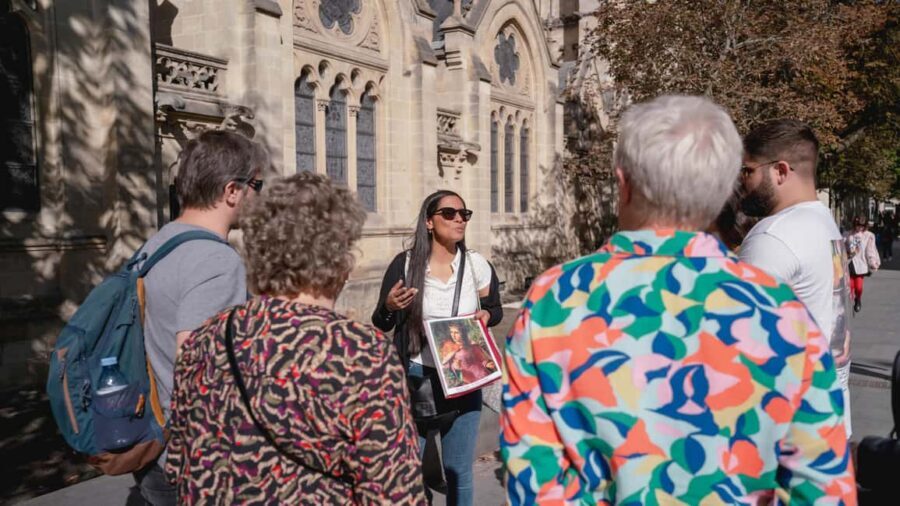
After the big monuments, the walk shifts into the city’s “in-between” spaces—exactly where Bordeaux often feels most real. You’ll move through areas like Place Saint-Projet and Place Camille Julian, which are brief but useful.
These squares help you understand Bordeaux beyond the postcard skyline. They show you the rhythm of the city: where people pause, where buildings face each other, and how different corners of the center relate to the medieval parts nearby. Even when the tour only spends about ten minutes in each location, the guide’s explanations make those minutes count.
What you’ll get from this part is contrast. Bordeaux isn’t one single style or era. As you move from grand civic/religious spaces into smaller squares, you start seeing how the city layered functions rather than replacing everything at once.
Practical takeaway: if you’re planning your own self-guided time afterward, these stops help you decide where you want to slow down. You’ll know which squares feel “quiet” and which ones connect directly to the most atmospheric walking streets.
Rue des Bahutiers and Porte Cailhau: medieval trades and city gate energy
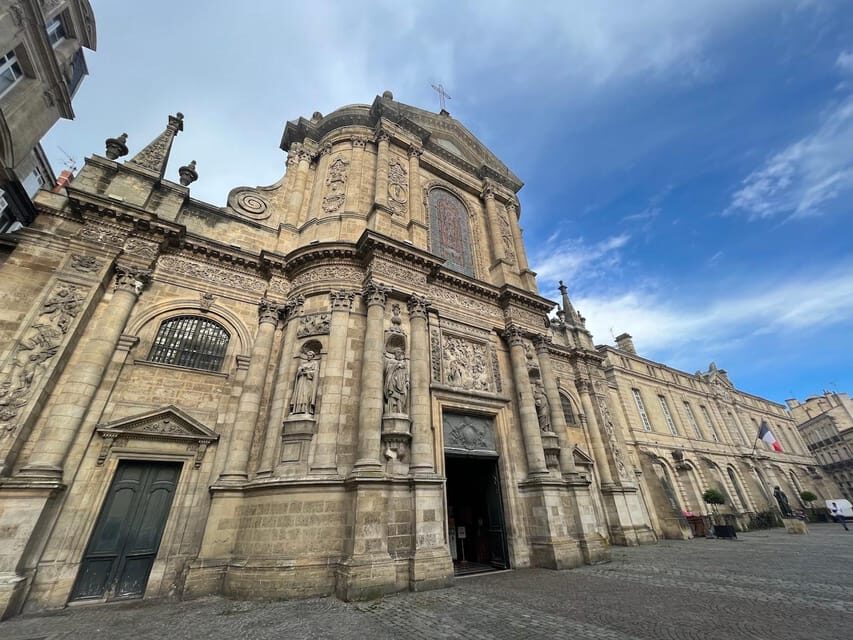
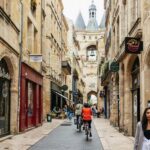
Now you get into the medieval zone, where narrow streets do the heavy lifting. Rue des Bahutiers is part of that shift: the guide explains the area’s trades and what the street meant when Bordeaux’s daily life looked very different from today.
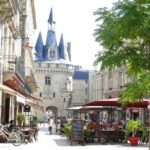
The big moment in this segment is Porte Cailhau. The tour connects the gateway to its history and its changing function in that famous square area. This stop matters because a gate isn’t just a wall. It’s a checkpoint for movement, commerce, and control—so it tells you how the city operated at street level.
You’ll also visit Église Saint-Pierre in the medieval quarter. Again, it’s not treated like a museum stop. The tour frames the church within the surrounding neighborhood, helping you understand how religious buildings often sat right inside the practical lives of residents.
One consideration: old lanes mean you’ll likely spend some time adjusting to uneven sidewalks and turning your head to track the guide’s directions. Bring patience for spacing—small group or not, medieval streets can make passing tricky.
Other walking tours we've reviewed in Bordeaux

Saint-Pierre quarter: contrasts, lively dining streets, and how to choose where to eat
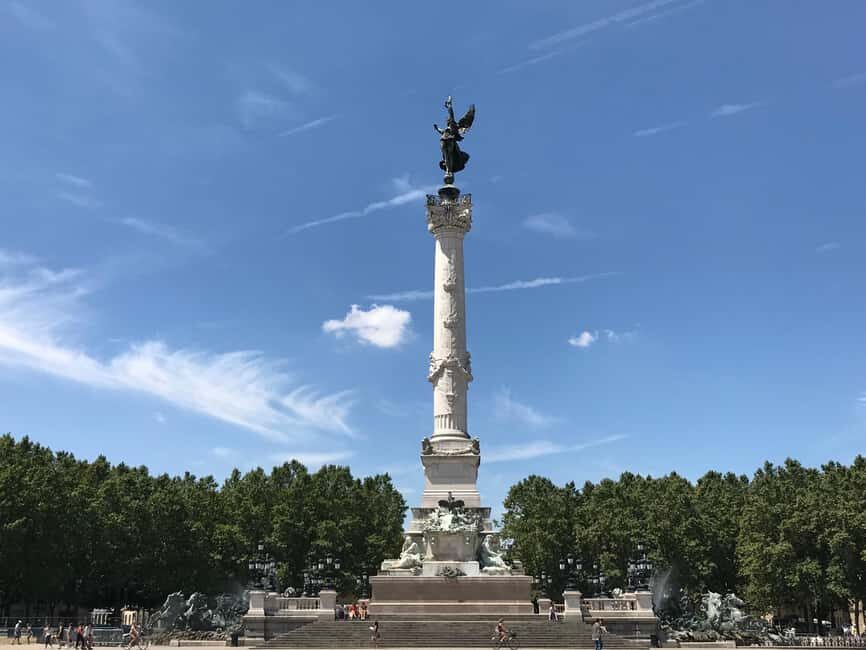
The Saint-Pierre area is where you get a real sense of Bordeaux as a lived-in city, not just a sequence of monuments. The guide explains contrasts and how uses changed over the years, and she points you toward lively places to eat and drink.
This is one of the most useful parts of the tour because you leave with decisions that are easier to make. You’re given context for what you’re looking at and then practical suggestions for where to go next—so you don’t end up wandering into the most convenient spot that also happens to be overpriced.
In the same stretch, you’ll benefit from Guadalupe’s style: she encourages questions, and she steers you toward places that fit different moods (casual wine bar night vs. something sit-down). If you like having a plan for dinner that isn’t a gamble, this section pays off.
Place de la Bourse and Miroir d’Eau: port commerce in one dramatic pause
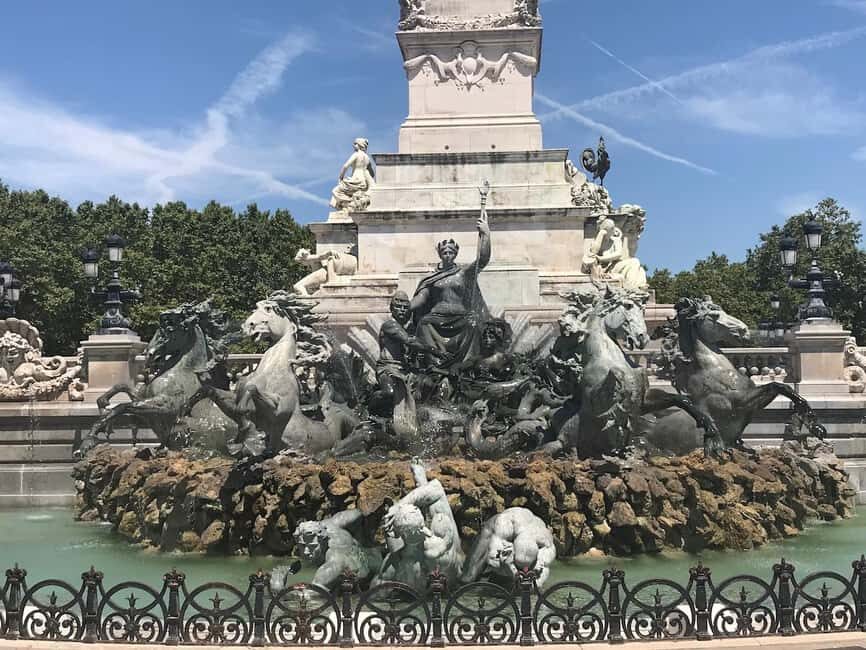
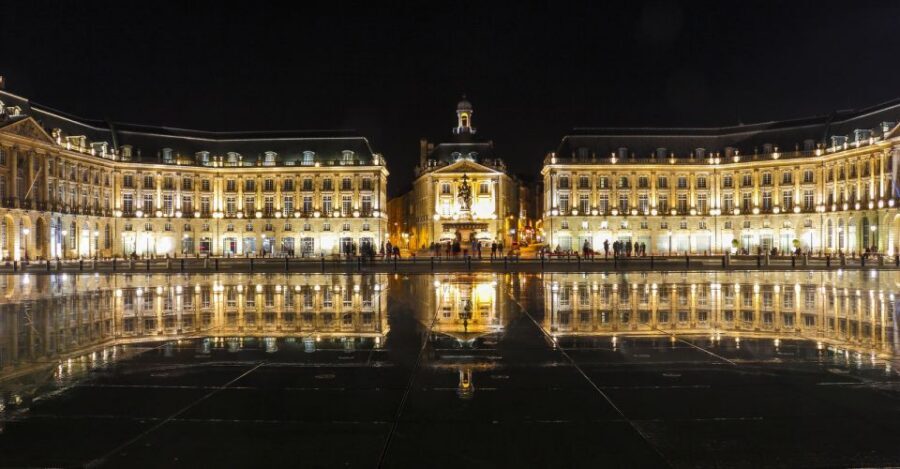
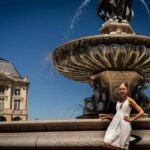
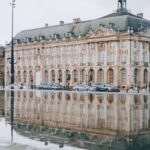
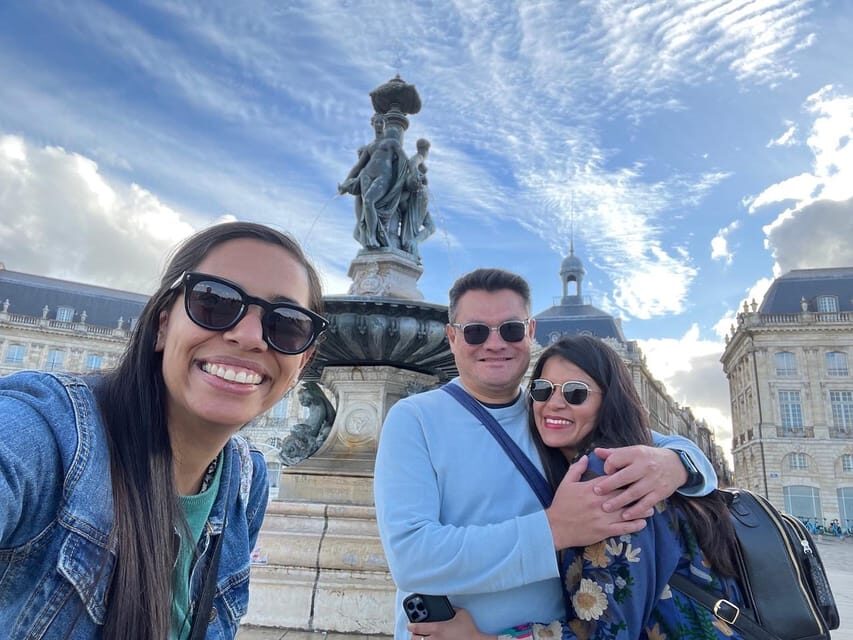
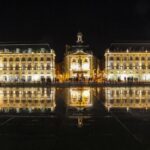
Then comes the payoff: Place de la Bourse and the Water Mirror (Miroir d’Eau). This is the kind of stop that turns your brain from background history into a clear picture of Bordeaux’s priorities—especially the importance of the port, commerce, and trade.
The square is imposing, and the tour uses that to your advantage. Instead of just admiring the architecture, you’re guided to understand why this part of the city developed the way it did and how commerce shaped the city’s outward identity.
The Water Mirror is the easy photo moment, and the best part is that it works as a break in pace. You stand, you watch, you take pictures, and you reset your legs. If you’re traveling with someone, it’s a great place to share what you learned so far—because you can point to the exact spot and explain the story the guide gave you.
Photo tip: plan to take a few angles. Even in normal light, this is one of those spots where your photos will look more “designed” than you expect.
Golden Triangle and the Grand Théâtre finale at Place de la Comédie
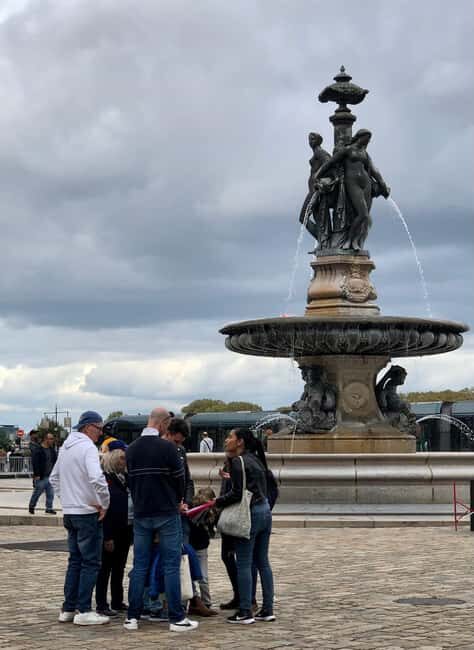
After Place de la Bourse, the walk moves toward the Golden Triangle—described as Bordeaux’s most prestigious and exclusive district. Even without getting “sold” on it, this transition helps you see how neighborhoods shift from historic port energy into a more refined, central style of city life.
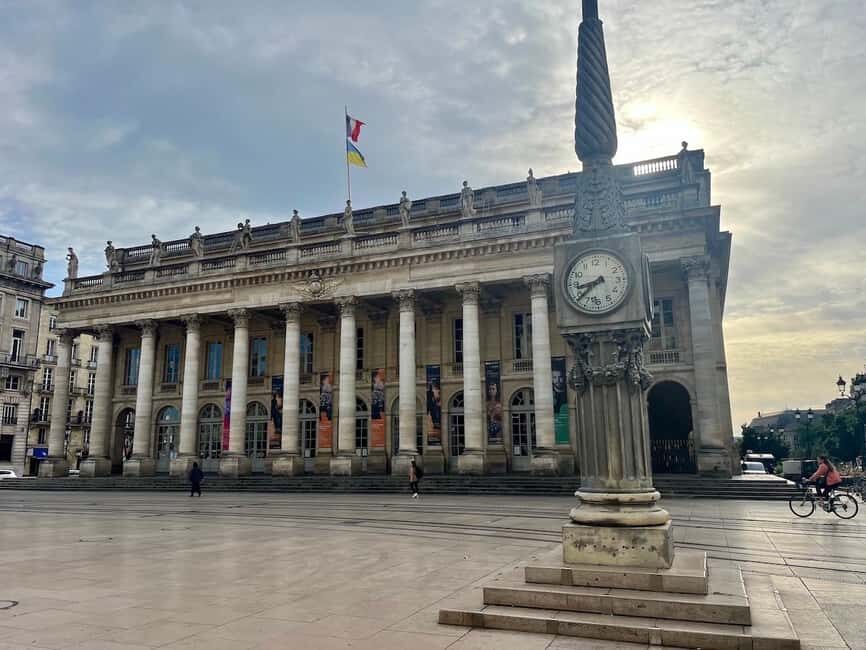
You’ll finish in the Grand Théâtre area (ending near Place de la Comédie and the Opéra National de Bordeaux – Grand-Théâtre). The guide explains changes in the square and covers the creation of the Grand Théâtre, which gives you a strong ending image.
I like finishing here because it feels ceremonial. You start with an anchor of religious history, you pass medieval streets and gates, and you end at a grand cultural landmark. By the time you stop, you understand the arc: Bordeaux traded influence through time, and it keeps showing that identity through where it builds, where it gathers, and what it celebrates.
If you have evening plans, this ending point is also practical. You’re in a central zone where you can pivot to dinner, a wine bar, or a short follow-up walk without needing transit.
Cannelé and Bordeaux patisseries: getting the sweet spot (without guessing)
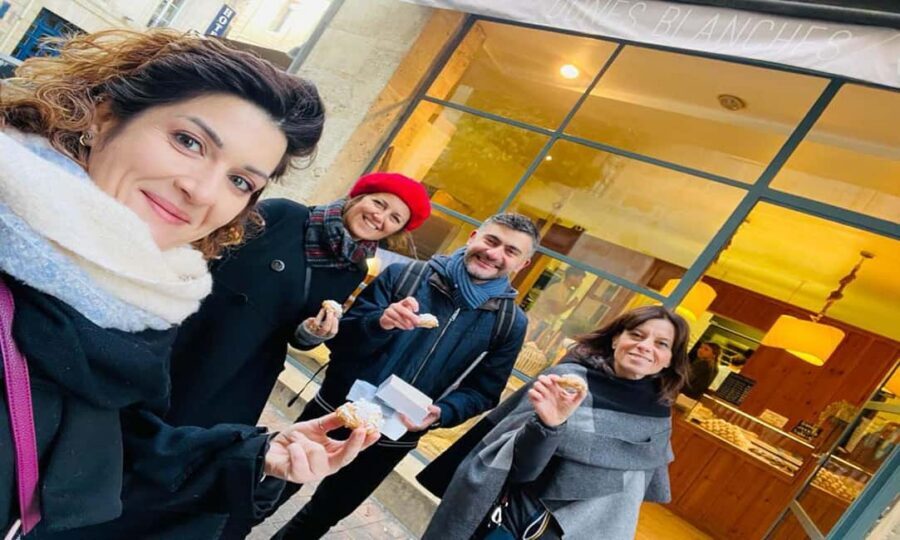
One of the most practical parts of the tour is the food focus—specifically Bordeaux’s typical patisseries and the famous cannelé. You’ll learn about what to look for and where to try them, and you’ll get guidance that saves you from the classic problem: buying a pastry because it’s closest, not because it’s good.
Local pastries are not listed as included, but the overall experience is still “food-smart.” The guide turns food into a cultural marker: what makes Bordeaux pastries distinct, what people associate with the city, and how to choose a place that doesn’t miss.
What I’d do if you’re planning your own schedule: after the walk, pick one cannelé stop and one wine bar stop. If you try both, keep it simple. Your feet will thank you.
Price and logistics: why a $22 walk is good value
At $22 per person for a 2-hour small-group guided walk, this is priced like an efficient orientation tool. You’re paying for local context, a clear route, and a guide who helps you avoid the usual tourist traps—especially when it comes to eating and drinking.
The value improves because the group size is capped at 15. That matters. In a larger group you’d get swept along; here you can actually ask questions, and the guide can adjust to interests. Reviews praise Guadalupe’s engagement and the way she keeps people involved, which usually means you’ll get more than a rigid script.
Language is also a value point: the tour runs in English and Spanish, so you’ll get a smooth explanation without awkward translation.
If you’re watching your budget but want to make the most of a limited time in Bordeaux, this is one of those “pay once, save headaches” choices.
How to use the recommendations after the tour
One thing I’d call out: you don’t just hear recommendations on the spot. The guide provides helpful suggestions for restaurants and wine bars and things to do in Bordeaux, and she shares follow-up info after the walk.
That matters because the real challenge in a city like Bordeaux isn’t seeing sights—it’s picking where to spend your best hours. After the tour, you’ll know:
- which areas are lively enough to aim for dinner
- what kind of place fits your mood
- which stops are worth your time versus the convenience picks
Also, the guide can steer you away from weaker choices. That kind of guidance is hard to replicate on your own unless you already know the city well.
If you’re the type who likes to plan ahead, use the route as your baseline and then choose one or two “recommended” stops within walking distance of where the tour ends.
Should you book this Bordeaux walking tour?
Book it if you want quick, grounded context for Bordeaux’s center—especially if you like history that connects to streets, squares, and buildings you can point to. With Guadalupe guiding a small group through cathedral area, medieval lanes, and Place de la Bourse, you’ll leave feeling oriented and ready to explore on your own.
Skip it (or confirm fit first) if you have mobility limitations that could make uneven old streets hard. And if you already have a deep, self-guided plan and don’t care about restaurant guidance, you might feel the tour is doing too much of the “getting bearings” work. But for most visitors, that’s exactly the point.
FAQ
FAQ
Where does the tour start?
Meet at the entrance of Cathédrale Saint-André de Bordeaux (Place Pey Berland). Guadalupe will be waiting there holding a green umbrella.
How long is the walking tour?
The tour lasts about 2 hours.
What group size is this?
It’s a small group with a maximum of 15 people.
What languages are offered?
The guide provides live commentary in English and Spanish.
Are pastries included in the tour price?
No. Local pastries are not included, but the tour covers typical Bordeaux patisseries (including cannelé) and where to try them.
Is the tour wheelchair accessible?
It’s described as wheelchair accessible, but it is also listed as not suitable for people with mobility impairments. If mobility is a concern, it’s smart to check directly with the provider before booking.