REVIEW · BORDEAUX
Bordeaux: Wine and Trade Museum Entry Ticket & Wine Tasting
Book on GetYourGuide →Operated by Musée du Vin et du Négoce de Bordeaux · Bookable on GetYourGuide
Wine education can be fun.
This entry ticket pairs an atmospheric museum visit with a guided wine tasting and a short vineyard presentation, so you get both setting and flavor. I especially like the vaulted cellars dating to around 1720, because they make the whole story feel physical, not just explained on a wall.
One consideration: most of the museum time is self-guided, so you’ll want to use the paper or audio guide to get the most out of it.
In This Review
- Key Things I’d Watch For
- A Museum in a Former Louis XV Wine-Merchant Setting
- Exploring at Your Speed With a Paper or Audio Guide
- Vaulted Cellars and Barrel Aging: Where the Story Becomes Concrete
- The Bordeaux Vineyards Presentation: AOC, Terroir, and Local Grape Logic
- Guided Tasting of Two Local Wines With Bordeaux Treat Pairings
- Price and Value for a $14 Wine Education
- Small Group Format (Up to 9): Better Questions, Less Waiting
- Tips to Get More From Your Museum-to-Tasting Flow
- Who This Fits Best (and Who Might Want Something Else)
- Should You Book This Bordeaux Wine and Trade Museum Ticket?
- FAQ
- Is the museum visit self-guided?
- What happens after the museum walk?
- How many wines do you taste?
- What snacks are included with the tasting?
- Is the group large?
- How long does the experience take?
- Do they offer audio guide and paper guide?
- What languages are available?
- Where do you start?
- Can I cancel after booking?
Key Things I’d Watch For
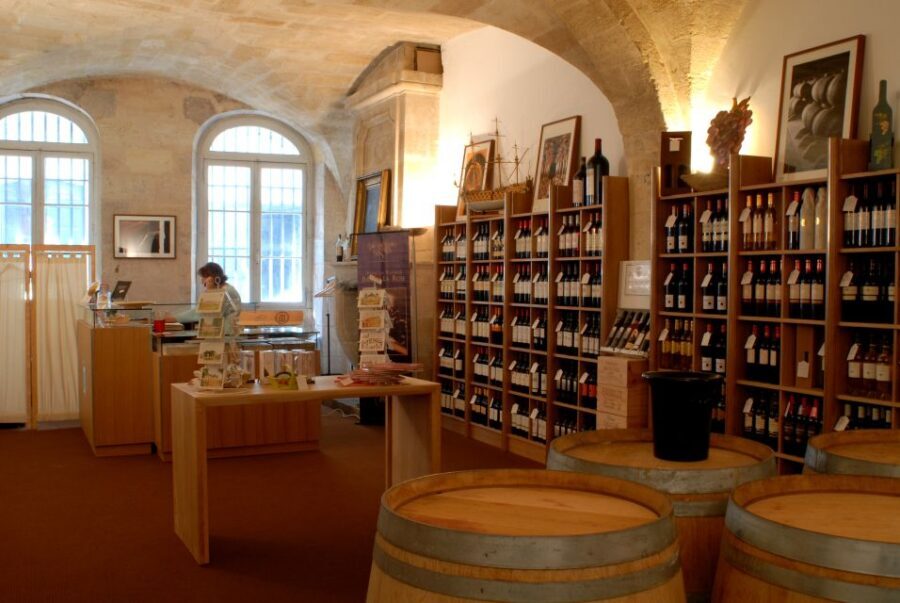
- Vaulted cellars from around 1720 that show how wine was aged and stored in traditional barrels
- A real tasting moment with two in-house selected local wines, paired with Bordeaux snacks
- A vineyard education segment covering grape varieties, AOC, terroir, and local classifications
- Audio or paper guide options in multiple languages, so you can match your learning style
- Small group feel (up to 9 participants), which helps questions during the tasting
A Museum in a Former Louis XV Wine-Merchant Setting
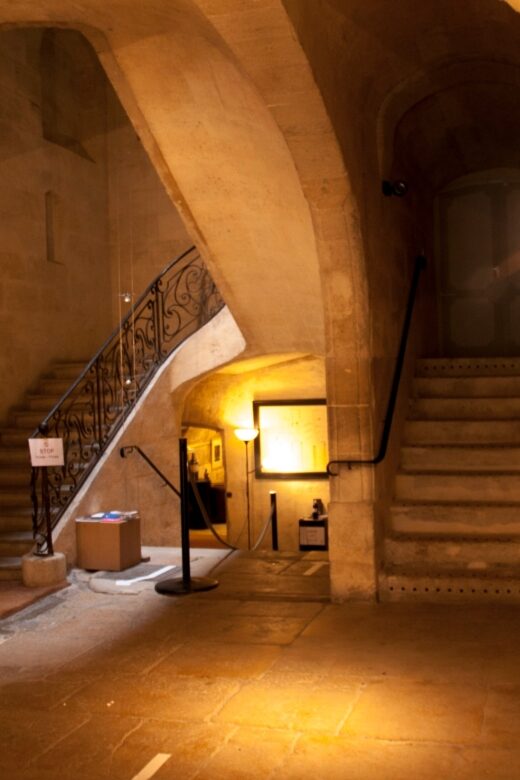
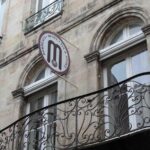
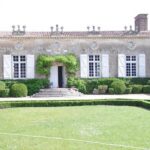
If you want wine culture that goes beyond vineyards and scenic views, this museum-style stop is a smart choice. The Bordeaux Wine and Trade Museum sits in the former residence of Louis XV’s royal broker—an instantly good clue that this isn’t just a modern “look and learn” room.
You’ll be walking through centuries of Bordeaux wine trade and winemaking heritage, tied to the merchants who helped shape the region’s international reputation. That angle matters: Bordeaux wine isn’t only about grapes. It’s also about distribution, aging, packaging, and the business of getting wine to the world.
Other city passes and tickets in Bordeaux


Exploring at Your Speed With a Paper or Audio Guide
Your visit to the museum is mostly self-paced. You’ll have the option of a paper guidebook or an audio guide in several languages, which is great if you like to read slowly, or if you’d rather move at a brisk walking pace and hear the story as you go.
I like this setup because it gives you control. If you want to linger over trade-related details or focus on cellar life, you can. If you’d rather get to the tasting part quickly, you can.
Also, the museum is designed for a walk-through rhythm. You’re not waiting on a group the whole time, so it’s easier to fit into a day when you also want to roam around Bordeaux.
Vaulted Cellars and Barrel Aging: Where the Story Becomes Concrete
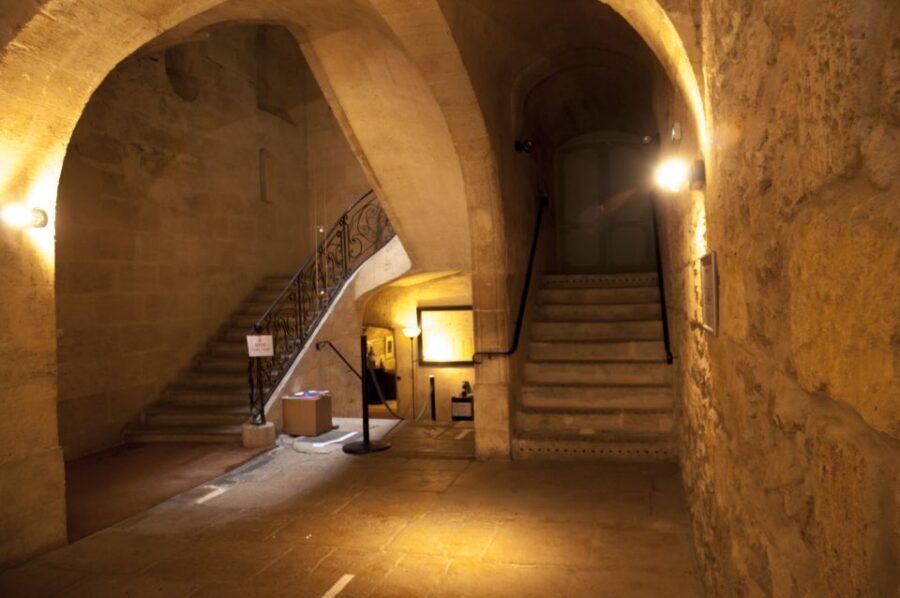
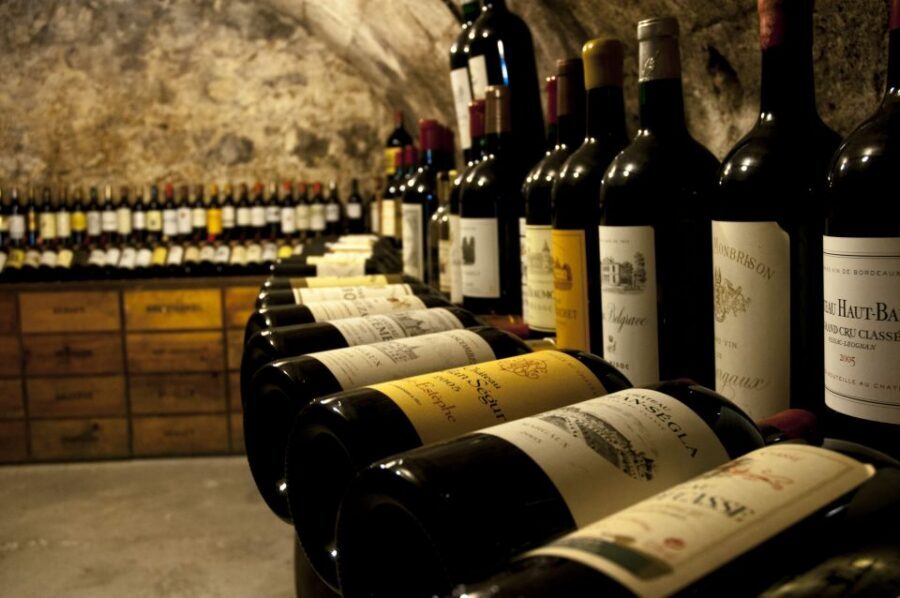
The highlight inside this visit is the cellar experience. You’ll explore historic vaulted cellars dating to around 1720, and you’ll see what traditional aging and storage looked like when barrels were the main tool.
The museum focuses on practical, behind-the-scenes work—especially the role of coopers (barrel makers) and the way wine was kept in traditional barrels as it aged. Even if you’re not a wine nerd yet, this part helps you understand why Bordeaux wine tastes the way it does. Barrel aging affects texture and flavor development, and it also shapes the timeline of how wine is ready to drink.
A useful thing to notice while you’re there: the cellars aren’t just “pretty stone rooms.” They’re part of the system. Temperature stability, aging in wood, and storage practices all connect directly to the end product you’ll be tasting later.
The Bordeaux Vineyards Presentation: AOC, Terroir, and Local Grape Logic
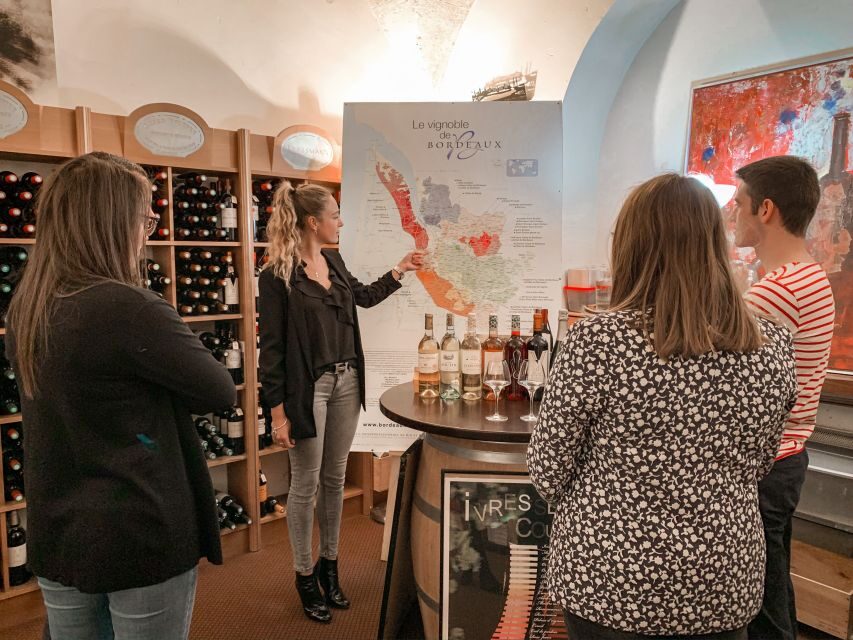
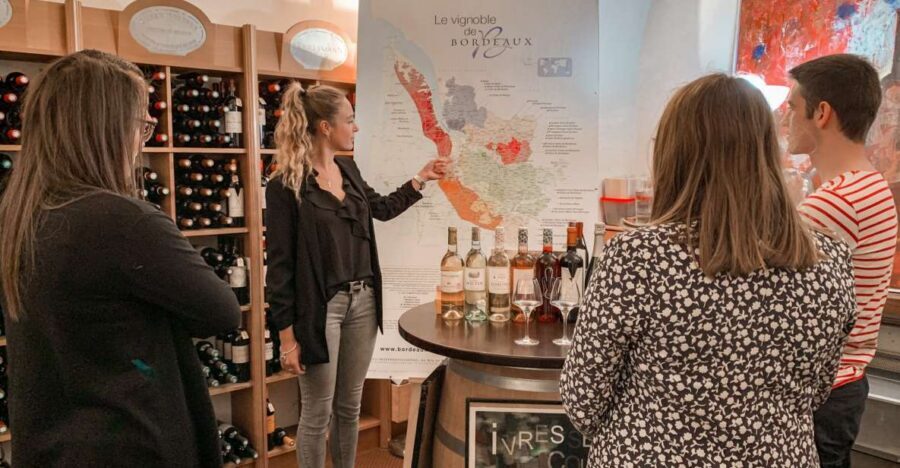
After the cellar walk, the experience shifts from wandering to learning with a vineyard presentation. This is where you’ll get the key vocabulary that shows up everywhere in Bordeaux wine—AOC (Appellations d’Origine Contrôlée), terroir, local grape varieties, and regional classifications.
This portion is valuable because it turns tasting notes into something you can actually connect to place. Instead of learning terms as trivia, you’ll understand what they’re used for—how the environment and farming decisions influence the final bottle.
One of the best parts is that this presentation is built to set up the tasting. It’s not random “winemaking history.” It’s more like the mental warm-up that helps you taste with purpose.
Guided Tasting of Two Local Wines With Bordeaux Treat Pairings
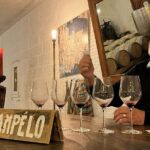
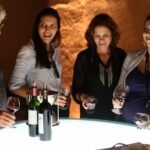
This is the moment most people come for, and it’s handled in a clear, structured way: a guided tasting of two in-house selected local wines.
You’ll also have local delicacies to pair with what you drink. Included are raisins dorés (chocolate-coated raisins). In the tasting experience, you’ll also have traditional canelés de Bordeaux, a small caramelized pastry style that’s strongly associated with the region. The pastry is described as rum-soaked in the experience overview, which gives you another flavor anchor to compare against the wines.
Here’s what I think this pairing approach does well: it teaches you that wine tasting isn’t just about “Is it sweet or dry?” It’s about balance. Chocolate-coated raisins bring a dark, sweet, cocoa edge. A small caramelized pastry adds browned sugar notes and a richer mouthfeel. Together, they help you notice how acidity, tannins, and aromas play with food.
Two wines is a manageable number, especially if you’re new. It keeps the comparison simple. You can focus on differences without feeling like you’re being asked to memorize a dozen labels.
Price and Value for a $14 Wine Education
At about $14 per person, this is priced like a focused add-on rather than a full-day tour with transportation and a long lunch. And that’s exactly where the value comes from.
For your money, you get:
- Museum entry with self-guided exploration
- A paper guidebook included
- A vineyard presentation
- A guided tasting of two local wines
- Raisins dorés as part of the experience
That combination is what makes the cost feel reasonable. You’re not just paying for a room and a label. You’re getting the historical context in the cellars and then the direct payoff: you drink two local wines and compare them with Bordeaux sweets.
If you’re doing a Bordeaux trip on a budget, this is a strong way to taste the culture without committing to vineyard logistics for the day. If you’re already wine-shopping from a cellar shop, this gives you the “why” behind the style.
Small Group Format (Up to 9): Better Questions, Less Waiting
The group stays small, capped at 9 participants. That detail matters during the guided parts—especially around the tasting and the vineyard presentation.
In a small group, questions are less likely to get lost. You’re more likely to hear explanations clearly and to get your confusion resolved before you move on. It’s also a nice social size: big enough to feel lively, small enough to stay comfortable.
This matters even more if you choose to ask about grape varieties and classifications. Those topics can sound technical on paper, but they’re easier to understand when someone can respond in plain language.
Tips to Get More From Your Museum-to-Tasting Flow
Here are a few practical moves that help:
- Use the guide actively, not passively. When you see mentions of barrels, coopers, or aging, pause for a few minutes and connect it to what you later taste.
- Watch your pace in the cellars. The rooms are part of the atmosphere, so it’s easy to slow down. Plan to arrive at the guided presentation with a few minutes of breathing room.
- Taste with the food pairings. Don’t treat the raisins dorés and canelés as an afterthought. Take a bite first or sip after a bite so you can feel the difference.
- Ask about grape varieties and terroir terms. The tasting is timed after that presentation, so it’s your moment to connect words to flavors.
If you prefer fast and efficient experiences, this one can work well because the self-guided museum part doesn’t require you to stay in a big moving pack.
Who This Fits Best (and Who Might Want Something Else)
This experience is a great fit if you:
- Want a wine-focused activity that doesn’t require a bus ride to the vineyards
- Like learning by doing: see the cellar life, then taste
- Prefer an organized tasting with only two wines
- Appreciate Bordeaux’s trade and merchant story, not just grape-to-glass myths
It may be less ideal if you want:
- A fully guided, narration-only tour of the museum (the museum walking time is self-guided)
- A big food program. You’ll have the included sweet pairings, but it’s not described as a full meal experience.
Should You Book This Bordeaux Wine and Trade Museum Ticket?
Yes—if you want a compact, wine-savvy day that hits the essentials. The museum setting makes the cellar aging story feel real, and the guided tasting with Bordeaux sweets is the payoff. At roughly $14, you’re not paying for transportation or a long multi-stop itinerary, but you still get context and taste.
I’d book it especially if this is your first Bordeaux wine experience or if you’re trying to balance wine time with a broader Bordeaux sightseeing day. If you want a classic vineyard day with a larger meal and vineyard walking, you might still do that—but for an efficient intro to Bordeaux wine culture, this ticket is a solid value.
FAQ
Is the museum visit self-guided?
Yes. You can explore the museum at your own pace using a paper guidebook or an audio guide.
What happens after the museum walk?
At the end of the visit, there’s a presentation about the Bordeaux vineyards, followed by a guided tasting of two wines.
How many wines do you taste?
You taste two in-house selected local wines during the guided tasting.
What snacks are included with the tasting?
Raisins dorés are included, and traditional canelés de Bordeaux are part of the tasting pairings.
Is the group large?
No. It’s a small group limited to 9 participants.
How long does the experience take?
The experience is scheduled for 1 day.
Do they offer audio guide and paper guide?
Yes. Both are available, and the audio guide can be used in several languages.
What languages are available?
French, Portuguese, Spanish, Russian, Korean, Chinese, Japanese, Italian, English, German, and Dutch are listed.
Where do you start?
You start at the Bordeaux Wine and Trade Museum.
Can I cancel after booking?
Free cancellation is available up to 24 hours in advance for a full refund.