Croissants fuel history lessons in Bordeaux. This 3-hour English walking tour pairs boulangerie tastings with guided stops around the city center, ending near Rue Notre Dame.
I love the food-to-stories ratio: you get repeated tastings of breads and pastries, not one token bite. I also like how the walk keeps things human-sized (up to 10 people) and the guides I’ve heard mentioned by name, like Nikesh and Josh, focus on both streets and snacks.
One possible drawback: you won’t enter La Flèche Saint-Michel because it’s under construction, so you’ll enjoy the history from the outside.
In This Review
- Key highlights you’ll feel right away
- Why this Bordeaux boulangerie-and-history walk is such good value
- Getting started at Basilique Saint-Michel (and why the start matters)
- La Flèche Saint-Michel: history with a construction reality check
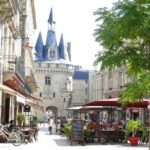
- Grosse Cloche: a quick stop that keeps the timeline moving
- Eglise St Pierre: Old Bordeaux secrets without the tourist roar
- Tour Pey-Berland plus a tasting: history you can taste
- Porte Cailhau: a gate stop that’s brief but memorable
- Basilique Saint-Seurin and the monument many people miss
- Eglise St Louis des Chartrons: Fondaudege and Chartrons worth slowing down for
- Cathedrale Saint-Andre Bordeaux: the finale that ties it together
- The pace, the group size, and why you won’t feel rushed
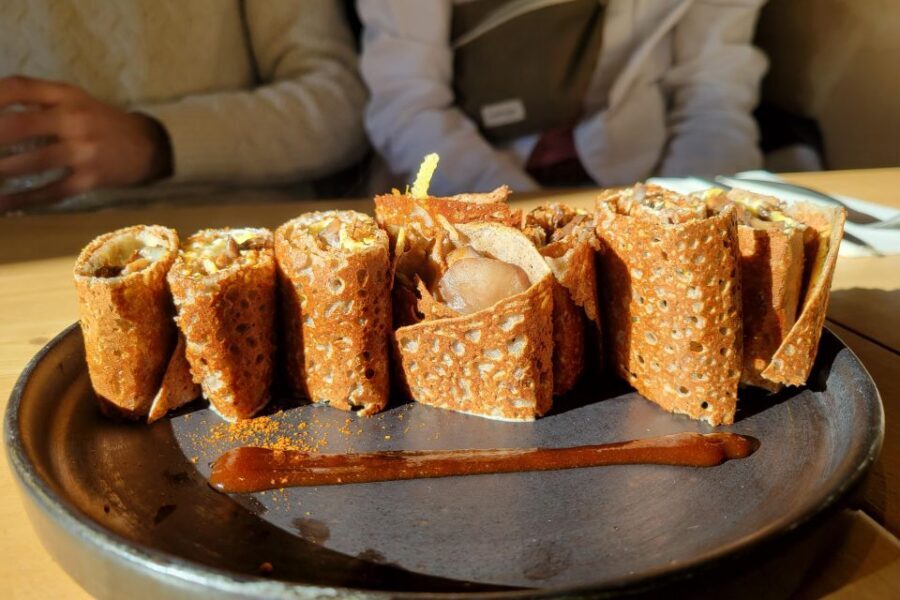
- About the tastings: what you’re really buying beyond bread
- Who should book this Bordeaux boulangerie and history tour
- Price and logistics: what to know before you go
- Should you book this tour
- FAQ
- How long is the Bordeaux Best Boulangeries & History Tour?
- What’s the price per person?
- Is the tour in English?
- How many people are in the group?
- Do we get tastings during the tour?
- Does the tour enter La Flèche Saint-Michel?
- Where does the tour start and end?
- Is the tour near public transportation and suitable for walking?
Key highlights you’ll feel right away
- Small group (max 10): easier questions, calmer pace, and less weaving through crowds.
- Tastings at multiple boulangeries: you’ll snack your way through the day’s theme, French baking in Bordeaux.
- Old Bordeaux landmarks plus quieter streets: you see the famous bits and the side streets you might skip alone.
- Guide-led history, not a lecture: each monument gets context you can use while walking.
- A walk that doesn’t leave you stuck: stop times are short, and most breaks are built in through tastings.
Why this Bordeaux boulangerie-and-history walk is such good value
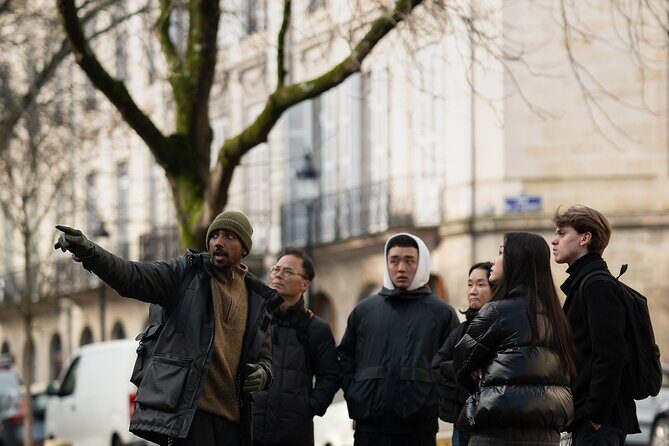
Bordeaux can be a lot at first. The city looks elegant, but the layers of Roman, medieval, and trading-era life can feel hard to sort out on your own. This tour solves that in a very practical way: you walk a tight loop through major landmarks, then pause for tastings that make French food culture feel real, not theoretical.
At $72.56 per person for about 3 hours, the value comes from two things working together. First, you’re not just sightseeing; you’re sampling. Second, you’re seeing parts of Bordeaux that connect to the stories behind the buildings, gates, churches, and districts you’d probably miss if you only used guidebooks and maps.
The best part is the balance. You get enough time at each stop to absorb the place, then you move on while the city is still fresh in your mind. A few people even use the tour as an early arrival activity to get their bearings fast, especially because it’s timed like a relaxed morning walk.
Other Bordeaux food tours in Bordeaux

Getting started at Basilique Saint-Michel (and why the start matters)

Your tour begins at Basilique Saint-Michel, at 16 Pl. Meynard, 33000 Bordeaux. That location is a smart choice because it places you near the older fabric of the city right away, instead of sending you across town before anything interesting happens.
You’ll also want to plan for a proper walking morning. The tour notes moderate physical fitness. It’s not described as a hike, but it is a walking experience with several stops, some lasting just a few minutes, and it moves you through multiple neighborhoods.
The tour uses a mobile ticket, and it’s set up for a small group (max 10). That usually means less waiting around and more time standing where the story is happening, not down the block.
La Flèche Saint-Michel: history with a construction reality check
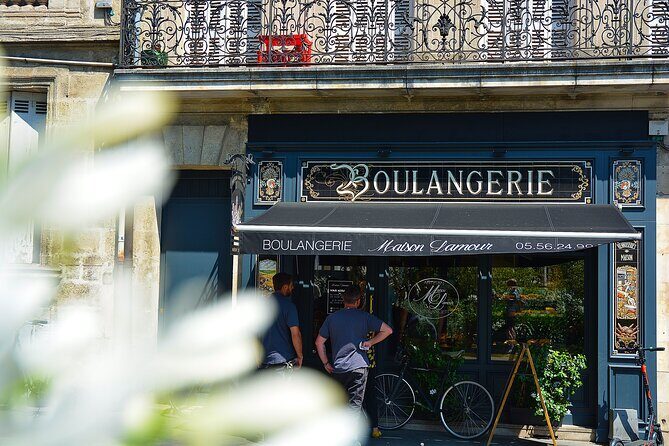
The first stop is La Flèche Saint-Michel. You’ll learn about its history, and the schedule also includes a tasting at a boulangerie right here.
One important heads-up: you won’t enter the Flèche Saint-Michel because it’s under construction. For some visitors, that’s disappointing. For others, it’s actually a relief because the guide can keep momentum and you still get the key story and the food moment without turning the day into a detour hunt.
What I like about the way this works: it sets the tone early. You start with a landmark linked to Bordeaux’s older streets, then you get right into the practical pleasure—bread and pastry—so the history sticks.
Grosse Cloche: a quick stop that keeps the timeline moving
Next up is Grosse Cloche, and the visit is short, around 5 minutes. That’s long enough for you to understand what this structure represents in the city’s story, especially as you’re walking through old central Bordeaux.
Short stops can be risky on tours. Here, the idea seems to be timing: don’t overload the first half. Instead, you keep moving, then you let tastings and slightly longer visits to other sites reset your attention.
If you like your tours with a bit of rhythm—walk, learn, snack—this part sets it.
Eglise St Pierre: Old Bordeaux secrets without the tourist roar
At Eglise St Pierre, you get about 20 minutes. This is one of the more “wander and look closer” moments. You’re encouraged to explore the Old Bordeaux area and learn secrets of the quartier that many people miss, even if they’ve visited before.
This is where the tour feels most “local.” A church stop isn’t just about the building; it’s about what the surrounding streets imply: who lived here, how the city changed, and why certain areas mattered.
Practical tip for this section: take your time looking at street alignments and nearby facades. The tour’s whole format makes these details easier to notice because you’re hearing context while you’re standing in place.
Other historical tours in Bordeaux

Tour Pey-Berland plus a tasting: history you can taste
The tour moves to Tour Pey-Berland, with about 35 minutes here. You’ll learn about the history of three iconic monuments and then enjoy a tasting at a boulangerie.
Why this stop works: it’s a natural midpoint reset. You’ve already had several shorter pauses, and now you get a longer chunk of focused context. Then the tasting turns that history into something you can enjoy immediately—your brain doesn’t have to hold only dates and names.
In Bordeaux, food culture is part of daily life, not a separate event. So a stop like this helps you connect the city’s identity to how people actually spend time—through bakeries, conversations, and routines.
Porte Cailhau: a gate stop that’s brief but memorable
At Porte Cailhau, the stop is about 5 minutes. You learn its history, then you’re moving again.
A short “gate” visit might sound minor, but it’s often a smart way to add depth. City gates are like footnotes made of stone. They tell you about defense, trade, and how the city once controlled movement. Even if the time is brief, the story can make you look at the structure differently.
This is also a good moment to pause your camera workflow. With quick stops, you’ll get more out of one good look than 20 snapshots.
Basilique Saint-Seurin and the monument many people miss
You then reach Basilique Saint-Seurin, with around 35 minutes. Here, you get the history of Saint Seurin plus another tasting in a boulangerie.
After that tasting, the tour heads to the most historic monument in Bordeaux that’s often missed by many tourists. The name isn’t provided in the tour info you shared, so I can’t guess. But the point is clear: you’ll be taken to a major site that many people skip because it’s not always the first thing on standard day-one lists.
This section is one of the reasons people love the tour: it blends “known famous places” with one or two moments that feel like a local shortcut. If you already know Bordeaux has big monuments, this is where the tour proves it can also point you toward what matters next.
Eglise St Louis des Chartrons: Fondaudege and Chartrons worth slowing down for
The next stop is Eglise St Louis des Chartrons, about 45 minutes. You’ll explore the Fondaudege and Chartrons districts and learn their history, followed by a tasting at a boulangerie.
This is the longest on the schedule besides the overall walk, and it signals what the tour wants you to take away: Bordeaux isn’t only a handful of landmark photos. It’s districts with identities—ports, trade rhythms, and neighborhood life. Chartrons, in particular, is a name that tends to show up when people start loving Bordeaux beyond the postcard.
Why the tasting matters here: districts have different food vibes. Even without going into specific flavors, the tour’s repeated structure helps you compare tastes across neighborhoods while you’re also learning how the neighborhoods differ.
If you have any “I’m full but want one more bite” energy, this is a great place to keep your appetite flexible. The pacing is designed so you don’t arrive at the end starving, but you also don’t hit the point where every bite feels like a chore.
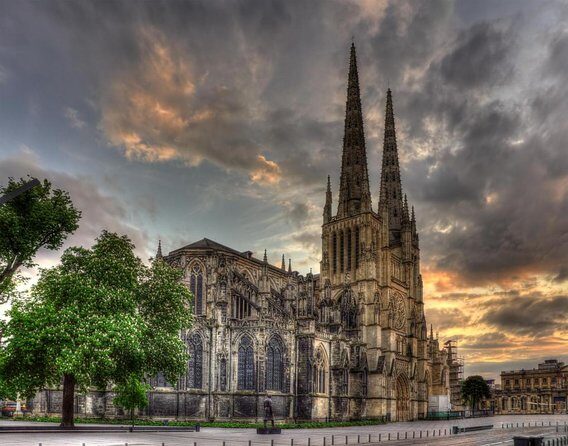
Cathedrale Saint-Andre Bordeaux: the finale that ties it together
Your last named landmark stop is Cathedrale Saint-Andre Bordeaux, with about 12 minutes. You’ll learn its history and then the tour finishes near Rue Notre Dame.
This is a good kind of ending. You end with a major monument, but not with a massive time sink. You’ve already absorbed the city’s geography and identity through the earlier stops, so now you can appreciate this final piece as a capstone rather than a cold start.
Also, walking out of a cathedral area near Rue Notre Dame feels natural. You end where you can keep exploring after the tour, instead of needing to travel cross-town for your next plan.
The pace, the group size, and why you won’t feel rushed
The tour is about 3 hours, with short stop durations sprinkled in throughout: 30 minutes here, a 5-minute history moment there, then 35-45 minutes in other locations. That creates a practical rhythm.
Most people end up enjoying this format because it avoids the two extremes:
- A pure museum tour where you’re always standing still.
- A long, nonstop walking tour where your feet lead and your brain follows behind.
Here, the built-in tastings act like mini breaks, even when the schedule looks packed. And with a maximum of 10 travelers, you can usually ask questions without feeling like you’re competing for attention.
If you’re the type who gets overwhelmed by big group tours, this one’s small scale is a major selling point.
About the tastings: what you’re really buying beyond bread
The tour explicitly includes tastings at multiple points: early on, mid-tour, and again later. The food theme isn’t just “try a pastry.” It’s also about learning how Bordeaux baking fits the city.
From the feedback you shared, the repeated praise is consistent:
- You get enough variety that you don’t feel stuck with one type of snack.
- People explicitly say they do not leave hungry.
- Many mention a pleasant, leisurely stroll instead of a rushed drive-by.
One practical tip that stands out is simple: bring a bottle of water. With several tastings and lots of walking, it helps keep the pace comfortable.
Also, if you have dietary restrictions, tastings mean you should plan ahead. The tour data doesn’t spell out allergy handling, so it’s smart to mention needs at booking so the guide can steer you toward what works.
Who should book this Bordeaux boulangerie and history tour
This is a great match if you:
- Want Old Bordeaux context without spending your whole day in a museum.
- Like food tours where you actually get to sample at several bakeries.
- Prefer a small group and a relaxed, conversational pace.
- Are visiting for the first time and want a route that helps you understand where things are.
Families can also like it, especially if kids are motivated by pastries and sweets. The tour structure includes several short history moments and plenty of edible rewards to keep attention from drifting.
You might hesitate if you’re extremely focused on entering every monument interior. Because La Flèche Saint-Michel is under construction and won’t be entered, you’ll want to be okay with outside viewing there.
Price and logistics: what to know before you go
Yes, $72.56 is not cheap for a walking tour. But you’re paying for two bundled experiences: guided history and repeated boulangerie tastings. A tour with one bakery stop often feels like a snack with a side of facts. This one spreads the food through the walk, which makes it feel more like a real experience.
It’s also the type of tour that gets booked ahead. The info says it’s commonly booked about 40 days in advance, so if your trip window is fixed, you’ll want to reserve early.
In terms of practical comfort, it’s near public transportation, and the walking level is described as moderate. That’s usually the sweet spot: enough walking to feel like you moved through the city, not so much that you’re exhausted before the tastings run out.
Should you book this tour
I’d book it if you want Bordeaux to come alive through two things: where the city’s monuments fit into the story, and how French baking culture shows up in daily life. The strongest reason to choose it is the repeat pattern of history plus multiple tastings, paired with small-group pacing.
Skip it only if you specifically need every site accessed internally—because the Flèche Saint-Michel interior is off the table during construction. If that’s not a deal-breaker, this tour is a smart, enjoyable way to learn Bordeaux while eating well.
FAQ
How long is the Bordeaux Best Boulangeries & History Tour?
It runs for about 3 hours.
What’s the price per person?
The price listed is $72.56 per person.
Is the tour in English?
Yes, it’s offered in English.
How many people are in the group?
The tour has a maximum size of 10 travelers.
Do we get tastings during the tour?
Yes. Tastings at boulangeries are included at multiple stops throughout the walk.
Does the tour enter La Flèche Saint-Michel?
No. You will not enter La Flèche Saint-Michel because it’s under construction.
Where does the tour start and end?
It starts at Basilique Saint-Michel, 16 Pl. Meynard, 33000 Bordeaux and ends at Rue Notre Dame, Bordeaux.
Is the tour near public transportation and suitable for walking?
It’s noted as near public transportation, and it requires moderate physical fitness.