REVIEW · BORDEAUX
Tasting of 6 Bordeaux wines and pairing charcuterie & cheese
Book on Viator →Operated by I love my 2cv · Bookable on Viator
Six pours of Bordeaux can change how you taste. In 1 hour 15 minutes, I like the small group size (up to 6) and the hands-on way Mathilde or Cécilia teaches you how to smell and taste like a pro, not just which wine is sweeter or drier. You’ll taste across Bordeaux’s classic left bank and right bank styles, with food pairings that help your palate connect aromas to flavor.
One thing to keep in mind: the charcuterie and cheese are meant as tasting snacks, not a big meal. If you’re expecting a full plate per wine (or a full-course lunch), the portions can feel light.
In This Review
- Key things to know before your Bordeaux tasting
- Where you’ll start in Bordeaux (and why that matters)
- The setting: courtyard, cellar, or a furnished room
- The tasting sequence: mystery wine, whites from both banks, then reds and a soft pour
- The mystery wine (the fun opener)
- Two dry whites: left bank and right bank
- Three reds: mixtures across the banks
- The soft wine: a different ending to reset your palate
- How the hosts teach you to taste (so you can use it at home)
- Food pairing: charcuterie and cheese that actually fits the glass
- What makes the wine lineup feel like value, not just variety
- How long it takes (and how to plan your day around it)
- Bottle buying: use the session to narrow your choices
- Who this Bordeaux wine + charcuterie pairing is best for
- Should you book this Bordeaux tasting with food pairings?
- FAQ
- How many wines are included in the tasting?
- Is the experience offered in English?
- How long is the tasting?
- What food is included with the wine?
- Do I get a tasting booklet?
- Is lunch included?
- Can I cancel for a full refund?
- Are service animals allowed?
Key things to know before your Bordeaux tasting
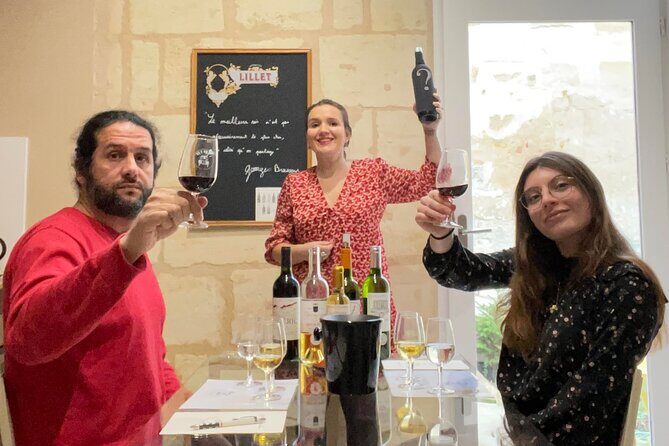
- 6 Bordeaux wines with a mystery pour plus a soft wine at the end
- Left bank and right bank coverage: dry whites first, then reds, then something softer
- Charcuterie and cheese pairing designed to guide what you notice in each glass
- Tasting booklet included, so you can keep practicing at home
- Small group (max 6) for questions, refills, and real back-and-forth
- Wines come from Grands Crus Classés and family estates using organic farming
Where you’ll start in Bordeaux (and why that matters)
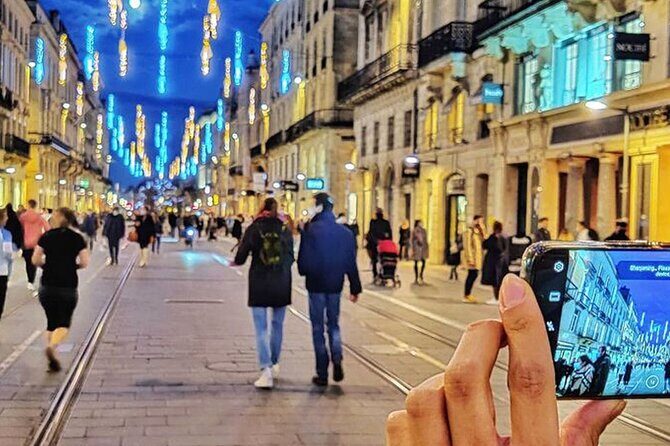
Your session starts at 25 Av. Thiers in central Bordeaux. That location is handy because you’re not planning a half-day around getting to a vineyard far outside town. You’re also close to public transportation, which makes it easier to fit into a tight itinerary.
Plan to arrive a bit early. This is a timed tasting, and the format works best when you’re not rushing in at the last second. The host will set the pace for the whole group, and the whole point is to slow down your senses.
Other wine and cheese pairing experiences in Bordeaux
The setting: courtyard, cellar, or a furnished room
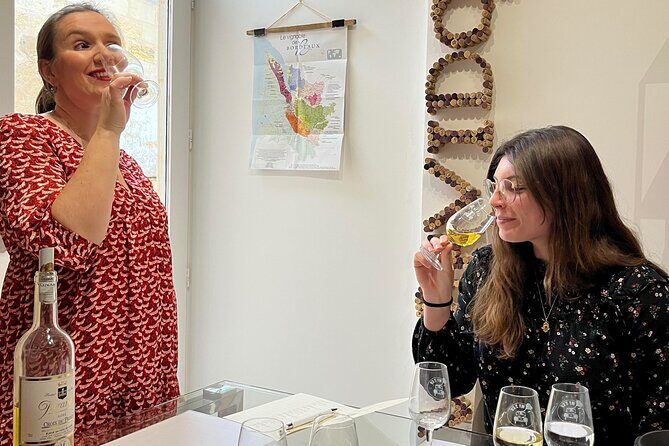
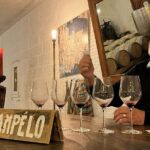
Depending on the season, the tasting happens in a private courtyard, a cellar, or a furnished room. In plain terms, this changes the vibe: outdoors can feel relaxed and airy, while a cellar leans more traditional and focused.
Either way, the goal stays the same. You’re not wandering around for pictures. You’re seated, guided, and tasting in a way that builds from one wine to the next.
The tasting sequence: mystery wine, whites from both banks, then reds and a soft pour
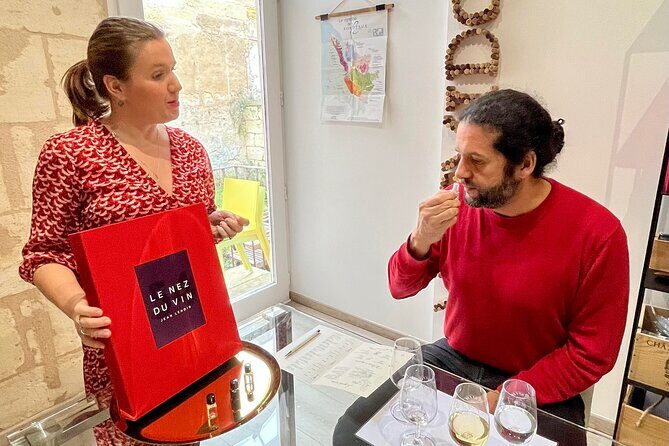
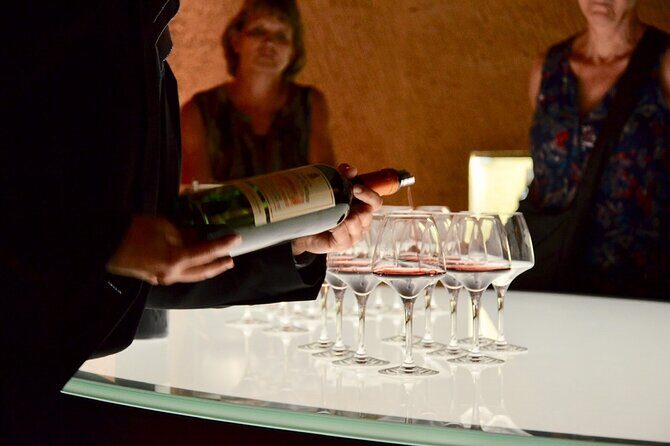
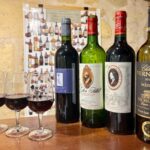
This is a structured tasting with six carefully selected Bordeaux wines. You won’t just sip. You’ll learn a method to identify what you’re getting—fruit, acidity, tannins, balance—and why Bordeaux’s famous regional differences matter.
The mystery wine (the fun opener)
You’ll start with one mystery wine. This is a classic technique because it forces your brain to work without labels doing the thinking for you. Even if you’re a total beginner, this part helps you trust your senses.
Two dry whites: left bank and right bank
Next come two dry white wines. You’ll taste one from the left bank style and one from the right bank style. This is where Bordeaux starts to make sense as a system, not a list of names.
Dry whites are a great entry point because they’re often clearer about what you’re tasting: citrusy notes, mineral impressions, freshness, and how oak (if any) shows up on the palate.
Other food & drink experiences in Bordeaux


Three reds: mixtures across the banks
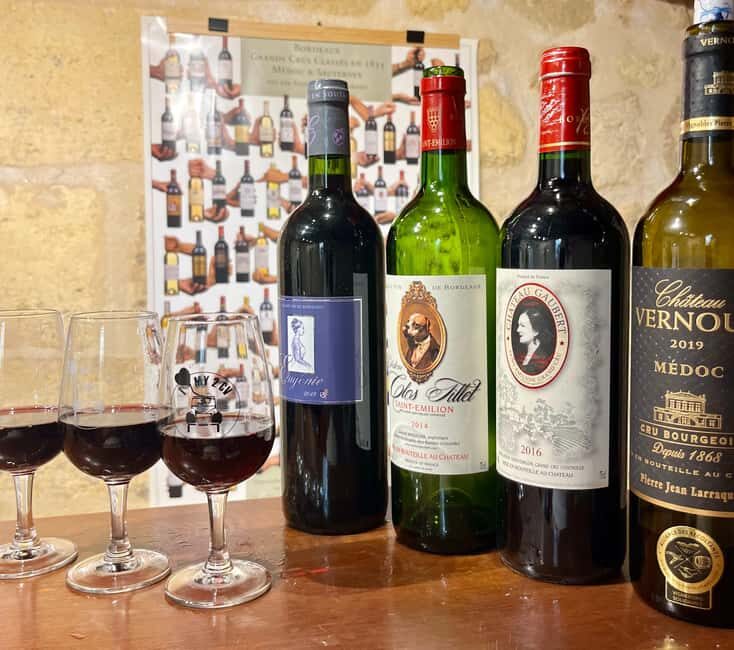
Then you’ll move into three red wines. The plan includes reds that reflect both left bank and right bank influences, plus blends that help you understand how Bordeaux builds character through composition.
This is also where tannin and structure come into play. You’ll notice that two reds can taste similar at first glance but feel different later—on the finish, in the mouthfeel, and in how the flavors line up.
The soft wine: a different ending to reset your palate
Finally, you’ll taste one soft wine. It’s not the same as a heavy dessert pour; the idea is to give your palate a new reference point after the reds. Ending this way helps you come away with a fuller sense of what Bordeaux can do beyond the big red reputation.
How the hosts teach you to taste (so you can use it at home)
Mathilde and Cécilia are trained wine professionals, and that training shows in how they explain the process. Instead of just handing you facts, they guide you through a tasting routine that you can repeat later.
Here’s what that means for you: by the end, you should feel more confident describing what you taste. You’ll also have a clearer sense of how Bordeaux is built—appellations, terroirs, grape varieties, blends, and classifications.
One of the best parts is that they teach you to use your senses in order. Smell first. Then taste with attention to acidity, tannins, and balance. It’s the difference between drinking wine and learning from wine.
And you get a tasting booklet to take home. That matters because Bordeaux has enough moving pieces that a memory-only approach can get messy fast. With a booklet, you can practice at your own pace after the aromas start fading.
Food pairing: charcuterie and cheese that actually fits the glass
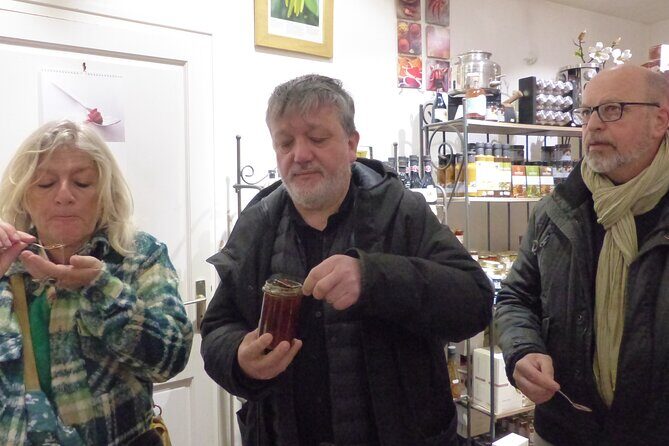
You’ll have snacks designed as food and wine pairings, built around charcuterie and cheese. The point isn’t to overwhelm you with food. It’s to give your palate something real to react to while you’re tasting.
This format helps in two ways. First, it makes the aromas feel more obvious. Second, it shows you how salt, fat, and seasoning can change how a wine feels—especially with reds that have structure.
If you like practical learning, this is a smart approach. You’re not studying pairings from a book. You’re seeing the effect immediately in front of you.
One consideration: the pairing is offered as tasting bites, not a full lunch. So if you’re starting the day hungry, plan a snack before you go, and treat this as part of the tasting experience, not the main event.
What makes the wine lineup feel like value, not just variety
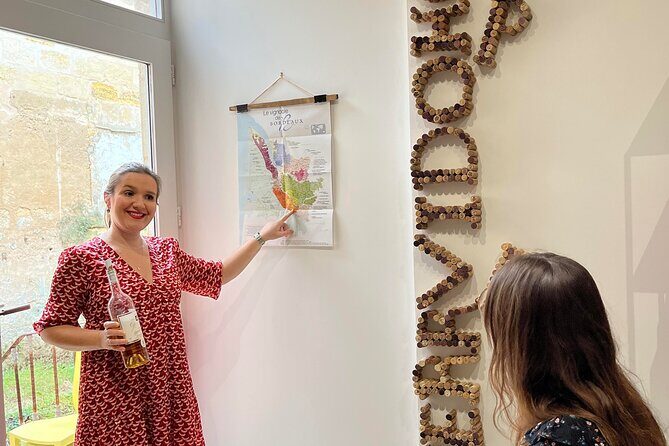
Six glasses for $54.44 is not only about quantity. The value comes from the variety being meaningful.
You taste:
- a mystery wine (training your palate)
- two dry whites spanning left and right bank styles
- three reds that help you compare structure and blending choices
- one soft wine to round out the flavor range
Then the wines come from Grands Crus Classés and family estates, including estates in organic farming. That’s a big deal for your buying instincts because you’re tasting wines made with real constraints and real methods, not generic house pours.
Also, the wines you try are available for purchase. That’s useful if you’re the type who forgets everything the moment you hit the souvenir shop. Here, you can buy with a memory trail still fresh.
How long it takes (and how to plan your day around it)
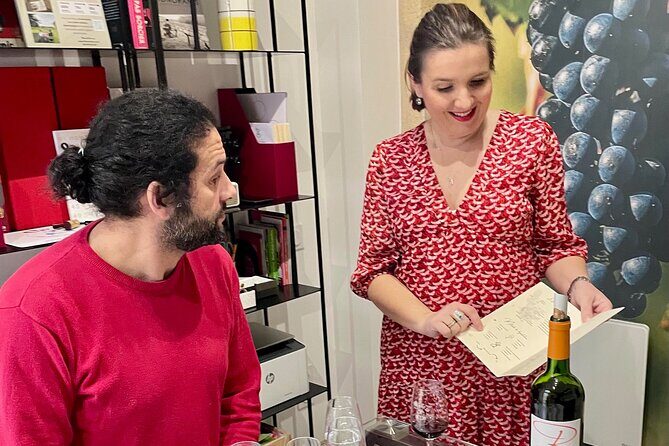
The session runs about 1 hour 15 minutes. That’s a fast, focused window. It’s long enough to teach a real method and taste six wines, but short enough that you’re not stuck for half a day.
This timing is great for a short Bordeaux visit. It also means you should plan around it like a reservation at a popular restaurant: arrive on time, then let the host do the pacing.
If you’re coming from elsewhere in the city, build in extra transit time. When people get squeezed by connections, they may miss the relaxed rhythm the tasting relies on.
Bottle buying: use the session to narrow your choices
At the end, you’ll be able to purchase bottles from the wines you tasted. That part is underrated.
Most wine vacations end with you vaguely remembering what you liked, then guessing later. This format gives you a direct link between what you tasted and what you can buy. If you’re trying to decide whether you prefer fresher whites or more structured reds, this is one of the quickest ways to learn that without committing to a whole case.
Even if you don’t buy right away, you’ll leave with better language for your next wine shop stop in Bordeaux.
Who this Bordeaux wine + charcuterie pairing is best for
This tasting is a strong fit if you:
- want a beginner-friendly path into Bordeaux without feeling overwhelmed
- prefer small-group attention (max 6)
- like learning practical tasting skills you can use later
- enjoy both wine and simple, well-matched food pairings
It’s also a good choice for a “one activity” Bordeaux day because it keeps you in the city and delivers real technique, not just tasting sips.
If you want a long vineyard day with countryside views and winery logistics, this isn’t that. This is an in-town tasting experience built for education and immediate tasting results.
Should you book this Bordeaux tasting with food pairings?
Yes, you should book it if you want the best kind of wine souvenir: a better palate.
This works particularly well when your time is limited, because you get six meaningful wines, a taught tasting method, and charcuterie/cheese pairings in a compact 1 hour 15 minutes. With hosts like Mathilde and Cécilia, the experience is designed to help you stop guessing and start noticing.
Only skip it if you’re mainly after a big meal or if you want something that feels like a full production tour outside the city. For a focused Bordeaux introduction with real structure, this tasting is a smart use of your time.
FAQ
How many wines are included in the tasting?
You’ll taste 6 Bordeaux wines, including 1 mystery wine, 2 dry whites (left and right bank), 3 reds (left/right bank and blends), and 1 soft wine.
Is the experience offered in English?
Yes. The experience is offered in English.
How long is the tasting?
It runs about 1 hour 15 minutes.
What food is included with the wine?
You’ll get snacks in the form of a food and wine pairing with charcuterie and cheese.
Do I get a tasting booklet?
Yes. A tasting booklet is included, so you can keep practicing at home.
Is lunch included?
No. Lunch or a picnic is not included (it’s listed as not included and would require reservation).
Can I cancel for a full refund?
Free cancellation is available. You can cancel up to 24 hours in advance for a full refund; cancellations made less than 24 hours before the start time are not refunded.
Are service animals allowed?
Yes, service animals are allowed.