REVIEW · BORDEAUX
Private Bordeaux History Tour with a glass of Bordeaux wine.
Book on Viator →Operated by Bordeaux Free Walking Tours · Bookable on Viator
Bordeaux history on foot beats any bus tour. You get a truly private walking pace (only your group), plus a smart hit list of major sights, including UNESCO-listed landmarks, all linked into one clear story. I also like the practical format: short stops, clear explanations, and enough time to keep moving without feeling rushed.
One possible drawback: monument entrances aren’t included, so you’ll mostly be viewing exteriors and learning what you’d see inside from the guide’s context.
In This Review
- Key highlights if you’re short on time
- Why this 2-hour private Bordeaux history walk works
- Start at Saint-André Cathedral: where the story gets real
- Tour Pey-Berland and the rhythm of the old streets
- Rue Saint-Catherine: Roman road to shopping street
- Middle Ages at Rue du Loup: how Bordeaux went English
- Place du Palais and Porte Cailhau: planned power in stone
- Place de la Bourse, the Miroir d’Eau, and Bordeaux’s civic theater
- Grand Théâtre: Victor Louis’s neoclassical statement
- Place Gambetta and the city’s “in-between” history
- Passage Sarget: Bordeaux’s covered walkway with Paris influence
- Place du Chapelet and the Church of Notre-Dame organ
- Allées de Tourny and the long reach of one planner
- Monument aux Girondins at Place des Quinconces: Revolution turned into sculpture
- The included glass of Bordeaux wine: what to expect
- Price and value: is $90.36 per person worth it?
- Who should book this tour
- Should you book this Bordeaux history tour?
- FAQ
- How long is the private Bordeaux history tour?
- Is the tour private or shared?
- What language is the guide?
- What’s included in the price?
- Are monument entrances included?
- Where do we meet and where does it end?
Key highlights if you’re short on time

- Private walking pace that lets you ask questions as you go
- UNESCO setting built into the route, starting at Saint-André Cathedral
- A mix of Bordeaux “then and now” from Roman-era routes to French Revolution symbols
- Iconic gateways and public squares like Porte Cailhau and Place de la Bourse
- Passages and churches for texture beyond the big monuments
- One glass of Bordeaux wine at the end, with a local bar stop
Why this 2-hour private Bordeaux history walk works
If you want Bordeaux in a hurry, this kind of tour makes sense. You’re not trying to memorize the city by yourself; your guide connects the dots so the streets feel ordered instead of random. And because it’s private, the pace stays tailored, not forced around strangers who are reading every plaque like it’s a novel.
The route is also designed for “time-saving sightseeing.” You hit signature stops—cathedral, pedestrian streets, major squares, gateways, and theatrical architecture—without spending your whole day in lines. It’s a good match for first-timers, but it can also sharpen your understanding if you’ve been before and just didn’t know how everything related.
At $90.36 per person for about 2 hours, the value comes from what’s included: a private English-speaking guide plus a glass of Bordeaux wine after the walk. If you’re traveling as a couple or small group, it can feel even easier to justify because you’re paying for guidance, not just access.
Other private tours in Bordeaux

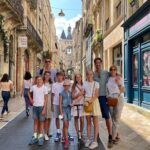
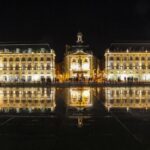
Start at Saint-André Cathedral: where the story gets real
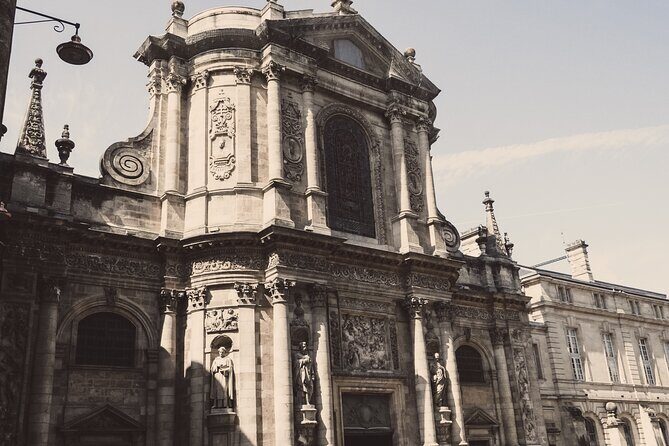
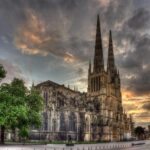
Your walk begins at Cathédrale Saint-André de Bordeaux, a UNESCO World Heritage site and one of the anchors of the old city. Even if you’re only seeing the façade from the square, you get the big idea fast: this isn’t decorative stonework. It’s a landmark that has watched royal weddings, religious life, and centuries of changing Bordeaux pass by.
This is also a smart “starter stop.” The guide can frame what Bordeaux was becoming—spiritually, politically, and architecturally—so the later stops make more sense. You’ll hear why it’s Gothic in spirit, why details on the outside matter, and how restoration fits into the cathedral’s long life.
Tip: since entrance into monuments isn’t listed as included, use your time here to absorb the exterior design, the scale, and the symbolism. If you want interior time later, you can plan that as a separate add-on on another day.
Tour Pey-Berland and the rhythm of the old streets
From there, the tour keeps you in the historic center’s walking flow. You’ll pass by Tour Pey-Berland, a key part of the cathedral complex area, and learn how it fits into the church-and-city relationship that defined this part of Bordeaux.
Even on a quick stop, the payoff is in the connection: towers, churches, squares, and gates weren’t just background. They helped organize power, wealth, and identity. Once you understand that, you start reading the city differently as you walk.
And then you move toward Rue Saint-Catherine, which is where Bordeaux becomes a street-level experience.
Rue Saint-Catherine: Roman road to shopping street
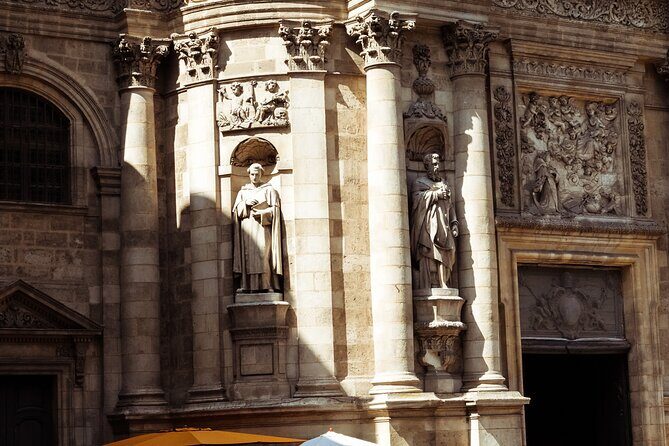
One of the best parts of the walk is the time spent around Rue Saint-Catherine, known as the longest pedestrian street in Europe. This is where Bordeaux feels like a working city, not a museum set.
The guide’s job here is to keep it from becoming just a shopping corridor. You’ll hear how the route’s story stretches back to Roman times, then shifts through centuries until it becomes the high-foot-traffic pedestrian spine it is today. You’re essentially walking a timeline you can touch.
Two reasons this stop works for most people:
- The street is easy to enjoy even if you don’t love architecture.
- It gives your legs a reset between denser history stops.
If you prefer quieter moments, go in with the expectation that this street is active. The tour doesn’t try to escape that energy—it uses it as part of the story.
Middle Ages at Rue du Loup: how Bordeaux went English
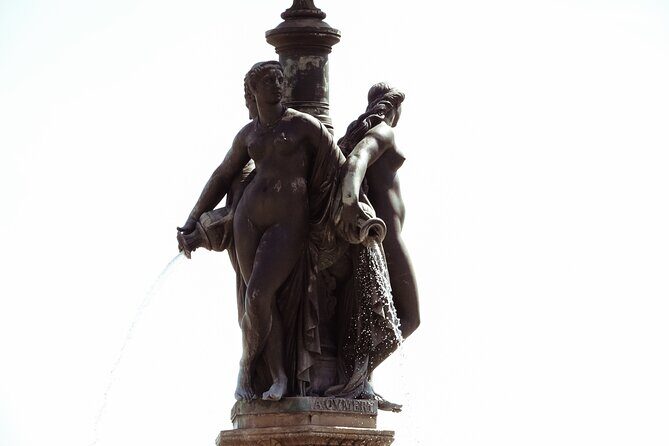
Next up is Rue du Loup, a short but meaningful stop focused on the Middle Ages. This is where the tour leans into one of Bordeaux’s most interesting “twists”: how the city became linked to English power.
You’ll see medieval architecture cues up close and get the background so the connection isn’t just a trivia fact. It’s the kind of story that makes later stops—like gates and public monuments—feel more logical. History in Bordeaux often shows up as stone, street patterns, and political symbolism, not just dates.
This stop is brief, but it’s useful if you like the idea of one or two strong threads running through the whole tour. In this case, one thread is changing political control and what it left behind.
Other historical tours in Bordeaux





Place du Palais and Porte Cailhau: planned power in stone
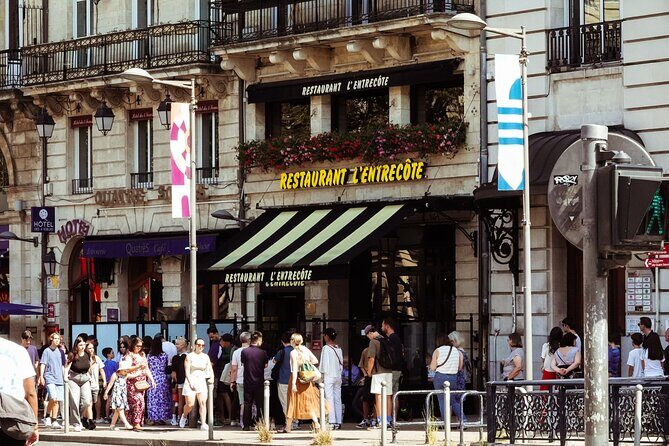
Place du Palais is another stop that’s quick, but it teaches you how Bordeaux thinks about design. Instead of just naming a square, you’ll learn about the architectural idea behind its creation—why it’s shaped the way it is and what that says about the city’s public identity.
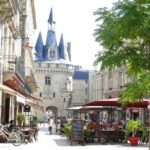
Then you hit one of Bordeaux’s most photogenic history anchors: Porte Cailhau. This 15th-century gateway was built to honor King Charles VIII’s victory at Fornovo, and it once served as the main entrance to the city. The guide also explains the blend of styles you see here, including Gothic and Renaissance touches, and the gateway’s role in defending Bordeaux.
What I like about Porte Cailhau as a “tour hinge” is that it changes your mindset. After seeing a cathedral and street history, you’re now thinking about movement—entry points, borders, and how cities guarded what mattered. Bordeaux’s gate story helps you understand why squares and monuments feel so intentional.
Place de la Bourse, the Miroir d’Eau, and Bordeaux’s civic theater
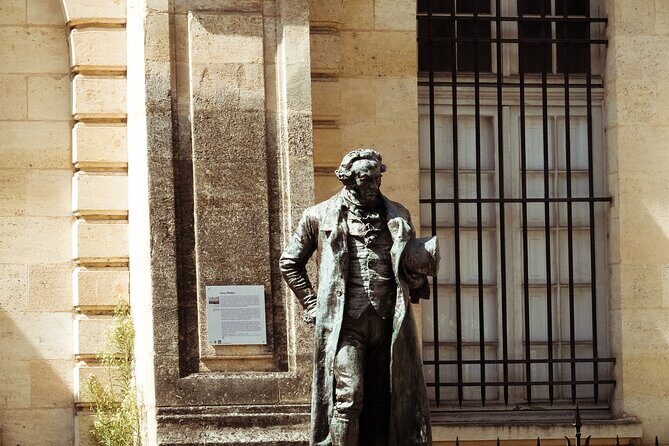
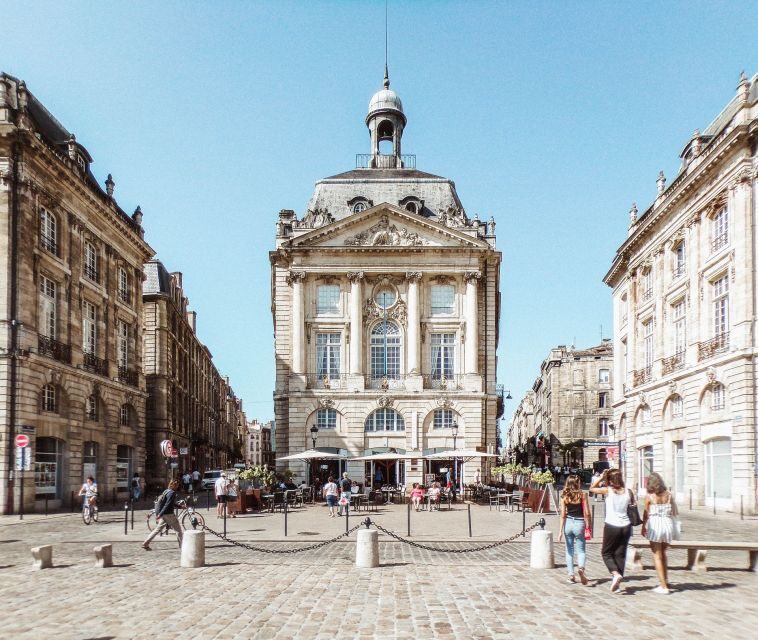
The walk then brings you to the historical heart of Bordeaux at Place de la Bourse, where the Miroir d’Eau is part of the experience. Even if you’ve only seen photos, this is the kind of place where the guide’s context makes it click: it’s not just a pretty water feature. It’s tied to the city’s identity and the way Bordeaux displayed power and prosperity.
This stop also functions as a “greatest hits” moment, with a concentration of major monuments in one area. The guide uses that clustering to help you visualize how the city center is arranged and why it matters.
You’ll also spend time learning about the key institutions nearby, including Bordeaux Cathedral again as part of tying the route together. (Don’t worry if you already saw Saint-André at the start; the second mention is often about reinforcing how locations connect.)
If you’re the type who likes to take in details without running around, this is a good place to slow down for a few minutes.
Grand Théâtre: Victor Louis’s neoclassical statement
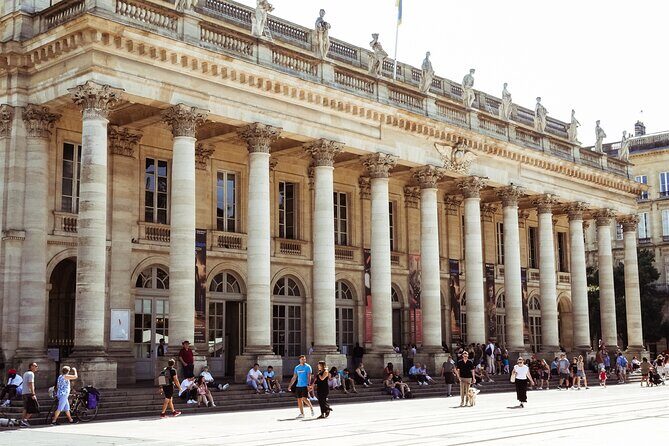
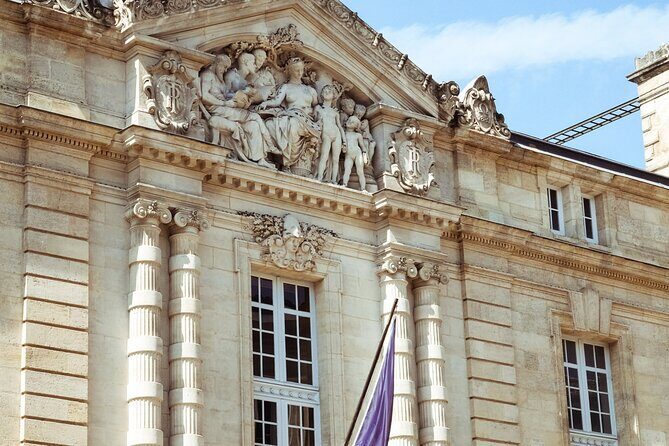
Next comes the Grand Théâtre de Bordeaux, one of the city’s iconic cultural buildings. You’ll hear that it was built in 1780 and designed by architect Victor Louis, with a façade that includes statues of the nine muses and goddesses. The tour also covers how it continues to matter as a performance site today.
Here’s the practical value: the guide helps you read the theatre as a civic symbol, not just a pretty building. Bordeaux used architecture like a language—this one reads as confidence, culture, and wealth.
Because monument entrance isn’t included, don’t plan this stop as a guaranteed interior visit with full access. Still, the façade and surroundings are worth your time, especially if your guide points out the elements that most visitors miss.
Place Gambetta and the city’s “in-between” history
Place Gambetta offers a different pace. It’s a historic square tied to Bordeaux’s western gate origins and later urban transformation in the 18th century. You’ll also hear how the square connects to political change, including the French Revolution.
What I appreciate here is the balance. After cathedral and theatre scale, this stop brings you back to everyday public space—gardens, architecture around the square, and a place to breathe for a moment.
This is also a good spot if you like contrasts: Bordeaux isn’t only monumental. It’s also social. Squares like this are where civic life happened and, in a modern sense, still happens.
Passage Sarget: Bordeaux’s covered walkway with Paris influence
Passage Sarget is a late 19th-century covered passage built to connect specific streets and places in the center. The tour explains that it was named after Jean-Alexandre Sarget, a philanthropist and banker, and that its design took inspiration from Parisian arcades.
This stop is where the city starts feeling more human. You get glass roofing, ironwork, and the “walkable-in-all-weather” charm that makes these passages special. It’s also a reminder that Bordeaux history isn’t only about big dates and royal figures. It’s about how people moved, shopped, met, and traded over time.
If you like architecture that you can walk through, this is a highlight. If you want fast monument photos only, you might wish for longer time here, but the stop is still a solid break in the route.
Place du Chapelet and the Church of Notre-Dame organ
At Place du Chapelet, you’ll learn about the Church of Notre-Dame, a 17th-century landmark with an organ that’s known for sounding during special performances. You’ll also hear about a historical art-related moment: the church is the site of a famous painter’s funeral in the 19th century.
This stop matters because it adds “arts and sound” to a tour that otherwise leans heavy on architecture and politics. It’s also a good reminder that Bordeaux’s cultural identity isn’t only visual. Music and ceremonies shaped the city too.
Even if you’re not scheduling a performance, you’ll walk away with a clearer sense of why this church remained meaningful across centuries.
Allées de Tourny and the long reach of one planner
As you move toward the end of the walk, you reach Allées de Tourny, a tree-lined avenue designed as part of Bordeaux’s transformation. The guide explains that its layout is linked to an influential figure who shaped Bordeaux—and also influenced urban development in Paris.
This is a helpful stop if you like thinking beyond the city limits. Bordeaux didn’t develop in isolation. Its planning ideas traveled, just like art and trade did.
Practically, the wide avenue and open space can feel like a release valve after narrower streets and tight old-city corners.
Monument aux Girondins at Place des Quinconces: Revolution turned into sculpture
Your walk finishes at Place des Quinconces, where you’ll encounter the Monument aux Girondins. This is a dramatic memorial to the Girondin deputies who were killed during the French Revolution.
What makes the monument important for the tour’s story is the symbolism: the sculptures represent liberty, the triumph of the Republic, and Bordeaux’s maritime heritage. The guide also connects it to why this square is such a centerpiece for the city.
This is one of those end points that doesn’t just look impressive. It forces you to remember that Bordeaux’s public spaces were shaped by ideology as well as aesthetics. After walking through cathedrals, streets, gates, and theatres, the monument pulls everything into one final theme: power, memory, and identity.
The included glass of Bordeaux wine: what to expect
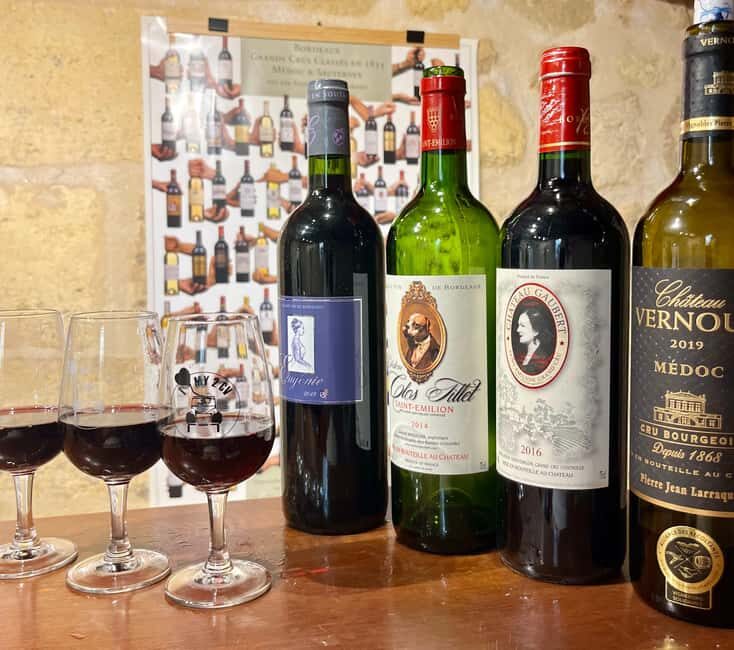
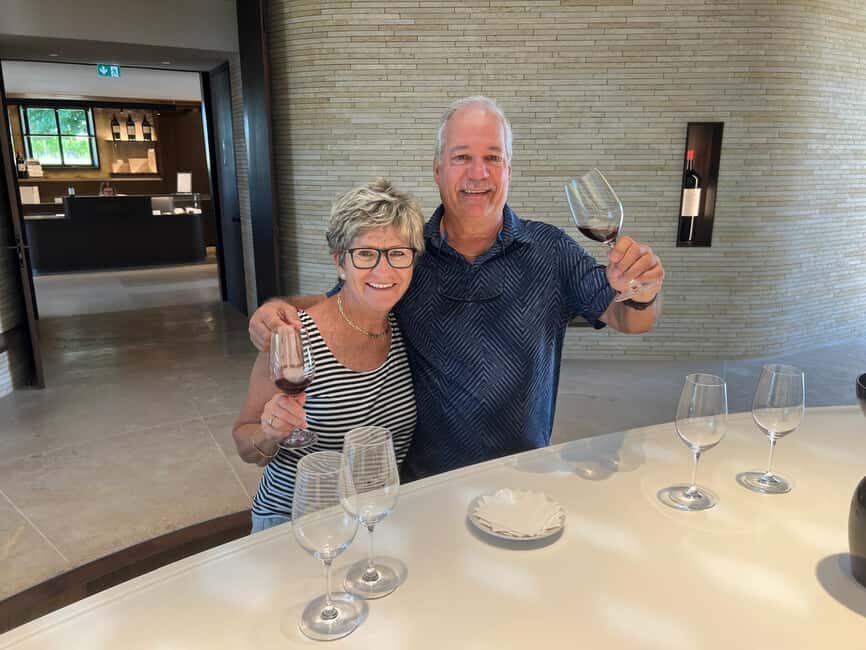
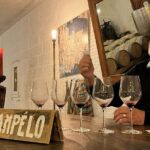
At the end, you’ll head to a partner bar for a glass of Bordeaux wine. This is a practical reward after two hours of walking, but it also closes the loop on the tour’s theme. Bordeaux isn’t just architecture; it’s also trade, land, and a local product with a long storyline.
Because it’s only one glass included, don’t treat it like a full wine tasting. Treat it like a tasting hello: something to sip while you replay the stories your guide told you. If you want to go deeper into wine later, you’ll have a better context for what you choose.
Price and value: is $90.36 per person worth it?
Let’s be real: private tours cost real money. At $90.36 per person for about 2 hours, this doesn’t try to compete with free walking tours where you pay tips. Instead, it sells you something different: time efficiency, personal pacing, and guided context.
The best value comes if you:
- want to see a lot of Bordeaux without figuring it out yourself
- like history explained in an organized way rather than reading everything blindly
- appreciate a private format where you can ask follow-up questions
The main thing to weigh is your expectations for monument entry. Since entrance inside monuments isn’t included, this is best for exterior viewing, street-level understanding, and learning context. If you want long interior time at multiple stops, you might need to add separate tickets on your own day.
Who should book this tour
This tour is a strong fit if you’re:
- visiting Bordeaux for the first time and want a focused orientation
- traveling with someone who enjoys architecture and political history
- short on time but still want UNESCO-area context
- the type who likes a guided walk ending with a local drink
It may feel less ideal if you’re expecting a full museum-style itinerary or guaranteed interior access at every stop. But as a “first Bordeaux understanding,” it’s a good way to start.
Also, because the tour is private and in English, it’s a good choice for visitors who want comfort and clarity without waiting for a multi-language group schedule.
Should you book this Bordeaux history tour?
If your goal is quick, guided, and memorable, I think it’s a yes—especially for a first pass through Bordeaux’s center. You get a private walking experience, a tour that ties together major landmarks across time, and an included glass of Bordeaux wine to end on a relaxing note.
Book early if you can, since it’s often reserved about 40 days in advance on average. And if you’re hoping for lots of interior monument time, plan one or two extra paid stops on a different day so this walk stays what it does best: connecting Bordeaux’s buildings, squares, and street stories into one smooth route.
FAQ
How long is the private Bordeaux history tour?
The tour lasts about 2 hours.
Is the tour private or shared?
It’s private. Only your group participates.
What language is the guide?
The tour is offered in English.
What’s included in the price?
The experience includes a private historical walking tour, an English-speaking guide, and a glass of Bordeaux wine at a partner location. You also receive a mobile ticket.
Are monument entrances included?
No. Entrance inside the monuments is not included.
Where do we meet and where does it end?
You start at Bordeaux Cathedral (Cathédrale Saint-André de Bordeaux, Pl. Pey Berland, 33000 Bordeaux) and end at Place des Quinconces (33000 Bordeaux).