REVIEW · BORDEAUX
Bordeaux Free Walking Tour (Tips-Based)
Book on Viator →Operated by HandMedinaCo Tours · Bookable on Viator
Every street has a story to match. This tips-based Bordeaux walking tour lets you walk through the city’s UNESCO-era sights with a native English guide and I like how it mixes big-picture history with hands-on advice for where to eat and drink; I also like the small-group feel (max 15). One drawback: you don’t go inside monuments here, so it’s mostly exterior views and photo stops.
I built my plan around this because it’s a fast way to get your bearings in a city that can feel like a lot at first. The route targets major landmarks across medieval and classical Bordeaux, and the whole thing runs about 2 hours at a steady walking pace. That time pressure can be great, but if you’re hoping for lots of museum-style interiors, you’ll want a different kind of tour.
You’ll use a mobile ticket, meet at the statue of Jacques Chaban Delmas, and finish outside a wine bar where the guide shares local recommendations you can actually use right away. If you’re traveling with kids or you want a relaxed pace with questions, the small group helps a lot—just bring comfortable shoes.
In This Review
- Key Highlights at a Glance
- Why This Bordeaux Walking Tour Fits First-Time Trips
- Meeting at Chaban Delmas and Finishing at a Wine Bar
- Stop-by-Stop: What You’ll See Without Going Inside
- Palais de Rohan and the Hotel de Ville Look (Stop 1)
- Cathedrale Saint-Andre and the Louis VII Wedding Story (Stop 2)
- Tour Pey-Berland: Why It’s Separate (Stop 3)
- Place Saint-Projet and the Stroll Toward Rue Saint Catherine (Stop 4)
- La Toque Cuivrée Pastry Stop: Rum, Vanilla, and Vineyards (Stop 5)
- Place Camille Jullian and the Bar-and-Café Squares (Stop 6)
- Utopia: A 15th-Century Church Turned Movie Theatre (Stop 7)
- Rue des Bahutiers: Wooden Chest Makers and an Old House (Stop 8)
- Porte Cailhau: A Gateway Built for a Reason (Stop 9)
- Eglise St Pierre: Old Town Core Church (Stop 10)
- Place de la Bourse: Neo-Classical Elegance (Stop 11)
- The Water Mirror: Riverfront Views That Match the Square (Stop 12)
- Place de la Comedie: The Golden Triangle Area (Stop 13)
- Grand Theatre: Victor Louis and the Monumental Main Square (Stop 14)
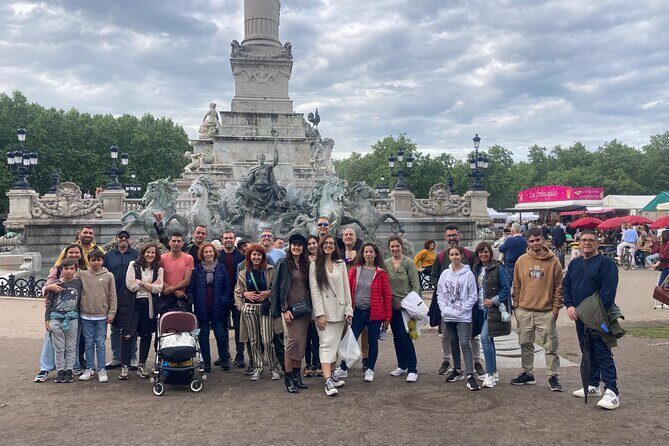
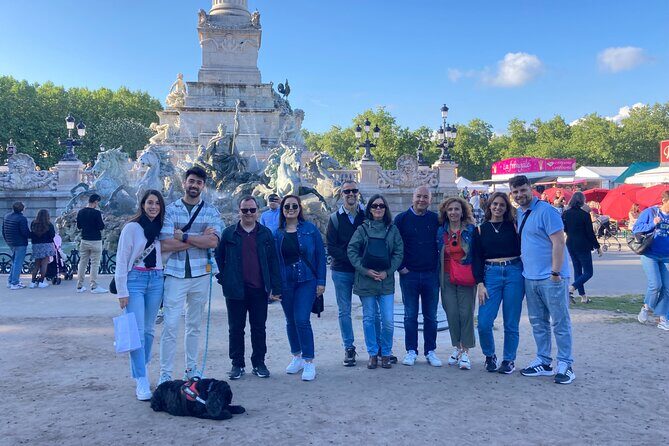
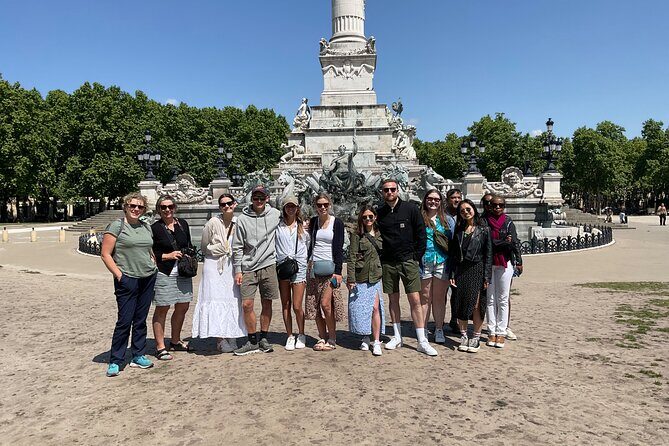
- The Girondins Revolutionaries Monument (Final Stop)
- How the Guide Turns Sights Into a Story
- Price and Value: What $3.55 Really Means Here
- Who Should Book This Bordeaux Tour (and Who Should Skip It)
- Should You Book This Bordeaux Free Walking Tour?
- FAQ
- How long is the Bordeaux Free Walking Tour?
- Where do I meet the guide, and where does the tour end?
- Is this tour really free?
- Do you enter monuments during the tour?
- How big is the group?
- What language is the guide?
- Do I need an admission ticket for the stops?
- Is it near public transportation?
- Are service animals allowed?
- What is the cancellation policy?
Key Highlights at a Glance
- Max 15 people: easier questions, more guide attention, and a calmer pace
- Native English speaking guides: clear explanations plus real local tips
- UNESCO landmarks on foot: Saint-Andre, Porte Cailhau, Place de la Bourse, and more
- Exterior-only viewing: great for seeing what matters fast, with fewer lines
- Food and wine guidance: pastry stop plus where to eat and drink after the tour
- Route ends at a wine bar: you get recommendations in a natural tasting setting
Why This Bordeaux Walking Tour Fits First-Time Trips
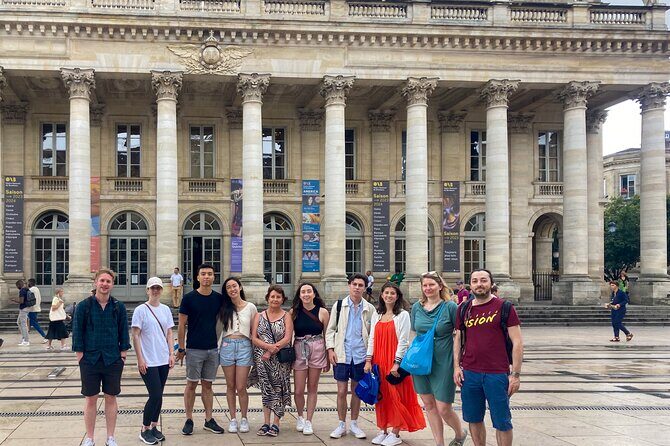
Bordeaux works best when you understand its “why,” not just its “what.” This walking tour is built for that. In about two hours, you get a chronological story arc that runs from early eras to later historical layers you can still see in stone—Roman-era references, the Middle Ages, and the city’s modern status tied to heritage.
I like the format because it respects your time. You don’t waste hours getting to a few distant stops. Instead, you focus on concentrated highlights in the old center and the riverfront zone. The small group size (up to 15) matters here: it’s easier to ask questions without the tour feeling like a conveyor belt.
One more practical win: you’ll get guidance on local food and drink. Bordeaux is famous for wine, but the real test is knowing where to go that matches your mood—quick bites, sit-down meals, or something wine-focused without turning it into a chore.
Other Bordeaux walking tours in Bordeaux

Meeting at Chaban Delmas and Finishing at a Wine Bar
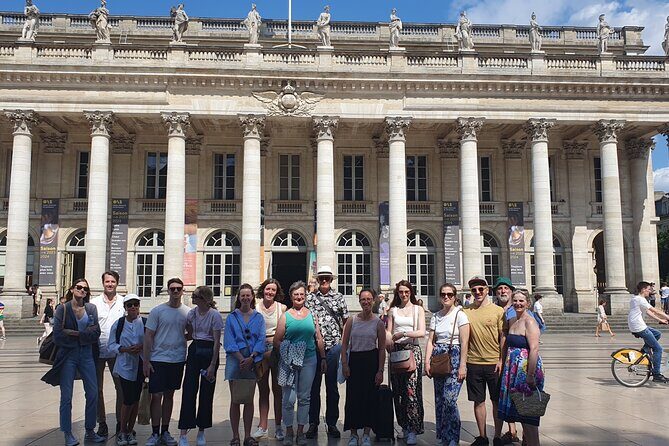
The tour starts at the statue of Jacques Chaban Delmas at Pl. Pey Berland. That’s a good anchor because it puts you right near the Cathedral Saint-Andre area, so you begin with the medieval core rather than starting far away and working your way in.
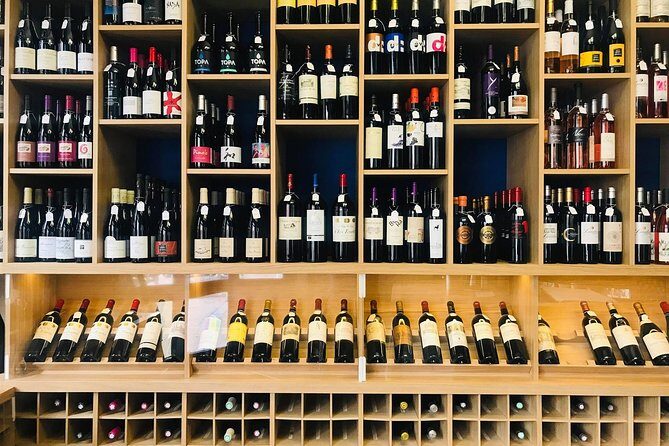
It ends at Le Bar à Vin, at 3 Cr du 30 Juillet. This ending point is smart for two reasons. First, it’s a natural place to ask questions at the end when your brain is full of history. Second, the guide uses the setting to share a list of Bordeaux recommendations—so the tour doesn’t just end in a photo. It turns into “what’s next tonight?”
You also get a mobile ticket, which is convenient if you’re juggling multiple reservations in one day.
Stop-by-Stop: What You’ll See Without Going Inside
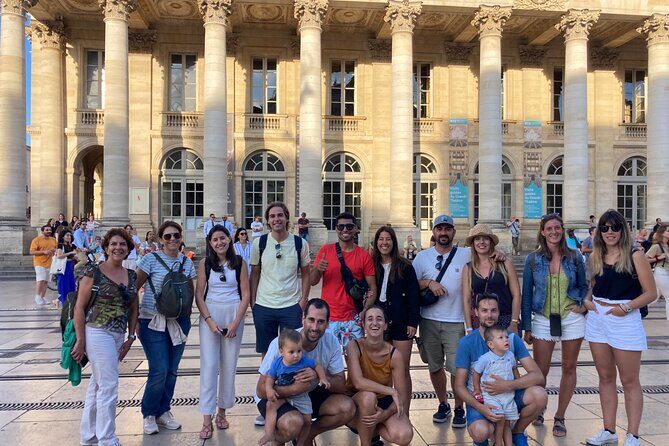
This experience is exterior-only. You won’t enter the monuments, even though the route passes famous churches, squares, and historic structures. That changes the feel of the tour: it becomes a city “reading” exercise—learning from sightlines, façades, and street layouts instead of interior exhibits.
Here’s what you can expect as you walk:
Palais de Rohan and the Hotel de Ville Look (Stop 1)
You begin at Hotel de Ville de Bordeaux and look toward the Palais de Rohan, the former archbishops residence. The big value here is visual: neo-classical architecture in a setting that reminds you Bordeaux has been managing power and prestige for a long time. It’s also a nice warm-up stop, because you can spot the grandeur without needing a ticket.
Cathedrale Saint-Andre and the Louis VII Wedding Story (Stop 2)
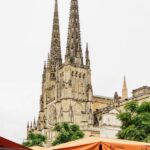
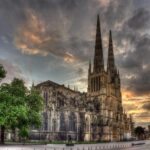
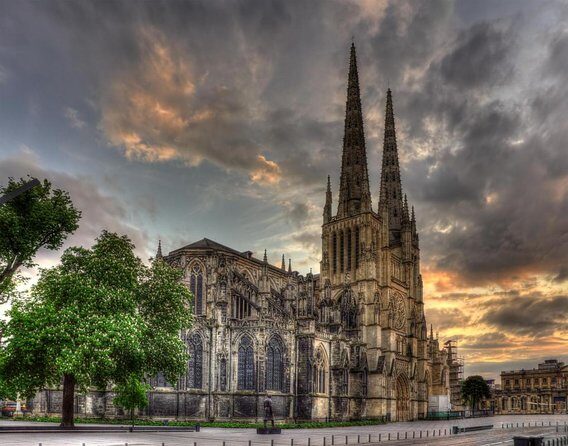
Next is Cathedrale Saint-Andre Bordeaux, with roots going back to the 11th century. The standout detail you’ll hear is the story tied to Louis VII marrying a local girl in 1137. That kind of political romance makes the stones feel less like a landmark and more like a living timeline.
Other free and self-guided tours in Bordeaux
Tour Pey-Berland: Why It’s Separate (Stop 3)
You then look at the Pey-Berland tower, dating to the mid-15th century. The key explanation is why it was built separately from the cathedral. That answer matters because it tells you how medieval builders and planners handled sound, structure, and civic visibility. You’ll likely start seeing these choices everywhere once a guide points them out.
Place Saint-Projet and the Stroll Toward Rue Saint Catherine (Stop 4)
At Place Saint-Projet, you get a quick overview of a central square above Rue Saint Catherine. From there, you walk along the longest pedestrianised street in France. This is one of the tour’s most enjoyable stretches because it blends history with everyday city life: you’ll be moving through the kind of car-free street that makes Bordeaux feel like it’s designed for wandering.
La Toque Cuivrée Pastry Stop: Rum, Vanilla, and Vineyards (Stop 5)
You’ll stop at La Toque Cuivrée, a local pastries spot with origins in the vineyards. The story to listen for: how the recipe came to include rum and vanilla, plus a connection to the city’s slave trade history. That’s heavy material, but it’s exactly the kind of context that turns a food stop into something meaningful.
Even if you don’t buy anything, you’ll get the “why” behind a local specialty. And if you do grab a pastry, this is a great moment to take a short break and reset before the next cluster of landmarks.
Place Camille Jullian and the Bar-and-Café Squares (Stop 6)
Place Camille Jullian is a picturesque square surrounded by local bars and cafés. The tour uses it as a change of pace: you take in the urban vibe and learn how these open spaces functioned and still function as social centers.
Utopia: A 15th-Century Church Turned Movie Theatre (Stop 7)
At Utopia, you’ll look at a 15th-century church converted into a movie theatre. This is a great reminder that preservation doesn’t always mean freezing a building in time. Sometimes heritage survives by adapting to modern use—keeping the structure alive while letting new routines happen inside.
Rue des Bahutiers: Wooden Chest Makers and an Old House (Stop 8)
Rue des Bahutiers is known as the street of wooden chest makers. You’ll view one of the oldest houses in the city from the outside. This stop works well if you like “trade history”—the idea that the city wasn’t only governed and built by elites, but also shaped by skilled workers and the goods they made.
Porte Cailhau: A Gateway Built for a Reason (Stop 9)
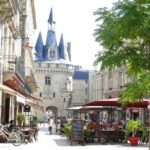
Porte Cailhau is a late-15th-century gateway into Bordeaux. The tour’s key explanation is why it was built. Gateways can feel abstract until someone explains what they guarded and what message they sent. Once you know that, Porte Cailhau stops being just a pretty arch and starts feeling like infrastructure with purpose.
Eglise St Pierre: Old Town Core Church (Stop 10)
In the heart of the old town, you’ll see Eglise St Pierre. This stop is more about atmosphere than drama—how the church anchors the neighborhood and how the street fabric shapes what you experience on foot.
Place de la Bourse: Neo-Classical Elegance (Stop 11)
Place de la Bourse is an 18th-century square in neo-classical style. This is where Bordeaux shows its polished face. It’s also a useful contrast point after medieval façades: you’ll see how tastes and power shifted over time.
The Water Mirror: Riverfront Views That Match the Square (Stop 12)
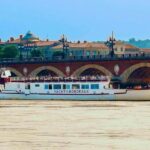
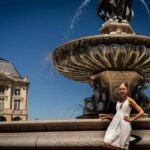
You’ll then view the transformed riverfront, known for the water mirror. This stop is about sightlines: the water feature changes how the scene reflects and frames the surrounding architecture. It’s a good spot to pause for photos and just take in the geometry.
Place de la Comedie: The Golden Triangle Area (Stop 13)
Place de la Comedie is described as the affluent area of the city—the Golden Triangle. The tour explains the history of the quarter, so this isn’t just “pretty buildings.” It’s about how wealth and planning concentrated here.
Grand Theatre: Victor Louis and the Monumental Main Square (Stop 14)
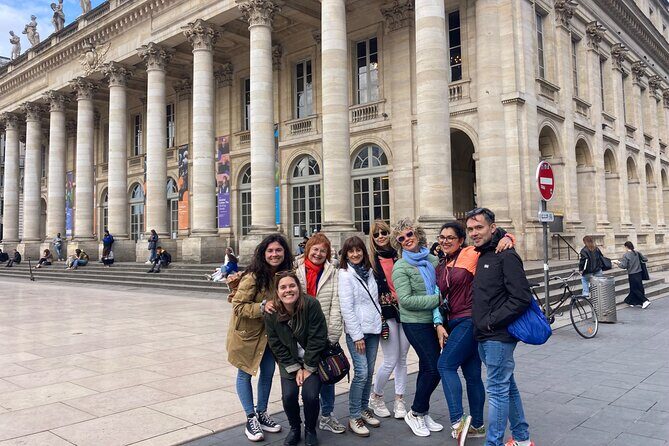
You’ll view the Grand Theatre in Place de la Comedie, designed by Victor Louis. That name matters because Louis is strongly linked with French architectural identity in the era when public buildings were meant to impress. Even from the outside, the theatre gives Bordeaux a civic “grand statement” feeling.
The Girondins Revolutionaries Monument (Final Stop)
The final monument celebrates the famous Girondins revolutionaries. This is the tour’s “modern memory” beat—one more reminder that the city’s identity keeps evolving, not only through buildings but through what people choose to honor.
How the Guide Turns Sights Into a Story
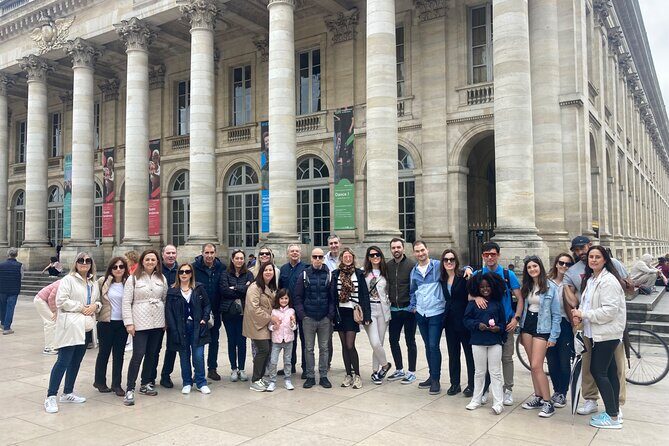
The itinerary alone would be enough for a nice walk. What makes this tour work is how the guide connects details so you understand the pattern.
Across different named guides you may be assigned—like Camilla, Mark, Guadeloupe, Jeanne, and Cassandra—you’ll hear the same kind of strengths praised: lively storytelling, a clear link between landmarks and historical context, and practical answers to questions. One guide style described as especially humorous also helps. When the tone is light, the history lands better.
If you’re someone who likes to ask why a structure is shaped a certain way, this tour gives you that entry point. If you’re more of a “tell me the short version” person, you’ll still come away with a mental map of Bordeaux’s major chapters.
Also, some departures include a short break in the middle so you can grab a snack. That matters on a walking tour that’s around two hours—small pauses keep your energy stable.
Price and Value: What $3.55 Really Means Here
This is labeled as a tips-based free walking tour, but your price listed per person is $3.55. In practice, what you’re paying up front is less important than the format: you’re buying a guide-led walk designed to get you acquainted quickly, then you decide your tip based on how the experience lands.
So where’s the value?
- Time value: 2 hours is ideal if you’re tight on schedule.
- Concentration value: you get multiple major Bordeaux landmarks without transit stress.
- Small group value: max 15 people keeps the tour conversational.
- Quality of guidance: native English speaking guides and a walk that’s focused on what to see and what to do next.
The only thing to watch is the model’s expectation. Since it’s tips-based, you should be ready with some cash or a plan to tip. And because it’s exterior-only, you won’t get paid-time inside churches or theatres. If that’s a dealbreaker for you, consider pairing it with a second activity later in your trip.
Who Should Book This Bordeaux Tour (and Who Should Skip It)
This is a great choice if:
- You’re a first-time visitor and want a tight overview of Bordeaux’s must-sees.
- You like history tied to real street corners, not just museum facts.
- You want local direction for food and drink during the same day.
You might want a different option if:
- You’re hoping for interior monument entry as part of the experience.
- You want a slow, sit-down style tour rather than a guided walking route.
- Your trip schedule is very unforgiving and you dislike any walking on a packed route.
Should You Book This Bordeaux Free Walking Tour?
Yes—if you want a smart start to your Bordeaux days, book it early. The guide’s stops hit the big visual anchors (Saint-Andre, Porte Cailhau, Place de la Bourse, Grand Theatre) and the end at Le Bar à Vin helps you translate history into dinner or a glass of wine.
Just go in with the right expectations: it’s a street-level orientation, not an interior-visit pass. If you’re comfortable walking for about two hours and you like learning from façades, squares, and street names, this tips-based tour is one of the easiest ways to understand why Bordeaux looks the way it does.
FAQ
How long is the Bordeaux Free Walking Tour?
The tour runs for about 2 hours.
Where do I meet the guide, and where does the tour end?
You meet at the statue of Jacques Chaban Delmas at Pl. Pey Berland, Bordeaux, and the tour ends outside Le Bar à Vin at 3 Cr du 30 Juillet.
Is this tour really free?
It’s tips-based. The listed price is $3.55 per person, and the tour is designed around tipping the guide.
Do you enter monuments during the tour?
No. You view monuments and sights from the outside only.
How big is the group?
The tour has a maximum group size of 15 people.
What language is the guide?
The guide is a native English speaking guide.
Do I need an admission ticket for the stops?
The tour does not include entering monuments, so you are viewing from outside. Some stops note admission ticket details, but the tour itself stays exterior-only.
Is it near public transportation?
Yes, it is near public transportation.
Are service animals allowed?
Yes, service animals are allowed.
What is the cancellation policy?
The experience is non-refundable and cannot be changed. If it’s canceled because a minimum number of travelers isn’t met, you’ll be offered a different date or a full refund.