REVIEW · BORDEAUX
Bordeaux:Wine Masterclass & Blending workshop with appetizer
Book on GetYourGuide →Operated by A La Francaise Tourisme - Bordeaux · Bookable on GetYourGuide
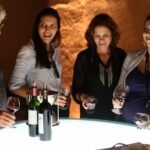
One good Bordeaux bottle can change how you taste everything. This masterclass turns that idea into a guided, hands-on session in central Bordeaux, with 6 wine tastings and a blending workshop you actually participate in. You’ll start with a welcome white and red, learn to taste more like a sommelier, and then put the concepts to work with Merlot and Cabernet Sauvignon basics.
What I like most is the structure: you move from simple tasting skills to direct comparisons, then to making your own blend. I also like the pacing and small-group feel (up to 12 people), which means you can ask questions without feeling lost in the crowd. One drawback to consider: if your group ends up very small, you may feel like the spotlight is on you during tasting prompts, which can be a bit uncomfortable if you dislike being “checked” in front of others.
In This Review
- Key highlights to look for
- A 90-Minute Bordeaux wine masterclass that actually helps your taste buds
- Where you meet at À la Française in Bordeaux (and why it matters)
- The tasting lineup: 6 wines, single grapes, and blended comparisons
- Making your own cuvée: where Bordeaux blending turns from theory to practice
- The apéritif pairing: bread, sausage/charcuterie, cheese, and dark chocolate
- Price and value: how $53 holds up for a hands-on Bordeaux session
- Who should book this Bordeaux masterclass (and who might feel out of place)
- Should you book Bordeaux: Wine masterclass & blending workshop?
- FAQ
- How long is the Bordeaux wine masterclass and blending workshop?
- What time does the class start and where do I meet?
- How many wines will I taste?
- Is the workshop taught in English?
- What does the class include besides wine tasting?
- Can the tour be canceled?
- Is it suitable for everyone, and are pets allowed?
Key highlights to look for
- 6 wine tastings with snack pairings that teach you what to notice (not just what to like)
- Single-varietal vs blended wines, so you can taste the difference on purpose
- Blend your own cuvée, using the same idea Bordeaux producers use
- Blind tasting practice, including guessing where a famous Bordeaux wine comes from
- French apéritif platter pairing, with bread, sausage/charcuterie, cheese, and dark chocolate
A 90-Minute Bordeaux wine masterclass that actually helps your taste buds
This is the kind of wine class that makes restaurant wine lists less intimidating. In a good Bordeaux tasting, you’re not hunting for the one “right” answer. You’re learning how to separate smell, flavor, texture, and structure, then describe what you’re picking up. This workshop is built for that exact goal: it helps you taste with more clarity, not just drink more wine.
The timing is also a big deal. Ninety minutes is long enough to learn and practice, but short enough that you won’t drift. You get a welcome start, a clear tasting flow, and then the blending activity that turns theory into something you can remember.
Other wine tasting classes and masterclasses in Bordeaux
Where you meet at À la Française in Bordeaux (and why it matters)
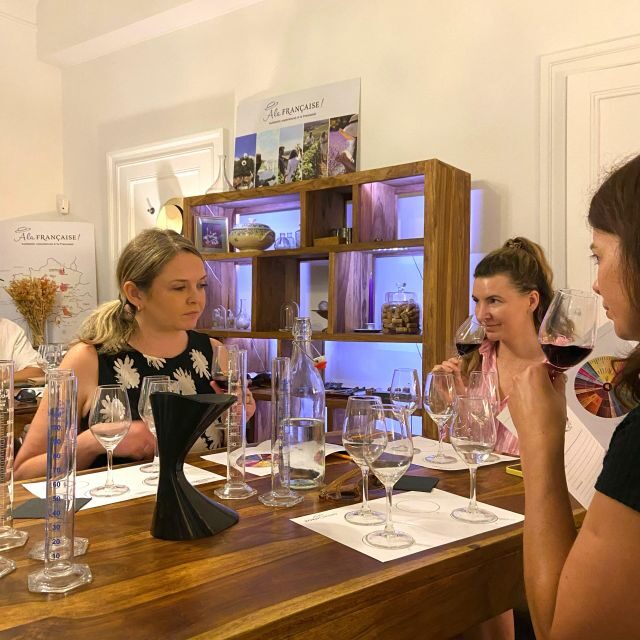
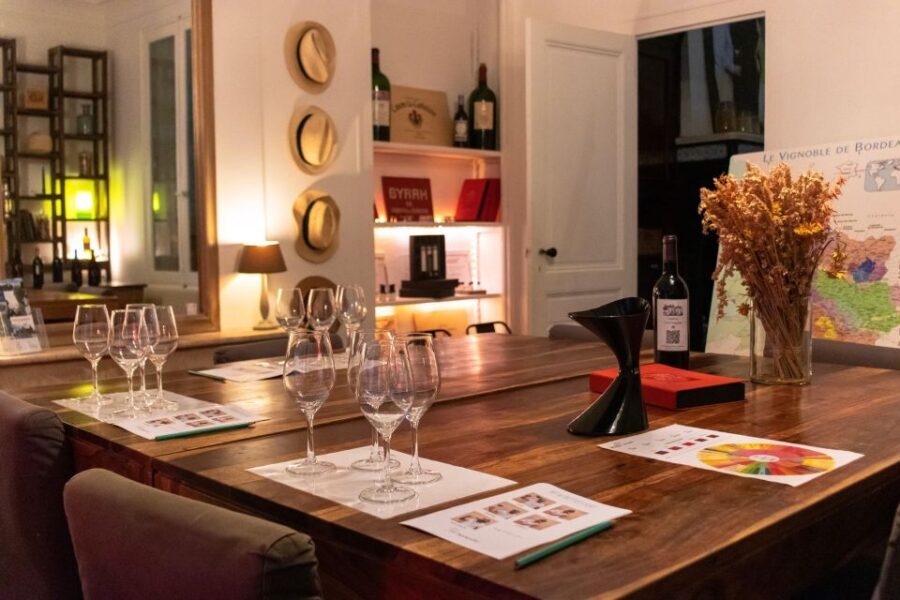
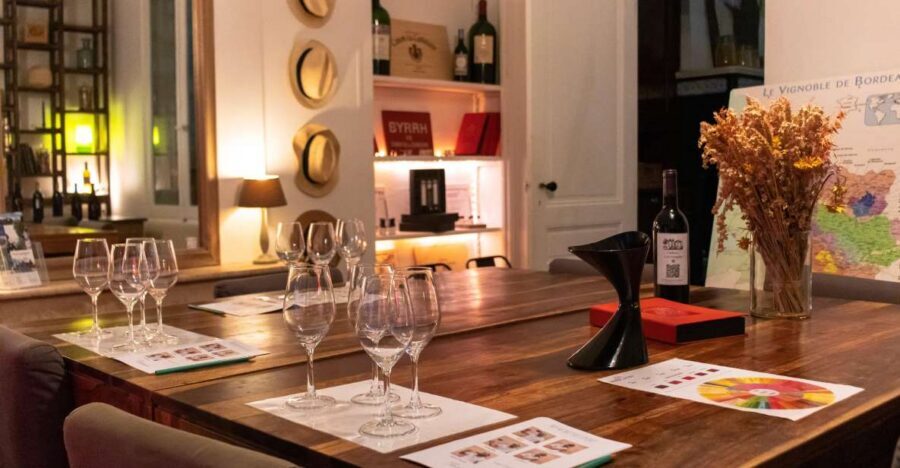
You’ll meet at À la Française apartment at 3 Rue d’Enghien, 33000 Bordeaux, and you should arrive by 10:25 am for a 10:30 am start. This isn’t a big, anonymous venue. The meeting setup is designed for a guided group session with a comfortable classroom vibe.
Why that matters: when you’re learning wine tasting skills, you want space to focus. You also want to be able to move from one wine to the next without juggling coats, bags, and awkward group clustering. A smaller, apartment-based setting tends to keep things calmer and more personal, which fits the teaching style here.
The session runs until about 12:00 pm, so it slots neatly into a day of exploring Bordeaux after the class. If you’re planning a lunch or an afternoon museum stop, this timing works well because you’re not still hunting for your next activity when you’re already tired.
The tasting lineup: 6 wines, single grapes, and blended comparisons
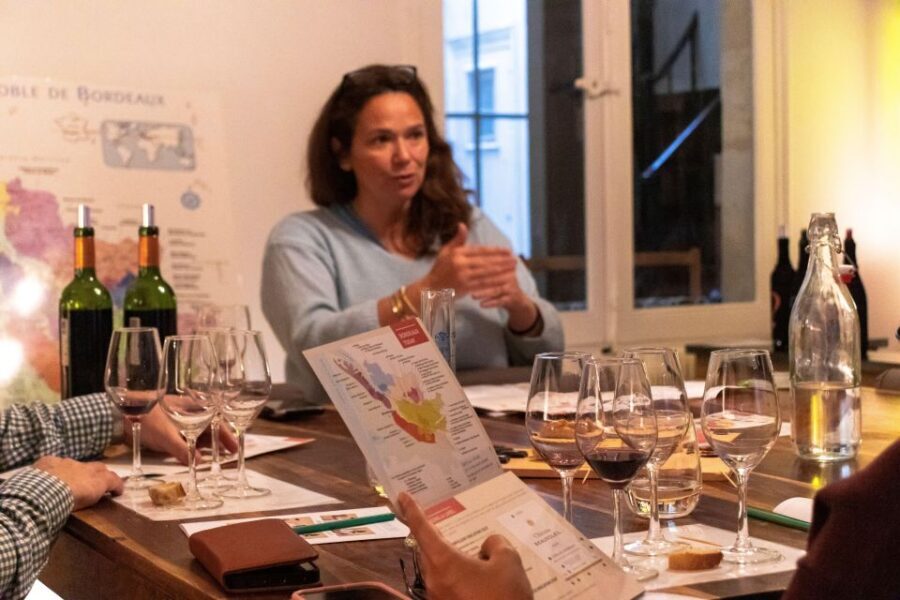
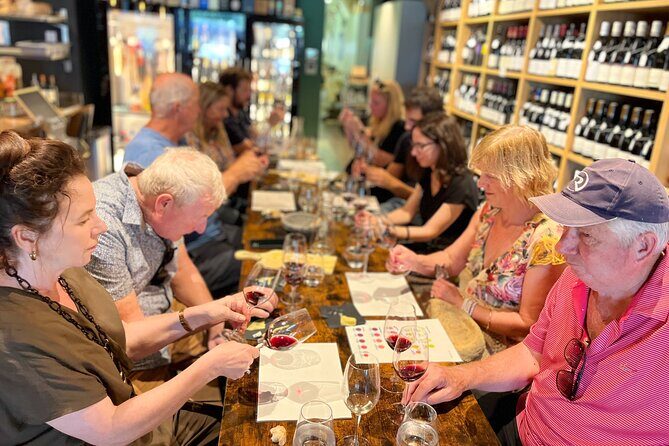
You taste 6 quality French wines total, and the class is careful about teaching you how to compare them. The basic rhythm is: warm-up taste, a focused mini-lesson in tasting technique, then a step-by-step progression.
Here’s the flow you can expect:
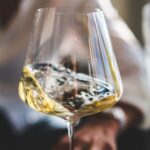
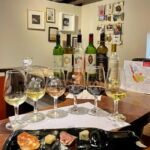
First, you get a welcome glass of white wine and a glass of red wine. That quick start matters because it relaxes you before the teaching begins. Then the educator guides you through a tasting method you can use later in a shop or at a restaurant: how to look, how to smell, and how to taste in a way that makes comparisons easier.
Next, you taste 2 single-varietal wines before you jump into blending. That part is worth paying attention to. When you taste one grape on its own, you can start linking flavors and aromas to grape variety. Bordeaux’s two key names you’ll hear early are Merlot and Cabernet Sauvignon—and these grape basics are a shortcut for understanding why Bordeaux can feel both smooth and structured at the same time.
Then you taste 2 blended wines, and you can see what changes when grapes are combined. This is where a lot of people finally understand blending as more than a label marketing trick. You begin noticing how balance works: fruit impressions, structure, and any hint of complexity that shows up when multiple grapes interact.
Finally, there’s a blind tasting of a famous Bordeaux wine where you guess where it’s from. Even if you don’t get the answer right, the exercise trains your brain to rely on what you detect, not on what you were told.
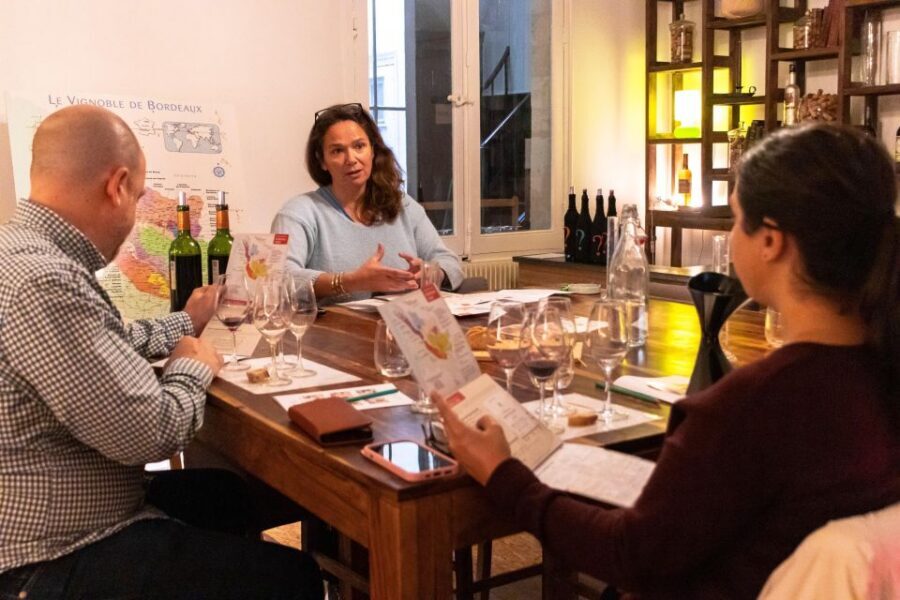
Small group size (maximum 12 people) helps here. If you’re the type who wants to ask one more question about why a smell reads a certain way or how to describe texture, you’re more likely to get time.
Making your own cuvée: where Bordeaux blending turns from theory to practice
The blending session is the heart of this workshop. “Create your own cuvée” sounds simple, but it’s actually a powerful learning step because it forces you to make decisions with taste—not with guesswork.
You’re guided through the idea of how blending works, and you build confidence by doing it yourself after tasting reference wines. Because you already sampled single grapes and prepared blends earlier, you’re not starting from scratch. You’ve already trained your palate to recognize differences, so when it’s time to make a mix, you have something concrete to compare against.
What you’re really learning in the blending portion:
- How the same wine can feel different when you shift proportions
- How balance can mean more than “more fruit” or “more tannin”
- How to describe a blend using tasting language, not random impressions
If you ever bought a Bordeaux bottle and wondered why two labels with the same grape names didn’t taste the same, this workshop is designed to reduce that confusion. The blend game teaches you that Bordeaux style is often about balance and intent.
And yes, it’s fun. But the real value is that it gives you a repeatable framework. After this, you’ll be better at reading a wine label and predicting what to expect when you see Merlot and Cabernet Sauvignon listed.
The apéritif pairing: bread, sausage/charcuterie, cheese, and dark chocolate
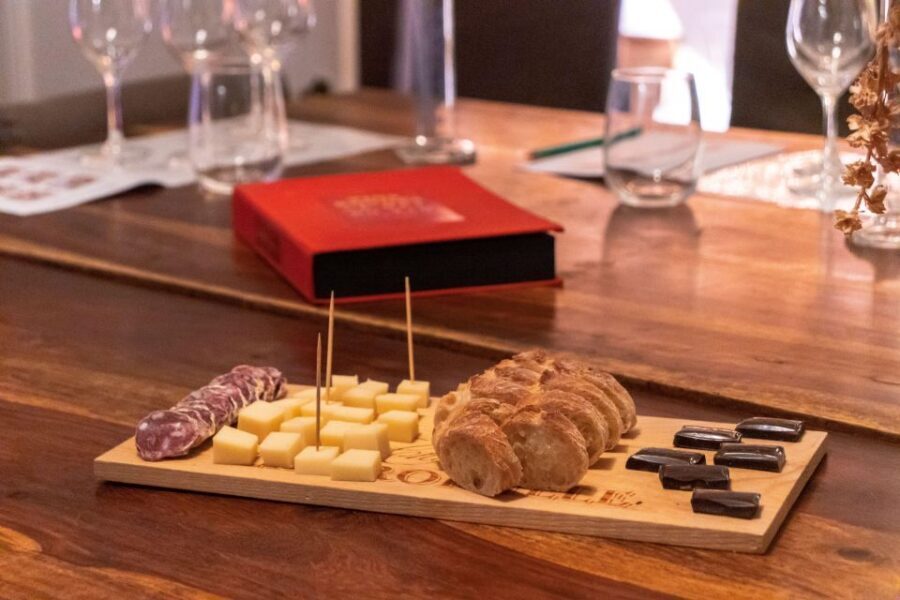
This class doesn’t treat food as an afterthought. You’ll enjoy a typical French apéritif to pair with your wines, including fresh bread, sausage/charcuterie, cheese, and dark chocolate. That set is smart for tasting practice because it covers different flavors and textures that react with wine.
Here’s why this pairing helps you learn:
- Bread and cheese give you a baseline for acidity and creaminess.
- Sausage/charcuterie adds salt and savory depth, which can make wine structure stand out.
- Dark chocolate is a strong aroma-flavor match that lets you compare sweetness and tannin perception in an obvious way.
By pairing the food with each stage of tasting, you start to notice what happens when wine meets real flavors. That’s the stuff you want to know before your next dinner—because wine at a table is rarely wine in a vacuum.
Other wine tours in Bordeaux
Price and value: how $53 holds up for a hands-on Bordeaux session
At $53 per person for a 90-minute workshop, you’re paying for more than “some wine tasting.” You’re getting:
- A professional wine educator
- 6 wine tastings
- A blending session (the part most wine tastings don’t include)
- A tasting skill lesson you can use again and again
- Food pairing with classic French apéritif items
Value depends on what you want out of your trip. If you want a quick drink-and-walk experience, this might feel like too much structure. But if you want to leave with a real framework for tasting and ordering wine confidently, the math gets better fast—especially because you’re actively comparing wines and making your own blend.
Also, the small-group cap (12 people max) is part of the value. Better attention means faster learning and fewer awkward moments where you stare at a glass wondering what you’re supposed to do with it.
One practical consideration: the tour can be canceled if there is only 1 participant because there’s a legally required minimum of two. If you’re booking solo, it’s worth checking timing so you’re not surprised by a last-minute shuffle.
Who should book this Bordeaux masterclass (and who might feel out of place)
This workshop fits best if you fall into one of these groups:
- You want to learn how to taste wine more confidently, not just drink it.
- You’re interested in Bordeaux basics—especially how Merlot and Cabernet Sauvignon shape style.
- You like hands-on activities, so you’ll enjoy building your own cuvée.
- You want a small-group setting where questions are part of the experience.
It might feel less ideal if:
- You strongly dislike being put on the spot during tasting prompts (very small groups can increase that feeling).
- You’re hoping for a long, sightseeing-focused day rather than a concentrated wine skill lesson.
- You need mobility-friendly access, because the experience is listed as not suitable for people with mobility impairments.
The overall vibe is friendly and guided. You’ll be learning at a pace that tries to keep you comfortable, with an emphasis on tasting technique and comparisons. You don’t need to be a wine expert—this is built for people who want to improve quickly.
Should you book Bordeaux: Wine masterclass & blending workshop?
I’d book it if your goal is simple: get better at wine in a way that carries over to restaurants, wine shops, and future Bordeaux bottles. The blend workshop plus the single-varietal and blended tastings are the strongest reasons to choose this over a more general tasting.
Also, the structure makes it low-stress. You start with a welcome glass, you practice tasting skills in order, and you end with a blind tasting exercise that tests what you learned. Pair that with the classic French apéritif food, and you get an experience that feels like more than a ticketed pour.
If you’re traveling solo, check your group-size situation early. And if you’re sensitive to correction or comparison during prompts, go in with the mindset that this is practice. Wine tasting is personal, but the skills here are taught to help you notice patterns—not to judge you.
FAQ
How long is the Bordeaux wine masterclass and blending workshop?
The experience lasts about 90 minutes.
What time does the class start and where do I meet?
You meet at 3 Rue d’Enghien, 33000 Bordeaux at À la Française apartment. Please arrive by 10:25 am for a 10:30 am start.
How many wines will I taste?
You’ll taste 6 wines during the session.
Is the workshop taught in English?
Yes, the tour guide leads the experience in English.
What does the class include besides wine tasting?
It includes a blending session where you create your own cuvée, plus a tour/lesson focused on Bordeaux wine themes, and a French apéritif platter with food to pair.
Can the tour be canceled?
Yes. It may be canceled if there is only 1 participant, and you would receive a full refund in that case.
Is it suitable for everyone, and are pets allowed?
Pets are not allowed. The experience is listed as not suitable for people with mobility impairments.