REVIEW · BORDEAUX
Bordeaux Wines Masterclass paired with cheeses & charcuterie
Book on Viator →Operated by Olala Bordeaux · Bookable on Viator
Six wines can change your Bordeaux choices.
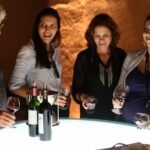
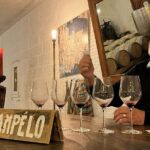
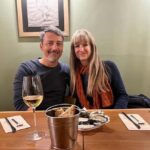
This Bordeaux Wines Masterclass with cheeses and charcuterie is the rare tasting that feels both like a wine bar hangout and a proper mini class. You’ll work through a clear tasting method, then taste regional white and red wines paired with local bites right in the city center, near the Grand Théâtre.
I love that the workshop is structured instead of chaotic: you start with one simple approach to tasting, then build your way toward understanding the two Bordeaux “banks.” I also like how the guide story-teaches real wine skills, from learning to spot grape differences to practicing smell and describing what you taste with confidence. One thing to consider: the experience runs about 1 hour 30 minutes, but it can stretch longer depending on the group’s questions and pace.
In This Review
- Key Points Worth Noting
- Bordeaux in 90 Minutes: What This Masterclass Really Teaches
- The Location Near the Grand Théâtre and the Small-Group Feel
- White Wine Starter: The Universal Tasting Method (and Why It Works)
- Three Single-Grape Red Tastings: How to Spot the Differences
- Left Bank vs Right Bank Finale, Including a Bordeaux Grand Cru
- Cheese and Charcuterie Pairing That Teaches Food-Wine
- Price and Logistics: Is $54.42 a Good Deal?
- Who Should Book This Masterclass (and Who Might Skip It)
- Should You Book This Bordeaux Wines Workshop or Skip It?
- FAQ
- How long is the Bordeaux Wines Masterclass?
- What is the price per person?
- What languages are offered?
- How many wines do you taste, and what types?
- What food is included with the wine?
- Where does the tour start?
- Is alcohol included?
- Is there a limit on group size?
- Are children or pets allowed?
- What is the cancellation window?
Key Points Worth Noting
- A guided tasting method you can reuse the next time you order wine in Bordeaux
- 6 wines in a logical order: white starter, single-grape reds, then Left Bank vs Right Bank (plus a grand cru)
- Cheese and charcuterie pairing that helps you taste with food, not just wine
- Small group size (max 10) for real back-and-forth with the wine expert
- Hosts like Antoine, Hugo, Noe, Vincent, and Matilde have a knack for making complex ideas plain
- You practice what to pay attention to, especially aroma, terroir, appellation, and service
Bordeaux in 90 Minutes: What This Masterclass Really Teaches
If you’re visiting Bordeaux and you want more than a few polite sips, this masterclass is built for that. The point is not just to taste wine. It’s to learn how Bordeaux wines work—why they taste the way they do—so you can shop, order, and compare with less guesswork.
You’ll cover core topics like terroir, grape varieties, appellation, classification, and the basics of vinification and aging. You also learn the practical side: how wine service works and what to do with your senses during a tasting. It’s a smart format for travelers who want structure without feeling like they need a textbook.
The value is that everything feeds into the glass you’re tasting. When you learn what appellation means, then later you smell and taste a wine from a specific side of Bordeaux, the concept stops being trivia and becomes a tool.
Other wine and cheese pairing experiences in Bordeaux
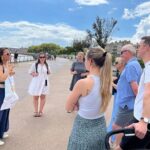
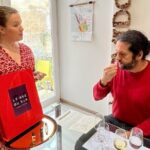
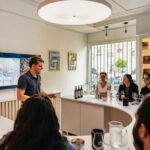
The Location Near the Grand Théâtre and the Small-Group Feel
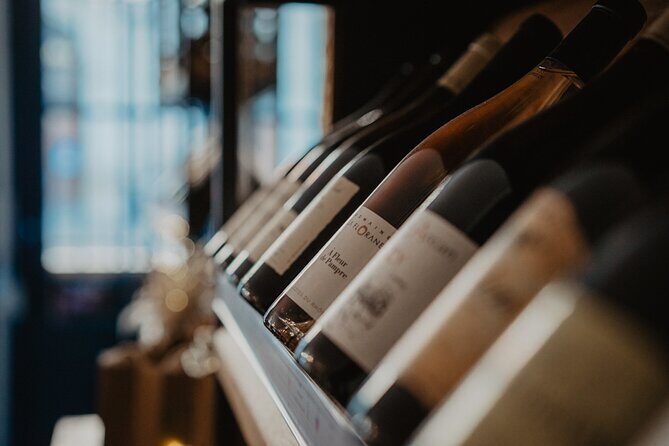
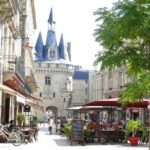
The meeting point is 2ter Rue Mably, and the workshop happens in Bordeaux city center, just steps from the Grand Théâtre. That matters because it keeps the experience from feeling like a long day trip. You can do it early, get your “Bordeaux bearings” fast, and still have energy left for the rest of your afternoon.
This is also a small-group experience, capped at 10 travelers. The payoff is that you’re not shouting over a crowd. You get time to ask questions, and the guide can adjust the pace based on whether you’re starting from zero or you already know your way around a wine list.
One practical caution: some rooms can run warm, especially on hot summer days. If you’re sensitive to heat, plan for a bit of comfort strategy (light layers, water nearby), and give yourself some buffer if the session runs long.
White Wine Starter: The Universal Tasting Method (and Why It Works)
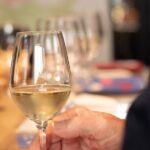
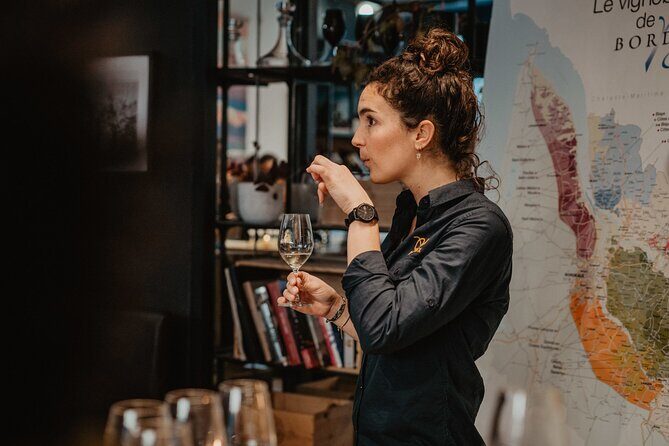
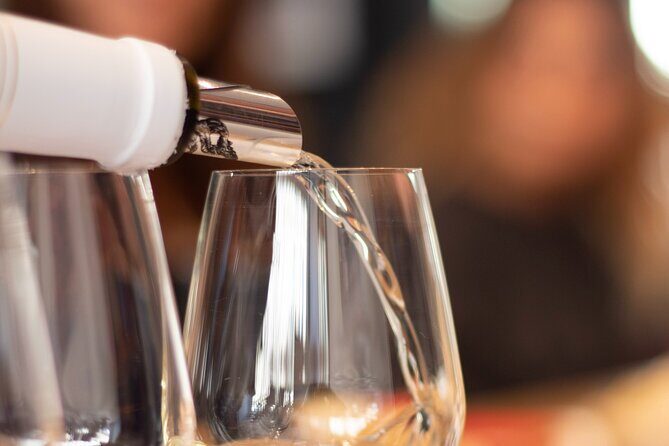
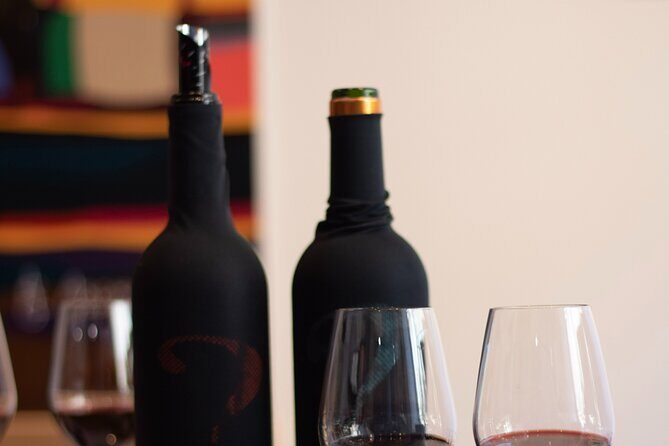
The tasting begins with a first glass of white wine. That’s not random. Starting with white helps you get your senses calibrated before the reds arrive, and it gives the guide a chance to teach the tasting method step by step.
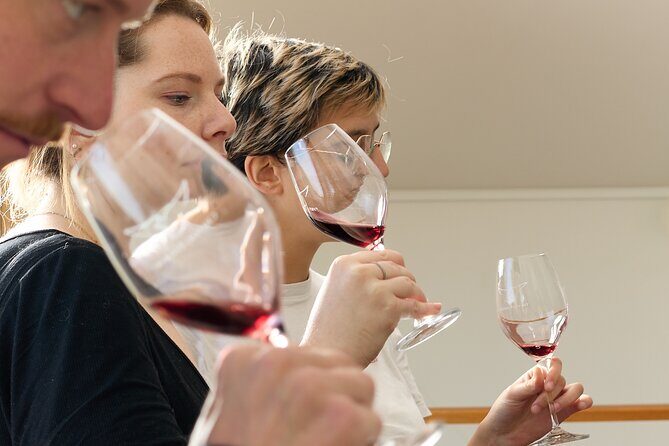
You’re guided through how to look at the wine, smell it, and then taste it using a consistent approach. Several guides featured with this experience (people like Antoine, Vincent, and Noe) are known for making sensory training feel doable. The goal is not to sound fancy. The goal is to learn what to pay attention to so you don’t lose the wine in the background noise.
A big bonus is that you learn why smell matters. More than once, this kind of class highlights aroma recognition as the real secret weapon—so you can describe what’s happening in the glass and understand what you’re tasting, not just whether you like it.
Also, the experience includes water available and you’re not stuck with just wine. That helps you stay clearheaded for the rest of the flight.
Three Single-Grape Red Tastings: How to Spot the Differences
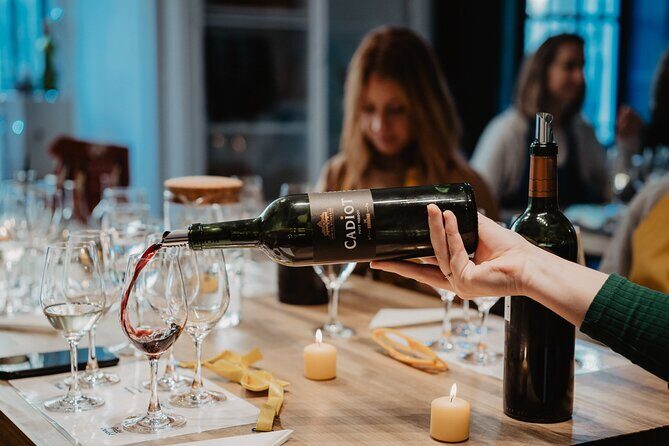
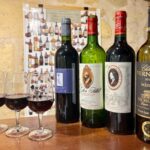
After the white starter, you move into the heart of the lesson: three glasses of regional red wines made from a single grape variety. This is where a lot of Bordeaux learners finally get unstuck, because blends can feel like a mystery at first.
Tasting single-grape reds means you can practice identifying characteristics tied to grape identity. Later, when you taste wines that might involve blending practices, you’ll recognize the building blocks instead of tasting a vague “red.”
This is also where the class connects to Bordeaux’s reputation for blending. You learn why blending is common in the region and what interest it creates. Even if you can’t name every flavor in a blind tasting yet, you’ll start noticing structure and style differences: fruit, balance, and how the wine holds up when food shows up.
If you like hands-on learning, you may also encounter sensory games or mini tasting checks. Some sessions include a tasting test or exercises that push you to guess aromas like a sommelier. That kind of practice turns the class from information-only into skill-building.
Left Bank vs Right Bank Finale, Including a Bordeaux Grand Cru
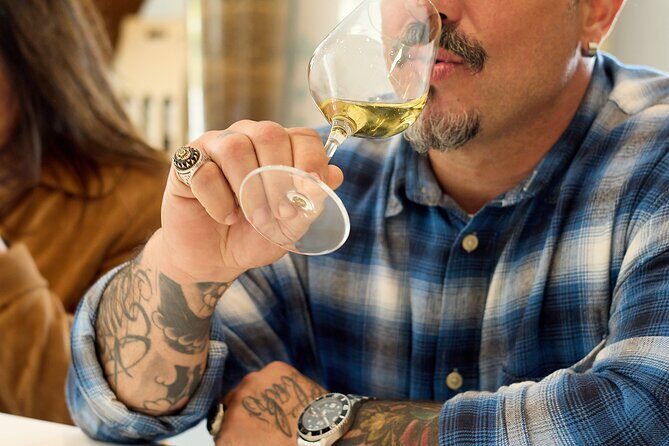
The last part of the flight is where Bordeaux really clicks for a lot of people. You taste two fine wines: one from the Left Bank and one from the Right Bank. One of these is a Bordeaux grand cru.
Even without memorizing every classification, this part teaches you to compare. You’re not just tasting two random bottles. You’re tasting wines meant to represent different regional influences, so you can hear the difference in your own head and in your own palate.
This is also a confidence builder. By the time you reach the Left/Right comparison, you’ve already practiced smell and tasting structure earlier in the workshop. So you can focus on “What changed, and why?” instead of starting over from scratch.
One practical note: exact wine labels and timing may vary. The experience is designed to keep the quality consistent, but don’t expect the same exact bottles every day. If you’re planning to visit wine shops right after your session, the skills you learn matter more than the brand names you remember.
Other wine tasting classes and masterclasses in Bordeaux
Cheese and Charcuterie Pairing That Teaches Food-Wine
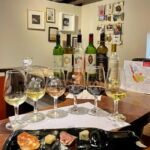
Wine lessons stick better when you taste with food. Here, the tasting includes local charcuterie and cheeses paired alongside the flight. You’ll get a snack board of cheeses and cold cuts, plus fresh baguette bread.
This pairing is more than a nice perk. It teaches you how wine changes with different flavors and textures. Fatty cheeses can soften harsh edges. Salt and spice from charcuterie can sharpen your perception of fruit and acidity. Bread gives you a neutral baseline so you can reset between bites.
And it’s local, which keeps things grounded. One thing I like about pairings in Bordeaux is that they fit the everyday reality of the region—this isn’t fantasy food. It’s the kind of comfort pairing you’d actually see in a wine bar while you talk about what you’re learning.
If you come in thinking you’re only here for the wine, you’ll probably leave appreciating the food side too. The simple win is that you’ll learn what kinds of tastes work together, so ordering becomes easier later.
Price and Logistics: Is $54.42 a Good Deal?
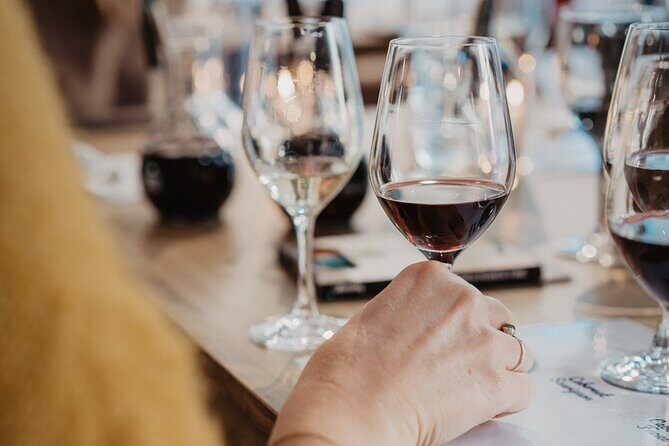
At $54.42 per person for about 1 hour 30 minutes, the real question is whether you’re paying for bottles or paying for learning. In this case, you’re getting both: six wine tastings (1 white and 5 reds) plus cheese and charcuterie, bread, and water.
You’re also getting animation by a wine expert and informative leaflets. That matters because you’re not just tasting; you’re building a mental map of Bordeaux: terroir, grape variety, appellation, and basic service. If you plan to tour vineyards or shop for wine after your trip, this sort of foundation often pays off fast.
The group size cap at 10 travelers is part of the value. A class like this feels much more worth it when you can ask questions and actually get answers, instead of sitting quietly while others dominate the conversation.
If you dislike structured tastings or you want a long, meandering wine stroll with no “class” vibe, this may feel too organized. But if you want a strong start—especially on day one—this is good value.
Who Should Book This Masterclass (and Who Might Skip It)
I’d book this if you’re:
- New to French wine and want a clear way to taste
- Returning to Bordeaux and need help choosing between Left Bank and Right Bank styles
- Someone who likes learning practical skills (especially aroma and tasting structure)
- Doing Bordeaux in a tight schedule and want concentrated instruction near the Grand Théâtre
I might skip it if you:
- Want only a casual sampling with zero teaching
- Are extremely sensitive to warm indoor rooms
- Prefer vineyard visits or long winery tours rather than a city-center workshop
Also note: children under 16 and pets are not allowed for comfort of the group. If that affects you, look for a private option or a different format that better fits your situation.
Should You Book This Bordeaux Wines Workshop or Skip It?
My take: book it if you want your Bordeaux trip to start with clarity. This masterclass gives you a real tasting framework, then supports it with a Left Bank vs Right Bank comparison, plus food pairing that teaches you how to taste in context.
If you’re the kind of traveler who plans to order wine in restaurants afterward, this is one of the easiest ways to get better quickly without guessing. And if you want a small-group experience with expert explanations like Antoine’s clear teaching style or Hugo’s history-plus-tasting approach, you’ll likely enjoy the format.
If your schedule is tight, aim for an earlier time slot so the lessons can guide the rest of your day.
FAQ
How long is the Bordeaux Wines Masterclass?
It lasts about 1 hour 30 minutes.
What is the price per person?
The price is $54.42 per person.
What languages are offered?
The experience is offered in English.
How many wines do you taste, and what types?
You’ll taste 1 white wine and 5 red wines, including single-grape regional reds and a Left Bank and Right Bank comparison (with one Bordeaux grand cru). The exact wines and schedule may vary.
What food is included with the wine?
You’ll get a board of cheeses and cold cuts, fresh baguette bread, and water is available.
Where does the tour start?
The meeting point is 2ter Rue Mably, 33000 Bordeaux, France. The activity ends back at the meeting point.
Is alcohol included?
Yes. Alcoholic beverages are included (the tastings listed in the experience details).
Is there a limit on group size?
Yes. There’s a maximum of 10 travelers.
Are children or pets allowed?
Children under 16 and pets are not allowed for the comfort of the group.
What is the cancellation window?
You can cancel for a full refund up to 24 hours before the experience’s start time. After that, the amount paid is not refunded.