REVIEW · BORDEAUX
Bordeaux Wine Masterclass: Blending workshop with appetizer
Book on Viator →Operated by à la française · Bookable on Viator
Bordeaux teaches wine fast—without the stuffiness, and this class mixes regional tastings with a hands-on blending exercise. I love the small-group format (max 12) and how the sommelier turns terms like terroir and appellation into flavors you can actually pick out.
One possible drawback: the food is good and supporting, but it’s not a full meal. You’ll get a platter (cheese, cured meats, bread, and chocolate), so plan to eat something solid before or after if you’re traveling hungry.
Key takeaways at a glance
- Max 12 people means more questions and more tasting time
- English-led workshop with a pro sommelier guide
- At least 7 wines from France’s key regions, then a Merlot/Cab blend
- Tasting skills you can reuse: aromas, flavors, and wine color interpretation
- Cheese, charcuterie, and chocolate pairings that actually help you taste
- A diploma at the end to make the learning feel official
In This Review
- Entering the Blending Workshop in Bordeaux (3 Rue d’Enghien, 10:30 am)
- What You’ll Learn First: French Wine Regions and the Label Cheat Sheet
- How the Tasting Works: Smell, Color, and Flavor in Real Time
- The Star Moment: Blending Your Own Bordeaux Blend (Merlot + Cabernet Sauvignon)
- The Pairing That Actually Helps: Cheese, Charcuterie, Fresh Bread, and Chocolate
- How Many Wines, and Why That Mix Matters
- Value Check: What $54.42 Buys You in Bordeaux
- Who Should Book This Bordeaux Wine Masterclass?
- Should You Book It? My Straight Advice
- FAQ
- What’s the duration of the Bordeaux Wine Masterclass?
- Where does the masterclass meet?
- What time does the tour start?
- How much does it cost per person?
- Is the masterclass offered in English?
- How many wines will I taste?
- What food is included with the wine tasting?
- Is hotel pickup included?
- Is there a minimum drinking age?
- Can I cancel and get a refund?
- Is the group size limited?
Entering the Blending Workshop in Bordeaux (3 Rue d’Enghien, 10:30 am)
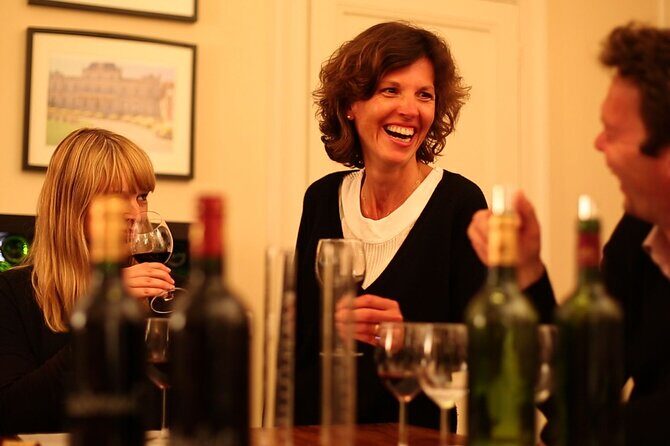
This is the kind of Bordeaux experience that feels like learning with friends—only the friend is a trained sommelier. The session runs about 1 hour 30 minutes (some versions of the workshop are described as closer to 2 hours), starting at 10:30 am, with the meeting point at 3 Rue d’Enghien, 33000 Bordeaux. It ends back at the meeting spot, so you’re not stuck with a long shuffle through town.
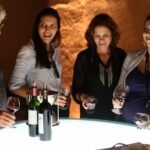
The group size is capped at 12 travelers, which matters more than it sounds. You’ll get chances to taste, smell, and ask questions instead of playing “wait your turn” with a big crowd.
The other practical upside: you don’t need advanced wine knowledge. Most people can participate, and the instruction is in English, so you can focus on learning the logic of wine rather than decoding a foreign label.
What You’ll Learn First: French Wine Regions and the Label Cheat Sheet
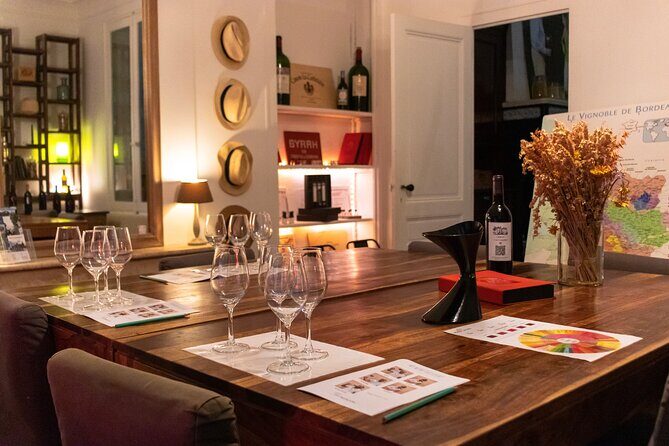
The workshop starts by building a mental map of French wine. You’ll go region by region—Burgundy, Côtes du Rhône, Bordeaux, and the Loire Valley—so when you see a bottle later, you’re not starting from zero.
You also get hands-on vocabulary. Terms like terroir and appellation sound academic until you connect them to what’s in the glass. You’ll learn what to look for on a French wine label, including how the information on the bottle helps explain the wine’s origin and style.
This part is useful because French wine can look intimidating fast. A label can feel like a code. Here, you’re taught how to translate that code into expectations you can test with your own senses—smell, taste, and yes, even color.
Other wine tasting classes and masterclasses in Bordeaux
How the Tasting Works: Smell, Color, and Flavor in Real Time
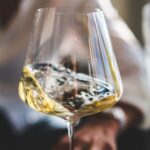
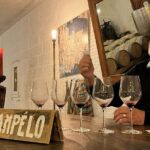
The heart of the class is structured tasting. You’ll practice techniques for identifying aromas and flavors, and you’ll even learn how to interpret the color of a wine—small details that help you understand what you’re tasting.
What I like about this approach is that it’s not just “try this, it’s tasty.” It’s skill-building. The sommelier guides you through how to describe what you notice, so you can explain your preferences without sounding like you’re guessing.
Some sessions include interactive tasting-style exercises like comparing wines side-by-side (think blind-style comparisons and aroma tests). Even if your specific session varies slightly, the method stays the same: you’ll be actively involved, not just watching someone swirl wine.
The Star Moment: Blending Your Own Bordeaux Blend (Merlot + Cabernet Sauvignon)
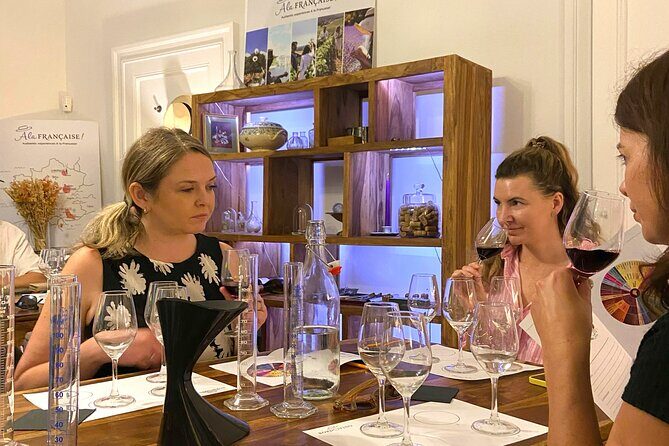
Here’s where the masterclass turns from listening into doing. At the end, you create your own wine blend using two Bordeaux varietals: Merlot and Cabernet Sauvignon. This is the payoff that makes a tasting class feel like real education.
Blending teaches you how structure works in wine. You start to see why different grapes can change a wine’s feel—body, fruit character, acidity, and overall balance. And since you’ll taste multiple wines during the workshop, you’re not blending from memory—you’re blending from experience.
It also helps you understand why people argue about wine. Two bottles can taste similar at first, then diverge once you pay attention to the “why.” When you blend, you learn how the components shift the final result, even if you don’t call it by technical names.
The Pairing That Actually Helps: Cheese, Charcuterie, Fresh Bread, and Chocolate
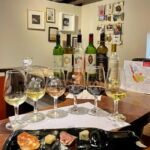
Wine classes can fail at food. Too much bread kills the tasting, or the snacks are random and you don’t learn anything. This one avoids that problem with a supportive pairing setup: a French appetizer platter with cheese, meat/charcuterie, fresh bread, and chocolate.
In practice, this means you’ll have something to chew and taste against—salty and fatty flavors that help you notice acidity, tannins, and fruit. Cheese and cured meats are classic pairing foils: they make you pay attention to texture and finish, not just sweetness or aroma.
Also, the chocolate is a smart touch. It’s not just dessert; it gives your palate a different sensory signal, which helps you keep comparing instead of tasting on autopilot.
How Many Wines, and Why That Mix Matters
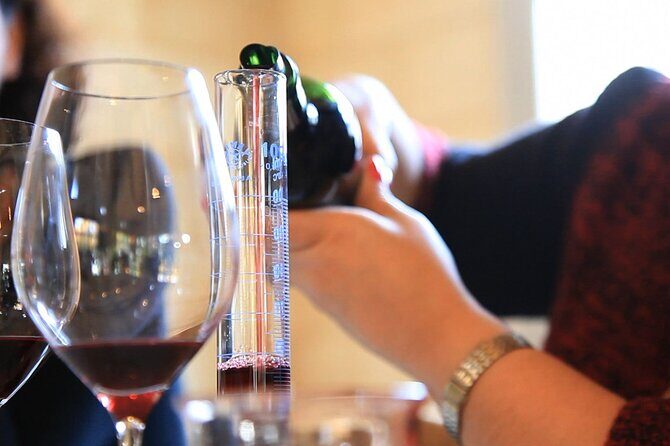
You’ll sample at least seven French wines, and the experience is designed to show how France’s diversity can still share a common logic. In other words, it’s not random pouring. The wines are tied to the regions you’re learning about, so each glass reinforces a concept.
This is part of the value. You’re not just drinking. You’re building a set of “fingerprints” you can recognize later—what Burgundy tends to show compared with Rhône style, how Loire Valley wines can differ, and how Bordeaux fits into the bigger map.
And because it’s a small-group class, the guide can adjust pacing. If your group is curious about labels, you’ll get more explanation. If you want to focus on tasting technique, you’ll get it.
Other wine tours in Bordeaux
Value Check: What $54.42 Buys You in Bordeaux
At $54.42 per person, this isn’t a cheap “glass and giggle” tasting. But it also doesn’t try to be an expensive private lesson. For the price, you’re getting three things that usually cost more separately: a guided tasting, a structured learning framework, and a hands-on blending moment.
You’ll also get a few thoughtful extras that raise the value: the pairing platter, instruction in English, a pro sommelier guide, and a diploma at the end. Those last two may sound small, but they change the vibe. The class feels like a real workshop, not just a stop on a food crawl.
Who is this best for? If you like Bordeaux but want to understand how it compares to other French regions, you’ll get a lot out of the mix. If you already know some wine basics, you’ll still benefit from the tasting technique and the blending exercise that turns theory into taste.
Who Should Book This Bordeaux Wine Masterclass?
Book this if you want:
- Hands-on blending instead of only tasting
- A structured way to learn terms like terroir and appellation
- A class that fits both newcomers and intermediate wine lovers
- More than just Bordeaux—regional context across France
This also fits well as a morning activity. Starting at 10:30 am, you’ll learn a lot early, then still have the rest of your day free.
If you’re expecting a winery tour with lots of walking outdoors, this isn’t that. It’s a focused indoor-style masterclass with a tasting and pairing framework.
Should You Book It? My Straight Advice
Yes—if you want to come away with skills, not just memories. The blending workshop is the standout piece, because it forces you to pay attention and make choices. Pair that with the small group size and English-led guidance, and you get a very efficient way to understand French wine.
If you’re the type who wants a serious meal or you’re short on time to add food before/after, consider eating first. Otherwise, this is one of the better ways to get your Bordeaux bearings fast—without getting lost in wine jargon.
FAQ
What’s the duration of the Bordeaux Wine Masterclass?
It runs about 1 hour 30 minutes (approximately).
Where does the masterclass meet?
The start location is 3 Rue d’Enghien, 33000 Bordeaux, France, and the experience ends back at the same meeting point.
What time does the tour start?
The start time is 10:30 am.
How much does it cost per person?
The price is $54.42 per person.
Is the masterclass offered in English?
Yes, it’s offered in English.
How many wines will I taste?
You’ll taste at least seven different wines.
What food is included with the wine tasting?
You’ll get an appetizer platter that includes cheese and meat/charcuterie, plus fresh bread and chocolate, along with the tasting.
Is hotel pickup included?
No, hotel pickup and drop-off are not included.
Is there a minimum drinking age?
Yes, the minimum drinking age is 18 years.
Can I cancel and get a refund?
You can cancel for a full refund up to 24 hours before the experience starts.
Is the group size limited?
Yes, there’s a maximum of 12 travelers.
If you tell me your travel dates (and whether you’re more “new to wine” or “already serious”), I can also suggest what to do next in Bordeaux after the blending workshop.