REVIEW · BORDEAUX
Bordeaux: Introduction to Bordeaux Wines Tasting Workshop
Book on GetYourGuide →Operated by Olala Bordeaux · Bookable on GetYourGuide
Three sips and you start thinking like a critic. This one-hour workshop in central Bordeaux pairs a friendly wine expert with terroir basics and a guided tasting that goes beyond just drinking. You’ll taste Grand Cru-level Bordeaux style while learning how soil, climate, grape variety, and blending change what’s in your glass.
Two things I especially like: you’re not left guessing, because the guide teaches clear tasting steps you can reuse later, and you get a real food pairing with local cheeses and cold cuts (not sad crackers). The main trade-off is time: at just 1 hour, it’s a great start, but it won’t replace a full vineyard visit or a longer tasting where you can go back for second pours.
In This Review
- Key things that make this workshop worth your hour
- How a 1-hour Bordeaux tasting fits real travel days
- What you actually taste: 1 white, 2 reds, plus a Grand Cru
- The lesson behind the pours: terroir, appellation, and blending
- Tasting techniques that help you smell what you’re smelling
- Cheese and charcuterie pairing: the shortcut to better tasting
- The pacing: what fits in your hour and what doesn’t
- Who should book this Bordeaux workshop (and who might skip it)
- Price and value: what $34 buys in Bordeaux
- Should you book Olala Bordeaux’s Introduction to Bordeaux Wines?
- FAQ
- How long is the Bordeaux wines tasting workshop?
- What wines are included in the tasting?
- What food comes with the wine tasting?
- Where is the meeting point?
- Is this a small group experience?
- What languages are the instructors available in?
- Is it suitable for children or pets?
- How much does it cost per person?
Key things that make this workshop worth your hour
- A smart central location near the Grand Théâtre, so it fits easily between sightseeing plans
- 3 Bordeaux wines included (1 white and 2 reds), so you get variety fast
- Terroir + blending explained in plain language, not textbook jargon
- Cheese and charcuterie pairing that helps you taste what food does to wine
- Small group energy, with plenty of chances to ask questions
- Tasting techniques and aroma ID practice, so you can talk about wine with confidence
How a 1-hour Bordeaux tasting fits real travel days
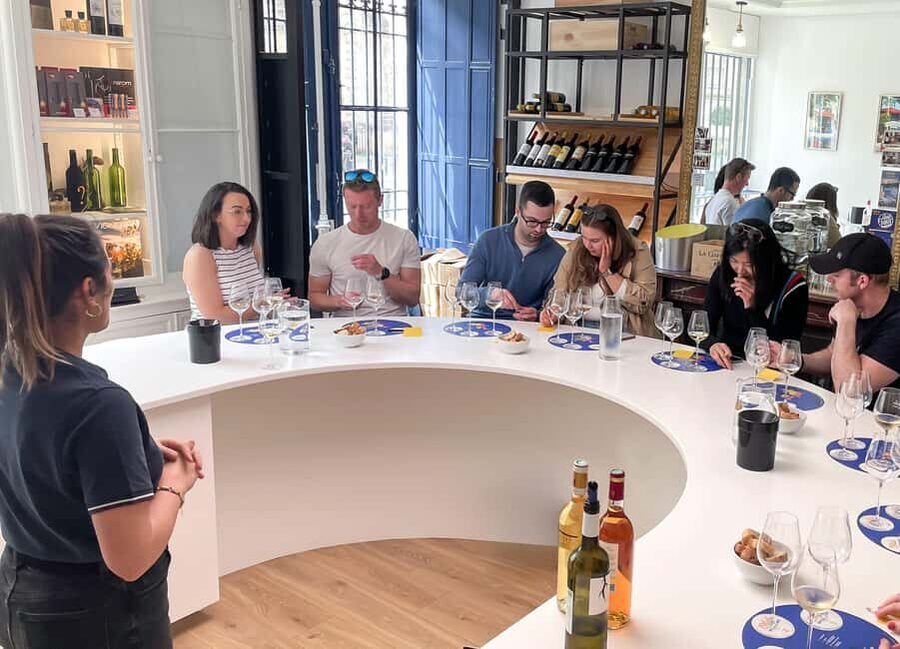
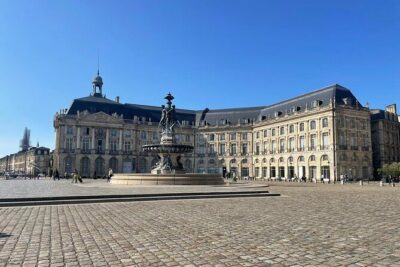
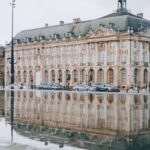
Bordeaux is easy to overdo. You arrive buzzing from museums, walking routes, and wine-shopping cravings, and suddenly you’ve got a day that’s packed from morning to late afternoon. This workshop is the antidote to that problem. It’s only 1 hour, and it’s set up right in the city, just a few steps from the Grand Théâtre area.
That timing matters. If you’re doing a bigger wine day later (like a classic day trip into the vineyards), this kind of session gives you a head start. You learn what to look for, what questions to ask, and how to taste without acting like you’ve suddenly become a wine detective.
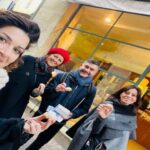
The experience is also framed as both an oenology class and a wine bar vibe. That sounds like marketing, but it translates into something practical: you get instruction, but you’re still actively tasting and interacting. In other words, you’re not sitting through a long lecture while your glass collects dust.
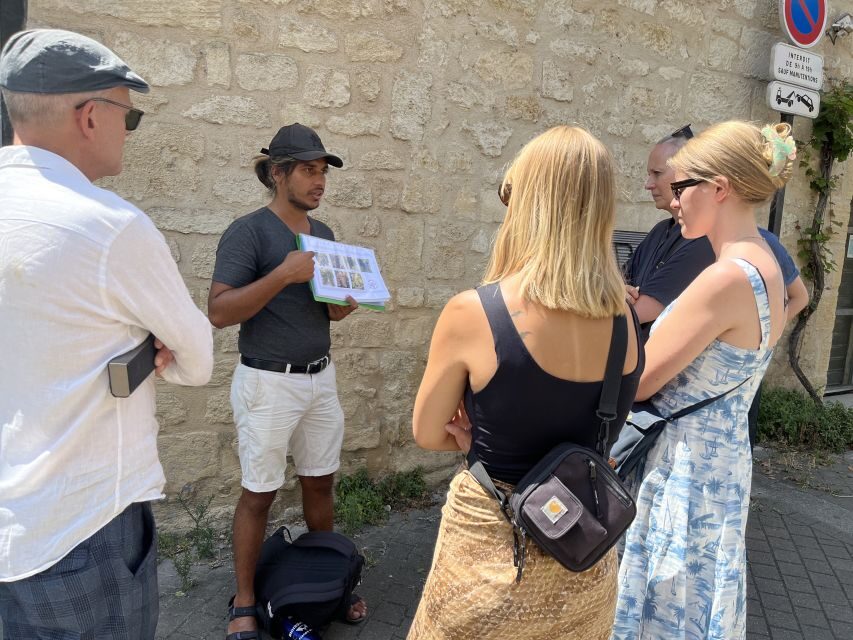
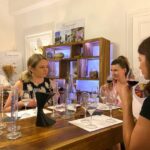
Finally, the group size is designed to stay manageable. That’s not just for comfort. In a small group, you actually get to ask questions and compare notes with the guide while the wines are still fresh.
Other wine tasting classes and masterclasses in Bordeaux
What you actually taste: 1 white, 2 reds, plus a Grand Cru
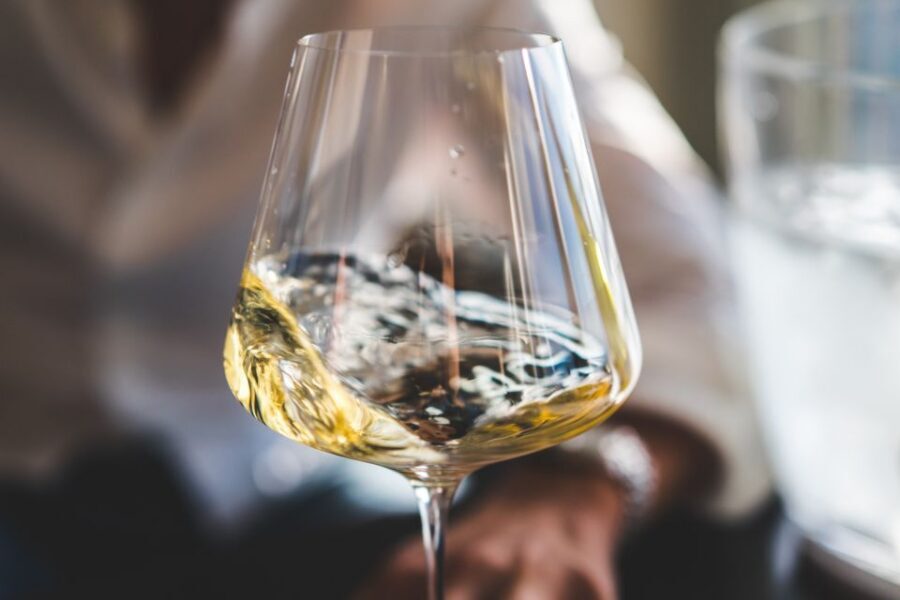
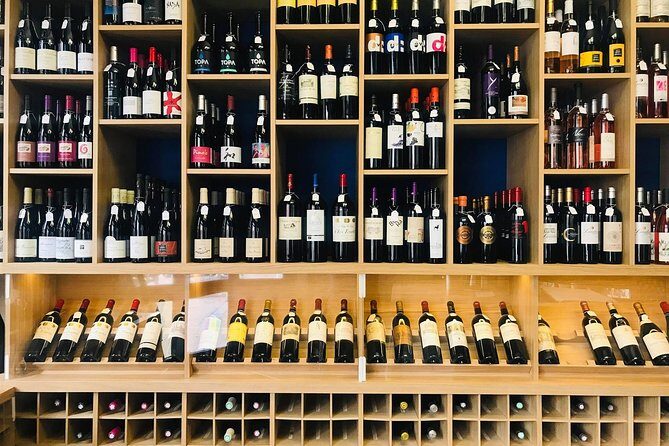
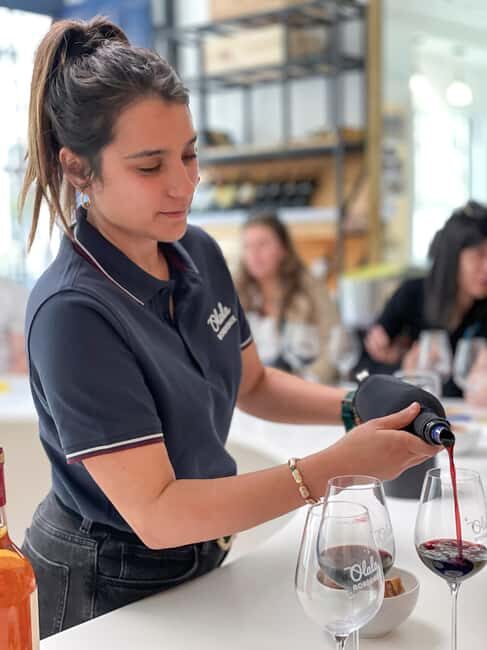
The tastings include 1 white wine and 2 red Bordeaux wines. That’s a smart structure for first-timers because it prevents the classic mistake of only tasting reds and assuming you don’t like white wine. Bordeaux whites can be crisp, aromatic, and totally different from what you might expect if your wine brain is locked on Cabernet-style reds.
The reds are where the Bordeaux identity really shows. The workshop includes a Grand Cru as part of the three-wine lineup. That matters even if you’ve never heard of that category before. It gives you a “sense of reference” wine—something more elevated—so when the guide later explains why grapes, soils, climate, and blending matter, you can connect the explanation to taste instead of memorizing labels.
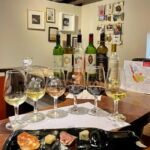
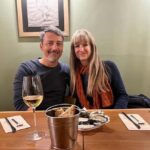
You’ll also be pairing those wines with a local cheese and charcuterie board. You’re getting baguette and water too. That’s not just an added snack. It’s part of how the tasting teaches you. Food changes the way wine reads on your palate, so tasting with something on the plate helps you learn faster.
The lesson behind the pours: terroir, appellation, and blending
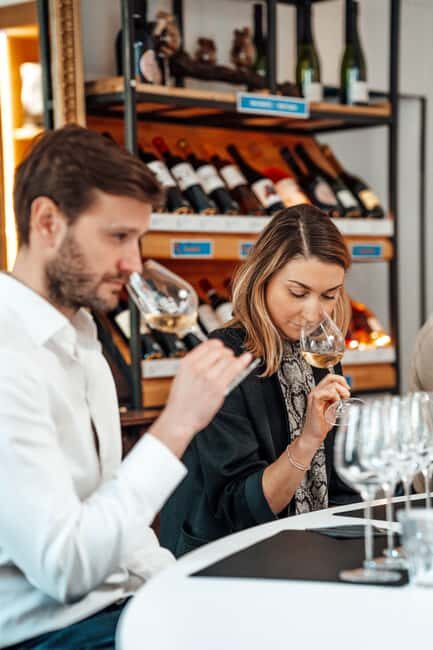
This workshop focuses on the big ideas that actually show up in Bordeaux bottles. You’ll hear about terroir, grape variety, appellation, and blending. And the key is how it’s taught: in a relaxed, question-friendly way, not a forced seminar.
Here’s what those concepts mean for you, as a visitor who wants to leave with usable instincts:
- Terroir: the combination of soil and climate that shapes a wine’s character. In Bordeaux, that can show up as differences in structure, freshness, ripeness, and flavor intensity.
- Appellation: the regional labeling system that points to where a wine comes from and often what style the region produces.
- Grape variety: Bordeaux isn’t one-grape country. Even when a wine is marketed simply, the grapes and their ripeness still steer the flavor.
- Blending: this is where Bordeaux gets famous. Blending lets producers balance fruit, tannins, freshness, and aromatic lift. Once you learn to taste for those components, Bordeaux labels start making sense.
The guide also connects those ideas to the history and types of Bordeaux wines. That doesn’t mean you need a timeline in your head. The goal is simpler: you should be able to walk into a wine shop later and understand what a producer is trying to do.
One more practical point: the session gives you a framework for asking better questions. Instead of just saying I like this, you can start saying what you liked—freshness, texture, aroma, balance—and then match that to other bottles.
Tasting techniques that help you smell what you’re smelling
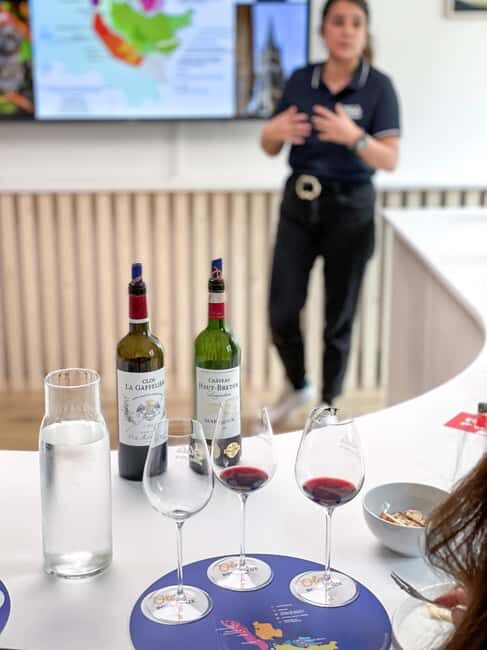
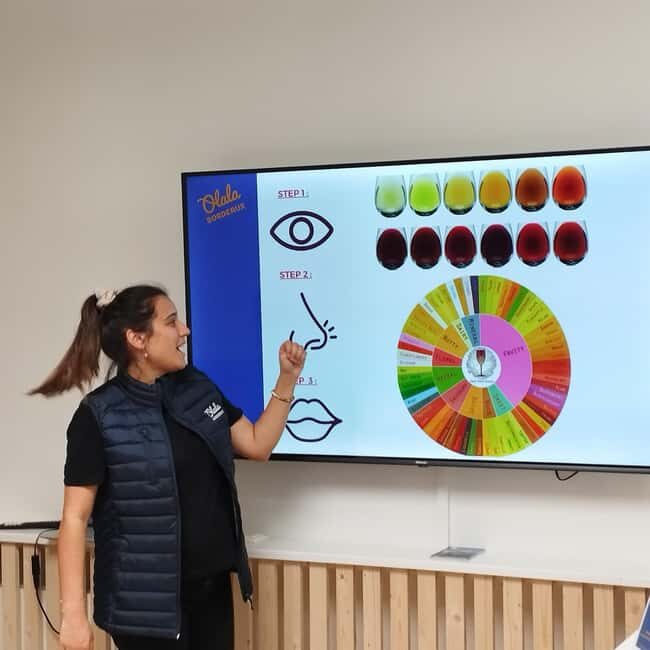
Wine tasting can feel oddly stressful if you think you need to be right. This workshop works because it gives you tools instead of pressure. You’ll learn the steps of tasting, plus techniques for identifying aromas.
Expect to be guided through the basics: what to notice first, how to evaluate the wine on sight, how to smell it for specific notes, and how to taste for structure and balance. The point isn’t to turn you into a professional. It’s to help you describe what’s in your glass without guessing.
Also, you’re not just tasting blindly (in both senses). Some sessions include extra aroma exercises—like a smell-based activity—so you can practice separating aromas from each other. That kind of practice pays off fast because once you recognize a few common scent families, your whole tasting improves.
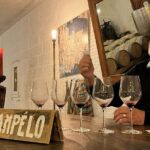
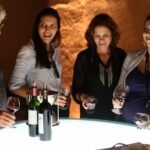
One small travel note that matters: the tasting space is set up for wine reading. The environment is described as a dedicated workshop setup with bright light and light-colored tables. That’s not a luxury detail. It helps you see wine color more clearly and focus on noticing differences instead of fighting dim lighting.
Cheese and charcuterie pairing: the shortcut to better tasting
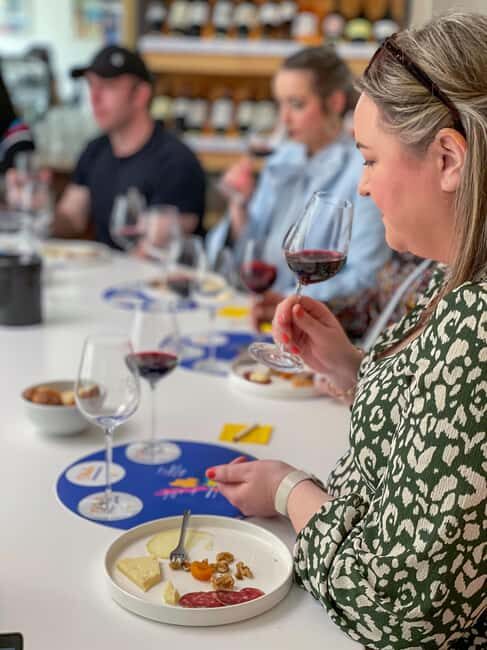
The food pairing here is not an afterthought. You’ll get a selection of refined local cheeses and cold cuts alongside baguette and water. That combination is perfect for learning because it creates quick contrasts.
Cheese brings fat and salt, which can soften sharp edges in wine and make fruit feel rounder. Cold cuts add seasoning and sometimes a smoky or savory note, which can make tannins feel more structured and flavors feel more connected. With water included, you can also reset your palate between sips without guessing.
If you want to get the most out of the pairing, do this: take a bite, then sip, then stop and think for a moment. Ask yourself what changed. Did the wine taste more fruit-forward? Did the tannins feel gentler? Did aromas shift? That short mental pause is how the pairing turns into learning instead of just eating.
This is also the part of the experience that feels most like a local moment. Bordeaux is a wine region, yes, but it’s also a food culture. The best tastings feel like you’re being shown how locals actually experience wine with everyday bites.
Other food & drink experiences in Bordeaux
The pacing: what fits in your hour and what doesn’t
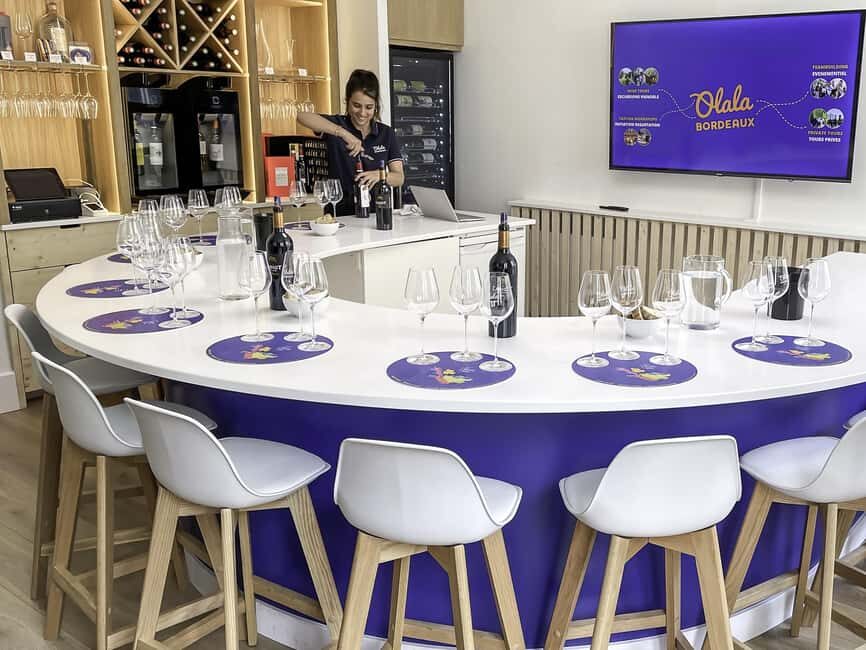
Let’s talk about expectations. The workshop is 1 hour, small group, and focused on the key skills and wines. That means:
- You’ll get enough instruction to leave with a tasting approach you can use later.
- You’ll taste three wines and experience a guided pairing.
- You’ll be able to ask questions, but the pace stays brisk so everyone gets time.
One review comment flagged that some sessions can be a bit heavy on talk at the start. That’s worth keeping in mind. If you prefer nonstop action with zero explanation, this may feel slightly chatty before the glasses really start moving.
The upside is that the guide’s goal is usually to keep it relaxed while still giving you real context. You’re not paying for a quick drink. You’re paying for an hour of taste education that helps you shop and taste better afterward.
Who should book this Bordeaux workshop (and who might skip it)
This workshop is a strong match if you fall into one of these groups:
- You’re new to Bordeaux wine and want a clear, friendly entry point.
- You want a short activity in the center of Bordeaux that doesn’t derail your sightseeing plan.
- You like learning by doing: taste, smell, compare, ask questions.
- You want skills you can use at home when you pick a bottle for dinner.
It’s not the best fit if you’re chasing a full day in the vineyards. A workshop like this can’t replicate the deeper story of a specific vineyard block, harvest decisions, or time spent with winemaking staff at length.
Also note the restrictions: pets aren’t allowed, and it’s not suitable for children under 16. If you’re traveling as a family with younger kids, you’ll need a different option.
Language-wise, the instructor offers English and French, so you can go in comfortable no matter which you prefer.
Price and value: what $34 buys in Bordeaux
At $34 per person for 1 hour, this sits in the “worth it” category if you compare it to what you’d otherwise pay for the same combination of services.
You’re paying for:
- A guide (instruction plus live support while you taste)
- Three included wines: 1 white + 2 reds, including a Grand Cru
- A prepared cheese and charcuterie board (with baguette)
- Water and information brochures
If you’ve ever priced out a wine bar tasting that includes food and real guidance, you know it can add up fast. What makes this good value is that the cost is for the whole package, not just the wine. The “class + bar” format means you’re paying for context as well as consumption.
One more value angle: because it’s in central Bordeaux, you’re not spending your limited time and money getting there. You get a good return on an otherwise busy day.
Should you book Olala Bordeaux’s Introduction to Bordeaux Wines?
I’d book this workshop if you want an efficient, friendly way to understand Bordeaux wine without getting lost in labels and terminology. It’s especially good as a first wine experience in the region, or as prep before a longer wine day. The format is practical: you’ll taste, learn terroir and blending ideas, and practice how to identify aromas so your next bottle purchase feels less like roulette.
Skip it only if you’re sure you already know what you want and you want a deeper, vineyard-driven itinerary instead of a short tasting classroom. If that’s you, you’ll probably get more from a full tour outside the city.
If you’re on your feet a lot in Bordeaux and want a focused hour that improves how you taste for the rest of the trip, this is a strong choice.
FAQ
How long is the Bordeaux wines tasting workshop?
It lasts 1 hour.
What wines are included in the tasting?
You’ll taste 1 white wine and 2 red Bordeaux wines, including a Grand Cru.
What food comes with the wine tasting?
A local cheese and charcuterie board is included, along with baguette and water.
Where is the meeting point?
The meeting point may vary depending on the option booked, and the workshop is described as being in the heart of Bordeaux a few steps away from the Grand Théâtre.
Is this a small group experience?
Yes, there is a small group option available.
What languages are the instructors available in?
The instructor offers English and French.
Is it suitable for children or pets?
Pets are not allowed, and it’s not suitable for children under 16.
How much does it cost per person?
The price is $34 per person.