REVIEW · BORDEAUX
Workshop Bordeaux wine tasting: 4 reds & charcuterie pairing
Book on GetYourGuide →Operated by I love my 2cv Sas Verrevidophobe · Bookable on GetYourGuide
Bordeaux gets easy fast when tasting is taught, not lectured. In this 1-hour class near tram A Stalingrad, you’ll go step by step through Left Bank vs Right Bank, then taste four Bordeaux reds plus a mystery glass to sharpen your senses.
I really like how the guides (Cécilia and Mathilde) keep it friendly and discussion-led, using their training as wine experts from the Université du Vin. I also love the practical “how to taste” approach—starting with grape variety, then moving to blend style, terroir, and what that means for aroma, texture, and aging.
The only real drawback is time. In 60 minutes you’ll learn the method, but you won’t have the hours it takes for a full deep dive into every château or vineyard story. Also, it’s not suitable for people with mobility impairments.
In This Review
- Key takeaways before you go
- Why this Bordeaux tasting feels different from the usual
- The 1-hour structure: what you taste (and why it’s taught in that order)
- 1) Grape variety and what it does to flavor
- 2) Blend style and how “combinations” behave
- 3) Terroir and winemaking choices (the real engine)
- 4) Left Bank vs Right Bank, explained through a sip
- 5) A mature wine to make aging make sense
- 6) The mystery glass: your training moment
- Left Bank vs Right Bank: the practical way to remember it
- The wine + charcuterie pairing: why the food isn’t just a snack
- The setting and the small-group advantage
- What you get besides the tasting: the booklet and the aroma skills
- Who this class is for (and who should choose something else)
- Price and value: what $46 buys you in real terms
- Before you book: quick practical tips
- Should you book this Bordeaux reds and charcuterie class?
- FAQ
- What is the duration of the Bordeaux wine tasting class?
- How many people are in the group?
- What’s included in the tasting?
- Do they offer something for people who prefer white wine?
- Is hotel pickup or drop-off included?
- Is this activity suitable for people with mobility impairments?
Key takeaways before you go
- Small group size (max 6) keeps the questions coming and the pacing relaxed
- One mystery glass makes you practice tasting, not just listen
- Left Bank vs Right Bank is explained through what you actually taste
- Aroma game + take-home booklet turns Bordeaux into something you can repeat later
- Charcuterie pairings show how food changes what you notice in the wine
- One mature wine gives you a clear picture of aged Bordeaux beauty
Why this Bordeaux tasting feels different from the usual
Most Bordeaux wine tastings turn into a parade of facts. This one takes a different route: it teaches you how to taste, then uses Bordeaux as the training ground.
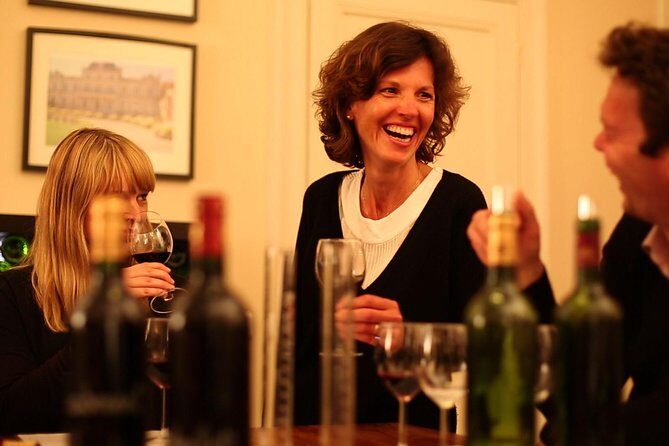
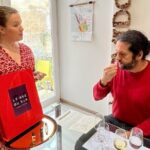
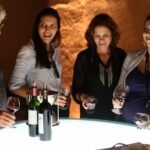
You’ll sit with a small group and follow a guided sequence designed to “wake up” your senses. The host uses an aroma game, and the class is built around interaction—so you’re not stuck playing spectator while everyone else gets to smell and sip.
That format matters. When you taste with direction, your brain starts making connections fast: why a wine smells a certain way, why tannins feel firm or silky, and why some flavors stay while others fade. And because the group is limited, you can ask practical questions without feeling rushed.
Other wine and cheese pairing experiences in Bordeaux
The 1-hour structure: what you taste (and why it’s taught in that order)
This class is short by design—60 minutes. But it doesn’t feel rushed because each step has a purpose.
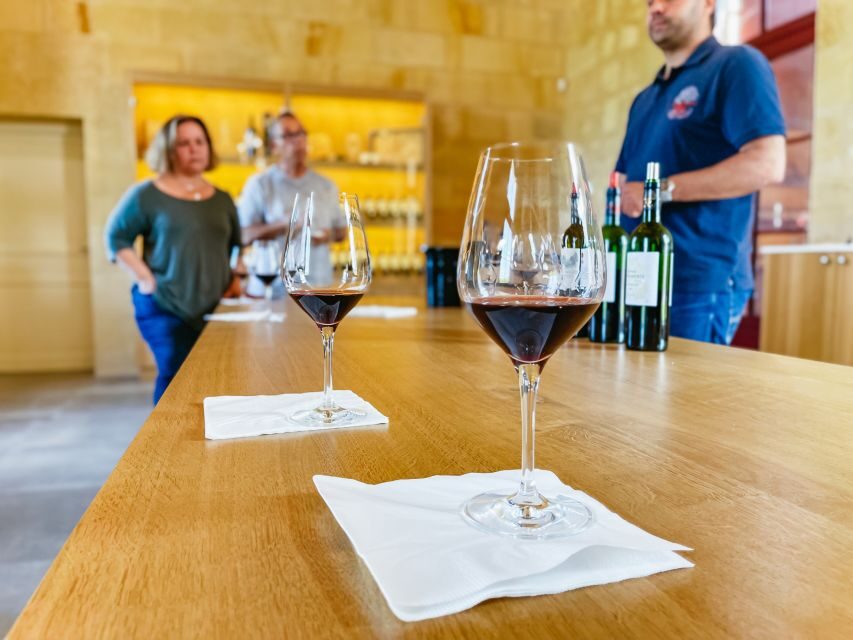
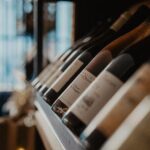
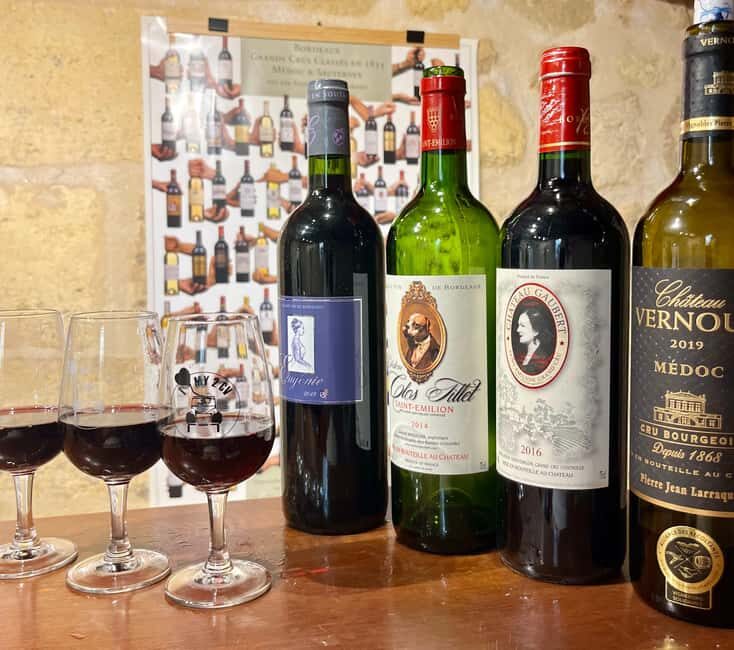
You’ll try four Bordeaux red wines, each chosen to represent a different “face” of the region. The point isn’t to memorize labels. It’s to understand how Bordeaux can taste quite different depending on the wine’s choices.
Here’s what the class is built to teach you:
1) Grape variety and what it does to flavor
Bordeaux often gets described as a blend, but the grapes still show their personalities. You’ll taste wines meant to highlight both Merlot (often smoother and more fruit-forward in style) and Cabernet Sauvignon (often more structured and age-worthy). You’re learning to spot those patterns by tasting, not by reading.
2) Blend style and how “combinations” behave
Then you’ll move into blended wine logic: how the parts work together. In Bordeaux, blends aren’t just tradition—they’re a tool. When you taste a blend after tasting single-varietal expressions, the shift in texture and aroma becomes obvious.
3) Terroir and winemaking choices (the real engine)
You’ll talk through the choices that shape the glass: terroir, vinification style, and how those decisions influence what you smell and feel. Even if you’re a beginner, the method makes it easier to describe what’s happening in the wine.
Other food & drink experiences in Bordeaux
4) Left Bank vs Right Bank, explained through a sip
Instead of tossing out geography and asking you to take it on faith, the class ties bank styles to actual tasting impressions. The Left Bank is typically associated with more Cabernet-driven structure, while the Right Bank often leans into Merlot comfort and roundness. You’ll leave with a mental map you can use on future bottles.
5) A mature wine to make aging make sense
One portion of the tasting is about time: you’ll taste a mature wine. That’s a big deal for learning, because it shows you what changes when tannins soften and flavors shift with age. If you’ve only ever tasted young Bordeaux, aged Bordeaux can feel like a different wine family entirely—and this is a fast way to understand why.
6) The mystery glass: your training moment
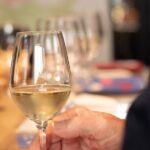
Then comes the fun part: the mystery glass. This is where your tasting practice shows up in real time. You’re not expected to be a professional sommelier. The goal is to use the method you were just taught—smell first, notice texture second, and let flavor and structure guide your guess.
Left Bank vs Right Bank: the practical way to remember it
People leave Bordeaux confused because the region is big and the categories are many. This class keeps the key contrast simple and uses the wines to make it stick.
You’ll learn to connect style to origin:
- Left Bank (often Cabernet-forward) tends toward more structure—think firmer tannins and wines built for aging.
- Right Bank (often Merlot-forward) tends toward smoother, fruit-forward comfort—often a rounder mouthfeel.
What makes this useful is that it’s not just a “theory lesson.” You’re tasting versions of the styles back-to-back. So when you later see a bottle and try to decide what kind of drinking experience it will give you, you’ll have a shortcut ready.
Also, the class doesn’t treat this as rigid rules. It frames it as trends shaped by grape choices and winemaking decisions—so you can still stay open-minded when you find exceptions.
The wine + charcuterie pairing: why the food isn’t just a snack
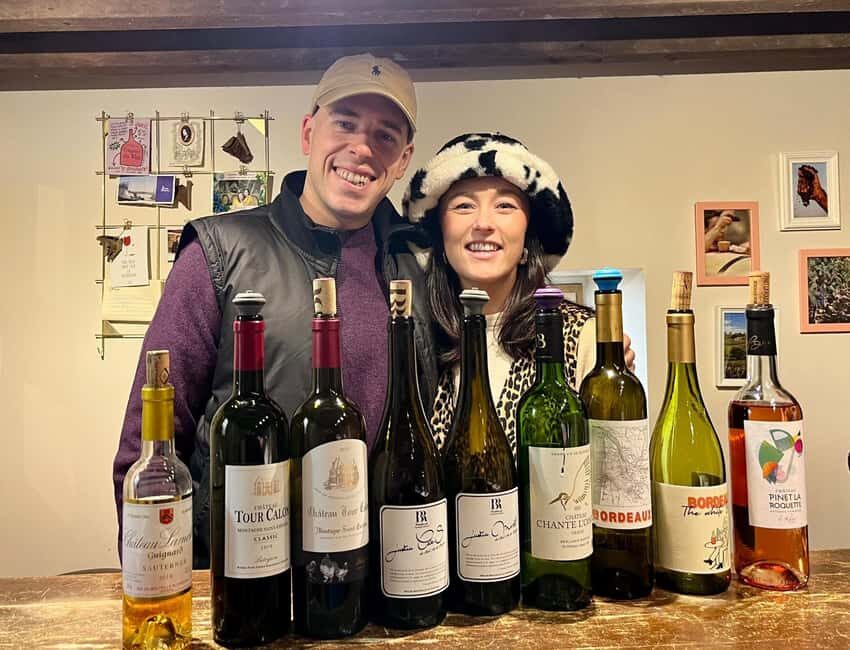
The charcuterie pairing is the secret to making your tasting notes more accurate. Wine alone can be tricky. Add food, and suddenly the wine’s structure and flavors show up differently.
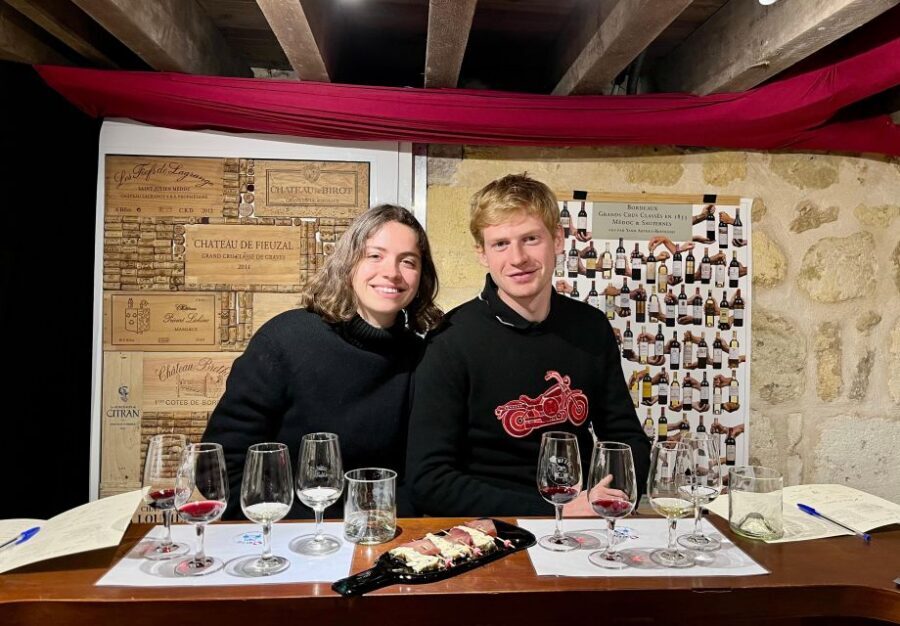
In this class, each wine is paired with artisanal charcuterie selected to complement the glass. That means you get to see how pairing changes your perception, for example:
- A wine that feels tight on its own may taste smoother with salty, fatty bites.
- Aromas can feel more pronounced once the palate has something to work with.
- The balance between fruit, acidity, and tannins becomes easier to explain in plain language.
This is exactly the kind of pairing training that helps you later when you’re choosing what to order in a Bordeaux bistro. Instead of copying a menu blindly, you’ll know what kind of pairing your taste buds are asking for.
The setting and the small-group advantage
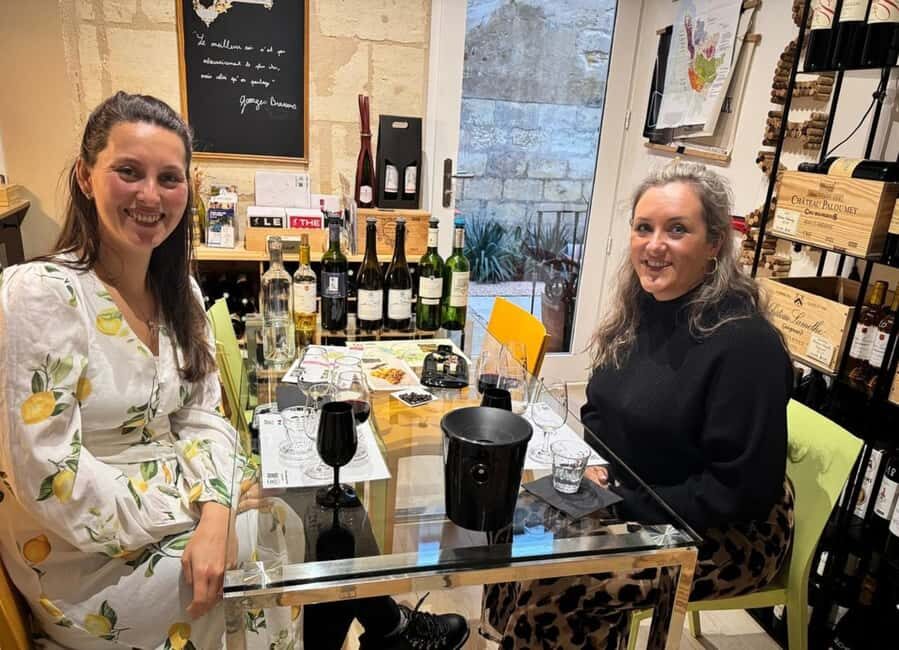
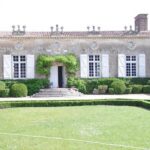
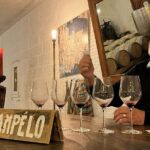
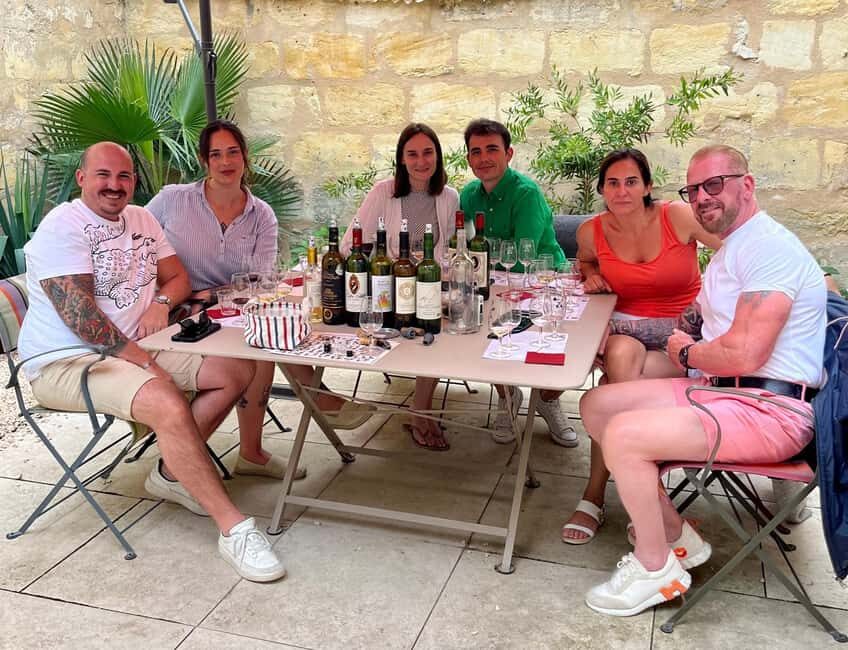
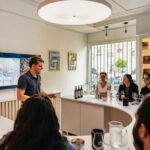
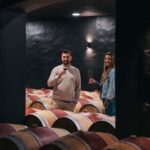
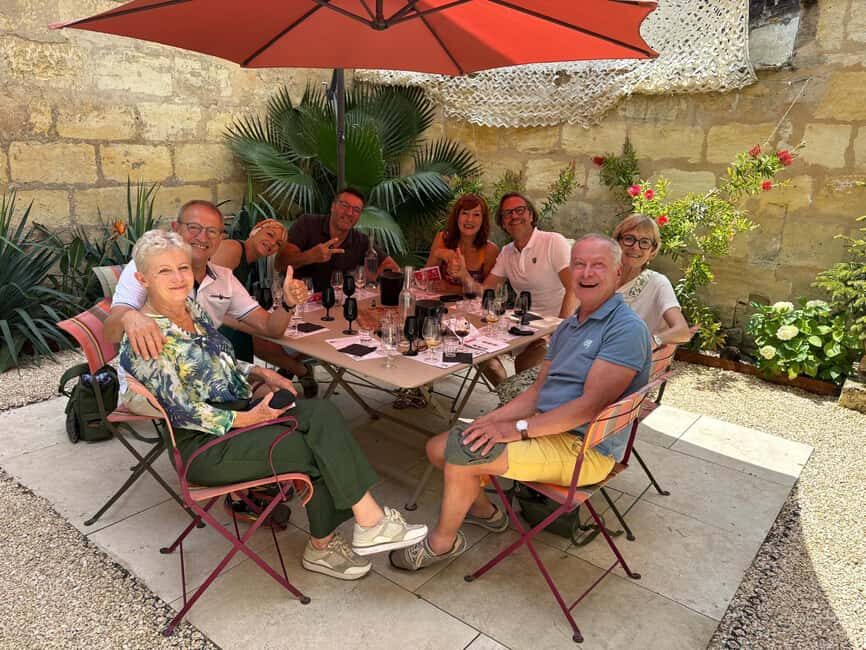
The class location can vary by season. You might taste in a stone-built room, in a charming private courtyard, or in an underground cellar with a cool, sheltered feel. That matters more than it sounds: Bordeaux cellars are part of the romance, and the ambiance makes the tasting feel like an event, not a chore.
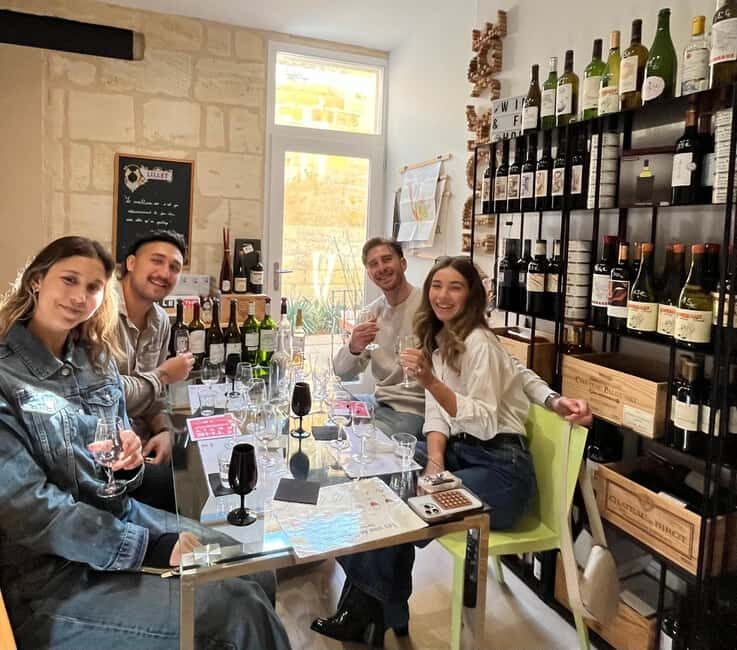
The group size is limited to 6 participants, which keeps the vibe personal. You can ask questions about what you’re tasting—especially useful if you’re trying to build confidence from scratch.
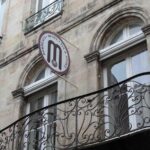
And the meeting point is easy to reach by tram: you’ll find it at 25 avenue Thiers, about 100 meters from tram A stop Stalingrad. The tasting room is hidden behind a building. Look for the gray door next to the Guy Hoquet panel, and ring the bell labeled I ♥️ TASTING.
If you’re planning your day, give yourself a few extra minutes to find it. Hidden doors are charming, but they also make early arrivals feel better.
What you get besides the tasting: the booklet and the aroma skills
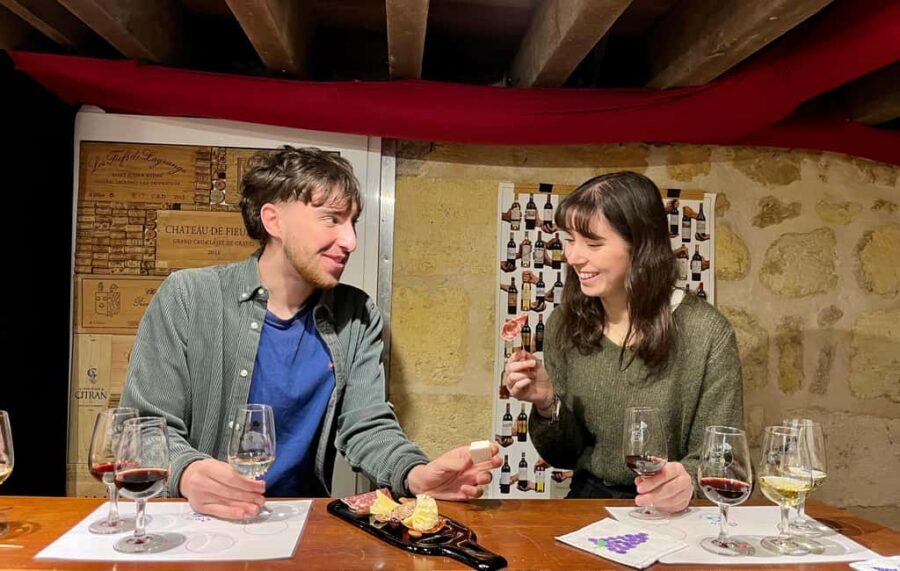
You’re not leaving empty-handed. You receive a personal tasting booklet with Bordeaux notes and a tasting method you can keep using.
That booklet is the difference between tasting as entertainment and tasting as learning. After one hour, your brain is full of impressions. The booklet helps you turn impressions into a repeatable process—how to smell, how to describe texture, and how to connect what you notice to the wine’s style.
You’ll also get practice with the aroma game. It trains your vocabulary and confidence in describing scents you might usually think of only as “good” or “interesting.” That skill pays off fast when you shop for bottles later.
Who this class is for (and who should choose something else)
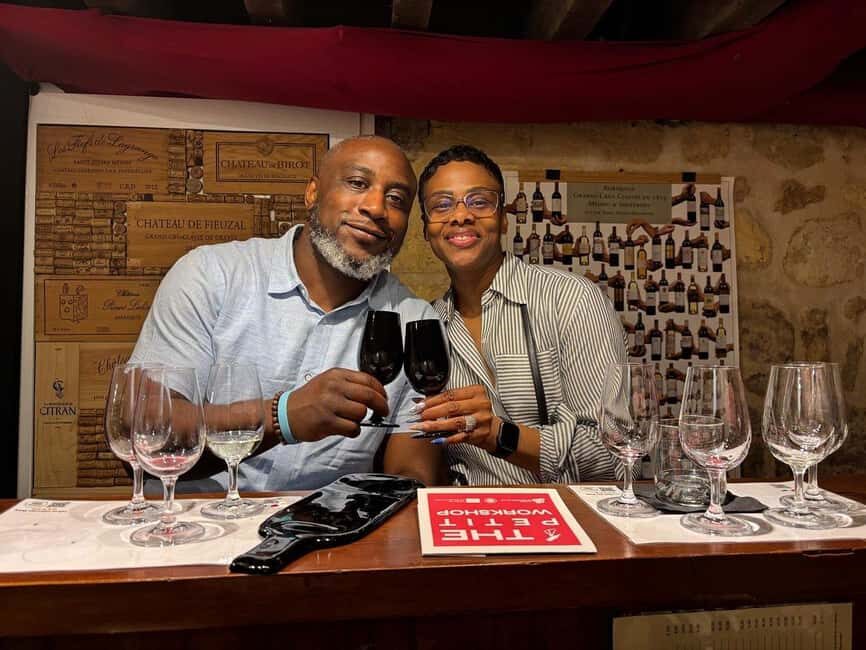
This experience is well suited for:
- Beginners who want a structured way to understand Bordeaux red wine without intimidation
- Wine lovers who want a fast, organized refresher on how Bordeaux styles relate to grape and region
- Anyone who wants a high-value stop that doesn’t eat a half day
It may be less ideal if you:
- Want a long-format tour of vineyards or château history (this is method and tasting in 60 minutes)
- Need an experience that works for mobility limitations (the class is not suitable for people with mobility impairments)
One more practical note: if you’re traveling with friends who prefer white wine, you can ask for accommodation. There’s also a tasting option for white Bordeaux available if you arrange it in advance.
Price and value: what $46 buys you in real terms
At $46 per person for one hour, the value comes from what’s included—not just the wine.
For that price, you get:
- 4 Bordeaux red tastings plus a mystery glass experience
- Charcuterie pairing with each wine
- A guided class with an aroma game
- Your own tasting booklet to take home
That combination matters. Many “just taste wine” experiences don’t teach much. Here, you’re paying for the skill-building: how to taste like you’re actually paying attention.
Also, with the group capped at 6 and the class running 1 hour, it’s a good “between bigger plans” activity. It fits easily into a Bordeaux day without derailing your schedule.
And if your timing is uncertain, you can reserve now and pay later, with free cancellation up to 24 hours in advance.
Before you book: quick practical tips
If you’re the kind of person who likes to walk out of tours with next steps, this is your type of class. A few tips so you get the most out of it:
- Bring curiosity, not expectations. The method helps you even if you’re starting from zero.
- Take notes during the tasting. Your booklet is there, but your own words make it stick.
- Pairing will change your impressions—so don’t judge a wine before you try it with the charcuterie bite.
And since languages include English, French, and Spanish, you can choose the option that feels most comfortable.
Should you book this Bordeaux reds and charcuterie class?
Yes, if you want a short, high-impact introduction to Bordeaux red wine that actually teaches you how to taste. The structure—Left Bank vs Right Bank, grape and blend logic, one mature wine, plus the mystery glass—keeps the hour focused and fun. Add charcuterie pairings and a take-home booklet, and you get value that extends beyond the tasting room.
If you want a long vineyard excursion or a fully accessible experience for mobility needs, you’ll likely be happier with a different format. But for most people visiting Bordeaux for the first time, this is one of the smartest ways to spend an hour—and leave with skills you can use right away.
FAQ
What is the duration of the Bordeaux wine tasting class?
The class lasts 1 hour.
How many people are in the group?
It’s a small group with a maximum of 6 participants.
What’s included in the tasting?
You’ll get wine tasting instruction with a take-home booklet, an aroma game, tastings of 4 Bordeaux red wines, and charcuterie pairing.
Do they offer something for people who prefer white wine?
Yes. If you’re with people who prefer white wines, you can request accommodation in advance, and there is a white Bordeaux tasting option as well.
Is hotel pickup or drop-off included?
No. Hotel pickup and drop-off are not included.
Is this activity suitable for people with mobility impairments?
No, it is not suitable for people with mobility impairments.