REVIEW · BORDEAUX
Food & History Tour in Bordeaux Old Town with Local Guide
Book on Viator →Operated by eatwith · Bookable on Viator
Bordeaux can be a lot of fun when you eat your way through it. This Old Town walking tour hits wine, lunch, and desserts with a local guide who ties each bite to what’s going on in the city. I like that it feels social and hands-on, not like a museum tour in disguise.
Two things I really like: you get a real tasting lineup (biodynamic/bio-style wine, cannelé, chocolate, and regional sweets) and you also get city context as you walk. The one watch-out is practical: the meeting area can feel vague, and the Old Town streets can be noisy, so you may want to stand where you can hear your guide.
In This Review
- Key Things That Make This Tour Work
- Bordeaux in One Tasty Walk: The 3.5-Hour Rhythm
- Place de la Bourse as Your Launch Pad for Wine and Sweets
- Five Stop Meals: How the Tastings Are Structured
- Stop 1: Start With the Bordeaux Feeling (Place de la Bourse)
- The Wine Stop: Organic/Biodynamic Pour and Real Labels
- The Lunch-Style Stop: Home-Made Dishes From the Region
- Canelés, Chocolate, and Dune Blanche: The Sweet Stops That Earn Their Place
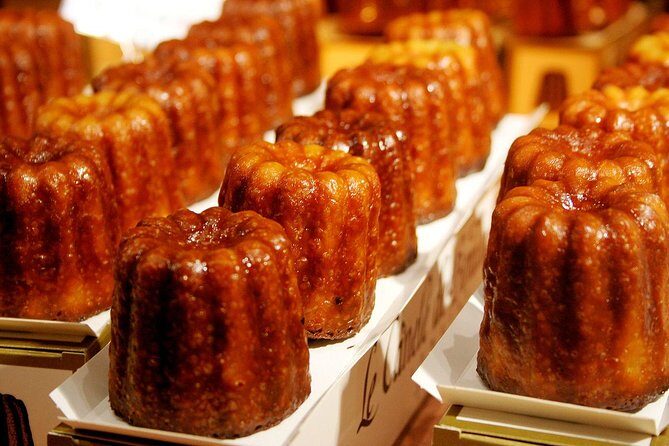
- Canelé: The Bite-Size Bordeaux Icon
- Chocolate: Award-Winning Local Craft
- Traditional French Sweets: Dune Blanche du Bassin d’Arcachon
- History and City Stories You Can Use Later
- Group Size, Pacing, and How to Hear Your Guide
- Price and Value: Is $152.48 Worth It?
- Buying More Bordeaux After the Tour (Without Overbuying)
- Who This Tour Fits Best
- Quick Tips Before You Go
- Should You Book This Food and History Tour in Bordeaux?
- FAQ
- How long is the Bordeaux Old Town Food & History Tour?
- What time does the tour start, and where does it meet?
- What’s included in the tour price?
- Is the tour offered in English?
- How many people are in the group?
- Do I need to bring anything?
- What if I have a food allergy or dietary restriction?
Key Things That Make This Tour Work
- Small group size (up to 12) keeps the vibe friendly and makes it easier to ask questions.
- Lunch plus multiple tastings means you’re not spending the whole day hunting for food.
- Bordeaux wine education in plain language, including how the regions are understood and what to look for.
- Sweet stops that actually matter, from cannelé to award-winning chocolate.
- Old Town stories built around real places, starting at Place de la Bourse.
Bordeaux in One Tasty Walk: The 3.5-Hour Rhythm
This is a 3 hours 30 minutes walking tour that starts at 11:00 am and ends right back where you began. With that kind of half-day timing, you get enough coverage to feel like you understand Bordeaux a bit better, without the full-day commitment that can steamroll your energy.
The tour is built around at least five tasting stops, and the pacing is part of the value. You’re not just sampling tiny bites and moving on. You’re also moving through the Old Town with context—architecture, history, and what local vendors do to earn your attention.
One more practical bonus: it’s offered in English, and you get a mobile ticket. That matters more than it sounds when you’re trying to start on time.
Other food & drink experiences in Bordeaux
Place de la Bourse as Your Launch Pad for Wine and Sweets
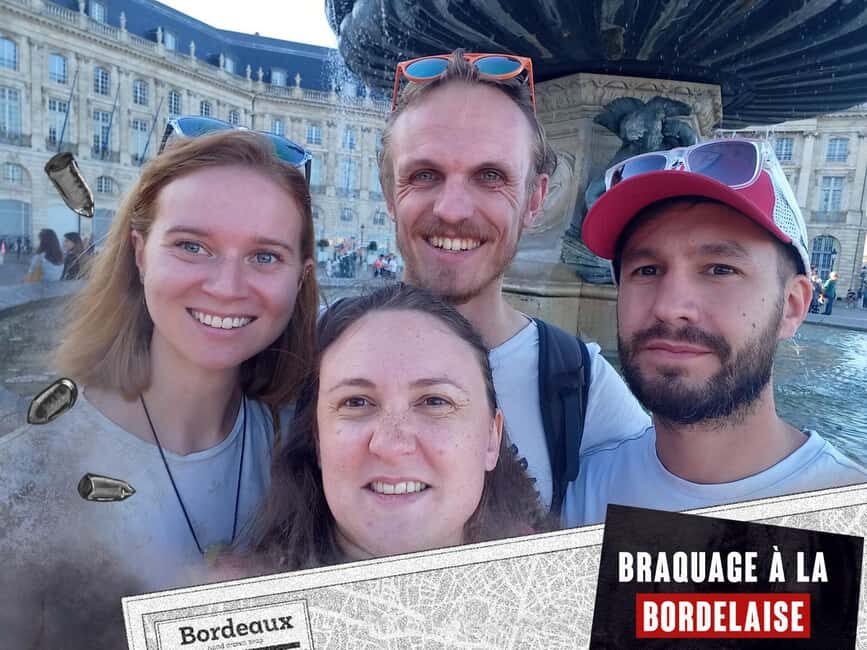
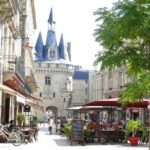
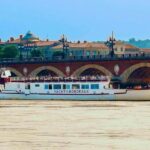
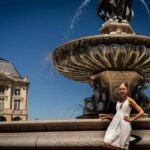
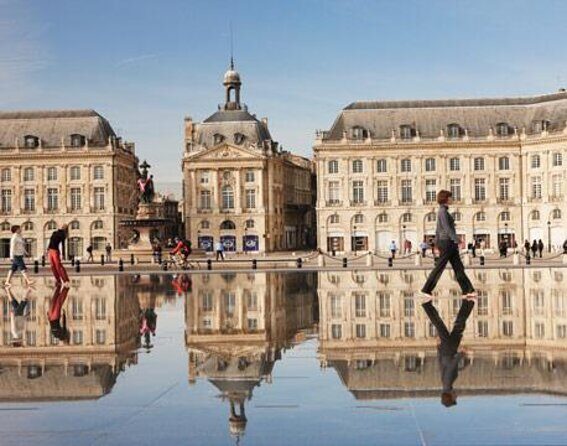
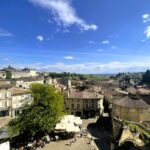
You meet at Place de la Bourse (Pl. de la Bourse, 33000 Bordeaux). This square is a smart starting point because it gives you an immediate sense of Bordeaux’s “public life” energy—boats, trade, and the kind of city planning that turned the waterfront into power.
From the first steps, your guide is focused on making the walk feel like a guided conversation. I like that guides named Clemence and Clara have been praised for mixing fun with history and keeping things lively, not lecture-y. Guides like Antoine have also been singled out for making the food, wine, and Bordeaux context feel linked rather than random.
If you’re sensitive to noise, plan to position yourself well. One review flagged that it can be noisy and harder to hear the guide at times—so don’t just wander into the crowd and hope for the best. Stand where you can catch the details.
Five Stop Meals: How the Tastings Are Structured
Even though the exact stop order can vary, the tasting lineup is clear. You’ll work through a sequence that goes wine → local savory dishes → classic Bordeaux pastry → chocolate → regional sweets, plus time to pick up extras.
Stop 1: Start With the Bordeaux Feeling (Place de la Bourse)
At the start, you begin with the Bordeaux vibe rather than a pure “food dump.” You’re in a central, recognizable spot, which helps if you want to get your bearings fast for later independent wandering.
This is also where your guide typically sets expectations: what you’re tasting today and how it connects to Bordeaux’s culture. That’s one reason the tour earns strong marks for being both fun and informative.
The Wine Stop: Organic/Biodynamic Pour and Real Labels
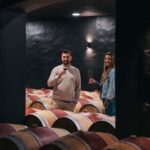
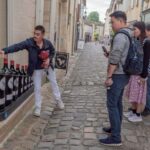
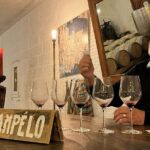
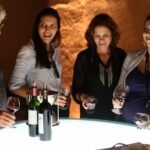
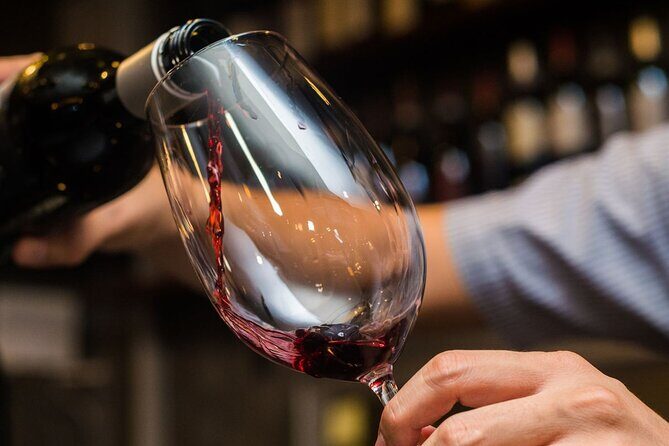
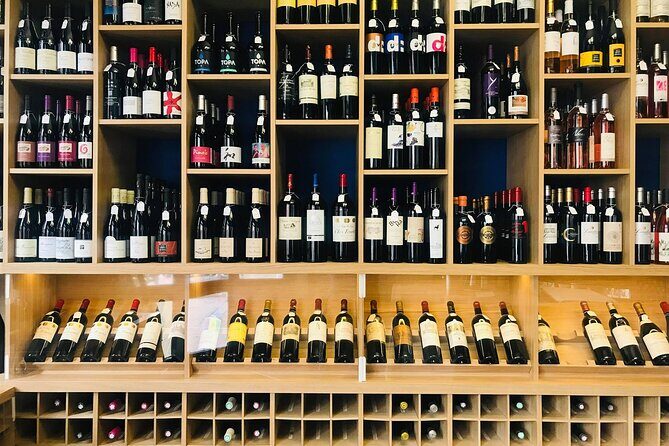
The tour includes a wine tasting with a high-quality organic wine. You’ll taste white, red, or rosé depending on what’s offered that day, and you’ll learn how the wine is made.
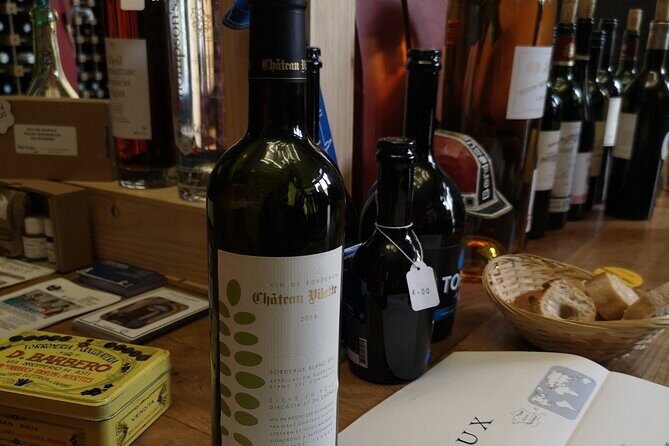
What makes this useful is the way it connects to buying later. One review called out that the wine education helped them better understand Bordeaux wine classification and how to interpret a label. That’s the kind of skill you can use the next time you’re standing in a shop staring at bottles.
Also, you’re not just taking sips. You’re being guided through the story of the wine—what the “organic” approach changes, and why it can be a better fit for certain styles. If you’ve ever felt wine tasting is mostly guessing games, this format is designed to reduce the guessing.
A few more Bordeaux tours and experiences worth a look
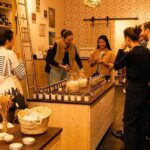
The Lunch-Style Stop: Home-Made Dishes From the Region
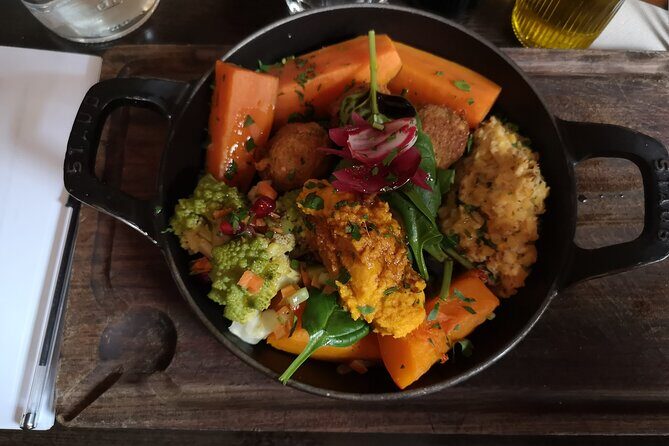
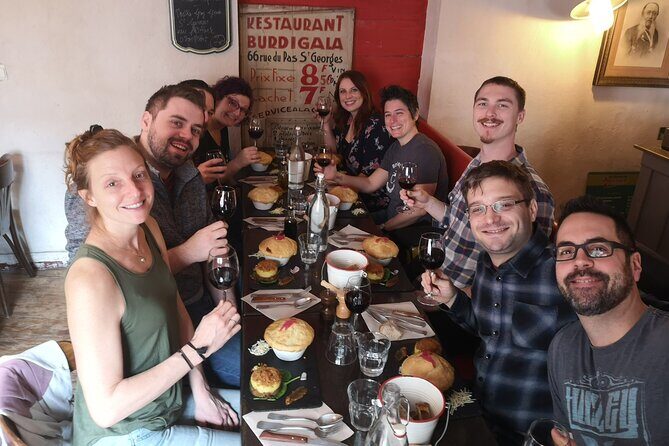
The tour includes lunch, and it’s not abstract. You’ll taste home-made dishes featuring meat from the southwest, fish of the day, and seasonal vegetables from the region.
This matters because Bordeaux cuisine is regional and seasonal, not just “French food.” One reason people love this tour is that the lunch component helps you avoid the classic city trap: eating one expensive snack and then regretting lunch choices later.
One tip from the way the menu is described: come hungry. With wine and multiple sweets in your future, you want lunch to be the steadying meal, not just a nibble.
Canelés, Chocolate, and Dune Blanche: The Sweet Stops That Earn Their Place
The pastry and sweets here are not random. They’re classic Bordeaux signatures, and the tour makes time for them.
Canelé: The Bite-Size Bordeaux Icon
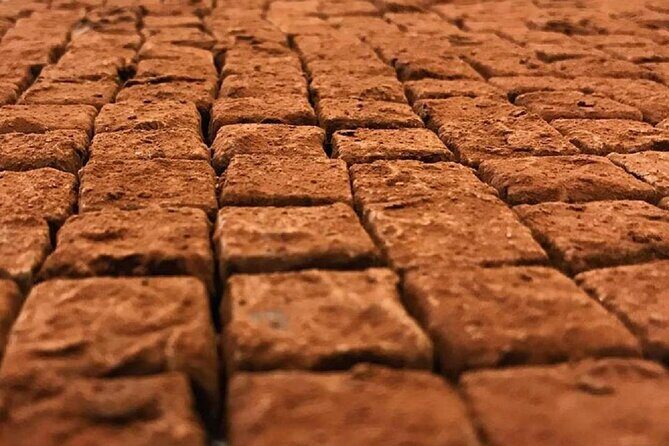
You’ll have cannelés, the famous small pastries Bordeaux is known for. They’re crisp outside and tender inside, and they’re one of those foods that tastes better when you understand why locals care about them.
This is also a nice “reset” moment in the walk. After savory wine and lunch, cannelé is like a sweet punctuation mark that keeps your taste buds engaged.
Chocolate: Award-Winning Local Craft
You’ll also stop for a chocolate tasting from a local female chocolatier who has won several awards. That’s a detail worth noting, because it signals the tour isn’t just grabbing the nearest generic box.
Chocolate tastings can feel gimmicky if you get the wrong guide or shop. Here, the tour’s structure suggests you’ll learn enough to make choices after you leave—what to buy, what flavors to look for, and how to compare styles.
Traditional French Sweets: Dune Blanche du Bassin d’Arcachon
Finally, there’s Dune Blanche du Bassin d’Arcachon, described as a traditional sweet specialty. If you’re not familiar with the region around Arcachon Bay, this is a fun way to taste beyond Bordeaux wine culture and into the surrounding food identity.
And yes, it’s sweet enough to notice. That’s a good thing here. This tour is clearly built for people who want dessert to be a real part of the day, not an afterthought.
History and City Stories You Can Use Later
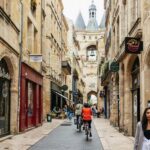
The tour isn’t only about eating. It includes architecture and history, plus interaction with local vendors for a more complete cultural feel.
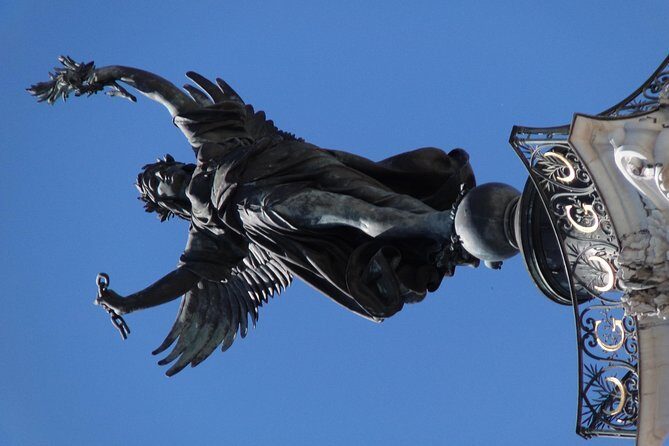
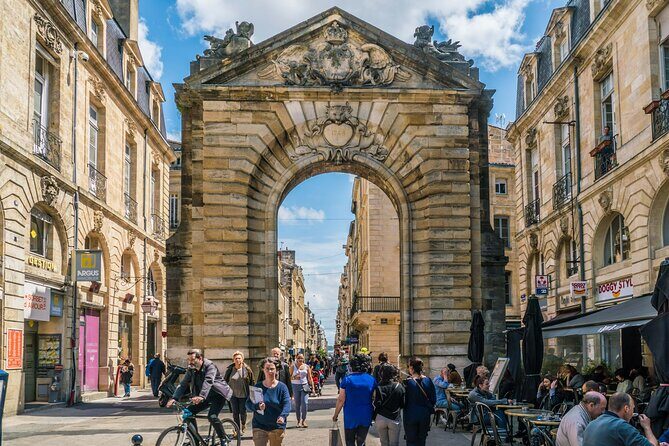
This kind of storytelling is valuable because Bordeaux is visually impressive, but it can be hard to place without guidance. When your guide ties what you see—buildings, squares, and street shapes—to the city’s past, you start recognizing patterns even after the tour ends.
A couple of guide-specific details stand out from the feedback. One review praised Aurélien for delivering history plus fun, and another highlighted Antoine as a lovely host who pulled it together. People also pointed out the mix of food and wine with Bordeaux context as a major reason to recommend the experience.
Practical note: if you’re the type who loves hearing every little comment, plan to keep your attention during the walking sections. One review warned that it could be hard to hear over street noise, which can mean you miss a few of the guide’s best lines.
Group Size, Pacing, and How to Hear Your Guide
This tour caps at 12 travelers, which is a big deal in a tasting format. Larger groups can turn tastings into a production line. Smaller groups let the guide handle questions and keep the flow smoother at each stop.
The tour also includes plenty of opportunities to purchase more local specialities. In other words, your stops aren’t just for eating. They’re also for learning what to bring home (or at least what to hunt down later).
Here’s how to make the day easier on yourself:
- Keep an eye on meeting and start time so you don’t feel rushed.
- If noise is an issue, position yourself where your guide speaks clearly.
- Bring a comfortable walking mindset. You’ll cover enough ground to feel like you moved through the Old Town, not just “stopped in a few spots.”
Price and Value: Is $152.48 Worth It?
The price is $152.48 per person, for about 3.5 hours. That’s not cheap, but it also isn’t priced like a “just walk and look” experience. You’re paying for four things at once: a local guide, a set number of tasting stops, lunch, and the wine component.
What makes this feel like value is the combination. Many food tours either focus on snacks or focus on wine. Here, you’re getting both, plus multiple desserts: cannelé, chocolate, and a traditional regional sweet. Add in lunch with regional ingredients, and you’re basically paying for a curated day of eating rather than a handful of tastings.
For me, the real value test is simple: if you’d otherwise spend a chunk of your day piecing together lunch and wine tastings yourself, this saves time and stress. You’re also more likely to understand what you’re buying after tasting, especially with the wine education element.
Buying More Bordeaux After the Tour (Without Overbuying)
The tour explicitly includes chances to buy more local specialities. I like this setup because it helps you convert tastings into purchases while your food memories are still fresh.
But don’t buy everything in one go. Your goal is to take home a small “Bordeaux set” that matches what you liked most today:
- Pick one wine style you enjoyed most (based on what you tasted).
- Choose one sweet you want to replicate at home.
- Save space for any chocolate you fall for.
If you’re traveling light, plan ahead. Sweet items can be fragile, and wine bottles are obvious weight problems.
Who This Tour Fits Best
This tour is a great match if you want:
- A guided food day instead of wandering by trial and error
- Wine education that helps you read labels and understand regional styles
- A mix of history plus tastings, not just one or the other
It also suits couples and small groups because the cap of 12 keeps the vibe friendly. And since it’s in English and most people can participate, it works well for a wide range of travelers.
If you’re traveling on a tight schedule, this is also attractive. Half-day tours give you enough time to enjoy Bordeaux while keeping your evening free.
One more caution: if you’re trying to join the experience from a cruise day, you should scrutinize how you’ll physically get to the meeting point. One past review complained about transport limitations and lack of refund. Even if your situation is different, it’s smart to confirm you have a realistic route plan.
Quick Tips Before You Go
- Eat something light before the tour if you have a very slow metabolism. You’ll get lunch and multiple sweets, so arriving truly ravenous might feel intense once wine hits.
- Wear shoes you don’t mind getting walked in. This is a walking tour, and the Old Town calls for comfort.
- If you have any food restrictions (allergy or diet), communicate them when booking, since the tour asks for that in advance.
Should You Book This Food and History Tour in Bordeaux?
I’d book it if your idea of a perfect travel day includes lunch, wine, and classic Bordeaux sweets with a guide who connects the dots to the city. The standout for me is the combination: you get savory food, wine education, and desserts that feel like they belong in Bordeaux, not a cookie-cutter itinerary.
Skip it (or at least think hard) if you hate walking, dislike noise, or prefer a more quiet, museum-like pace. Also, if you’re dealing with complicated transport circumstances, plan your route early so meeting the tour is stress-free.
Overall, this is a strong way to get your bearings in Bordeaux while tasting the things locals actually care about. And when cannelé and chocolate are part of the same route, you can call that a good use of your time.
FAQ
How long is the Bordeaux Old Town Food & History Tour?
It lasts about 3 hours 30 minutes.
What time does the tour start, and where does it meet?
It starts at 11:00 am at Place de la Bourse (Pl. de la Bourse, 33000 Bordeaux, France). The tour ends back at the same meeting point.
What’s included in the tour price?
The tour includes a local expert guide, lunch, wine tastings, and tastings of several local specialties such as cannelé, chocolate, and traditional regional sweets.
Is the tour offered in English?
Yes, it’s offered in English.
How many people are in the group?
The group is capped at a maximum of 12 travelers.
Do I need to bring anything?
You’ll receive a mobile ticket. Confirmation is received at the time of booking.
What if I have a food allergy or dietary restriction?
You need to communicate any food restrictions (allergies or special diets) when booking.