REVIEW · BORDEAUX
Bordeaux wines : tasting with 4 white wines and cheeses
Book on GetYourGuide →Operated by I love my 2cv Sas Verrevidophobe · Bookable on GetYourGuide
Bordeaux wine tastes make sense fast. I love the way Cécilia and Mathilde teach you a pro-style tasting routine, and I love how the cheese pairings make the wines feel simple and memorable. One note: the session is only about an hour, so it scratches the surface, not a full semester of Bordeaux.
This is a friendly, small-group format (up to 6 people), so you can actually ask questions and smell on purpose, not just listen politely. If you have mobility limits, this setup may not work for you.
To leave with something useful, you get a tasting method booklet and do aroma training that builds confidence quickly. You also taste wines that you can buy afterward, which makes it easier to bring Bordeaux home the same day.
In This Review
- Key Takeaways Before You Go
- A 75-Minute Bordeaux White-Wine Lesson That Doesn’t Feel Like School
- Where to Meet on Avenue Thiers (and Why Getting There Matters)
- The Tasting Flight: Four Bordeaux Whites, a Mystery Wine, and Smell Training That Sticks
- Cheese Pairings That Turn Technique into Real Choices
- Left Bank vs Right Bank: The Bordeaux Sorting Game You’ll Use Later
- Where You Taste: Patio Light, Cellar Cool, and a Proper Tasting Room
- What the Tasting Booklet Gives You After the Glasses Are Done
- Price and Value: Is $46 Worth 1 Hour?
- Who Should Book (and Who Might Want a Different Format)
- Should You Book This Bordeaux Wine-and-Cheese Tasting?
- FAQ
- How long is the Bordeaux wine tasting with cheese?
- How many people are in the group?
- What is included in the price?
- What languages are available for the live guide?
- Where do I meet the group?
- Is hotel pickup included?
- Is the experience refundable if I change my plans?
Key Takeaways Before You Go
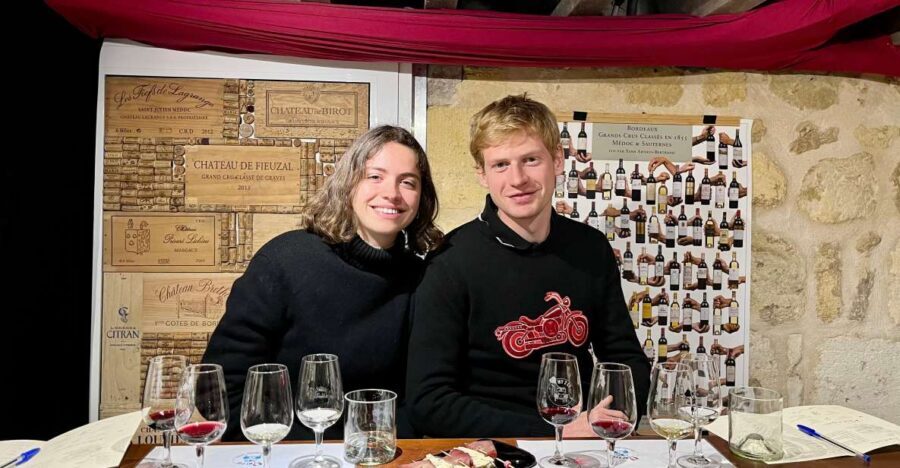
- Four Bordeaux white wines, paired with cheese, so you learn what works together, not just what tastes nice.
- Aroma game training that helps you identify fruit, floral, and other scents you normally miss.
- Université du Vin–trained guides (Cécilia and Mathilde) who explain Bordeaux style without talking down to you.
- Left bank vs right bank framing, plus appellations and grape/blend logic you can reuse.
- A take-home booklet that lets you keep practicing your tasting at home.
- Short and sweet timing (about 75 minutes), in a relaxed pace that still packs in real technique.
A 75-Minute Bordeaux White-Wine Lesson That Doesn’t Feel Like School
If you’ve ever stood in a wine shop thinking, I like it, but I can’t explain why, this tasting is built for you. The format is structured, but the vibe is easy: you taste, smell, and get coached through what to pay attention to, step by step. In about an hour, Bordeaux stops feeling like a confusing label wall and starts feeling like a set of decisions you can understand.
What I like most is the teaching approach. You’re not thrown a bunch of wine terms and told to figure it out. You learn the rhythm of professional tasting: look, smell, taste, then connect what you detect to grape variety, blend style, and the idea of terroir. The guides also keep Bordeaux geography and appellations in the conversation, so you understand what you’re tasting instead of just ranking bottles.
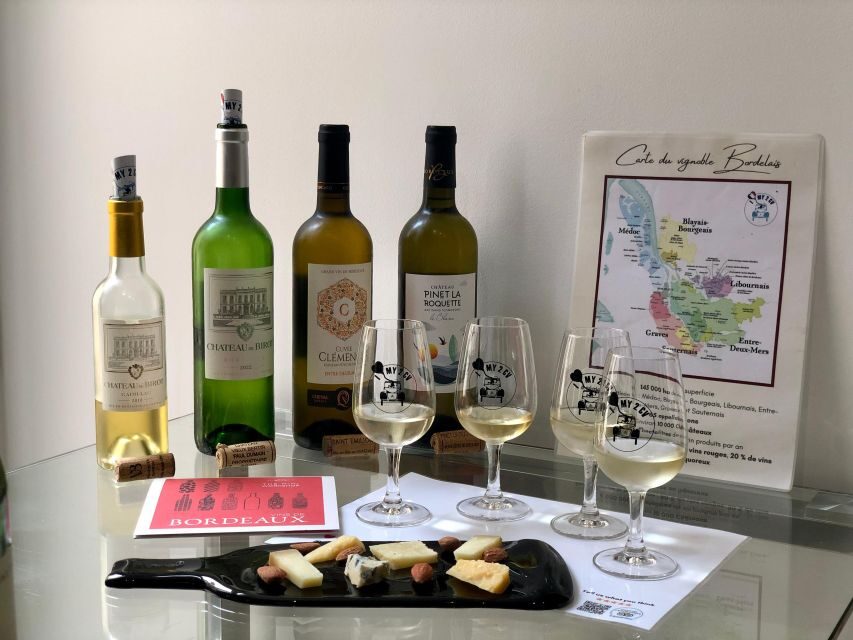
There’s also a practical payoff: the cheeses are not random. They are used to show how acidity, aroma intensity, and texture change when you pair. That means you’ll leave with pairings you can actually recreate at dinner, not just notes for a quiz.
Other wine and cheese pairing experiences in Bordeaux
Where to Meet on Avenue Thiers (and Why Getting There Matters)
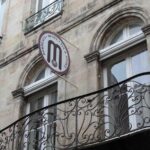
You meet at 25 Av. Thiers, and the instructions are simple: call when you arrive in front of No. 25 or ring I love. This matters because the session is short, and you’ll want your tasting to start on time. There’s no hotel pickup, so plan your own route into the meeting point area.
The experience is designed for a small group, limited to 6 participants. That size is a big deal here. It helps the guides tailor explanations to what you like, and it keeps the tasting interactive instead of turning into a lecture. If you’re the kind of person who learns by asking, the pacing fits.
Timing is another factor. The listed duration is about 1 hour (and the tasting itself is around 75 minutes). If you’re planning a busy day, this is a great “anchor activity.” You can pair it with a stroll in Bordeaux after, without worrying that your afternoon is gone for good.
The Tasting Flight: Four Bordeaux Whites, a Mystery Wine, and Smell Training That Sticks
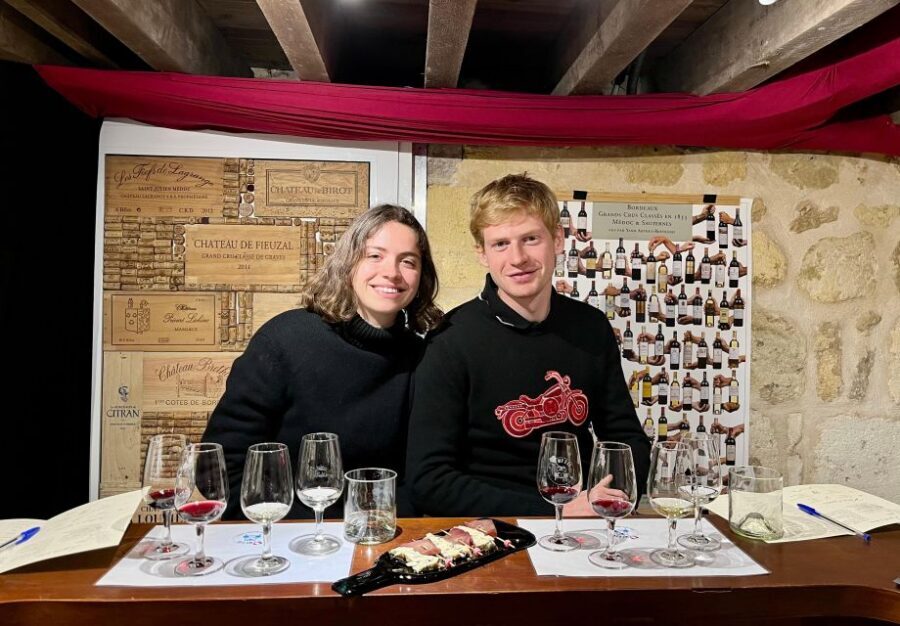
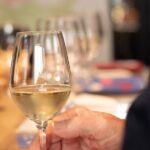
The core of the experience centers on Bordeaux white wines. You taste a set of four white wines with a guided approach. Each wine is presented with enough context—appellation thinking, grape variety, and how blends behave—so you can start noticing patterns rather than treating each pour as a one-off.
One fun element is the mystery wine. Even if you’re not trying to win a contest, this is a powerful teaching tool. When you don’t know what it is, you rely more on smell and taste cues you learn during the session. It pushes you to trust your senses, not your assumptions.
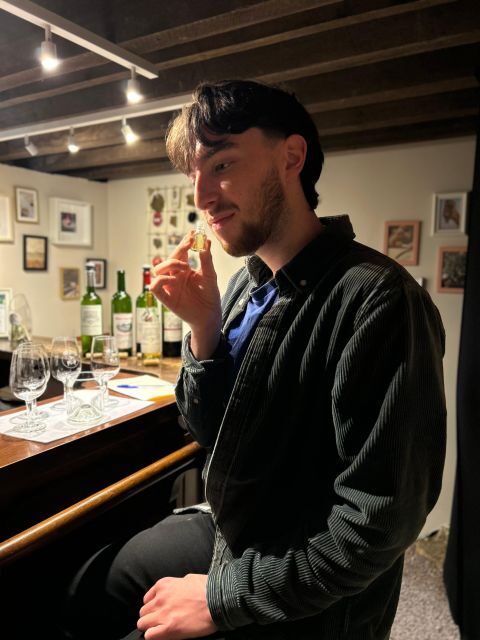
The aroma training is the part people remember. The guides run an aroma game (often framed as What Are You Smelling), where you practice identifying scents like fruit notes and other aromatic hints in the glass. This is not just for entertainment. Smell is where most wine confusion starts, and this kind of game gives you a method to improve quickly.
Also, the guides are trained at Université du Vin, and it shows in how they explain technique. They focus on what to look for in each step, then they translate it into simple language. You end up with a tasting method that you can reuse the next time you’re deciding between two similar whites.
Practical note: the full description includes Bordeaux style concepts like left bank vs right bank, plus a broader look at Bordeaux including reds and a sweet wine. The pricing and included items in the session are clearly centered on white wine pours and cheese pairing. If you want to be 100% sure exactly which styles are poured for your specific date, check the booking details before you go.
Cheese Pairings That Turn Technique into Real Choices
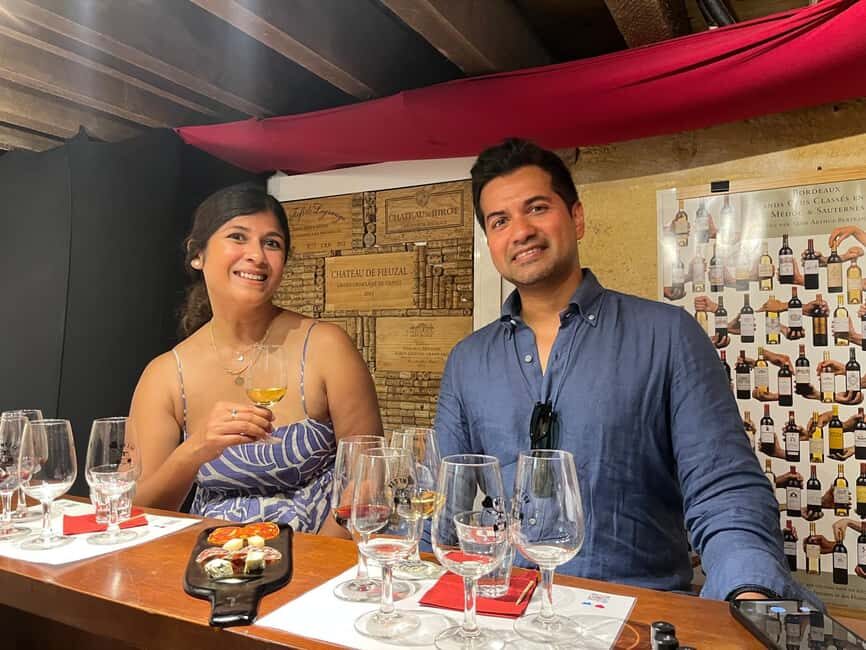
Wine tasting gets easier when your mouth has a second variable. That’s what the cheese selection does. Instead of tasting each wine in isolation, you taste with food, then notice what changes.
Here’s why that helps you. Cheese pairing teaches you three things quickly:
- How acidity in a wine can cut through richness.
- How aroma compounds interact with salt and fat.
- How texture matters, not just flavor.
The guides help you connect the dots. If a cheese makes a wine feel rounder or sharper, you learn why that happens and what to do next time. You’re also guided through sometimes surprising combinations, which is great if you’ve only paired wine with cheese in a very generic way.
This pairing focus is especially useful for Bordeaux whites because people often think of them as “light and safe.” In reality, Bordeaux whites can range from crisp and dry to more aromatic and structured, and that structure is exactly what cheese pairing reveals. You don’t need to memorize a long chart. You need a few solid insights, and this session delivers them in a way you can remember.
And yes, you drink water too. It’s not fancy, but it keeps your tasting accurate and your nose less fatigued. That matters for getting the most out of the aroma game.
Left Bank vs Right Bank: The Bordeaux Sorting Game You’ll Use Later
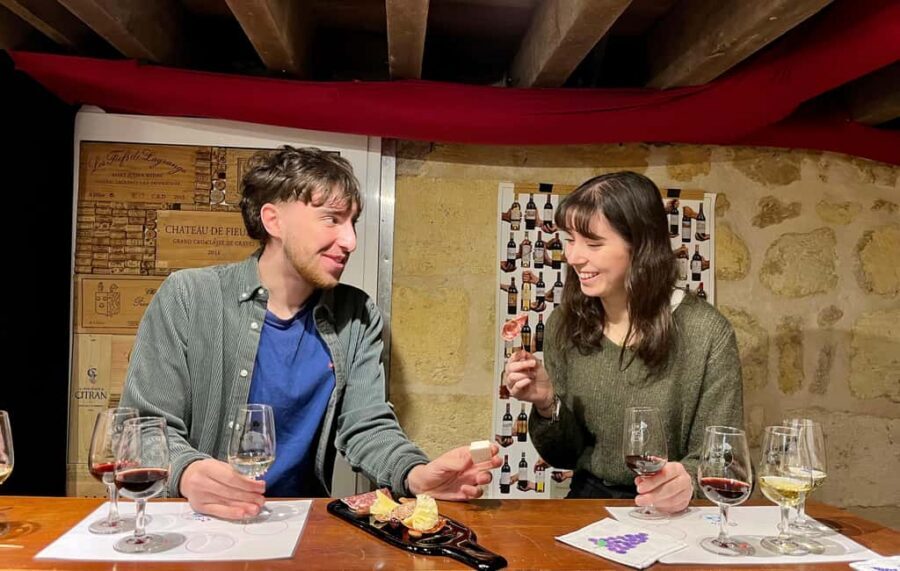
Bordeaux is often explained like a map and a label system. This tasting helps you translate that into taste decisions.
You learn about the richness of Bordeaux wines: appellations, grape variety ideas, and how blends work. The left bank and right bank framing gives you a helpful mental shortcut. You don’t have to memorize every classification on day one. You just learn how to listen for style differences and how they connect to where grapes grow.
Why this matters: once you understand that wines can reflect both grapes and place, shopping gets easier. Instead of feeling overwhelmed by bottle information, you can compare wines using a framework. You start to recognize whether a wine is likely to emphasize acidity, fruit expression, or richer texture. That’s how a tasting becomes actionable.
The guide also adapts to preferences. That’s another big reason this works. If you tend to prefer drier styles, the tasting is steered toward what will make sense to you. If you’re curious and adventurous, you get pushed a bit too. Either way, you’re not stuck in a one-size-fits-all script.
Other food & drink experiences in Bordeaux
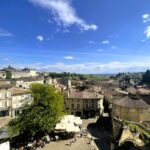
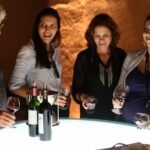
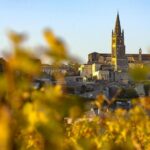
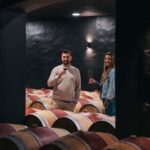
Where You Taste: Patio Light, Cellar Cool, and a Proper Tasting Room
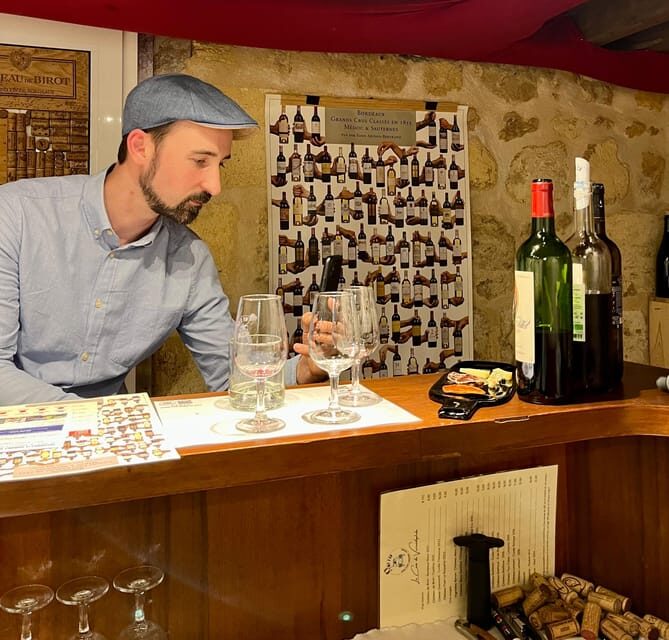
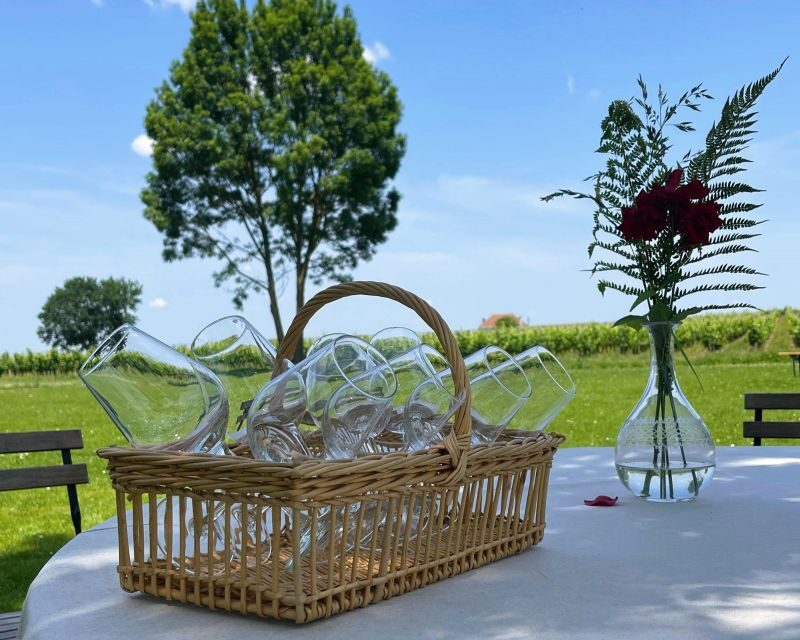
The setting is part of the comfort factor. On good days, tastings can happen in a private patio. When it’s cooler, you might taste in the cellar. There’s also a specially equipped tasting room option all year round.
That choice isn’t just about aesthetics. Wine and smell work better when the room is comfortable and you can focus. A quiet cellar or a calm patio lets you do the aroma training without feeling rushed or distracted.
You should also expect a relaxed pace with room for questions. The group size helps, but the bigger point is that the guides treat tasting as a skill you practice, not a performance you get graded on.
What the Tasting Booklet Gives You After the Glasses Are Done
You don’t just leave with empties and a few notes. You get a booklet on Bordeaux wines and the tasting method so you can keep improving after the experience.
This is one of those travel values that doesn’t always look exciting up front. But it makes a difference. You can review your own choices, remember the aroma cues, and practice the steps again later. That means you’re not relying on memory, and memory is unreliable when you taste multiple wines in a short time.
The guides also help you understand how to taste like a professional. That’s not about sounding fancy. It’s about developing consistency: the same approach every time you open a bottle. Once you have that, Bordeaux becomes less mysterious.
Price and Value: Is $46 Worth 1 Hour?
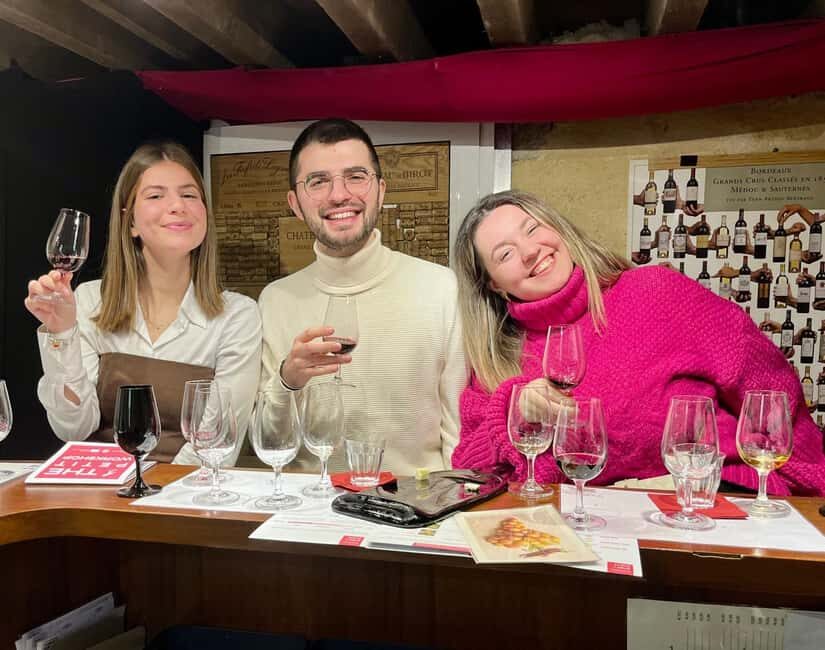
At $46 per person for a small-group, guided tasting, this is a solid value if you care about technique and food pairing. You’re not just paying for drinks. You’re paying for:
- guided wine tasting instruction,
- a cheese pairing component,
- water,
- an included brochure/booklet,
- and aroma training designed to build real skill.
The group limit matters here too. With up to 6 participants, you usually get more attention than you would in larger tastings. That’s the difference between collecting impressions and actually learning a method.
Also, the session lasts about 75 minutes, so it’s not an all-afternoon production. You can fit it into a real Bordeaux day without sacrificing your whole schedule.
If you only want a quick sip-and-smile tasting with no interest in learning technique, there are cheaper options. But if you want to leave with a framework you can reuse at home, this is priced in a very sensible zone.
Who Should Book (and Who Might Want a Different Format)
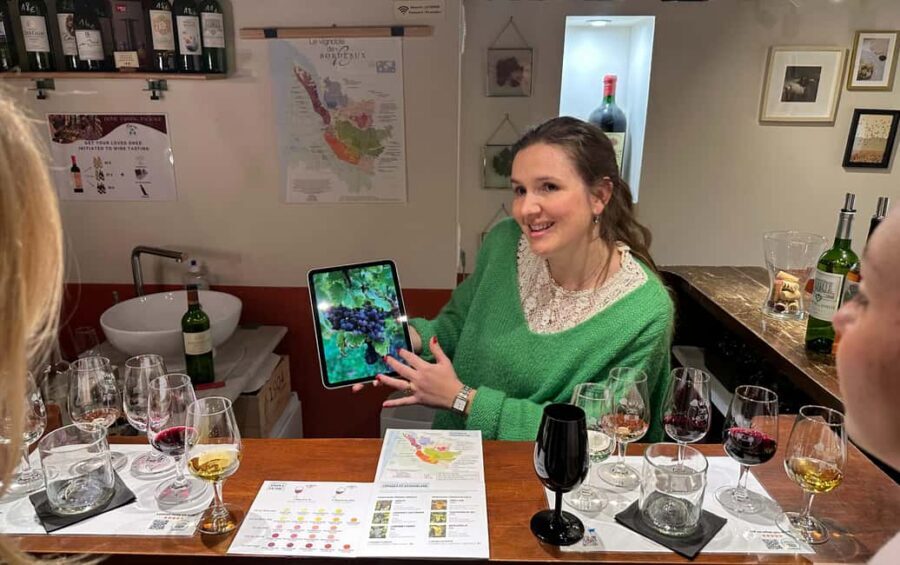
This experience is a great match for:
- people who like white wine but want to understand it better,
- wine beginners who feel intimidated by terms like appellation and blend,
- food-and-wine pairers who learn by tasting with cheese,
- anyone who wants a short, well-guided activity rather than a long tour.
It may not be the best fit if you have mobility impairments, since the experience is not suitable for people with mobility limitations. If that’s your situation, look for an alternative format in Bordeaux that explicitly lists accessibility support.
Also, if you hate structured tastings and want total freedom to wander, this one is guided on purpose. You’ll do the activities they planned, because that’s how you get the technique and the pairing lessons.
Should You Book This Bordeaux Wine-and-Cheese Tasting?
I think you should book it if you want to learn how Bordeaux whites work in your own mouth. The combination of a guided tasting method, the aroma game, and cheese pairings makes this more than a nice hour in a beautiful city. It’s also a good way to meet Bordeaux without needing to commit to a multi-hour vineyard schedule.
You should double-check what exactly you’ll taste on your specific date if you care about a very specific focus (for example, strictly whites only vs a broader flight that may include other Bordeaux styles). The description you’ll see includes details that point beyond just whites, even though the included items highlight white wine pours and cheese pairing.
If you’re flexible and you want to get your bearings fast, this is one of those Bordeaux activities that teaches you something you can use immediately.
FAQ
How long is the Bordeaux wine tasting with cheese?
The tasting lasts about 75 minutes, and the experience is listed as 1 hour.
How many people are in the group?
It is a small group limited to 6 participants.
What is included in the price?
You get 4 glass of white wine, wine and food pairing with cheese, water, an included brochure on Bordeaux wines and the tasting method, and an aroma game.
What languages are available for the live guide?
The live tour guide offers English, French, and Spanish.
Where do I meet the group?
Meet at 25 Av. Thiers. Call when you arrive in front of number 25 or ring I love.
Is hotel pickup included?
No. Hotel pickup and drop-off are not included.
Is the experience refundable if I change my plans?
You can cancel up to 24 hours in advance for a full refund.